Thirty Years Later Phaedra’s YAP Advocate Still Has an Impact on Her Life

0

Philadelphia County, Pa. – In the early 1990s, Germantown High School senior Phaedra Anderson faced attempted murder for jumping a girl with a shoe.

“I was in the street, getting into fights a lot and shoplifting,” Anderson said. I didn’t really have a strong support system at home. My home environment was horrible.”

A judge lowered her charges, put her on house arrest for a year and sent her to Youth Advocate Programs (YAP™), Inc., in Philadelphia where she was connected with a neighborhood-based Advocate who supported and believed in her.

“My Advocate came by at least a few times a week and would help me with my homework and encourage me,” Anderson said. “I did not have any discipline or self-control, but she saw the good in me. I wasn’t a bad child, I just needed to be redirected.”

YAP is a national nonprofit in 34 states and Washington, D.C. that provides community-based alternatives to youth incarceration, residential care, and group home foster placements. The agency partners with public systems to provide individual and family wraparound and behavioral health services as an alternative to out-of-home placement. YAP also uses its unique wraparound services approach known as YAPWrap™ to help cities curb community violence.

“I thank God for the judge’s mercy and for advocating for me when I couldn’t advocate for myself,” Anderson said. “I was facing attempted murder charges without a lawyer. I had a public defender who didn’t care about throwing a little Black girl under the bus. I could have just now been getting out of prison at my age. I could have spent my life in prison for a mistake.”

YAP neighborhood based-Advocates support program participants by connecting them and their parents or guardians and other family members with individualized economic, emotional and educational tools. Anderson said her Advocate attended her prom, cheered her on, showed up for her, and made an overall investment in her in well-being.

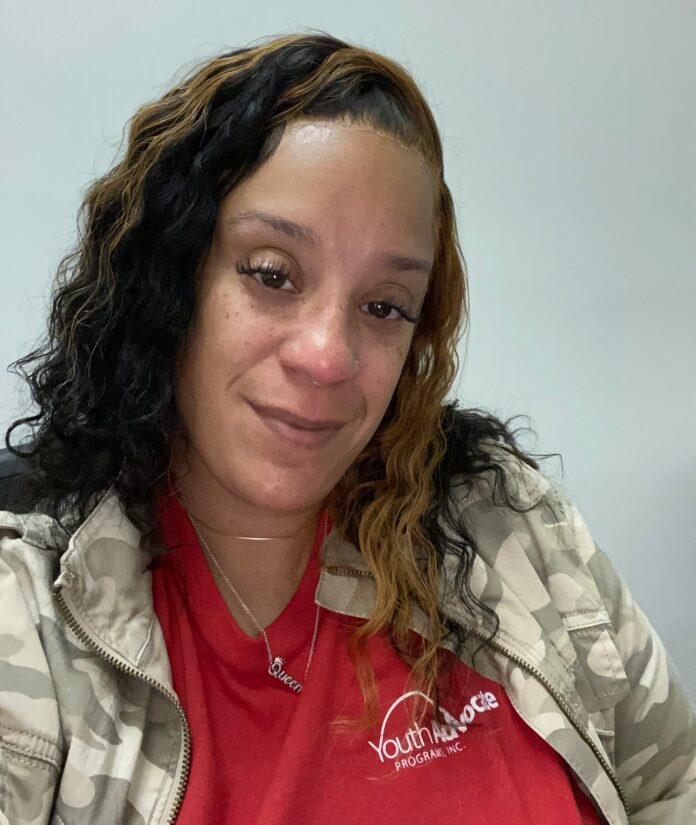
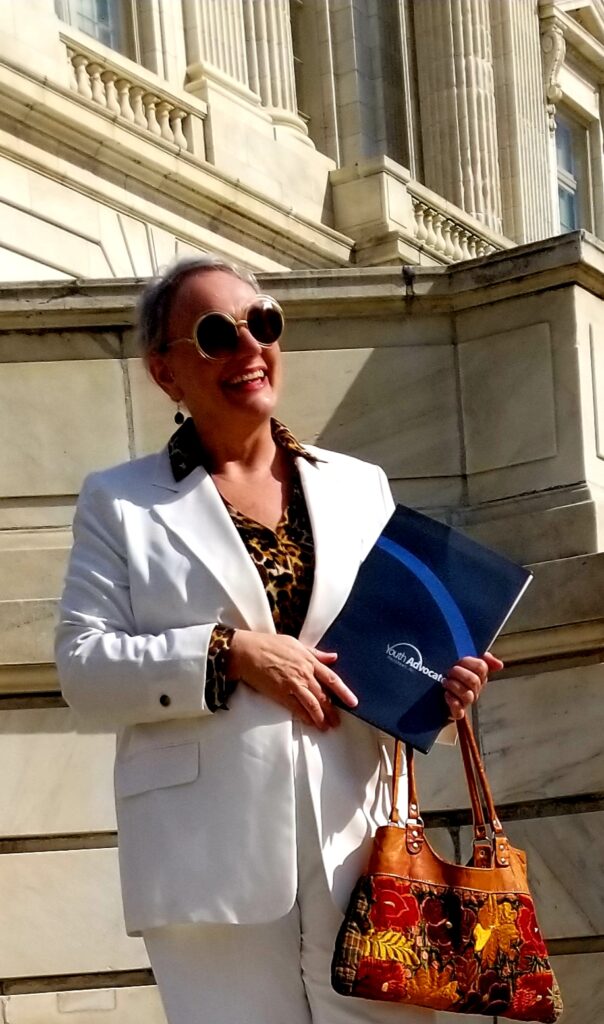
Phaedra Anderson is a minister, advocate for homeless women and children, and writer.

With the help of her Advocate, Anderson finished high school on time by going to summer school, night school and attending school during the day. Anderson said after completing the YAP program, she went to college, but struggled in early adulthood, before finally settling down and leaving her past behind her.

“I did go to college but then I found myself right back in the street life and I was in the same environment,” she added. “I was selling drugs. I was involved in shootouts. I was throwing my life a way. The last shootout I was involved in, I decided would be my last.”

Anderson said during that time, some of her friends ended up stripping, prostituting, selling drugs or have been in-and-out of prison. Anderson, now 47, is a minister, advocate for homeless women and children, and writer; is thankful for another chance.

“I get to speak to young girls about making the right decisions. I am what I didn’t have as a young woman and little girl,” Anderson said. “I wouldn’t have had the ability to change my life around had I been punished differently. I am not the person that I was then. I am not that person now.”

Anderson said it takes a village to support youth and she owes a lot to her YAP Advocate as well as the judge who reduced her charges.

“I am grateful and thankful that this program is still going strong,” she said about YAP. “YAP truly blessed my heart. If I could tell young girls anything, it’s that if you make a mistake try to make it in pencil and not pen. Be mindful of the influences around you and find God early.”

For more information on YAP, visit yapinc.org.

Guided by Unconditional Caring and Support, Youth Advocate Programs Staff See Remarkable Progress with Youth Facing Life’s Toughest Challenges

0

Sedgwick County, Kansas – Refusing to speak and behind in her schoolwork – it wasn’t until the third time that former program participant Andrea was connected to Youth Advocate Programs (YAP™), Inc. in Sedgwick County, Kansas – that she opened up and began to flourish.

Andrea is one of approximately 20 youth in the youth justice program and one of two who were child welfare participants assigned to YAP as an alternative to group home placement. Many of the young people are homeless, couch surfing or even sleeping in social services offices.

Kansas Program Director Vanessa Alexander said Andrea started out rebellious, refusing to speak to staff and was behind academically.

“However, with patience and persistence, YAP staff were able to start bringing Andrea out of her shell,” Alexander said. “Within 30 days, Andrea was engaging and meeting her hours. Within 60 days, Andrea was assigned to a YAP Supported Work site where she amazed her foster care team, probation officer, and YAP workers with her strong work ethic and performance on the job. Within 90 days, YAP had helped identify a kinship placement for Andrea, who had been ‘bouncing’ from place to place daily within the foster system, carrying everything she owned in backpacks everywhere she went. We are excited to see where this youth who came to YAP lost, homeless and hopeless, goes in the future.”

She was paired with YAP Administrative Manager Debra Arnett who served as her Advocate who was patient with her and eventually gained her trust. It took 30 days before she opened up, Arnett recalls.

“Andrea just flat out refused services before,” Arnett said in reference to the first two times she was referred to YAP. “I think some of it this time around is that she’s just tired and really wants help. Her biggest barrier has been trust. She’s been in foster care since she was 4 years-old. People always promised her things that they didn’t deliver.”

However, Arnett was able to deliver, by offering YAP’s wraparound services – known as YAPWrap™ support – and care to Andrea by letting her know she was safe with her. YAP’s evidence-based model is centered in delivering culturally and linguistically responsive services by hiring neighborhood-based Advocates and mobile behavioral health professionals trained in empowering young people with tools to see and nurture their strengths.

Since August, Arnett has been Andrea’s YAP neighborhood based-Advocate who supports her with individualized economic, emotional and educational tools to help set her on a path to success.

YAP is a national nonprofit in 35 states and Washington, D.C. that provides community based alternatives to youth incarceration, residential care, and group home foster placements. The agency partners with public systems to provide community-based and behavioral health services as an alternative to out-of-home placement. YAP also uses its unique wraparound services approach to help cities curb community violence.

“In the past [Andrea] was combative and aggressive. I’ve been working with her and I had faith in her. I think that is where I got Andrea to open up,” Arnett said. “She didn’t really take care of herself and looked depressed. Once we started engaging, she started doing her hair and her nails. She did that on her own.”

The 18 year-old is also doing well in school and is on track to graduate in December. She works at a movie theater taking tickets, at the concession stand, and helping to clean up, thanks to YAP Supported Work, a YAP service where program participants are matched with employers close to home in fields that align with their interests and strengths. The hope is that the paid employment turns into a permanent job.

“When she first started working there she was good at all aspects of her job but was closed off to customers,” Arnett said. “Now they say she’s come out of her shell and is amazing at her job. We have not had one issue with her.”

Arnett, a former social worker, couldn’t be happier to see Andrea become confident and hopeful.

“In other jobs you plant seeds and you don’t always get to see the benefits of it,” she said, adding, “but with YAP you get to see the fruits of your labor. At YAP you get to plant the seeds and get to see them grow. You get to meet kids where they are.”

To learn more about YAP, visit yapinc.org or follow the organization on X at @YAPInc.

YAP Fellow Believes Unique U.S. Alternative-to-Youth Incarceration Model Can Strengthen Youth and Family Services in Trinidad and Tobago

0

Cook County, Ill. – Hoping to be a part of the solution in helping youth and families and reduce crime in his home country, Justin Jarvis took a fellowship with Youth Advocate Programs (YAP™), Inc., in Chicago where he is learning what makes the nearly 50 year-old organization unique.

“If we could adopt and implement some of YAP’s policies, I could guarantee that my country would see a decrease in youth crimes and incarceration,” Jarvis, 28, said. “There is no program like YAP in my country.”

YAP is a national nonprofit in 35 states and the District of Columbia with an international footprint that delivers community-based services as an alternative to youth incarceration, residential care, and neighborhood violence.

YAP fellow Justin Jarvis.

Jarvis has been working alongside Chicago’s youth justice and violence intervention programs where YAP Advocates and outreach workers are trained to empower program participants to see their strengths while connecting them and their families to wraparound services known as YAPWrap™ that include individualized educational, economic, and emotional tools to help them achieve their goals.

Jarvis, a Trinidad and Tobago native, has been in the Windy City since August and will stay until December through an exchange program with IREX Community Solutions, a professional development initiative that enhances leaders ages 26-39 with additional skills to address social, environmental, political and other issues in their local communities. The Community Solutions Program is sponsored by the U.S. Department of State with funding provided by the U.S. Government and supported in its implementation by IREX.

“I love the wraparound approach,” Jarvis said. “The mere fact that you are engaging not just the individual, but also their families, and to an extent their community too; is a good thing. I come from a small nation. We came up on the term that ‘it takes a village to raise a child.’ The entire community is that family. I like seeing that concept at YAP.”

By providing unbiased support, Jarvis said he has seen YAP staff provide program participants with unconditional love and caring by showing up to their court dates, athletic or other school activities, and being available for youth whenever they are needed.

“YAP Advocates invest their time and resources in young people,” Jarvis said, adding, “people are taking time from their lives to help others. That shows compassion and unselfish love. I have seen how staff go above and beyond to support young people.”

Jarvis said there are not many opportunities for youth in Trinidad and Tobago and jobs are scarce.

“Because there are no productive avenues for youth most of them become repeat offenders,” he added. “In my country resources are limited and we do not have many options for young people once they come out of high school. Careers are also limited.”

As a human rights, social, and environmental activist and someone who is active in his community, Jarvis said he can relate to young people who may have challenges or sometimes feel depressed. In 2019, he was diagnosed with vasculitis, a condition that causes white blood vessels to become inflamed or damaged. Ultimately it led to the amputation of his legs in order to save this life.

It took almost two months to receive his prosthetic legs. The experience led Jarvis to start his own organization – Foundation for the Differently Abled and Underprivileged Persons- with his family and friends to help others who may be going through the similar things.

“My family is not perfect, but unless you have a strong support system things can get tough,” said Jarvis who enjoys reading, singing and watching YouTube videos. “Every day is a new day for betterment, for growth and development. Even if you feel like you are stuck in one place. Allow yourself to feel what you feel, but don’t get stuck in it for too long.”

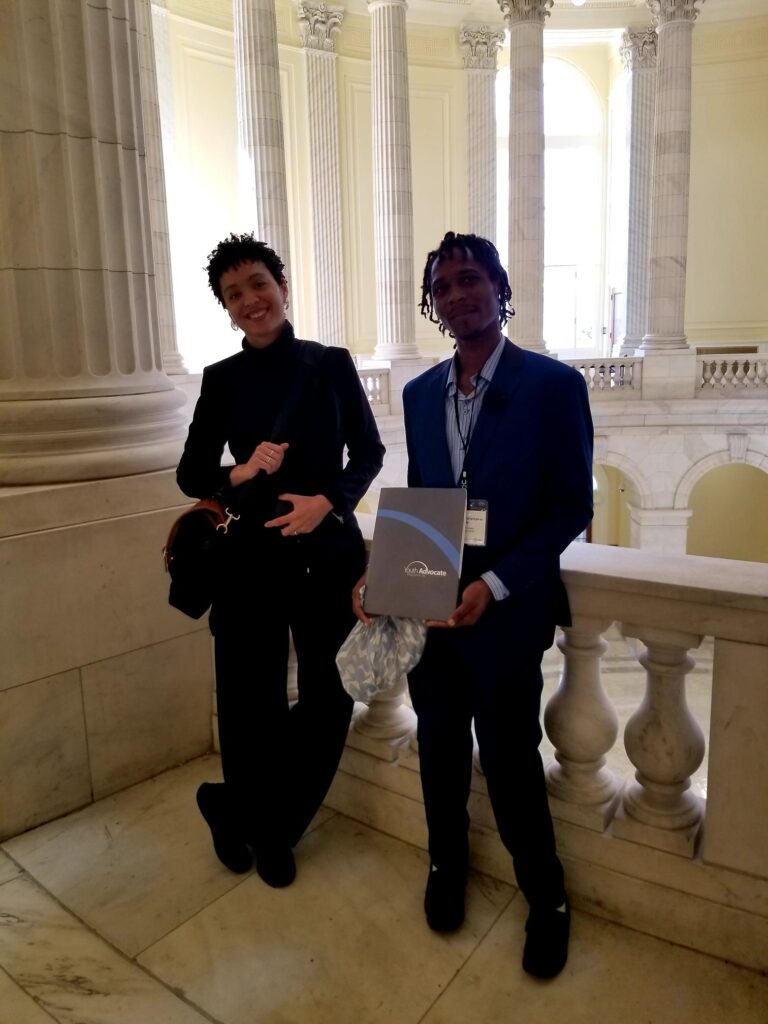
While in the U.S., Jarvis has had a myriad of experiences. At the end of September, he joined YAP leaders and board members on Capitol Hill in Washington, D.C. during the organization’s first Hill Day to raise awareness of and advocate for the nonprofit’s programs. YAP Regional Director E’Ron Leveston and Diana Matteson, YAP Director of International Development were also in attendance, both of whom he’s worked closely with since arriving in Chicago.

YAP Regional Director E’Ron Leveston and fellow Justin Jarvis.

“Justin has an undeniable passion for youth in underserved communities. He has taken a special interest in learning some of the youths’ backgrounds and has worked to connect with them by learning their stories,” Leveston said. “During my time with him in Washington, D.C. at Hill Day, Justin shared his personal story and it was evident how invested and determined he was to affect change. I believe he will use his experience with YAP to do great things in Trinidad and Tobago.”

Matteson said Jarvis is a joy to know and learn from.

“Justin has not just made a favorable impression on the YAP Chicago team and national YAP leaders, he has created a community with YAP global leaders, sharing his unique perspective and adding to our YAP global knowledge base,” she said. “I look forward to working with Justin on how the YAP model can be introduced in Trinidad to strengthen communities, families, and young people.”

Jarvis’ ultimate goal is to return home and help to implement a program similar to YAP through governmental support or partnerships with other organizations.

YAP Director of International Development Diana Matteson.

“If we could adapt and implement some of YAP’s policies I could guarantee that my country would see a decrease in youth crimes and incarceration,” he added. “I got connected to YAP to learn about its programs, policies and opportunities. If I am able to help start this at home, it would be the first YAP in the Caribbean. It is something that has a lot of potential and young people can benefit from it.”

For more information on YAP, visit yapinc.org or follow YAP on X @YAPInc.

Youth Advocate Programs Helps Justice-Involved Youth Reenter Oregon Communities

0

Multnomah County, Ore. – Since early February, Youth Advocate Programs (YAP™), Inc. program participant “Dee” says he’s seen a difference in his behavior.

“There were a lot of times when I felt like giving up,” the 18 year-old Multnomah County, Oregon youth said. “I was suffering and hurting. YAP helped me with my struggles; my anger issues, and [with] trying to succeed as a person. I needed help with motivating myself. YAP was there to pick me up and I am grateful. YAP is something else.”

A national nonprofit in 35 states and Washington, D.C., YAP reduces the nation’s overreliance on youth incarceration, residential care, and group home foster placements. YAP partners with public systems to provide community-based and behavioral health services as an alternative to out-of-home placement. In Oregon, since 2024, the agency partners with the Oregon Youth Authority to serve young people in various counties throughout Oregon between the ages of 12-24. The program has four Advocates.

Dee is one of 12 program participants in the YAP Multnomah County youth justice program where youth are paired with a neighborhood-based Advocate who supports them and their families with individualized economic, emotional and education wraparound tools.

Dee said prior to joining the program he was doing drugs and thought about revenge to those who wronged him. He said his Advocate helped him understand that his actions have consequences, which motivated him to make better decisions.

“I thought vengeance was the answer to everything. I didn’t trust anyone,” he said. “I didn’t want to open up to anyone. I thought it was my life and I could do anything I wanted until I offended. There are consequences and I had to learn that.

YAP Multnomah County, Oregon Program Director Will Hall has seen a positive difference in Dee whom he knew before he became involved in the program.

“He’s very open, you can tell he has a really good sense of humor,” Hall said.  “Dee is a good kid with a bright future who just needed some direction and I think he will do a great job with anything he wants to do with his life.”

Hall, who was doing probation work before joining YAP, said helping youth and families in his community has been fulfilling to him.

Advocate Eddie Bynum, who is not Dee’s Advocate but works with four youth in the program, said working with youth like Dee gives him purpose. Bynum said like many of the youth he and his fellow YAP Advocates work with, he was previously involved in gang culture and turned his life around.

“I was getting in trouble as a youth and once I hit 18, I ended up going to prison,” Bynum said. “If you don’t correct yourself as a kid, when you turn 18, they start treating you as a grown man. That’s why it’s important to reach youth. We have to be a voice for them.”

As an Advocate, Bynum visits program participants two to three times a week and can relate to the experiences they have been through. A California native who relocated to Oregon, advocating for young people has become an important part of his personal mission.

“A lot of what I do is trying to get them to understand what is required of them to be able to be back in the community,” Bynum added. “I am really talking to them, trying to help and sharing my experiences of going through the juvenile justice system when I was their age.”

Hall said Bynum has a great way with kids and is a beneficial asset to YAP and their community. He gives credit to all his Advocates and Dee’s who has helped him create a disciplined habit of going to the gym and working out throughout the week.

“Mr. Hall and my Advocate have been there for me,” Dee added. “They helped me with college and I’m about to get my permit and start driving. They’ve helped me a lot mentally more than anything else. There were a lot of times I felt like giving up but they would call me to get me out of my funk.”

John Jay College of Criminal Justice research found 86% of YAP’s youth justice participants remain arrest-free, and six – 12 months after completing the program, nearly 90% of the youth still lived in their communities with less than 5% of participants in secure placement.

Dee starts classes at a local community college at the end of September and will complete the program before the year ends.

For more information on YAP, visit yapinc.org.

With Help From YAP, Horses Help 15-Year-Old Smith Heal and Grow

0

Charlotte, N.C. – Once a week for two hours 15 year-old Smith visits Shining Hope Farms for equine skills groups where he has been learning how to take care of horses and better control his emotions.

“I am feeling down sometimes until I see and touch the horses,” Smith said. “When I’m around them I don’t have to think about what I usually think about. Instead, I think about the horses, what I can do to help the horses and how the horses help me.”

Smith during his weekly session at Shining Hope Farms.

Smith is one of 20 program participants in the Youth Advocate Programs (YAP™), Inc. Mecklenburg County Youth Justice Program and among six who are provided wraparound equine skills group through the generosity of the horse farm. In 35 states and Washington, D.C., YAP is a national nonprofit provider of community-based services that reduce the nation’s over reliance on youth incarceration and residential placements and also works with cities to help reduce neighborhood violence.

YAP empowers program participants by helping them see their strengths and connecting them and their families with individualized tools to meet their economic, educational, and emotional goals. Guided by the nonprofit’s “no-reject, no-eject” policy, YAP’s decades of service include working with many young people whose histories include serious offenses, multiple arrests, and lengthy out-of-home placements.

Smith has been in the program since March and was referred to YAP through the juvenile justice system after going down the wrong path; but since he’s been working with Shining Hope Farms he has gained confidence, trust and responsibility.

YAP Mecklenburg County Program Director Hope Knuckles-Perks looks on as Smith learns how to ride a horse.

“These activities and engagement also assist with social skills and development along with patience and anger management,” said YAP Mecklenburg County Program Director Hope Knuckles-Perks. “Smith has overcome his fear of horses and in this specific situation, it has helped retrain his brain to develop a more positive association with whatever has been triggering his fear.”

Smith was paired with two Advocates, Donta’ Fuller and Keri Thompson, both of whom spent time with him and picked him up from home and took him to the farm.

“Mr. Keri is different. I can talk to him and he knows what I’ve been through. He is trying to help me get a job. I needed someone to talk to, to keep me out of trouble. He understands me,” Smith said. “And if it wasn’t for Mr. Donta’ and his push for me to try new and different things, I would not have completed the horse lessons or explored other things.”

Thompson said he wants youth to know that their situation is not the end and that there is a lot more out there that they can do, see, and can explore.

Smith.

“Things like the horse farm are things that we try to do with program participants such as equestrian therapy, cooking classes, the cycling program,” Thompson said. “There are several programs that we try to involve our young men in to help them reach their greatest potential. We want them to be pointed in the right direction and influenced in the right way.”

Since the YAP Mecklenburg County Youth Justice Program started in 2019, it has helped approximately 135 young people and their families. According to John Jay College of Criminal Justice research found 86% of YAP’s youth justice participants remain arrest free, and six – 12 months after completing the program, nearly 90% of the youth still lived in their communities with less than 5% of participants in secure placement.

In addition to his dad, Smith knows he can depend on YAP.

YAP Mecklenburg County Program Director Hope Knuckles-Perks.

“By building those relationships and connections in a different way and being that voice for my families is what it’s all about. I’ve always wanted to give back and help people,” Knuckles-Perks added. “I see Smith coming out of his shell and I am honored to be part of his village.”

Smith has started learning how to ride horses and hopes to learn even more over the next couple of months he has left in the program.

“If I need something, she is there,” Smith said of Knuckles-Perks. “If I need someone to talk to, she is there. I can rely on her. I want to keep going with the program, I like working at the farm.”

For more information on YAP, visit yapinc.org.

Youth Advocate Programs™ (YAP™) Leaders and Board Members Pursue Congressional Support

0

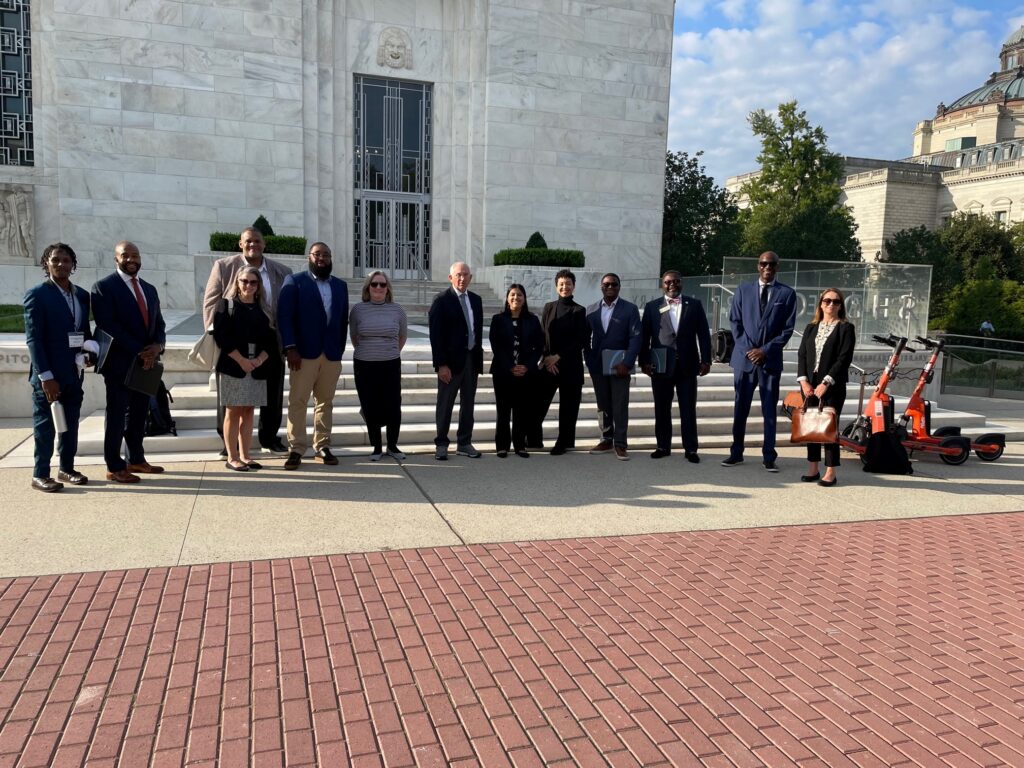
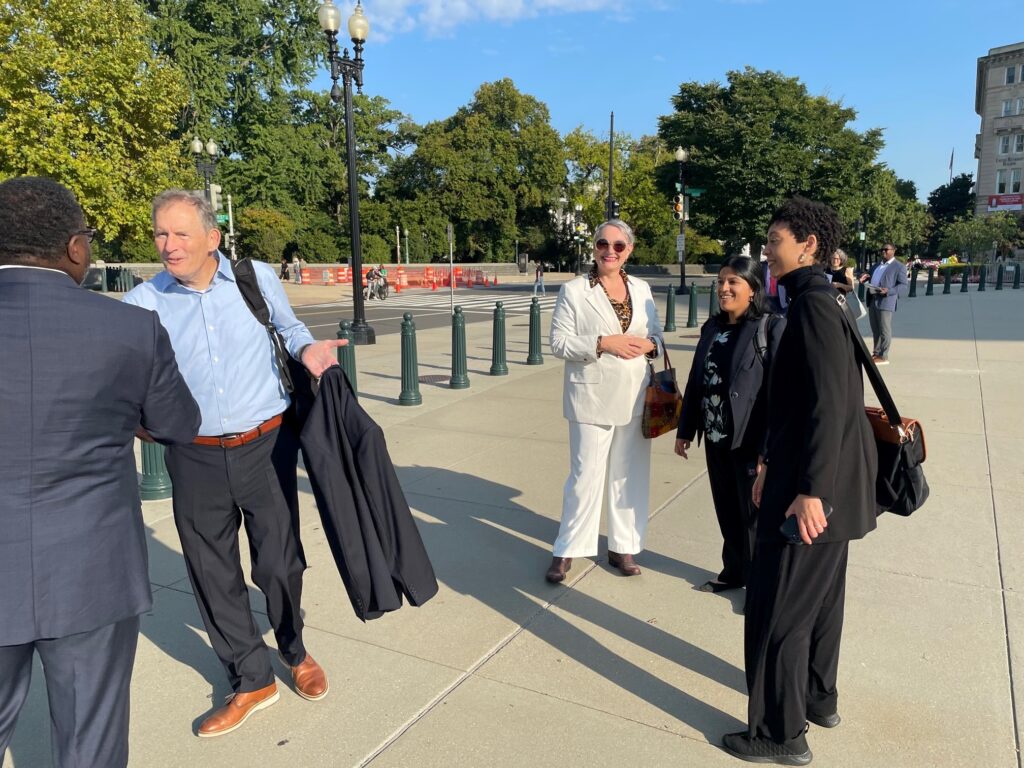
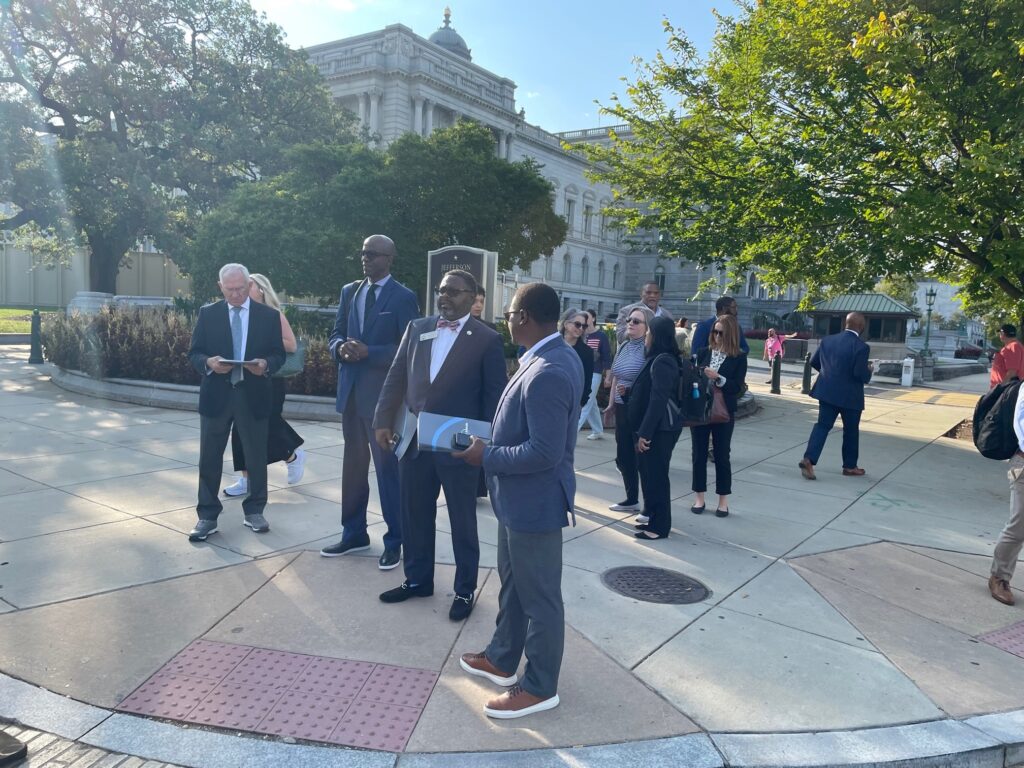
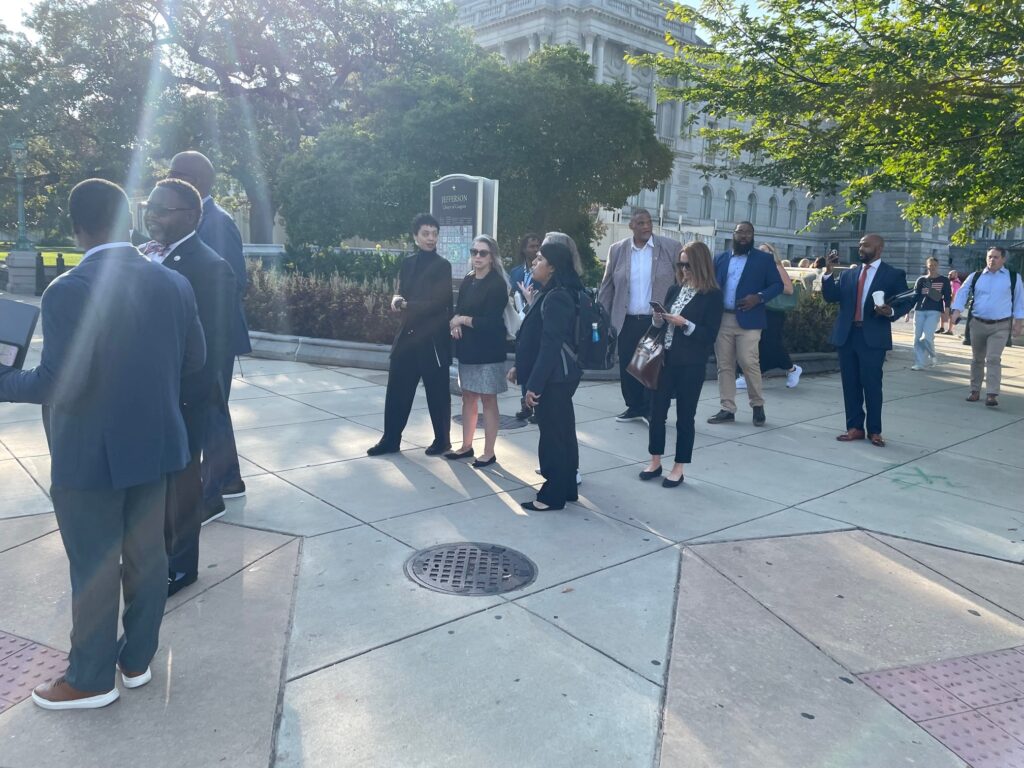
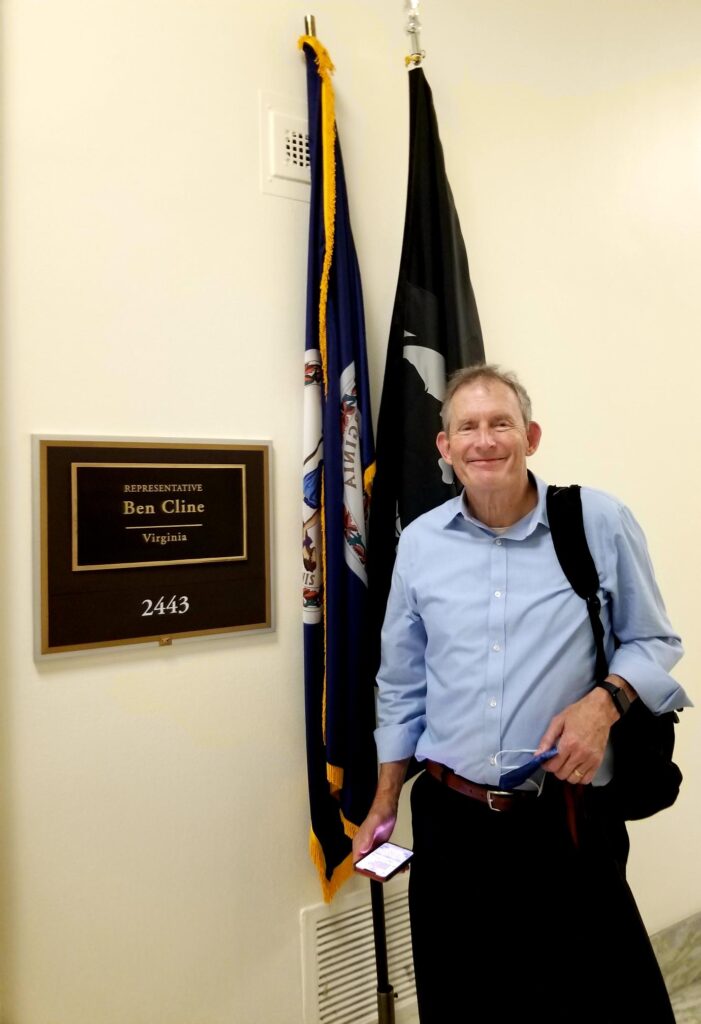
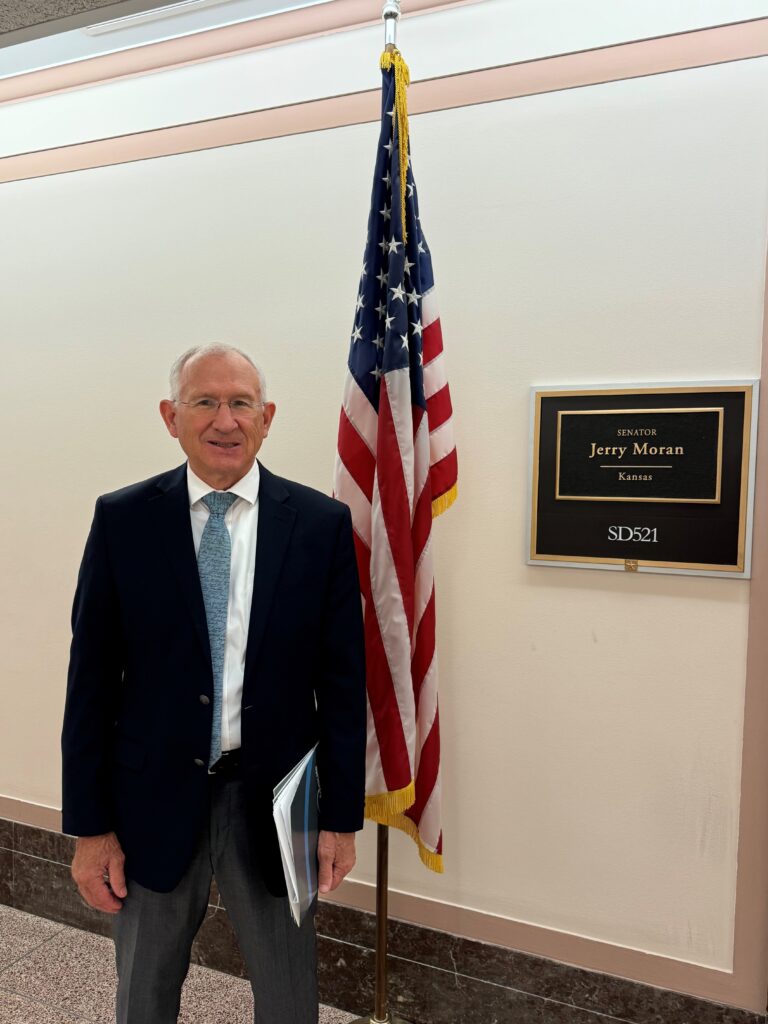
Youth Advocate Programs (YAP), Inc. leaders and board members took to Capitol Hill this month for the organization’s first Hill Day to raise awareness of and advocate for the nonprofit’s programs.

“We met with over 40 staffers for both the House and Senate. We met with both Democrats and Republicans. We will continue to do a Hill Day every year,” said YAP President and CEO Gary Ivory. “Now, we need to do the follow up and invite them to visit our local programs.”

Founded in 1975, YAP delivers safe, effective and economical community-based wraparound and behavioral health services as an alternative to youth incarceration, child welfare group homes, psychiatric treatment facilities and other out-of-home placements. The national nonprofit partners with youth justice, child welfare, education, behavioral health, and other systems in communities in 35 states and Washington, D.C. The evidence-based YAP youth and family wraparound services model has also been effective in helping cities curb neighborhood violence.

YAP Vice President of Policy and Government Affairs Tim Ragland coordinated the advocacy day with support from Jenny Collier and her team at Collier Collective.

“I want to extend my heartfelt thanks for your participation in YAP’s Hill Day and for the time, energy, and passion you dedicated to advocating on behalf of our mission,” Ragland said to the YAP Hill Day team. “Your efforts are instrumental in helping us build relationships with lawmakers and further our work to serve youth, families, and communities across the country.”

YAP Board Chair GA State Rep. Teddy Reese and fellow board members Thomas Foster, Husnah Khan, Stephen Ward and Heather Wenzel, joined YAP President and CEO Gary Ivory and fellow YAP leaders Fred Fogg, Chantal Jones, E’Ron Leveston, Diana Matteson, Linda Randby, David R. Williams, Kelly Williams and Justin Jarvis, a YAP IREX Community Solutions Program fellow from Trinidad & Tobago.

In addition to sharing success stories, the YAP Hill Day team had some specific policy requests, including that Congress reauthorize the Juvenile Justice and Delinquency Prevention Act (JJDPA). The JJDPA provides federal-state partnership standards for justice-involved youth while also upholding the interest of community safety. The act established the National Office of Juvenile Justice and Delinquency Prevention, which provides training, technical assistance, model programs, and research and evaluation of programs.

YAP is also requesting that Members of Congress include YAP as a recipient of Congressionally Directed Spending in their states to create new programs that incorporate its services. The nonprofit’s Hill Day team also asked for continued support for Community Violence Intervention Programs which the nonprofit operates in cities across the U.S.

Learn more about YAP’s services at yapinc.org.

Youth Advocate Programs’ Barbering and Dress for Success Projects Set Youth Up for Success

0

By John Kirtley

YAP Clark County Assistant Director

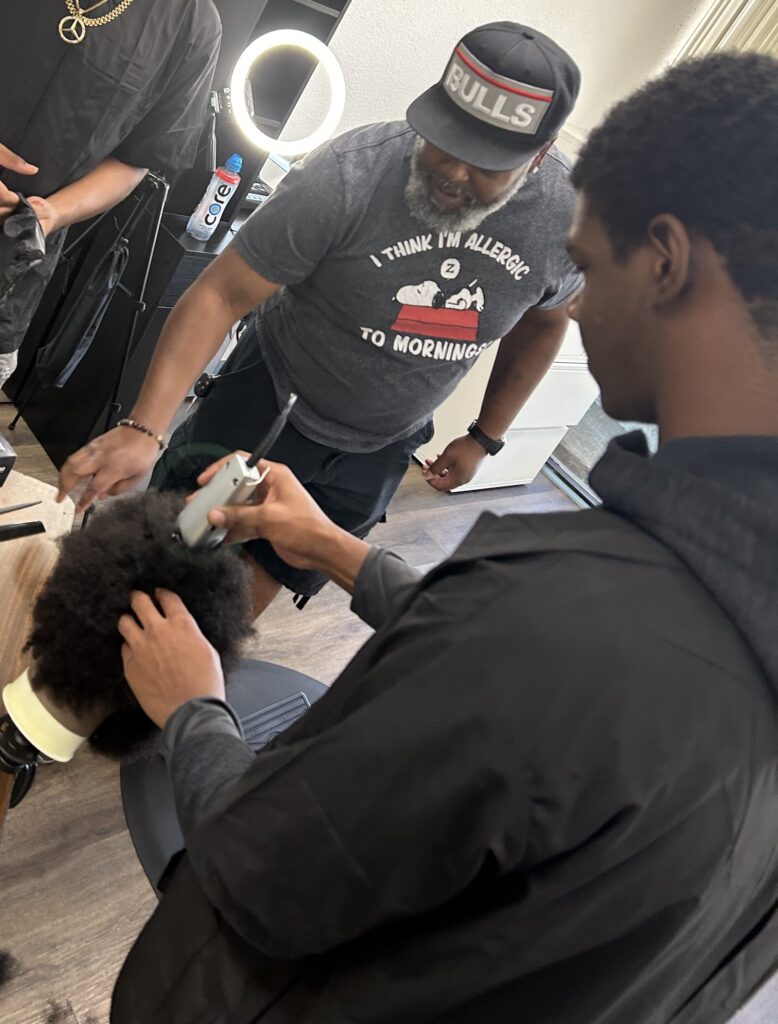
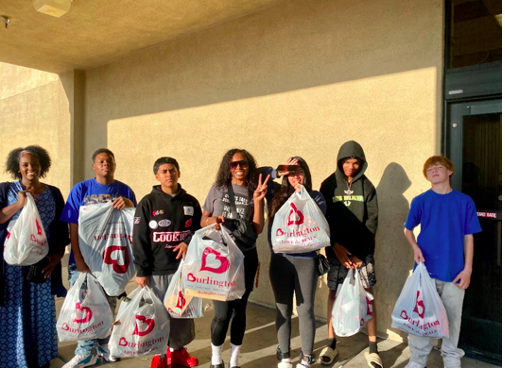
Las Vegas, Nev. – Clark County Youth Advocate Programs (YAP™), Inc. program participants were able to learn a variety of hair styling services and shop for business attire through the organization’s Barber 101 and its Dress for Success programs thanks to the generosity of a $31,000 Social Justice Club grant from the Raiders Foundation.

YAP Clark County, Nev. Advocate Gordon Sullivan (top) is a barber who helped lead the program. Assistant Director John Kirtley (bottom) received a haircut.

YAP is a national nonprofit in 35 states and the District of Columbia that partners with youth justice, child welfare and other systems to provide services in homes, schools, and neighborhoods as an alternative to incarceration and residential care. Locally, in Las Vegas, some of the youths have experienced serious trauma, including sexual exploitation.

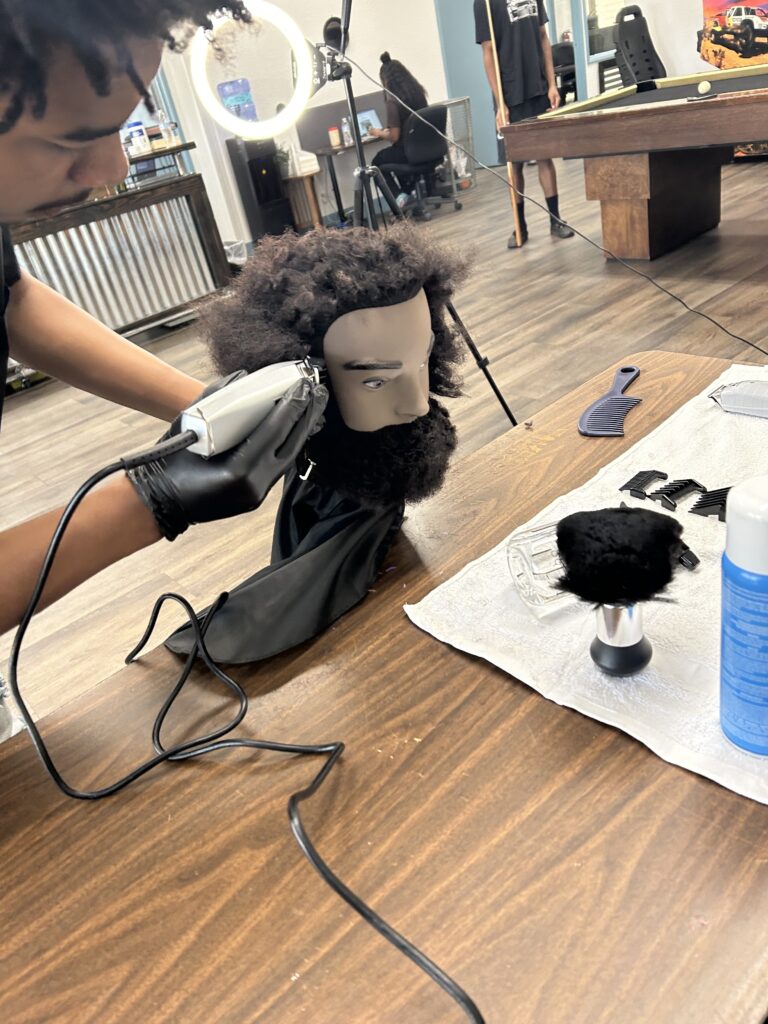
“The Barber 101 program is more than just an introductory course in barbering; it encompasses a holistic approach to youth development,” said YAP Clark County Assistant Director John Kirtley. “Barber 101 has created meaningful pathways for youth, helping them gain practical skills while fostering personal development. The program’s impact extends beyond technical training, as it empowers young individuals to navigate their futures with confidence and competence.”

The Barber 101 program provides practical, real-world experience and fosters a supportive learning environment for youth who are interested in the cosmetology field. The initiative is designed to provide program participants with a comprehensive introduction to the field of barbering while equipping them with essential life skills and professional development. The Dress for Success initiative provides program participants with an opportunity to obtain clothing at a local department store that they can wear for job interviews or professional events.

YAP Advocate Gordon Sullivan is a barber who helped lead the program. Lead Advocate Krishinda McLendon, a former Raider cheerleader, helped direct the Dress for Success project. McLendon also supports program participants through career coaching.

“Dress for Success not only equips youth with the necessary attire but also fosters a sense of confidence and readiness as they enter the workforce,” Kirtley said. “The event’s impact goes beyond providing clothing; it empowers young individuals to present themselves professionally and seize opportunities with greater self-assurance.”

YAP Clark County’s Dress for Success project took program participants shopping for interview and job attire.

In 2023, YAP was awarded the Social Justice Grant to support unique workforce development, educational, social, and basic needs of justice-involved youth in 2023. Through the grant, the Raiders Foundation partners with social justice nonprofits that work to reduce barriers to opportunity.

Overall grant funds awarded to YAP went toward Supported work, a program where YAP partners with local businesses who agree to provide employment for program participants with YAP providing the paycheck to youths; in addition to youths’ participation fees for school sports, local clubs, gyms, and other prosocial activities that foster healthy social outlets through peer engagement, relationship building and physical activity.

Below are some stories of youth who either participated in the Barber 101 program and/or who benefited from the Dress for Success event. YAP is using the first and last initials of program participants to protect their identities.

  • Through essential workforce development resources, K.H. secured interview attire/work clothes and obtained employment, marking a significant step toward financial independence. K.H. is actively participating in the Barber 101 program but his aspirations extend beyond that. K.H. is interested in pursuing a career in cybersecurity and is considering the possibility of joining the military to further his goals.
  • By obtaining job interview attire, J.D. was able to gain employment which provided him with financial stability, and also gave J.D. valuable work experience; in addition to a sense of purpose. He will also be able to assist in paying off fees for court and completing probation.
  • E.H. had previously attended a barbering class, showcasing his willingness to explore new opportunities. The oldest of five siblings, he enrolled in traditional school in pursuit of his diploma. Through determination and the support of various programs, E.H. has been able to balance his familial responsibilities while pursuing new opportunities and trying to get off probation. His journey is a testament to the power of resilience and the impact of targeted support in helping young individuals transform their lives and build a brighter future.
  • R.H. quickly became an integral part of the community, demonstrating his commitment by actively assisting in the setup of the Barber 101 program. Despite facing challenges, including probation, R.H. has focused on leveraging his skills and opportunities to forge a positive path forward. He is currently in high school where he excels in Advanced Placement (AP) classes and even started his own clothing resale business.
  • With the support from his YAP Advocate, A.T. secured interview clothes, employment, and bus passes to facilitate his commute to work and school. He is actively engaged in the Barber 101 program, gaining valuable skills and contributing to his personal and professional development. In addition to his current endeavors, A.T. has aspirations that extend beyond barbering. He dreams of playing football and plans to obtain a CDL (Commercial Driver’s License) upon graduation to expand his career opportunities. Although he is on probation, A.T. has focused on leveraging available support to stay on track and pursue his goals with determination.

For more information on YAP, visit yapinc.org.

Aaliyah Turned Her New Jersey Community Anti-Violence Program Summer Job Into Long-term Employment

0

New Brunswick, N.J. – A year ago, 16-year-old Aaliyah was identified as being among the state’s youth at the highest risk — as a victim or perpetrator — for engaging in violence. With support from Youth Advocate Programs (YAP™), Inc. Middlesex County, New Jersey’s Community Anti-Violence (CAVP) program, she has boosted her confidence, landed a full-time job, and sees her life headed in a positive direction.

“I went through some traumatic events that I just recently got out of maybe four or five years ago,” Aaliyah said.


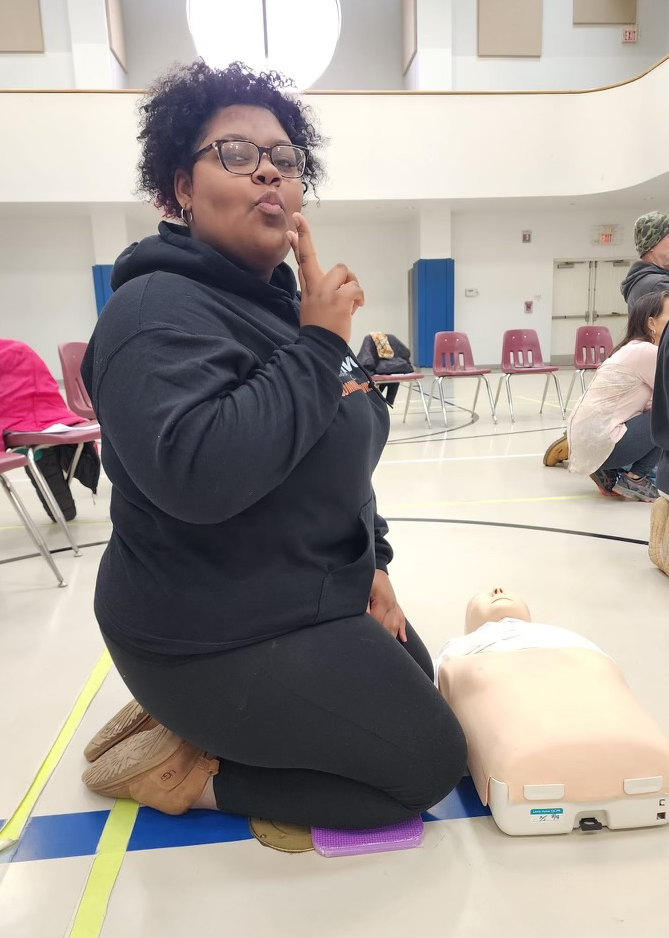
Aaliyah during CPR training.

As part of the CAVP program, Aaliyah was placed in a YAP Supported Work job at Mr. Subs™ sandwich shop. YAP Supported work partners are local businesses that agree to provide employment for program participants with the youths receiving paychecks for their work from YAP. This aspect of YAP’s wraparound services model helps youth see that they are employable and helps them build their skills, professional and community relationships, and resumes. YAP matches youth with employers based on their individualized needs and interests.

“The job has really helped me out of a lot,” Aaliyah said. “Not only in terms of responsibility but made me feel really comfortable and welcome.”

Recently, with Aaliyah’s time in the program coming to an end, Mr. Subs™ brought her on as a permanent employee. The high school junior now works three times a week after school making sandwiches and cashiering.

In 35 states and Washington, D.C., YAP is the nation’s leading nonprofit provider of community-based services that reduce the nation’s over reliance on youth incarceration and residential placements. The young people YAP serves are referred through youth justice, child welfare, developmental disabilities, education, and other public systems. YAP’s neighborhood-based Advocates empower program participants by helping them see their strengths and connecting them and their parents, guardians and other family members with individualized tools to meet their economic, educational, and emotional goals.

Aaliyah has been in the program for approximately five months.

“My Advocate didn’t sugar coat anything. She wasn’t harsh with what she said. She is like a mother figure to me.”

YAP Middlesex County Assistant CAVP Director Abel Mims said staff felt confident in placing Aaliyah with the restaurant, a fast-paced space where she could interact with customers. He said for program participants to take part in Supported Work they must consistently attend classes and pass all of them with a minimum of C or higher, show improved behavior with their Advocate and at home, and show up to their scheduled outings with their Advocates.

“At the beginning of services Aaliyah struggled in some of these areas, however; she was always positive, had a great attitude, and was willing to receive correction doing her part to fulfill the requirements,” Mims said. “Aaliyah is a very outgoing young woman who is very mature for her age. We sought to place her in a fast-paced working environment where she could use these qualities to her own advantage and hone her potential leadership qualities.”

Aaliyah said her Advocate has been through the same things she has and that she has a really good connection with her.

Aaliyah will be discharged from the program soon. She said she’s more social now and that working at Mr. Subs™ has helped her feel more confident. 

“I got to keep my position at the job,” Aaliyah said, which was her goal. “It’s more like a family there. It’s such a comfortable environment.”

Mims said YAP Middlesex County staff is thrilled about Aaliyah’s progress and all of her accomplishments.

“We are very proud to say that Aaliyah really shined in this position, contributed to their team , gained much needed professional skills, and has left a long-lasting impact on that Supported Work site,” Mims added.

For more information on YAP, visit yapinc.org.
At 17, Caden Works to Turn His Life Around and Make His Loved Ones Proud

0

Lexington, Kentucky — A year ago, Caden would never have imagined that he’d be where he is today — looking forward to graduating high school next spring, taking the commercial driver’s license exam, and making his mother proud.

He thanks Youth Advocate Programs (YAP), Inc. for giving him tools to turn his life around. In its pre-50th anniversary year, YAP is a national nonprofit in 35 states and the District of Columbia that partners with youth justice, child welfare, education, behavioral health, and other systems to deliver safe and effective community-based services as an alternative to youth incarceration and residential care.

Now 17, Caden said the past five years have been a challenge.

“I was a wild child,” he said. “I was locked up several times.”

Caden said as a little kid, he loved school. But by his twelfth birthday, things had begun to fall apart.

“I was called names,” Caden said, adding that the bullying got so bad that he began refusing to go to school.

At home in a rural Kentucky community with his mother and older sister, things were also tough. His father was away in prison and making ends meet was not easy.

Caden felt there was no relief.

 “When I would get back on track, the teachers would piss me off. They hated me,” he said.

He recalls only one glimmer of hope.

“There was this one teacher my 8th grade year, she saw potential. She didn’t want me to get in trouble.”

But it wasn’t enough. Eventually, Caden was in the youth justice system. Truancy was a reoccurring charge.

By the end of his 10th grade year, he was on house arrest, wearing an ankle bracelet, often angry and turning to substance use to feel better.

I was smoking pot every day whenever I had the chance, Caden said.

One morning in summer of 2023, he woke up in a Juvenile Detention Facility with no memory of how he got there or what happened leading up to it.

he said meeting with his lawyer later that morning, he learned he was facing charges of drug induced assault and terroristic threats.

YAP Fayette County, Ky Advocate Jennifer Locker and Caden.

Still on the ankle monitor from his earlier truancy charge, he returned home with a January court date for the new charges. The ankle monitor came off in September, but by November, he received a contempt of court charge, again, for truancy, and was sent back to the detention facility.

He said in January, a judge put him on probation and referred him to YAP, a decision that Caden said changed his life.

YAP paired him with Advocate Jennifer Locker who had been on the job for about a month and had recently received her training in the YAPWrap™ youth and family wraparound services model. The unique no-reject; no-eject model centers on hiring culturally relevant, mostly neighborhood-based staff Advocates who empower program participants to see and nurture their strengths. Advocates guide youth and their parents, guardians, and other family members to develop individualized service plans and connect them to accessible tools to help put their lives on a positive path.

“At first, Caden was going to school maybe once a week,” Locker said.

While spending time with the family, Locker came to appreciate the importance of basic needs in firming a youth’s foundation. She connected them to local food, clothing, and utility support services and drove them to court and other important appointments.

“I’d pick him up and take him to school,” she said, adding that she did everything in her power to remove barriers to his progress. “I’d also wash his clothes,” she said.

Unconditional caring is central to the YAP model.

“You have to experience something in your own life to have that kind of compassion,” Locker said. It’s not in my genetic DNA to walk by someone without caring.”

Caden’s school attendance picked up and Locker said his participation in YAP activities was remarkable.

“He never missed one appointment,” she said, referring to Peaceful Alternatives to Tough Situations (PATTS) conflict resolution sessions and classes that focus on cooking, laundry, applying for jobs or college, and other life skills.

A few months after working with Caden, Locker introduced him to Jacob Charlton, the YAP Advocate who would begin working with him when her job responsibilities expanded. Like Locker, Charlton came to YAP with a desire for meaningful work.

“I wanted something different than factory work. I wanted to help people,” he said.

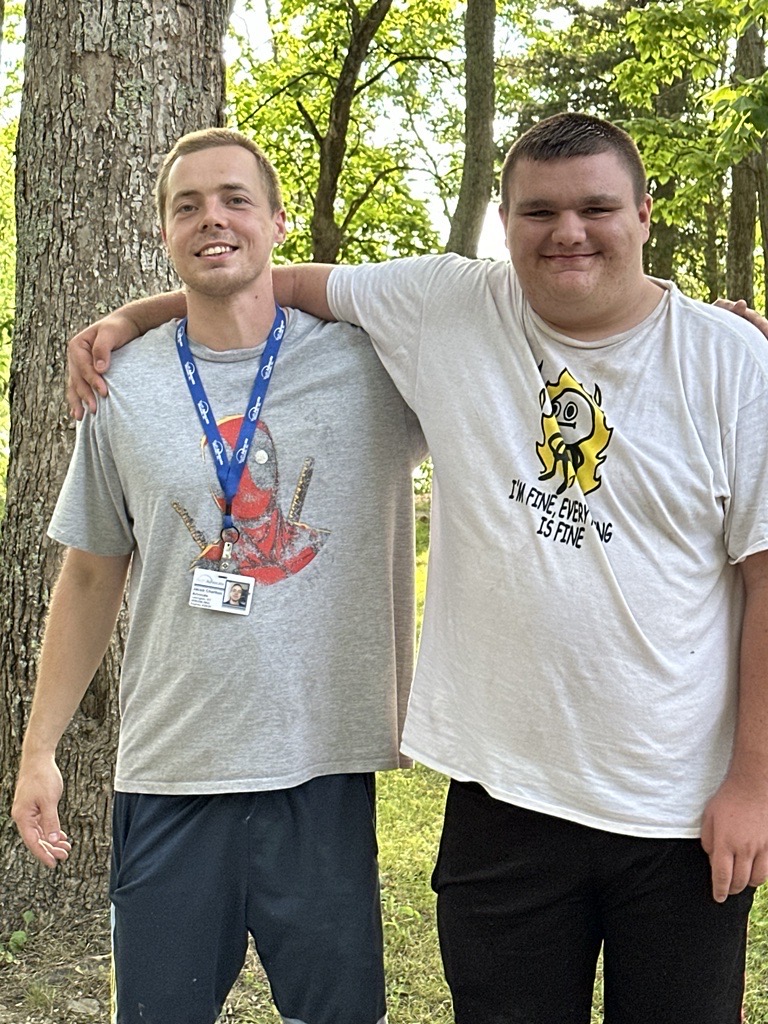
YAP Fayette County, Ky Advocate Jacob Charlton and Caden.

Charlton saw immediately that Caden could benefit from a male role model and learned from Locker how best to engage him and his family.

“When he would get angry and upset, he’d call her and she would take him to do something productive where he could work out his anger,” Charlton said. “He was just so angry one day and was on the verge of getting violent. He called Jennifer and she took him to mow a lawn to work out his frustration.”

Observing Caden with his PATTS classmates, Charlton saw Caden’s strengths in action.

“He’s an amazing people person; he’s great with little kids; he is such a big brother to all these kids. He’s very disarming with people, then he’ll take it very seriously,” Charlton added.

With Caden’s growth, Charlton and Locker saw the network of support for him and his family expand.

“Once the judge gave him clothing — three big bags,” Charlton said, adding that before long, Caden began to advocate for himself, particularly with his health and fitness.

“A few times, we went to the gym together and he said he walks a lot now,” Charlton said. “He also understands the link between smoking and his behavior.”

Caden said when he posted a story about his progress on social media, he heard from the teacher who believed in him back in 8th grade.

“She texted me to say to keep up the good work.”

Caden’s plan is to do just that.

“If everything goes well, I’ll be a truck driver and if I make enough money, open an auto mechanic business,” he said. “I want to make my mom proud, my sister, too,” he said, adding that he also now has a girlfriend.

“She’s another one I want to make proud.”

Locker and Charleton said they’re proud of him already.

Learn more about YAP at www.YAPInc.org.

###

With Support from YAP, Tay has Alternatives to Violence, Including Plans for College

0

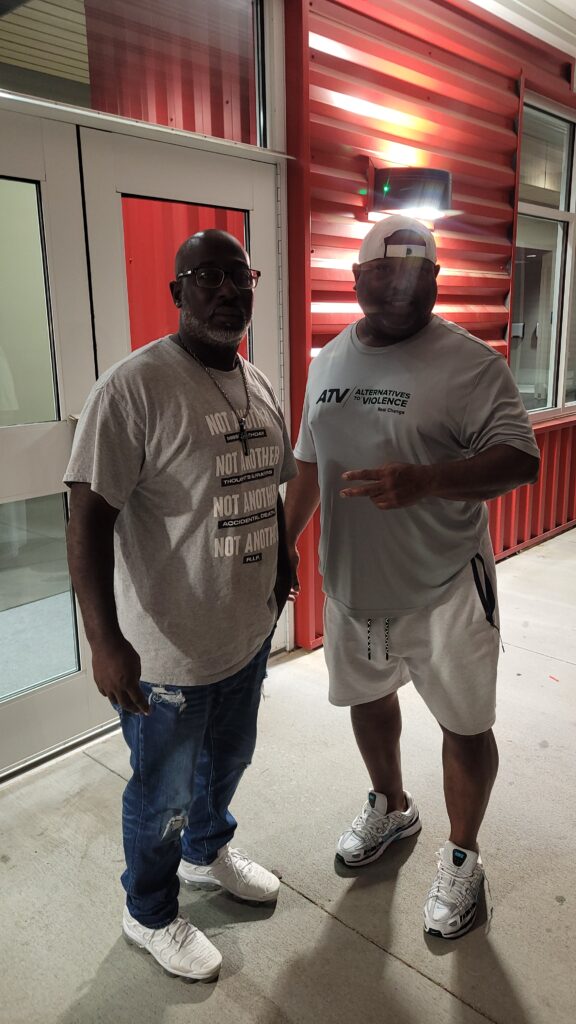
Charlotte, NC – Tay went from barely graduating high school and making unsafe choices outside of school to registering for college – thanks to support from Youth Advocate Programs’ (YAP™), Inc.’s Alternatives to Violence (ATV) program.  

“Since I started the program, I have been staying out of trouble and doing what is right,” 18-year-old Tay said. “It’s really helped me to be successful.”

In 35 states and Washington, D.C., YAP is the nation’s leading nonprofit provider of community-based services that reduce the nation’s overreliance on youth incarceration and residential placements and also works with cities to help reduce neighborhood violence. YAP oversees two of Charlotte’s three ATV sites launched by the City of Charlotte and Mecklenburg County using Cure Violence Global violence interruption methods. The YAP Beatties Ford Road team got started in 2021 and with the city and county’s expansion of the program, two years later, YAP also began managing the West Blvd./Remount Road ATV site.

YAP ATV members provide intensive services for young people ages 14 to 25 who have been identified by schools, community groups, the youth justice system and other referring partners as being at the highest risk of being engaged in violence. Risk factors include group violence involvement or affiliation, being recently released from prison, or experiencing the loss of a loved one due to gun violence.

For the past eight months, Tay has been a program participant of the YAP ATV West Boulevard/Remount Road team, which has connected him to individualized economic, educational, and emotional tools that empower them to put his life on a positive path. The West Boulevard team connected with Tay at the Little Rock Apartments located in West Charlotte, where his brother was shot.

YAP ATV Outreach Worker Yulonda Johnson said she has seen a complete change in Tay since she began working with him.  

YAP ATV Outreach Worker Yulonda Johnson.

“I am very proud of him,” Johnson said. “He just needed that extra support.”

YAP ATV Site Supervisor Donnell Gardner, who has known Tay since he was in second grade, has also seen the transformation.

“I’m proud of the young man he has become,” Gardner added. “He’s come a long way. He’s a good kid. I’ve kept up with him.”

Tay, who said his family has since moved from the apartment complex, said Johnson and the team helped him stay on track to graduate from Aspire High School and supported him as he made safer choices outside of school.

“He’s spending a lot less time in Little Rock. It’s one thing to move away but still always be out here,” Johnson said. “He has never been rude and rowdy, but now he is calmer and more relaxed.”

The Little Rock Apartments are located off West Boulevard, where the team canvases the neighborhood five days a week. In addition to delivering intensive services to individuals identified as being at the highest risk of violence engagement, ATV members mediate conflicts that might otherwise escalate and work to prevent retaliation.

“If you want to get out of trouble and get on a better path, then ATV is for you,” Tay said. “It has helped me a lot. They kept me on track to graduate from high school, gave me advice, and helped me [make safer choices].”

Johnson said the next step is helping Tay find a better paying job. Tay and the YAP ATV team plan to still keep in touch long after he’s left the program.

In July the ATV West Boulevard team engaged with 1,012 individuals/community members, made five referrals for program participants and distributed 708 public education materials.

For more information on YAP, visit yapinc.org.

YAP Alternatives to Violence Community Midnight Basketball Game is a Slam Dunk

0

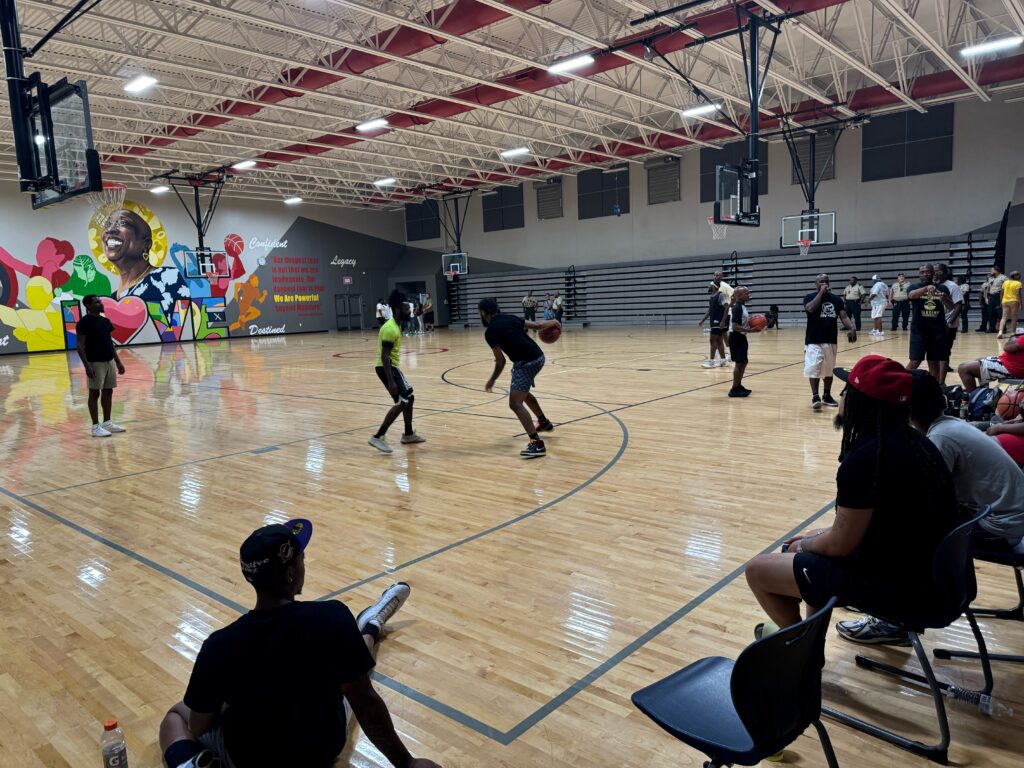
Charlotte, N.C. – Youth Advocate Programs (YAP™), Inc. Alternatives to Violence (ATV) teams hosted a Midnight Basketball event in August that brought the neighborhood together in a safe way while offering fun, fellowship and physical activity.

Twenty-five program participants joined YAP ATV staff and dozens of neighbors for the games at Ophelia Garmon-Brown Community Center on Freedom Drive. Opposing teams during the three hours of games comprised YAP ATV co-workers, their program participants, and other neighborhood residents. The tournament started at 10 p.m. and ended at 1 a.m.

“This event is one of many the team hosts to help change the norm that violence is Ok,” said Roosevelt Brooks, who manages the YAP Beatties Ford Road ATV team. “We’re connecting with people to let them know there are alternatives to violence and people who really care about what happens locally in your area.”

Photo Courtesy of the Mecklenburg County Sheriff’s Office.

In 35 states and Washington, D.C., YAP is the nation’s leading nonprofit provider of community-based services that reduce the nation’s overreliance on youth incarceration, residential placements and helps reduce neighborhood violence. YAP oversees two of Charlotte’s three ATV sites in conjunction with the City of Charlotte and Mecklenburg County using Cure Violence methods. The Beatties Ford Road team launched the ATV program in 2021 and expansion of the community violence intervention program to the West Blvd./Remount Road took place in 2023.

Mecklenburg County Sheriff Gary McFadden. Photo Courtesy of the Mecklenburg County Sheriff’s Office.

The midnight basketball game was an example of the many ways YAP brings neighbors together in their efforts to reduce community violence. The YAP ATV teams provide intensive services to neighborhood residents who are at the highest risk of being engaged in violence, including those who recently served prison time and individuals who recently lost a loved one to violence and might be at risk for retaliation. Like YAP Advocates who deliver the nonprofit’s signature YAPWrap™ alternative-to-youth incarceration model, ATV members connect program participants and other members of the community with educational, emotional and economic resources to help them put their lives on a positive track.

YAP ATV Site Supervisors Donnell Gardner (left) and Roosevelt Brooks (right).

“The whole purpose of Midnight Basketball was to drop baskets and not bodies,” said YAP ATV West Boulevard Program Director Donnell Gardner. “We host community events like these to let young people know that there are positive things they could be doing aside from making decisions that could possibly lead to violence.”

Midnight Basketball was held in conjunction with the Mecklenburg County Sheriff’s Office, which provided security for the event. Food and drinks were also available. Mecklenburg County Sheriff Garry McFadden said he is passionate about supporting events like the one YAP ATV hosted because he has seen a lot of tragedy after working in homicide for 22 years. He said he once helped save YAP ATV West Boulevard violence interrupter Shawn Moore in the 1980s from making a wrong decision when he was out with a group of young men. McFadden said two of those men subsequently lost their lives to gun violence.

“The (Midnight Basketball) event should be the start of something great and must be supported by all city and county officials,” McFadden said. “Reconnecting with those who saw my career from the beginning brought back many great memories and a lot of jokes.”

Thanks to the YAP ATV Advisory Committee member Shamaiye Haynes, co-executive director of QC Family Tree for securing the gym and helping to facilitate the tournament; along with David S. Lindsay, co-founder and executive director of Rally Charlotte, and the Ophelia Garmon-Brown Community Center for their support.

For more information on YAP, visit yapinc.org.

YAP Behavioral Health Leader Discusses Importance of Responsive Mental Health Services

0

Harris County, Texas – Youth Advocate Programs, Inc. (YAP™) Southwest Behavioral Health Regional Director Naomi Chargois shared how the agency is unique in offering competent, community-based, and unconditional care services to youth and their families during a panel discussion at the Health Access and Equity Symposium held in Houston, Texas in May.

“I discussed how YAP works with families in marginalized communities who have lived experiences of being misdiagnosed, mistreated, and misunderstood when seeking mental health services,” Chargois said. “It is not only important to address the unique mental health needs of individuals of all backgrounds, but that it should be a priority. We all have a role in promoting health equity.”

Hosted by the Houston Health Department, the Symposium brought together local leaders and behavioral health professionals who share a commonality in addressing access to health. Chargois spoke during the Access and Equity Symposium and was a panelist on the Youth and Mental Health session focusing on cultural competency.

YAP Southwest Behavioral Health Regional Director Naomi Chargois.

A national nonprofit in 35 states and Washington, D.C., YAP, delivers community-based wraparound and mental health services as an alternative to residential care, youth incarceration, group homes and other placements. YAP provides rehabilitative and behavioral health services to young people and their families that are strength-based and connect them to individualized tools that firm the family foundation by addressing their complex economic, educational and emotional challenges so that program participants are successful once services end.

YAP is expanding its mobile mental health services in communities across Texas, including Austin, Dallas, Fort Worth, Houston, San Antonio, and surrounding areas. The nonprofit serves Medicaid-eligible young people, ages 3-20, in schools and other community sites, but mostly in their homes.  

“I shared why mental health care is stigmatized in some communities and how YAP’s core principles make youth and families feel safe, understood, and supported,” Chargois said, adding, “YAP makes every effort to remove any barriers that would interfere with people having access to mental health care.”

For more information on YAP, visit yapinc.org.

Unique Summer Jobs Program Gives MaKayla and Other Young People Facing Employment Barriers Valuable Work Experience

0

Berks County, Pa. – Eighteen-year-old MaKayla’s job as a summer camp counselor gives her a chance to encourage and support kids as they participate in gym, art class, canoeing, and other activities. Her interactions with young people and co-workers are also helping her work through communication challenges like stuttering when she feels anxious. 

“Everything is about exposure,” said Rick Perez, CEO at the Olivet Boys and Girls Club of Reading & Berks County, where MaKayla is working as part of Youth Advocate Programs, Inc. (YAP™)’s partnership with Pennsylvania’s Office of Vocational Rehabilitation (OVR), My Work. “Things aren’t so cut and dry when you’re working with kids,” he added.

The YAP OVR program, now in its fourth year, has placed more than 280 young people with disabilities or who face other employment barriers — those in rural communities, and/or have been justice system involved — in paid work experiences across Pennsylvania this season.

MaKayla playing with youth in the pool at her summer job as a camp counselor.

In 35 states and Washington, D.C., YAP is the nation’s leading nonprofit provider of community-based services that reduce the nation’s overreliance on youth incarceration and residential placements. The young people YAP serves are referred through youth justice, child welfare, developmental disabilities, education, and other public systems. YAP empowers program participants by helping them see their strengths and connecting them and their families with individualized tools to meet their economic, educational, and emotional goals.

“You don’t know that you can achieve something until you are actually exposed to it and actually try. It’s about youth being able to socialize in a different setting, efficiently communicate, and mostly – it’s about flexibility,” said Perez, who worked at YAP while in college.

The employment program started in June and runs through August.

“OVR is a hidden gem,” said Natasha Huertas, YAP Berks County, Pa., Administrative Manager and OVR Employment Instructor. “They pay for transportation to and from work, they help with obtaining a driver’s license, and assistive technology. OVR helps lead to independence to work.”

Natasha Huertas, YAP Berks County, Pa., Administrative Manager.

As the unique summer jobs program has expanded, it has extended its reach to nonprofit employment partners.

“We’re teaching them skills, but they’re also learning by working in these other nonprofit agencies,” YAP Berks County, Pa. Program Director Amy Schermerhorn said. “The nonprofits are helping YAP out by letting our staff and kids go work there, but, on the flip side, that organization is also doing great work in helping people in the community. To have YAP program participants gain skills from other nonprofits is a win-win situation. I find YAP’s collaboration with OVR to provide this service to students in Berks County so beneficial in so many fundamental ways.”

YAP Berks County, Pa. Program Director Amy Schermerhorn.

YAP Berks County, Pa. has 15 program participants ages 16-21, accompanied by four YAP staff participating in OVR this summer at the Olivet Boys & Girls Club, Hope Rescue Mission, and the LGBT Center of Greater Reading.

“I really think it’s important because this program gives people in our community a chance to get out there and learn a job skill that can be so beneficial to them in so many ways,” Schermerhorn said. “To me it feels like we’re giving back to the community because we’re working with other nonprofits in a positive way.”

MaKayla is one of four YAP Berks County, Pa. program participants working at the Olivet Boys & Girls Club.

“I enjoy hanging with the kids, learning new things about them, and being there,” MaKayla said. “They enjoy me being around them too.”

YAP Employment Specialist Lenny Stinson is at the Olivet Boys and Girls Club with program participants and says they are all learning how to socialize and shake off any fears they have about being in a work environment. Stinson, who believes in all the youth he works with, said MaKayla is the most outspoken participant, adding that she is “phenomenal.”

YAP Employment Specialist Lenny Stinson.

“She is really outgoing and is doing well,” Stinson said. “I just find it a rewarding challenge for these young people knowing that they will be able to face life outside in the workforce.They all have potential and I believe in their potential. With their developmental disabilities – that they have, they have challenges communicating with their peers, but they are here and are being more open in expressing themselves,” he added.

MaKayla, who learned masonry while in high school, graduated in June and plans to take this summer’s work experience to find a job at a construction company.

“I graduated knowing how to do brick laying,” she said. “That is my biggest career goal, to learn different things and to be successful.”

In addition to Berks County, YAP has placed program participants in jobs with employers in other counties throughout the Commonwealth including Adams, Bradford, Carbon, Crawford, Delaware, Dauphin, Franklin, Huntingdon, Juniata, Lackawanna, Lancaster, Lebanon, Mercer, Mifflin, Monroe, Northampton, Philadelphia, Pike, Schuylkill, Susquehanna, and York.

“It’s about being able to pivot, adjust, and still be successful. There are so many different things that they’re learning,” Perez said.

For more information on YAP, visit yapinc.org.
OVR programs are supported by U.S. Department of Education. A total of $144,731,271 or 78.7% is financed with federal funds. The remaining 21.3%, including additional matching fund costs ($39,171,233) is funded by state appropriations and other non-federal allowable sources.

YAP Presents its Unique YAPWrap™ Service Model at European Social Services Conference

Antwerp, Belgium –  Worldwide leaders from 36 countries heard the story of a former Youth Advocate Programs (YAP™), Inc. violence interruption program participant who received resources that helped put his life on a positive trajectory thanks to the agency’s community violence interruption (CVI) work. The presentation was part of the 2024 European Social Services Conference (ESSC)  held June 26-28.

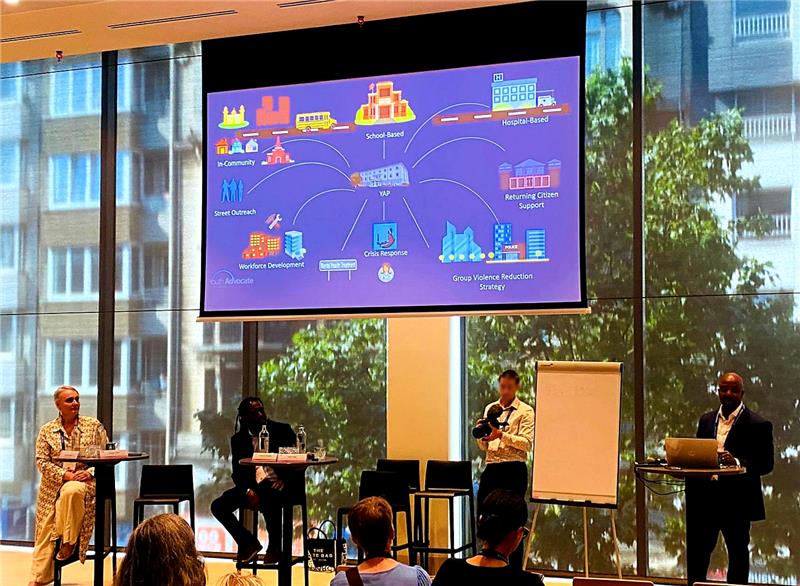
Located in 35 states and Washington, D.C., with partnerships in Australia, Guatemala, Ireland and Sierra Leone, YAP delivers community-based services as alternatives to incarceration and placing young people in detention/residential care. The organization partners with juvenile justice, child welfare, and behavioral health entities. In recent years, YAP has also partnered with local public safety systems using its community-based model as part of services to reduce violence among individuals who have been identified as being at the highest risk.

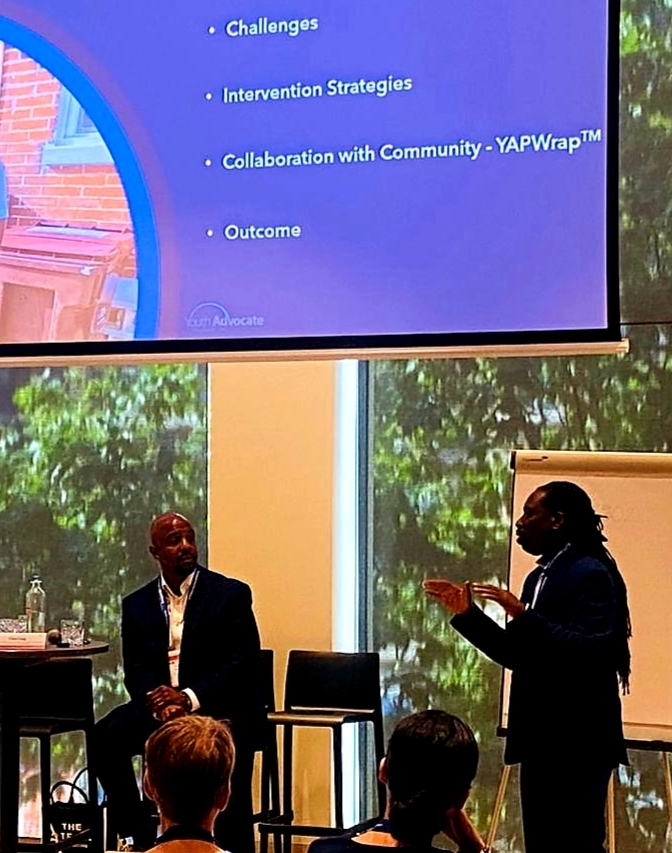
At ESSC,  YAP Delaware Program Director Omar Douglas, alongside YAP National Director of Community-Based Safety Initiatives Fred Fogg, presented, “YAP, Inc. Community-Based Safety Initiatives: Addressing Violence in Cities to Restore, Heal, and Strengthen Communities & the People Who Live There.” The YAP Global delegation included YAP Director of International Programs and Development Diana Matteson and YAP Ireland Team Leader Peggy Cullen, an ESSC delegate. ESSC is Europe’s largest social welfare policy and practice forum.

YAP Delaware Program Director Omar Douglas, and National Director of Community-Based Safety Initiatives Fred Fogg presenting at the European Social Services Conference (ESSC) .

In sharing the success of a YAP program participant he worked with, Douglas said that once in trouble with the law, the Delaware youth lost his foster home placement and was victimized by gun violence. However, with the help of the organization’s unique wraparound or YAPWrap™services, the young man received from 2021-2023, he graduated from high school, gained employment, and has not reoffended since completing the program.

“He [the former program participant] continues to communicate with me on a weekly basis,” said Douglas, an ESSC 2024 Bursary Fund recipient. “He now works with one of our community partners who distributes free air conditioners to low-income residents as an installer, delivering and inserting the units.”

YAP National Director of Community-Based Safety Initiatives Fred Fogg presents during the European Social Services Conference (ESSC).

YAP’s community-based Advocates and violence interrupters/credible messengers help mediate conflict, prevent escalation, and provide services to participants and their families who help address needs like housing, employment, or behavioral health services.

“Congratulations to Omar and Fred for representing YAP community-based safety initiatives and Peggy for representing YAP Ireland for the great work and the well-received presentation in Antwerp,” Matteson said. “Most of all, thank you to our Delaware program participant for entrusting the YAP team with his story so we could take delegates from Malta, United Arab Emirates, Poland, Iceland, Sweden, Belgium, and other countries on a storytelling journey to understand YAP’s work and the impact that can be made on an individual, family, and community when we co-create in a strength-based partnership.”

YAP Delaware Program Director Omar Douglas, YAP Director of International Programs and Development Diana Matteson and National Director of Community-Based Safety Initiatives Fred Fogg in Antwerp, Belgium at the European Social Services Conference (ESSC) .

Nearly 700 delegates worked together for 4 days in Antwerp to debate, dialogue, teach, and challenge each other to make systems, services, and policies more equitable, efficient, effective, and informed by those who use them.

“YAP is proud to have a national and international footprint in partnering with agencies, foundations and individuals who share a common goal to provide community-based services that offer alternatives to out-of-home placements and make neighborhoods safer,” said YAP CEO and President Gary Ivory. “We strive to empower young people and their families to see their strengths while connecting them with the emotional, educational and economical tools they need in order to thrive.”

For more information on YAP, visit yapinc.org.

YAP Washington Heights Violence Interruption Program Gives High Risk Individuals Holistic Second Chance Tools

0

Chicago, IL — For John, life after prison has been sweet in many ways.
While incarcerated, he earned his GED and stayed out of trouble, reducing his 11-year attempted murder sentence to nine years plus two in a work release program.

“That day the warden came to my cell and told me I would be starting my work release program, I cried,” John said.

It meant he would move from prison to a halfway house and then be with his family on the weekends.

“I could leave for work Monday through Friday and Friday evenings through Monday mornings, I could be at home with my sister.”

The work release job was at a candy factory, where he was allowed to have all his favorites, including chocolate bars he hadn’t had since he went to prison at age 22. More important, the opportunity gave him valuable experience on the assembly line and training as a forklift operator.

The first-time conviction separated John from his now 15-year-old daughter and his sister and her two children. He said their frequent visits and letters held him down while locked up and that the support he gets from them now is giving him the second chance he needs. John credits Youth Advocate Programs (YAP™), Inc. for providing comprehensive wraparound services to him and his family to aid in the transition.

In its pre-50th anniversary year, YAP delivers community-based services as alternatives to incarcerating or placing young people in detention or other residential justice, child welfare, and behavioral health facilities. In recent years, YAP has used its community-based model as part of services to reduce violence among individuals like John — those identified as being at the highest risk of engaging in violence.

“People released from prison are among those at the highest risk of quickly falling back into the life that got them there,” said YAP Washington Heights Violence Interruption Program Director Ken Lewis. “It takes a lot to help them get used to being back in society.”

John with-YAP Program Coordinator Deonte Dixon (l) and YAP Program Director-Ken Lewis (r)

John was still completing his work release requirements when he learned about the YAP Washington Heights Violence Interruption program from one of its program coordinators, Deonte Dixon, who also worked at his halfway house. A part-time factory co-worker who serves as a YAP program coordinator recruited and enrolled him. Funded through a grant from the Chicago Department of Public Health, the program provides violence interruption services, street and hospital outreach, crisis intervention, peace building activities, family engagement, individual wraparound services, and conflict resolution.

In serving program participants, the YAP Washington Heights Violence Interruption program staff apply core principles of YAPWrap™, the national nonprofit’s alternative-to-youth-incarceration evidence-based youth justice model. They help individuals identify their strengths and connect them and their families with individualized economic, educational, and emotional tools they need to nurture them.

Among the team’s tools are service projects like a community garden, where program participants work side-by-side with their neighbors, building relationships and trust, while making fresh vegetables available to their families.

“Two weeks after being connected to YAP, I was doing a pop-up shop in Brainerd Park where nonprofits came to the neighborhood to promote their services. There was free barbeque, and we gave bookbags and school supplies to the kids,” John said. “I always wanted to give back to my community.”

John said he was touched to see other men like him, those who were formerly incarcerated or otherwise identified as being at the highest risk for violence engagement, bringing joy to their neighbors. He was also in awe of the commitment from Lewis and the other YAP program staff.

“To see that everybody cares for kids, and seeing how Ken operates — how he really gets involved, it was like, dang, I cried that day, too,” he said.

In addition to connecting him with community service opportunities, John’s YAP Violence Interruption staff enrolled John in financial literacy and anger management classes and connected him with opportunities to share his story to inspire young people to learn from his mistakes.

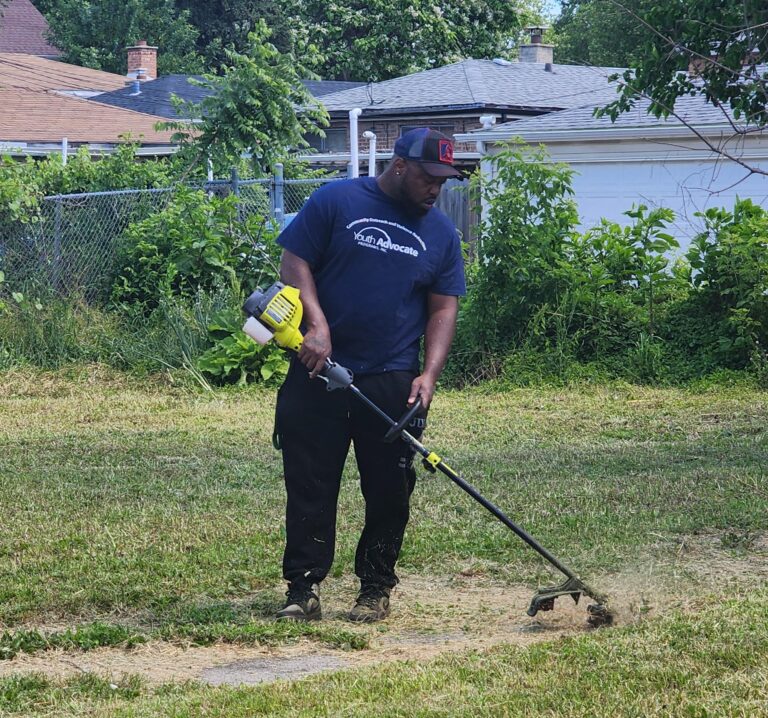
“John is a hard worker who always showed up for the projects,” Lewis said. “In fact, during one of the financial literacy workshops, he followed up with one of the presenters who he has now partnered with to start a landscaping business.”

“With the resources YAP provided and because I had no issues on my home passes and that I passed all my drug tests,” John said, adding, “I was able to fully return home, ending the work release program and the halfway house early,” John said.

John said the sweetest part of being back home is that he’s now able to give back to his family.

“My daughter is doing great. She just graduated from middle school,” he said. “My nephew is doing amazing in school and as an athlete. it feels good to be able to be a support to him.”  

John is grateful that the YAP connection has provided opportunities for him to also support other young people, especially those who remind himself of the young man he used to be.

“I was able to share my story with some kids at my old high school, to and talk about my life,” he said. “A lot of them, their dads were locked up. One was a 14-year-old who had constantly been in and out of police custody. He was addicted to drugs, mostly smoking weed. He didn’t want to deal with the pain.”

As part of the service project, John was able to meet regularly with the youth.

“I helped him by telling him my story and showing him that there’s better things he can do with his time; I told him you have people who love you. I came up to the school; talked to his teacher; talked to his grandma; doing things like that, John said. “Now he’s on a whole better road. Next year he’ll be a junior. His grades improved and I know I helped him make a change in his life.”

Meantime, John is committed to making the changes necessary to put his life on a positive track, including working part-time and spending several hours a day lining up customers for his landscaping business.

“We have 20 contracts to cut people’s grass and we’ll be working on getting business for snow removal in the winter,” he said.

Lewis said about 60 percent of the high-risk individuals he and his team recruit for services stay in the program. Of those who accept services, most are employed or enrolled in educational and vocational programs after completing the YAP Washington Heights Violence Interruption program.

Learn more about YAP and how you can support the nonprofit’s work at www.YAPInc.org.