
Neighborly Support During Pandemic Brings New Promise to Baltimore’s Safe Streets Efforts

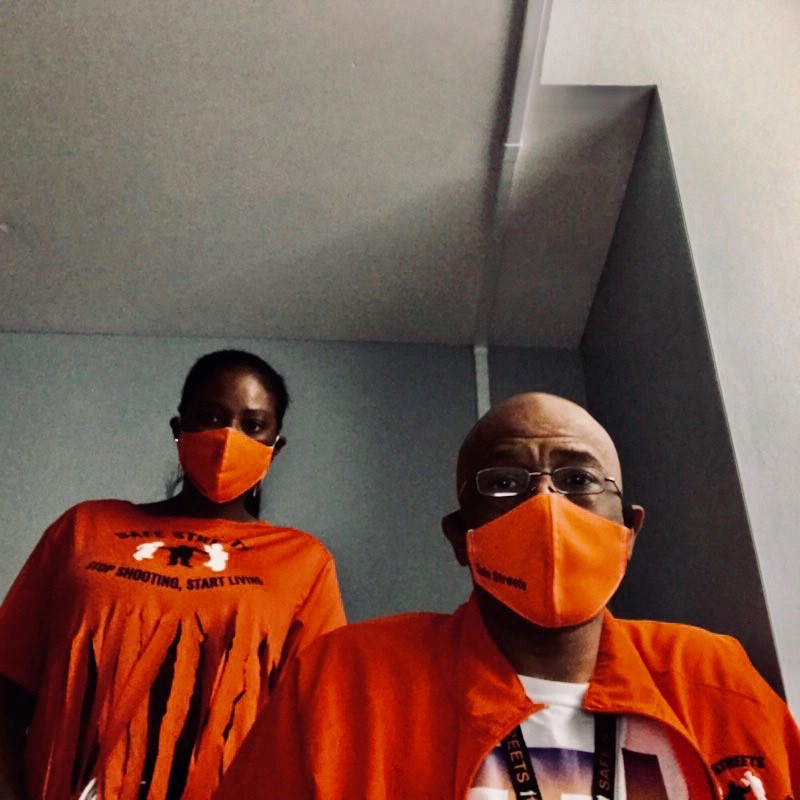
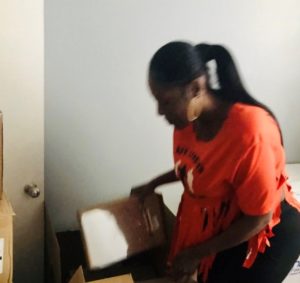
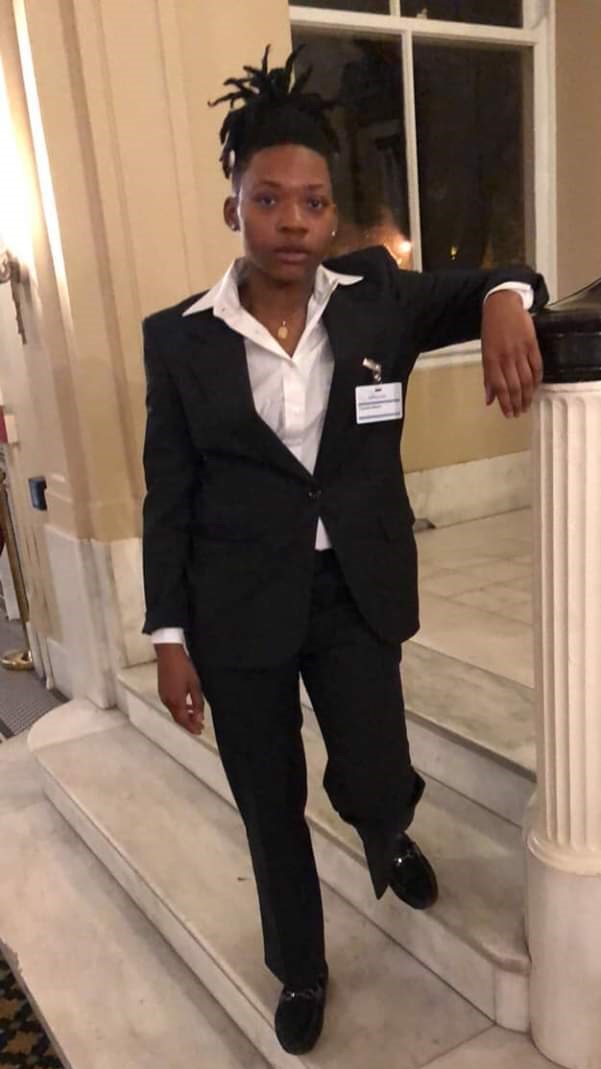
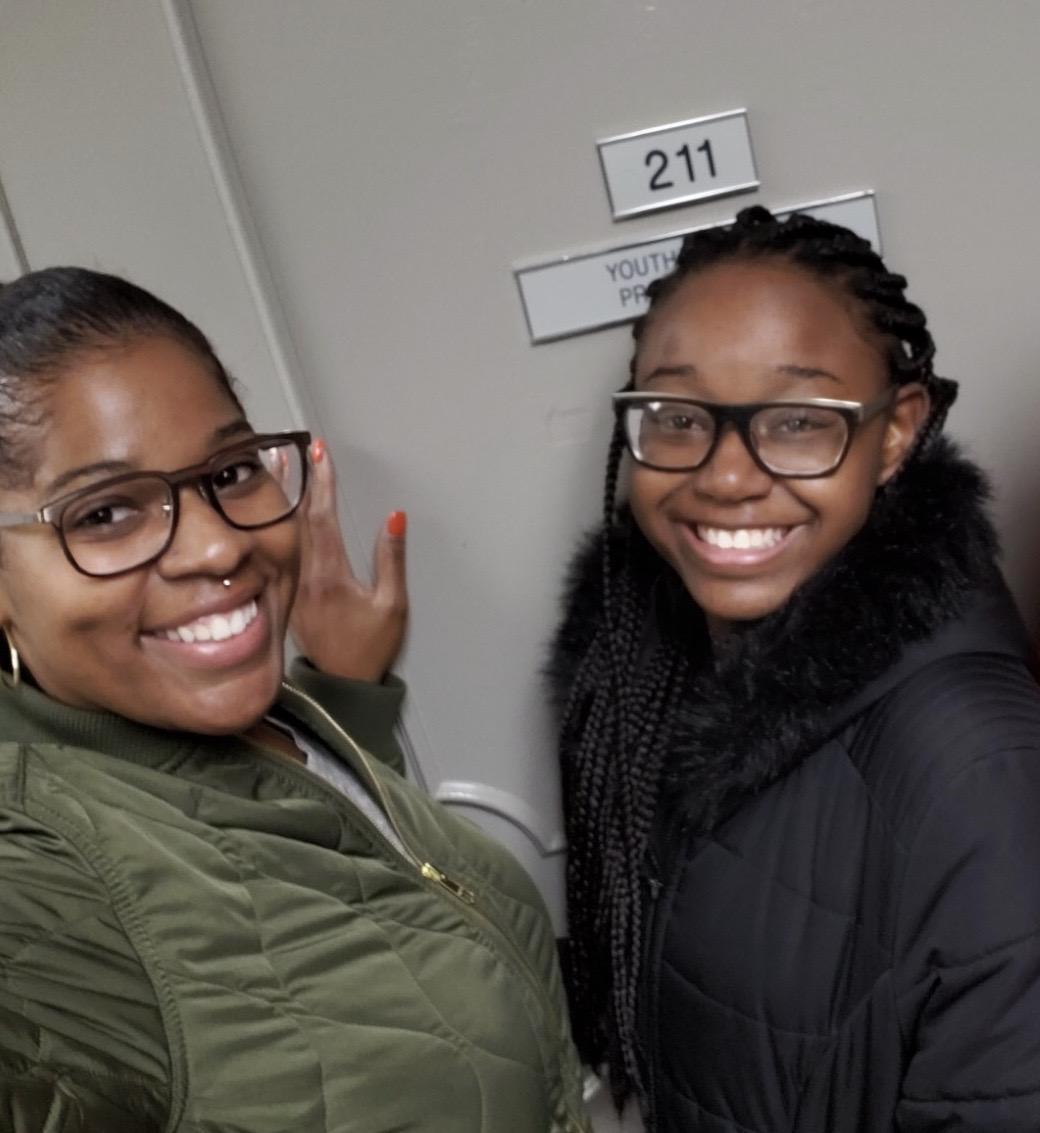
YAP Penn North Safe Streets Kia Colson with team’s Crime Prevention Coordinator Wayne Brewton

Neighborly outreach during the COVID-19 pandemic is strengthening bonds between some Baltimore City Safe Streets workers and the families they serve.

Safe Streets is an evidence-based public health approach to reducing shootings and homicides in Baltimore City.

“We mediate a lot of small disputes — little things that can become bigger beefs that involve guns,” said Kia Colson, a member of the Youth Advocate Programs (YAP), Inc. Safe Streets team. Kia grew up in Sandtown, part of the Penn North neighborhood where the YAP Safe Streets team works.

“We don’t just mediate conflict; we try to change lives. We want our youth to be the greatest they can be,” Kia said. “We also support their families.

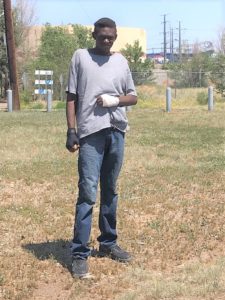
Kia was one of the first members of the Penn North team

Better known for its work providing community-based alternatives to youth incarceration and out-of-home placement, YAP became one of the city’s non-profit Safe Streets partners a year and a half ago. YAP has relationships with employers, GED and vocational prep programs, behavioral health services, and other resources that the Penn North Safe Streets team uses as tools in their work to present positive options to neighborhood youth and families.

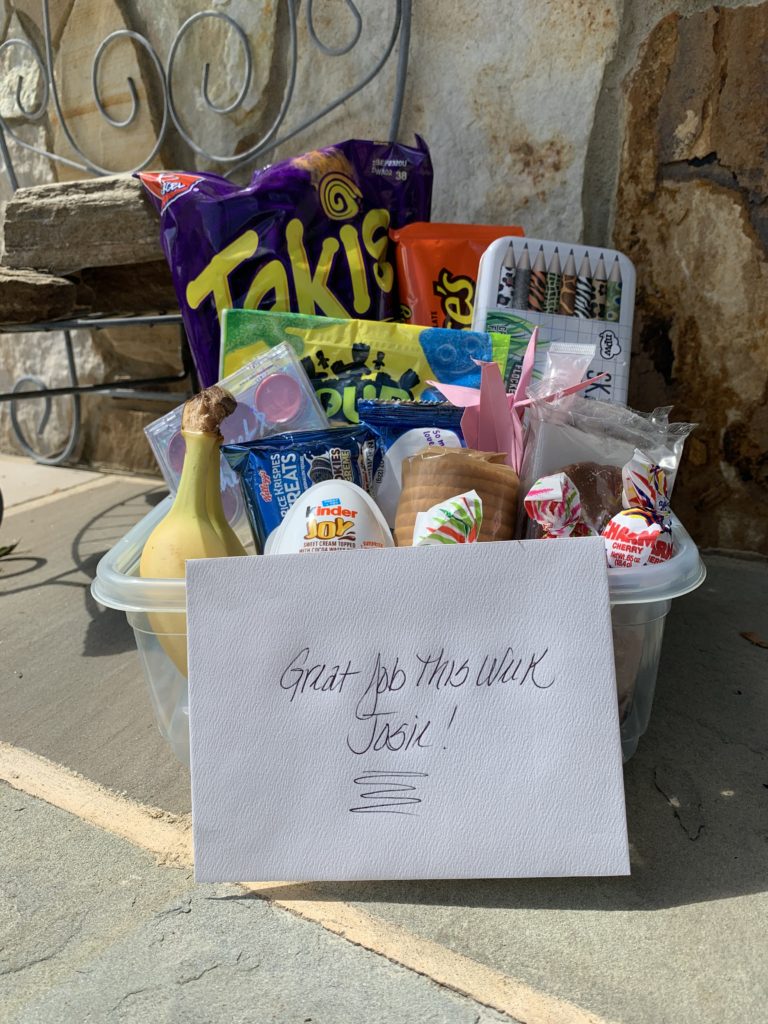
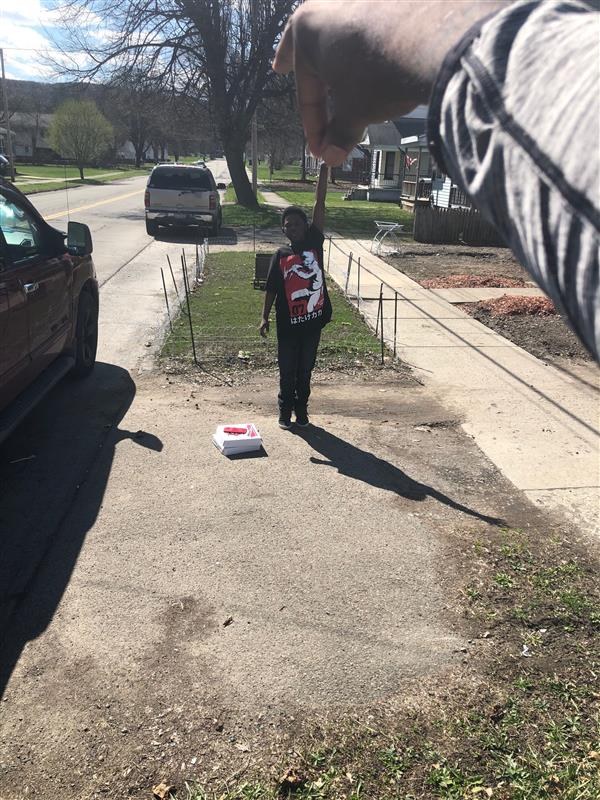
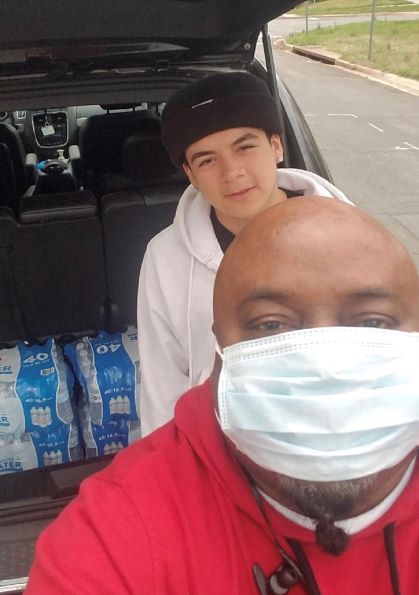
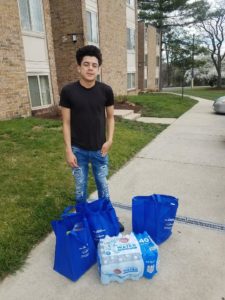
Kia regularly packs supplies and delivers them door-to-door to her Penn North neighbors

Since the onset of the pandemic, Kia said the team has been adding new resources to their toolkit to demonstrate their concern for families’ overall wellbeing.  Like their fellow Safe Streets workers in other neighborhoods, the YAP team distributes face masks. They also hand out cleaning supplies along with donated food from neighborhood pantries and produce from nearby urban farms.

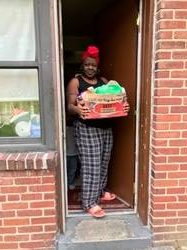
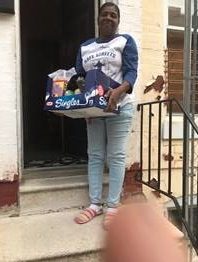
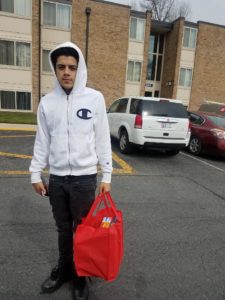
One of Kia’s Penn North neighbors shows gratitude for COVID-19 relief box

“A lot of families are suffering. We’re giving out food baskets and distributing household supplies and things like that to make them comfortable at this time. Anything we can do to give them a little relief, we’re doing,” Kia said. “People are so grateful and happy. Change doesn’t come over night; it comes from seeing what change looks like and wanting it. Any way I can help that happen, I’m down for it.”

Baltimore Safe Streets team members are formerly justice-involved individuals, which lends to their credibility and ability to establish relationships and build rapport to change behaviors and norms of people with similar backgrounds.

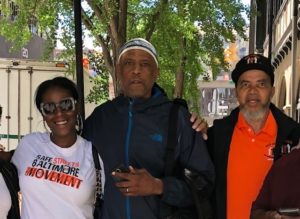
Kia with YAP Penn North Safe Streets co-workers Wayne Brewton and Dennis Wise

“I was one of those people who would do things to hurt myself and make the neighborhood terrible,” Kia said. “I’m just trying to give back – to show our future [generation] that there’s another way of living.”

Kia was one of the first members of the YAP Penn North Safe Streets team. She said it wasn’t easy at first, talking about safe choices to people, many of whom knew her past, which included being in and out of jail.  Over time, as people saw that her transformation and concern for theirs were real, she began building trust and strengthening her relationships in the community. Since the onset of the pandemic, Kia has been seeing new signs that her work is making a difference.

Baltimore Penn North resident expresses gratitude to YAP Safe Streets for COVID-19 relief box

“I know we’re making a difference when the people come up and say thank you for the small things, and when you see how much those little things mean, that shows right there that there’s change,” she said. “That’s where it starts.  The little things turn to big things that change communities.”

She adds that there haven’t been any shootings in the neighborhood for at least three months.

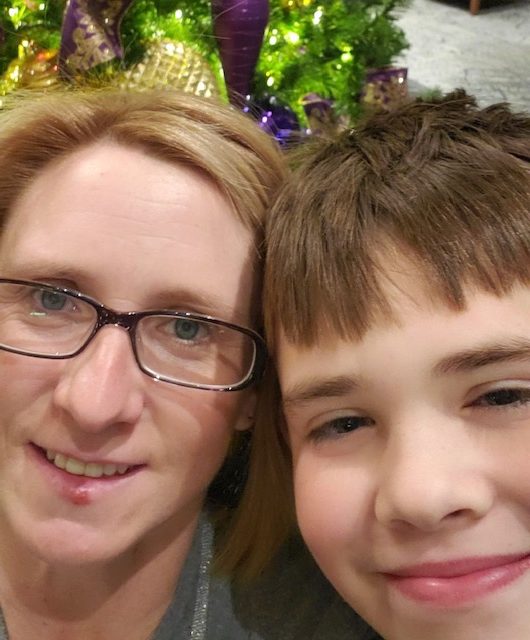
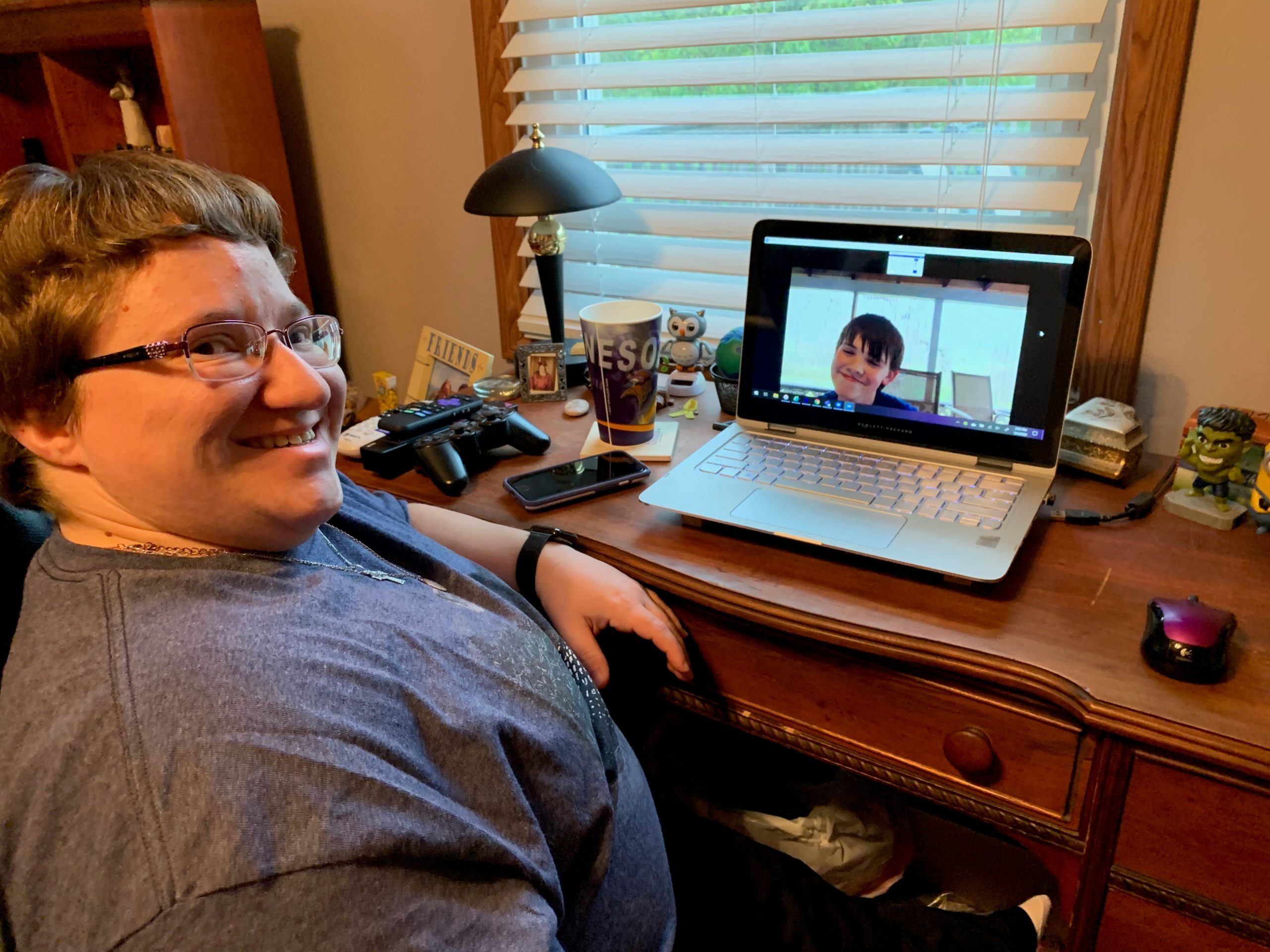
She’s in a Wheelchair; He has Autism – Pandemic Opens New Possibilities for Therapeutic Support Specialist and Her Student

Melissa Johnson felt she’d finally made it when she earned her bachelor’s in psychology from Frostburg State University in Maryland. But when months turned into years of getting turned down for job after job, she started to wonder whether the workplace was still in the dark ages when it comes to people like her.

“They take one look at you,” she said.

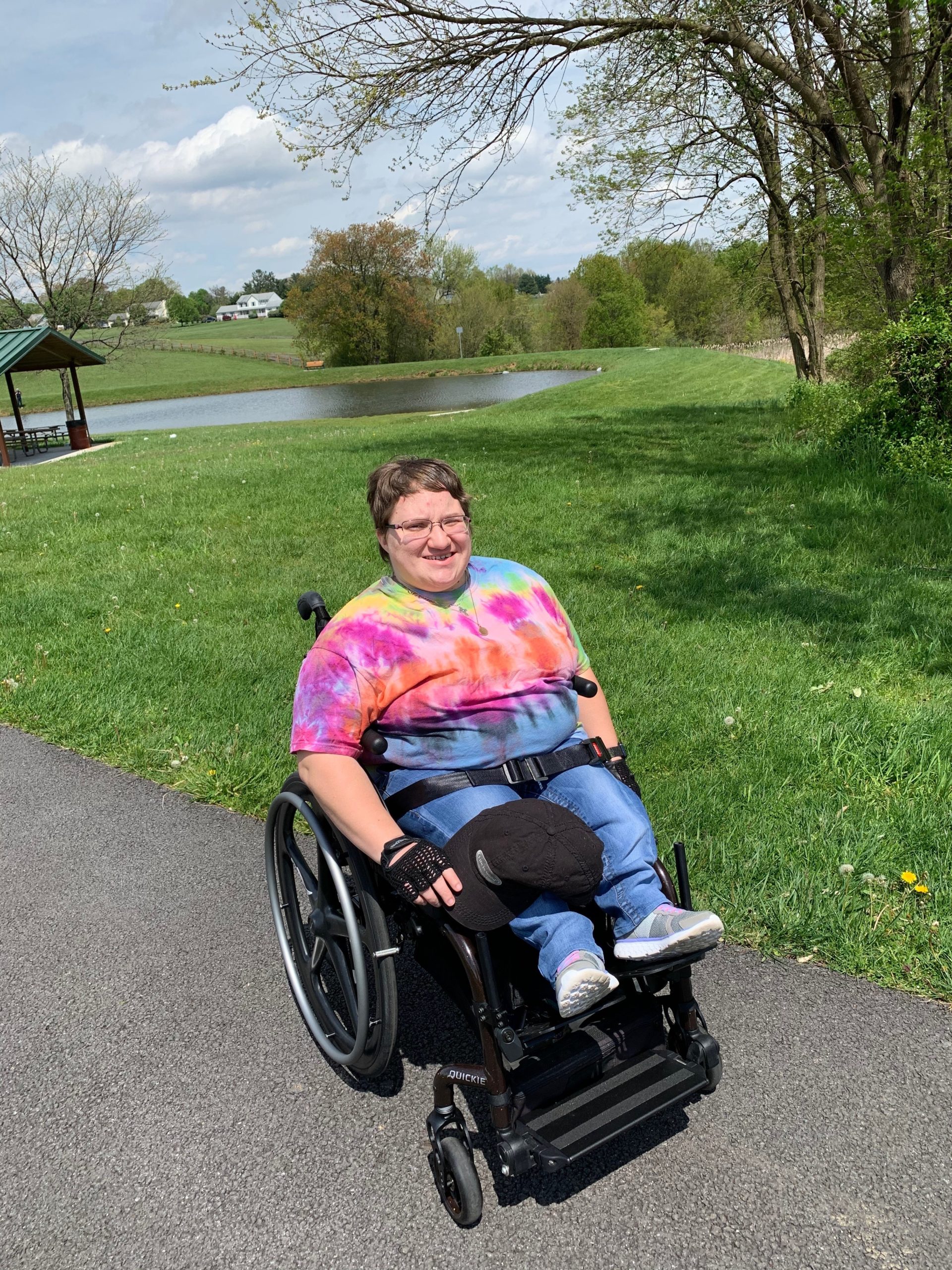
Youth Advocate Programs (YAP), Inc. Therapeutic Support Specialist Melissa Johnson (photos of Melissa, courtesy MJ)

Take one look at her and see the wheelchair. Born without a lower spine, it’s how Melissa gets around.

In the face of all that rejection, Melissa did what she’s always done. She refused to give up. Then one day, Melissa rolled up to Adams County, PA Youth Advocate Programs (YAP), Inc. for her in-person interview for a position as a therapy support specialist (TSS). In 29 states and the District of Columbia, YAP partners with youth justice, child welfare and other social service systems to provide community-based alternatives to youth detention, congregate care or treatment, and out-of-home placement of young people with autism or developmental disabilities.

“I was really nervous. It was a group interview,” Melissa recalled.

Melissa Johnson began working for Youth Advocate Programs (YAP), Inc., after a six-year job search

It felt right, though. In fact, it felt pretty perfect.

“Before I left, they said they’d have to do a background check on me.”

A few weeks later, at age 28, six years into her job search, the position was hers. She would be a school-based YAP therapeutic support specialist (TSS), working with students who have developmental disabilities and/or autism.

Melissa spent her first months in the office and partnered with co-workers, mostly YAP Advocates who work with youth in the justice system. Then in February 2019, she got her first in-school assignment serving as a TSS for a 12-year-old boy named Zach.

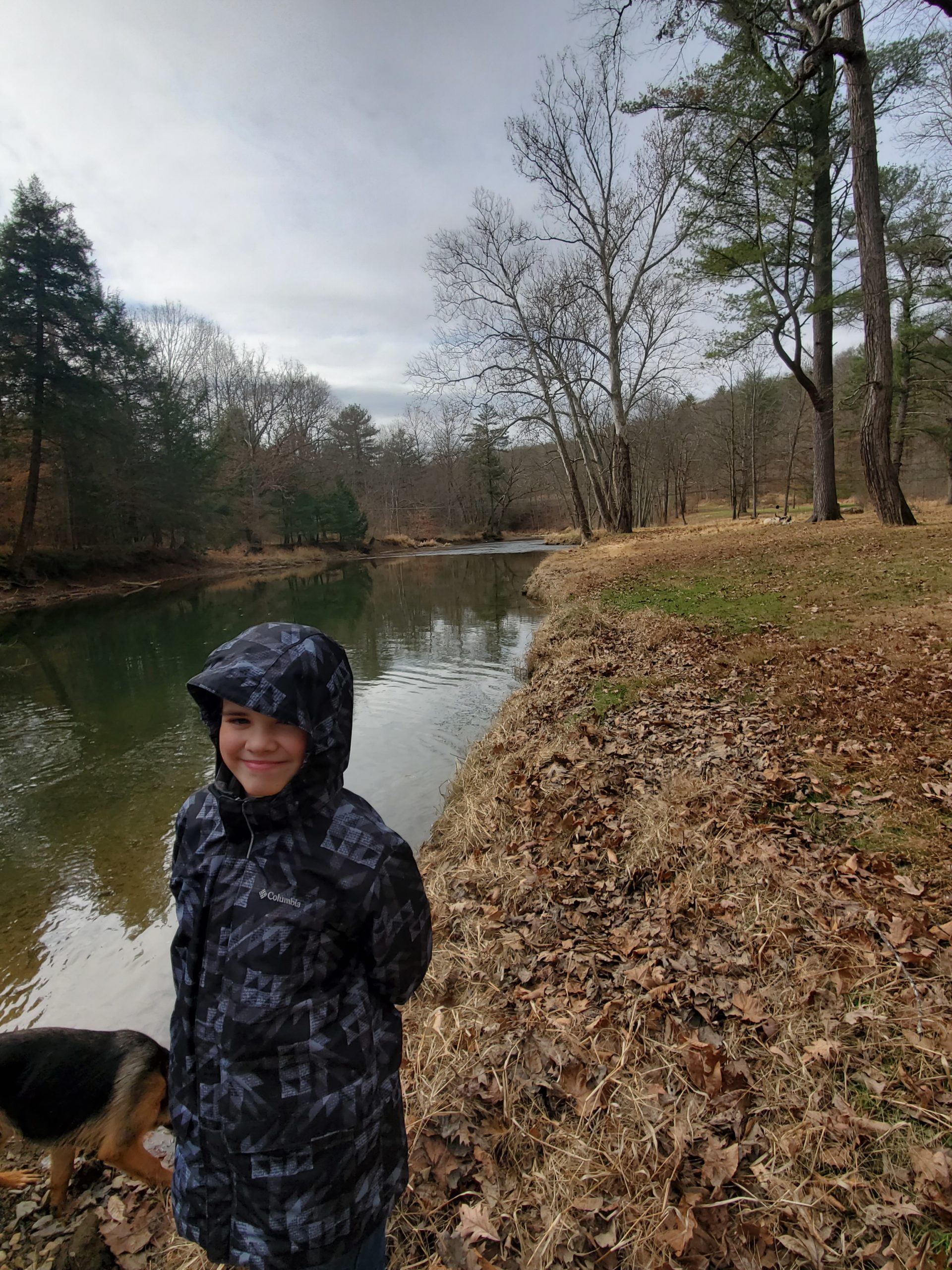
Zach was 12 when Melissa beame his school-based therapeutic support specialist (TSS) — (photos of Zach, courtesy his mom, Terra)

“He’s on the spectrum and gets overwhelmed and lost in the shuffle when there’s a lot of external stimuli,” said Zach’s mother, Terra. “It’s hard for him to advocate for himself and he’ll have a meltdown.”

Zach with his mom, Terra

Zach’s Middle School made accommodations for Melissa, making sure that before her first day, she had a key to the private elevator.

“He was shy at first,” Melissa recalled as she thought back to her first time in the classroom with Zach. “There was no eye contact for the first week; but after a while, we started to get to know each other.”

Zach

What Melissa first noticed about Zach was his compassion.

“This wheelchair didn’t faze him. Everywhere we went, he’d move stuff out of the way so I could get through.”

When he introduced her to his friends, Melissa saw that two of them are in wheelchairs, too.

Zach

Zach said the first and most important thing Melissa helped him with was to be better organized.

“I have a terrible memory. She can remember almost everything,” he said. “I’m pretty good with remembering my homework but she helped me see that sometimes it’s good to have a chart with me.”

YAP’s model is based on providing intensive mentoring that empowers young people to see their strengths and advocate for themselves.

“He learns quickly and he’s very caring. I’m the helper, the mentor,” she said. “Just by being there and giving him the cues, he began talking to me about his issues and developing his own coping skills.”

Terra started seeing a change in her son.

Terra said Melissa has been a great support for Zach and their family

There were fewer meltdowns; his classwork was improving; and he was happier.

“She’s very nice and very, very helpful,” Zach said.

In March, Melissa and Zach learned that his school, like those across the country and around the globe would be closing because of the COVID-19 pandemic.

Melissa told Zach that YAP planned to continue providing therapeutic services to school-based program participants – with social distancing – in the students’ homes.

“He took out his phone and showed me a picture and said, ’this is why you can’t come to my house.’” Like most homes, there was no wheelchair access on the outside leading in and no room inside for one to maneuver.

“I wasn’t sure what was going to happen,” Melissa said. “I was like, ‘how is this going to work?’”

She thought about all the ground Zach had gained and wondered who would help him stay on track. She had her own worries, too, fearing that once again, she’d be out of work.

But as social distancing guidance quickly shifted to virtual work recommendations, Melissa was relieved to learn that with approval from YAP’s social services systems partners, offices were transitioning to telehealth and teleservices.

With the onset of the COVID-19 pandemic, Melissa began supporting Zach virtually

“This was great for Melissa,” said Adams County Acting Program Director Brenda Herring, one of the members of the YAP team who interviewed her for the job. “I knew Melissa was very tech savvy and would have no problem transitioning Zach’s individualized service plan to a virtual program.”

Brenda was right. Five weeks into the new arrangement, Melissa and Zach now spend four-to-five hours a day together on Zoom video calls.

“We split it up between morning and afternoon. I attend his Zoom meetings with his class beginning with math in the morning,” she said.

Using the video technology, Melissa has been able to provide a more focused form of therapeutic support and one-to-one tutoring that she wasn’t able to offer in a school setting.

“We’re able to share screens. One time she pointed something out that at first I didn’t even see in my screen,” Zach said. “The answer to the problem was right there!”

In addition to helping him with classwork, Melissa is now spending time with Zach when he’s with his parents and younger brother and sister.

“He’ll FaceTime me. He takes me along on walks with his phone,” she said. “I’ve gotten to know his little brother – who’s adorable – and all his many animals, including Mieke and Lucas, his two dogs.”

Melissa’s gotten to know Zach’s parents better, too; and sees him in the context of his life outside of school.

“I like music and so does he; I see a whole different side of him. At school he’s quiet, and at home he’s goofy, like when he plays music and dances to it,” she said. “One time, he said, ‘I’m going on break; and he played the gummy bear song and he did the floss dance.”

Melissa has also let Zach know that she, too, has a home life.

“He asked me if I spend all day in my room. I laughed and told him that I go outside,” she said. “I scoot and crawl. I started planting my garden — green peppers and beans.”

Since working with Melissa, Zach has started to think about what he wants to do when he grows up and realizes he has many options.

“I’m probably best at history. I also like science,” he said. “I probably want to be a scientist.”

Terra has appreciated Melissa’s work with her son from the very beginning, but never as much as she has since the onset of the pandemic.

“All of this was thrown upon us. Melissa has helped me stay on top of things,” she said. “She helps with schoolwork; and she’s also available for meltdowns. It’s nice.”

Zach

Melissa’s goal is for Zach to strengthen his self-advocacy; to pursue his interests and to become independent.

“That’s my goal, too,” his mom said. “My hopes are for him to follow his dreams.”

Melissa is grateful that through technology, she’s able to be there for Zach at such a critical juncture in his journey; and that by helping him pursue his dreams, she’s living hers.


Mini Parade Lifts Spirits of Homebound families

0

During a recent videoconference meeting, the Wayne County, NY Youth Advocate Programs (YAP), Inc. team resolved to do something big to motivate homebound families strained by COVID-19 restrictions. YAP is a nonprofit with programs in communities in 29 states that provide community/family-based alternatives to youth incarceration and out-of-home placements.

Wayne County YAP Director of Programs Mike Crespo

Wayne County YAP services also include a school partnership called, Peaceful Alternatives to Tough Situations (PATS), and the Disciplinary Reduction Offender Program (DROP), which reduces solitary confinement for incarcerated individuals and provides re-entry life skills.

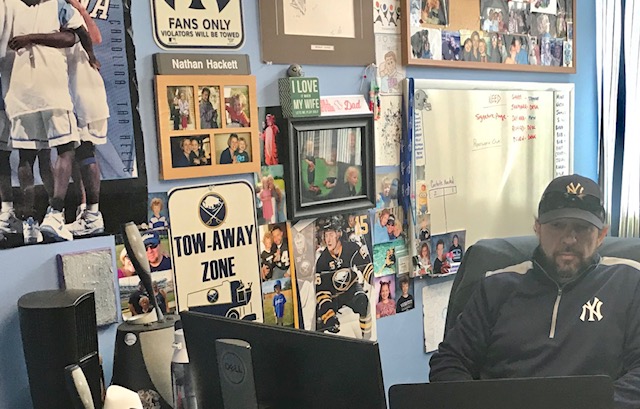
YAP’s Nate Hackett providing teleservices to program participant

As part of President Barack Obama’s My Brother’s Keeper (MBK) Alliance, Assistant Director James Schuler leads initiatives that focus on building safe and supportive communities for boys and young men of color.

YAP Assistant Director James Schuler

Amid the COVID-19 pandemic, YAP has been delivering video and teleservices and practicing social distancing when delivering food and cleaning supplies to families.

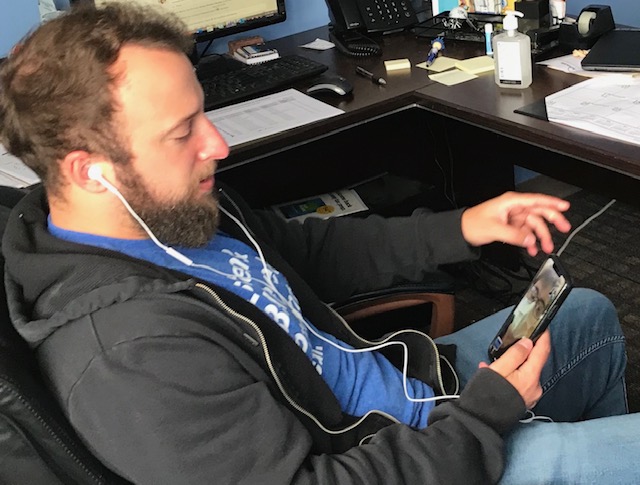
YAP’s Brett DeJohn providing teleservices with program participant

“We had been driving by youths’ homes to celebrate their birthdays,” said Wayne County YAP Director of Programs Mike Crespo. “Someone came up with the idea of doing a parade — going by to see all our families, something to lift everyone up.”

The team went into action with each staff person contributing ideas about ways to make it special.

“One of our Advocates printed off some positive uplifting messages. We had signs, balloons, noise makers and even wrote a message on the cars,” Mike said. “I told the police chief in town, ‘this is what’s going on.’ Everybody was just with it. They said ‘you guys are awesome. This is great.’”

Word of the parade traveled fast, among the young people and families YAP serves and many other Wayne County families.

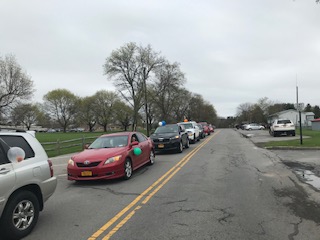
YAP Team paraded past program participants’ homes to encourage, motivate and inspire them and their families

By most measures, it was a small caravan – about a dozen cars driven by YAP staff members. However, on a YAP scale, which measures pivotal life moments, the outcome was considerable.

“The goal was for the families we work with to show them that we’re here for them daily — as a team — and that we will continue to support them through this pandemic. “We wanted the kids to see everybody.”

The parade included about a dozen YAP staffers’ cars

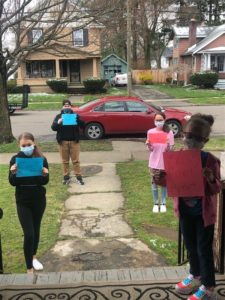
One by one, the parade floated along its planned route, honking horns, sounding the noise makers, and playing music. Children of all ages and adults gathered in windows and on porches smiling, waving, and cheering.

“It was cool,” Mike said. “It was a great day and the families loved it.”

Meet Jesse A. Cruz, Author, Advocate and Brother’s Keeper

If you’ve ever met a Youth Advocate Programs (YAP), Inc. Advocate, you’ll understand the key to the organization’s effectiveness as a provider of community-based alternatives to youth incarceration and out-of-home placements. With programs in 29 states and the District of Columbia, this year, YAP celebrates 45 years of keeping young people out of institutions with home-based youth and family services delivered by specially trained staff Advocates.

Wayne County, NY Youth Advocate Programs (YAP), Inc. Program Coordinator and author, Jesse A. Cruz

Nine years ago, Jesse A. Cruz joined YAP as an Advocate. A U.S. Army Iraq war veteran and now Program Coordinator for Wayne County, NY YAP, he is one of the staff who represents the organization as part of President Barack Obama’s My Brother’s Keeper Community Alliance.

YAP Advocates provide intensive mentorship focused on empowering youth to identify their strengths and connect them to accessible resources to help them in their personal, educational and career pursuits. At the same time, the Advocates connect youths’ parents/guardians with tools to firm their family foundation.

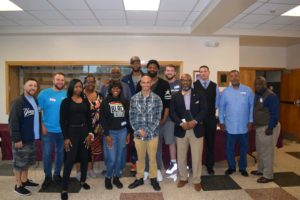
Jesse A. Cruz (center) with Wayne County, NY Youth Advocate Programs (YAP), Inc. co-workers

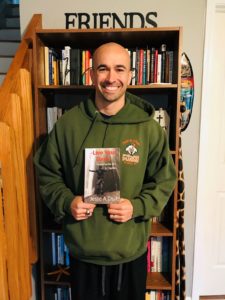
A husband and father, Jesse is also a motivational speaker and author of Live Your Dash – Discovering the 8 Fs to Freedom, which he talks about in our interview in the video above.


Youth Advocates Strengthen Family Bonds with Social Distancing Photo Challenge

0
AD Gloria with Tanner her partner

Chemung County YAP Assistant Director Gloria with her partner

Advocate Chastity and Nathania

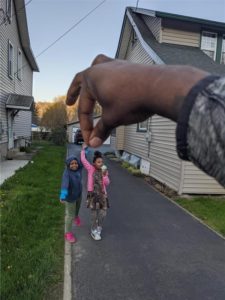
Chemung County YAP Advocate Chasity and program participant, Nathalia, and her sisters modeling social distancing

Advocate Sophia with son, Brayden

YAP Advocate Sophia with son, Brayden

Brooklyn with Angela and sister

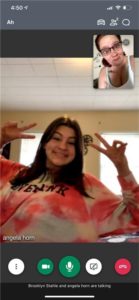
YAP Advocate Brooklyn with program partiicipant Angela...and her sister Mallory

Antwon and grandmother

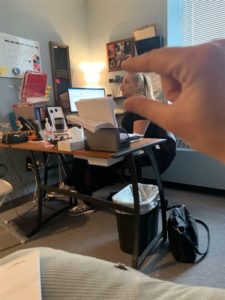
YAP program participant Antwon keeping his safe distance during a visit with his grandmother while video chatting with his Advocate, Mitchell

caitlin's cat breaking the rules

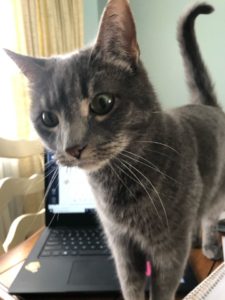
Chemung County YAP Program Director Caitlin's cat breaking the social distancing rules

gloria and frankie again

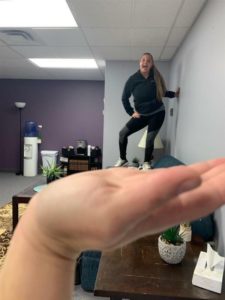
Chemung County YAP Assistnat Manager Gloria and Administrative Manager Frankie keeping it soically distant in the office

Gloria and Frankie in office

Chemung County YAP Assistnat Manager Gloria and Administrative Manager Frankie keeping it fun and soically distant in the office

Kyree and Mom

YAP program participant Kyree and his mom during a video chat with Advocate, Chasity

Nick and twins Angel and Faith

YAP Advocate Nick and is twins, Angel and Faith

pp andrew sending dad off to work on video chat

Program participant Andrew sending his dad off to work .... You're in good hands, Dad.

PP Trista and Advocate Sandra

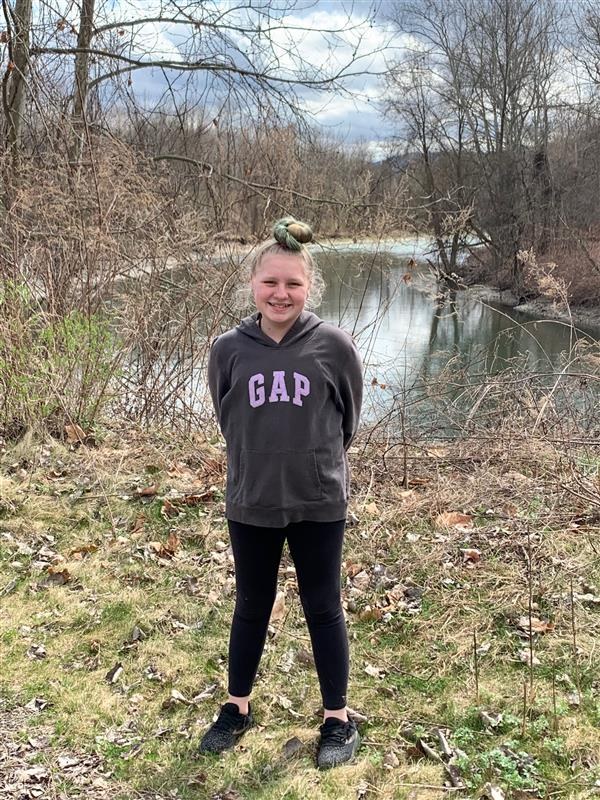
YAP program participant Trista and Advocate Sandra -- hiking while safely distancing

Program participant Leivi outide with Advocate

Program participant Leivi -- on a socially distanced visit with his Advocate, Mitchell

program participant xavier and his pet fish

YAP program participant Xavier and his pet fish

Sandra and Caitlin in office

YAP Program Director Caitlin with YAP Advocate Sandra -- safely distanced effectiveness

Nick Rosenbloom and Maurice

YAP Advocate Nick with program participant, Maurice

AD Gloria with Tanner her partner Advocate Chastity and Nathania Advocate Sophia with son, Brayden Brooklyn with Angela and sister Antwon and grandmother caitlin's cat breaking the rules gloria and frankie again Gloria and Frankie in office Kyree and Mom Nick and twins Angel and Faith pp andrew sending dad off to work on video chat PP Trista and Advocate Sandra Program participant Leivi outide with Advocate program participant xavier and his pet fish Sandra and Caitlin in office Nick Rosenbloom and Maurice

Welcome to a virtual photo exhibit featuring Chemung County, NY Youth Advocate Programs (YAP), Inc.’s program participants, families and staff. Partnering with social services, Chemung County YAP works with youth who are at risk of being in out-of-home placement and helps reunify others when they return home.

“The photos show how we’re promoting social distancing, leading by example in our own community — and even through the pandemic — still delivering services,” said Gloria, Chemung County YAP assistant director.

YAP Advocates help young people identify their gifts and talents and connect them to tools to positively pursue their goals. The Advocates, who are mostly neighborhood-based, also empower program participants’ parents and guardians with individualized tools they need to firm their foundation. They do this by meeting youth and families where they are. With the onset of the COVID-19 pandemic, services are now almost exclusively virtual. The photo challenge became a tool everyone could creatively customize.

“We’re most successful when we’re engaging youth and families in activities. Our biggest challenge with video teleconferencing was finding ways to keep everyone engaged,” said Caitlin, Chemung County YAP program director. “This photo challenge gave everyone something fun to do while teaching the importance of social responsibility through social distancing. I’m amazed and proud of my team.”

The Chemung YAP team gathered the photos over the past several weeks.

“They show our dedication to our community’s health efforts.,” Gloria said. “With the help of our program participants, their families and ours, we demonstrated the importance of leading by example.”


Shifting Gears – From Face-to-Face to Virtual Community-based Youth Justice/Child Welfare Services

0

By Jenilee Pollan, Assistant Program Director, Ulster County Youth Advocate Programs (YAP), Inc.

A huge focus of our work at Ulster County Youth Advocate Programs (YAP), Inc. is coordinating with Ulster County School District to ensure our program participants are doing their schoolwork. Our county has been giving kids Chromebooks so YAP staff are making sure all of our kids have one, and if they don’t, staff go pick up the devices or school packets and deliver them to their homes.

We have been successful in working with program youth virtually because we are truly meeting them where they are. We ask them about the games they are playing, the apps they are using and the devices they have at their disposal. Most of our kids are aged 13-16; and they love video games. We have also been lucky with getting youth to play chess and board games via FaceTime, but it depends on the child, their interests, and ultimately what they have access to. Playing games with young people gives you a chance to have interactive conversations about how they are feeling; it offers the opportunity to help them feel comfortable, which gets them to open up.

YAP Advocate used social distancing to help a program participant tune his guitar

We discuss feelings regarding COVID-19, social distancing and how it is affecting us, them, our community and families. This week we are implementing virtual basketball drills and BINGO. The majority of our male clients absolutely love basketball and the Advocate coordinating this activity is one who usually does groups at the YMCA, so we thought, why not do virtual basketball groups?

We utilize Zoom to bring clients, staff and families together through our weekly Anger Management/Coping with Stress During Social Distancing COVID-19  group. In one of these sessions, the youths made stress balls and communicated with one another about how they are feeling.

We also hold several cooking classes during the week that are led by our Advocate/professional Chef Zach. One day, he hosted a group where youths and their moms made chicken with barbecue sauce (from scratch) using ingredients they already had.

YAP Advocate Chef Zach used Zoom technology to teach young people how to make barbecue sauce and create innovative meals with it

This group was wonderful; it brought families together, we witnessed it on Zoom and it was inspiring to see moms who might otherwise be critical of their sons see the positive in them and work together with them to make a meal.

The key to all of this is to be creative and use the bond you have built with your kids before COVID-19, and above all, meet them where they are. FYI, while our kids now love our virtual group activities, the first few weeks were tough. We had to think outside of the box, collaborate, research and ultimately we had to ask them what they want to do and what they are willing to engage in. They are why we are here in the first place, to help them identify their gifts and how they want to use them to achieve their goals.

Editor’s Note: Youth Advocate Programs (YAP), Inc. is an alternative to youth incarceration and congregate placement serving communities in 29 states and the District of Columbia. Learn more at YAPInc.org.

They Could have been in Youth Detention or Placement; Instead they’re in their Kitchens, Cooking with their Moms

0

Kingston, NY (April 22, 2020) – It’s Friday, going on 5 pm, and Cam, 15, Gabe, 12, Raymond, 14, and Stephen, 17, are in their kitchens – some with their moms — making chicken parmesan. With every step, they turn to their laptops or phones, where Zach Berger instructs and cooks along with them. Zach is their Advocate with Ulster County, NY Youth Advocate Programs (YAP), Inc. a community/family-based alternative to youth incarceration and other out-of-home placements.

Stephen teams up with his mom for his virtual cooking lesson


Chef Zach teaches twice-weekly virtual cooking classes to YAP participants

YAP Advocates provide a unique form of intensive, individualized mentoring that helps youth who face complex challenges identify their strengths and pursue positive paths to use them. Simultaneously, the Advocates work with each youth’s parents/guardians to connect them with tools and resources to firm their family’s foundation.

Zach, 31, created the virtual cooking class when the COVID-19 pandemic forced him and his fellow Ulster County, NY YAP Advocates to work with their leadership to develop teleservices to keep youth on track with their individualized service plans.

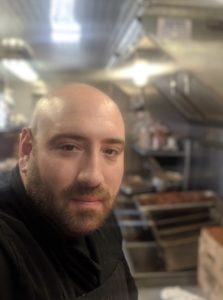
Zach, a part-time YAP Advocate, is a full-time caterer and private chef

“We were struggling to come up with ideas at first,” said YAP Assistant Director Jenilee Pollan.

A part-time YAP Advocate, Zach is building a business as a private chef and caterer. It’s work that has all but disappeared with the onset of the pandemic.

“When we were brainstorming, I remember saying to Zach, ‘You cook. Why not cook virtually?”

Prior to the pandemic, as part of his work as an Advocate, Zach had been teaching cooking classes at the YAP office.

“We kind of got lucky, said YAP Program Director Hannah Calhoun. “Zach loves teaching and he’s great with the young people. He also likes to experiment. His creative food side has been extremely helpful and very useful.”

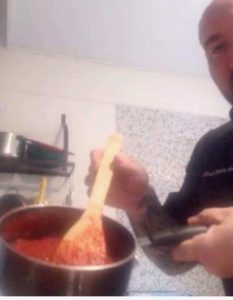
Chef Zach taught the youths how to make their own pasta suace

A year into his nearly five years with YAP, Zach took time off to go to Peru, where he co-owned a restaurant featuring all things local – building materials, fruits, vegetables and meats. His passion for sustainable dining started during his senior year in high school when he earned college credits in an environmental science program. He continued his studies at Tompkins Cortland Community College in Dryden, NY.

Zach encourages YAP program participants to believe in, focus on and use accessible tools to achieve their goals. He shares stories with them about his travels throughout South America — the Amazon — and stops along the way. He tells the young people that he’s been to 26 countries and plans to visit many more. But he also talks to them about difficulties and hard work —  busing and waiting tables — and he’s open about setbacks, like healing from a painful breakup and battling depression.

Initially, the YAP team envisioned Zach’s classes as a youth group activity. But organically, they became more of a family affair.

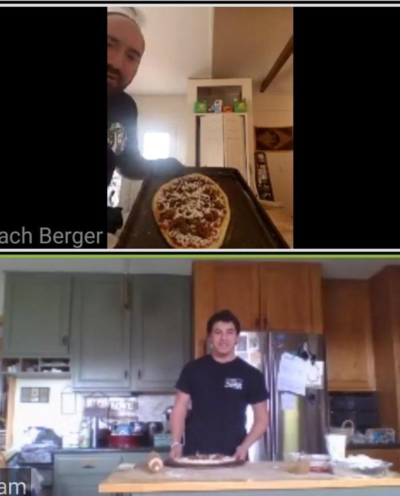
One of Chef Zach’s first virtual classes taught students how to make pizza and other meals with homemade barbecue sauce with existing ingredients
Cam leans in to show Chef Zach how he’s progressing

“At first it was more because I needed their parents there for supervision,” Zach said. “I was doing cooking classes once or twice a month in the office with just the kids. Turns out it was even better when everybody had a kitchen and families were able to work together.”

There have, however, been some hiccups.

“I’d have to say the first day, it went bad.,” Zach said.

For some parents, turning the kitchen over to their children, especially considering their sons’ track records of getting into trouble, was a challenge.

“I called them after that class and said we need the youth to build the skill. I told them we want parents involved, but they have to trust their children; to give them this moment to learn,” Zach said. “For the most part, it’s working out naturally now; they’re doing this together and they’re smiling.”

A few days before each class, Advocates let the families know what they’ll be preparing. Zach works to use recipes that include ingredients the families likely already have. The team goes to a local food pantry and gathers the additional ingredients. Zach and the other Advocates drop the items off at the families’ homes in time for each classs.

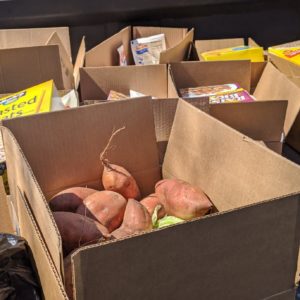
A local food pantry provides extras


YAP Advocates deliver needed food items in time for the virtual classes

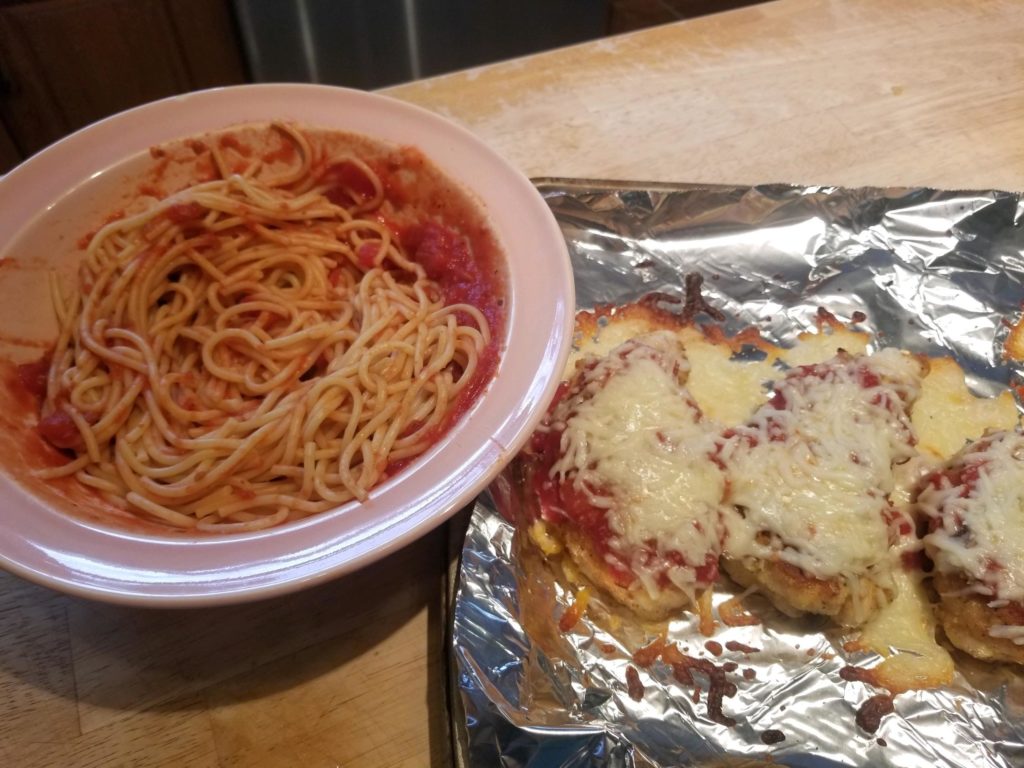
For the chicken parmesan, there were two video classes, Wednesday’s, where the YAP participants made their sauce, and Friday’s session, where they cooked the chicken and pasta that completed the meal.

Shortly after Friday’s Zoom class began, Zach reminded everyone to wash their hands – at least 20 seconds – with soap and water.

Then the lesson began. He told his students to separate their chicken cutlets from their containers of flour and breadcrumbs and said they’ll need two or three eggs.

Chef Zach takes time to answer questions as he cooks along with the youths

When Gabe said he didn’t have eggs, Zach (who is also a guitarist), told him how to improvise.

Raymond, who was not on camera but following along using audio, mentioned that things didn’t go so well earlier in the week when he accidentally burned his sauce.

Zach encouraged him, letting him know every chef burns food, especially early on when they’re learning. At the same time, he patiently demonstrated how to dip the chicken into the egg, then the flour, back into the egg and then the breadcrumbs.

Throughout the class, Zach took time to answer questions.

“How much oil in the frying pan?”  “What’s the boiled water for again?”

The moms worked hard not to hover but were actively involved. For a few minutes, a dad joined, too.

“Is it cool — spending time like this with your moms?” The answers came in quick nods, slight smiles, and from each young chef, a quiet, “yes.”

The YAP participants cook enough for family dinner

Zach told the youths that his love for cooking started in his childhood kitchen where he prepared meals with his mom and dad.

“it’s good,” said Stephen’s mom. “Everyone has to be a team,” Cam’s mom added. “He’s in charge of the egg and flour; I’m in charge of the breadcrumbs.”


Pre-plated chicken parmesan

As the chicken went into the ovens, Zach showed his trainees a type of pesto made from a locally grown vegetable. When no one guessed the name of it, he told them it’s ramps, a regional plant that grows for a short time and tastes like garlic. Zach topped off his dish with the ramps, and like any celebrity chef, turned his perfectly plated dish towards the camera.

Chef Zach’s plated chicken parmesan

The boys took their turns, proudly showing off their’s too. Everyone agreed that it was all pretty impressive. The young men were proud, not just of what they’d prepared for dinner, but of how they felt knowing that they’re also preparing for their futures.
“I usually do outside work, change oil and tires and mow the lawn,” said Stephen “This is a trade that can benefit me in the future.”  He turned to his mother and smiled. “It makes me realize what she does — how hard she works in the kitchen for us.”

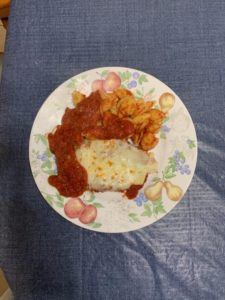
Chicken parmesan prepared by YAP participant

“I get to do things with other people and socialize and learn new stuff too. And I love it,” Cam said.

‘It’s wonderful. It brings families

YAP participant’s chicken parmesan

together.  It’s inspiring to see moms who are often in conflict with their sons work so well with them, positively, to make a meal,” said Jenilee.

You can follow Zach on Instagram @food_master_flex. Learn more about YAP at YAPInc.org.

Chef Zach giving the YAP participants a thumbs up for a job well done. Bon appetit!

Amid Global Pandemic, Advocates Stay Focused on Keeping Youth Safely Home and Out of Placement

0
Practicing social distancing, YAP participant Erick worked with his Advocate to deliver food and supplies to neighbors in first week of pandemic

Employing technology and practicing social distancing, Youth Advocate Programs (YAP), Inc. remains focused on its mission to provide community-based support to young people who would otherwise be incarcerated or placed into congregate facilities. An alternative to youth prison and out-of-home placement, YAP partners with youth justice, child welfare and other family services systems in 29 states and the District of Columbia.

“YAP program participants struggle during normal times. With the pandemic, the young people and families we serve are more at risk than ever,” said YAP CEO Jeff Fleischer.

The nonprofit’s neighborhood-based Advocates are trained to help young people identify their strengths while connecting them and their families with tools that help them achieve their goals. Advocates work with each youth and family to design an individualized service plan that meets their unique needs, whether it be completing school, applying for a job, or receiving substance use and/or behavioral health services. With most program participants, the needs also include basics, like help with food or utilities.

Since the onset of the coronavirus crisis, YAP Advocates have been more in tune than ever with the needs of program participants. In Clark County, Nev., Advocate Leticia “Tee” Ward works with two younger program participants, with whom she created an age-appropriate conversation starter.

Clark County, Nev. program participants worked with their Advocate on an art project that helped them share their feelings about the pandemic

“I planned an activity for them to create a canvas of a flower that represents them,” she said. “We always discuss ways to change their thought process and help them ‘blossom’ from the darkness that surrounds them. They both drew their flowers, and so did I,” she said.

Clark County, Nev. youths expressed their feelings about the pandemic through art

The activity provided an opportunity for the youths to express how they’re coping with so much change, particularly in light of challenges that existed prior to the pandemic.

Artwork from Clark County, Nev. YAP participant

“[One program participant] said that even though there seems to be a lot of darkness around her, she still finds hope in the center and prays that it continues to grow,” Ward said. “[The other] said she doesn’t see darkness, but she hopes to one day plant seeds of hope and positivity so that her life will be filled with beautiful bright flowers.”

The pandemic has also created an organic opportunity for older program participants to give back to their families and neighbors.


Erick, a Maryland YAP participant, practiced social distancing as he took part in community service project, delivering food to neighbors

Erick, a YAP program participant from Maryland, and his Advocate, Patrick Nowmonoh, were among a group of Montgomery and Prince George’s Counties teams that have been distributing food, hygiene products and cleaning supplies in their communities. While practicing social distancing, they hope to alleviate community stress.

“On the team’s first distribution day alone, over 20 plus families received meats — chicken, fish, turkey, beef, pork and chicken nuggets,” said Metro YAP Program Director Syl Parson. “Erick and Patrick and the others also distributed toilet paper, water, paper towels, bleach and other cleaning supplies, soap, hand sanitizer, cereal and other non-perishables as well as potatoes, onions, vegetables, body wash, hair and beauty supplies and more.”

The Maryland distribution was an extension of one of YAP’s many partnerships with local community organizations that serve as service project supported work partners for program youth.

“Our partnership with Holy Mountain Ministries grew last spring and summer, when our program wrote letters on the organization’s behalf for various donations from Walmart, Target, Chipotle, Aldi, Giant and CVS,” Parson said.

YAP is working in similar ways in communities across the country, making necessary connections to keep the foundation of families firm so that program participants can stay focused on their goals.

“This is our mission, to help and serve, especially during crucial times,” Parson added.

COVID-19 Relief Fund Safeguards Community-Based Alternatives to Youth Prison/Placement


Confronted with challenges brought on by the coronavirus pandemic, Youth Advocate Programs (YAP), Inc. has launched a special COVID-19 relief fund. A national nonprofit, YAP partners with youth justice, child welfare and other social services systems to provide community-based alternatives to youth prison and out-of-home placement in 29 states and the District of Columbia. With the pandemic, YAP — which marks its 45th anniversary this year — faces its biggest challenge ever. While safe, socially distanced services continue, some program funding has disappeared.

“YAP program participants struggle during normal times. With the pandemic, the young people and families we serve are more at risk than ever,” said YAP CEO Jeff Fleischer. “How our nation emerges from this pandemic will be largely impacted by the outcomes of families and communities that were struggling before the crisis began.”

To learn more and donate, visit yapinc.org/covid19.


Teleservices Keep Advocates on Track with Keeping Youth out of Prison and Placement & Safely Home

When Anthony Stanziale started hearing news reports about the coronavirus (COVID-19) pandemic, his first thought was, “How is this going to affect young people in our program?” Anthony is an Advocate with Delaware Youth Advocate Programs (YAP), Inc., where he supports young people on probation when they come home from detention facilities.

YAP’s individualized intensive youth mentoring and holistic family support model serves as an alternative to out-of-home placement. YAP partners with child welfare, youth justice and other social services systems in 29 states and the District of Columbia.

“I worked in education for ten years before I became a YAP Advocate,” Stanziale said. “I watched kids struggle and wanted to go the extra mile. As an Advocate, I have the freedom to provide all the support youth need. We go to their court dates with them, help them get jobs and help their families at the same time.”

By mid-March, school districts across Delaware were closing and employers were sending workers home. Delaware YAP Program Director Ian “Jahiti” Smith urged his staff to practice social distancing and creatively develop and implement virtual services. It was important that teleservices adhere to the 45-year-old nonprofit’s model of helping young  people identify their strengths and connecting them with tools to achieve their goals.

“Fortunately, youth and families in our program all have face-to-face technology that we’re using to provide services,” Stanziale said. The Delaware YAP team, some of them musicians, quickly brainstormed and worked together to create teleservice activities and schedules to keep young people and families on track. For his contribution to the idea pool, Anthony put on his former middle school teacher hat.

YAP Delaware Advocate Anthony created a coronavirus pandemic resource newsletter for families
YAP Delaware Advocate Anthony Stanziale created an easy-to-access resource newsletter for program participants’ families

“There are all kinds of online learning resources in addition to grade-level digital classroom work that parents need to make sure their kids have, he said. “For YAP program youth, missing school can mean missing meals; I wanted to make sure parents had a way to easily access all the resources they’ll need.”

Stanziale researched links to statewide school district classroom assignments as well as times and locations for school bus meal drop-offs, grab-and-go lunch pick-ups, and neighborhood food banks. He put all the information in a single document that would become a Delaware YAP Family News You Can Use digital resource. Three weeks into the crisis, Stanziale has published a second newsletter that includes information about coronavirus testing and other health resources.

“The easiest way for us to get information to youth and families is by text,” Stanziale said. “I wanted to keep it simple; so, I just created a PDF document with all the links. We send it by cellphone so it’s easy to access and save as a picture.”

The Delaware YAP team has not missed a beat. They’re using technology to keep program youth engaged, while also ensuring that their family foundation is as firm as possible.

“We’re now using FaceTime and Zoom to support the young people in our programs and their families. That includes working with parents to support their technology needs so they can be actively involved with their child’s individualized service plan.”

This week, using teleservices, Stanziale helped two program participants locate potential job opportunities and fill out online applications.

“Especially now with the need for more employees at grocery stores, the job market is great for young people. The Delaware YAP team is using all our talent and resources to help program participants become successful and stay out of placement.”

Learn more about YAP at www.YAPinc.org.


Tuesday Nelson is Growing up and Choosing to Change

0

Two months before her 21st birthday, Tuesday Nelson is turning an important corner in her life. Last month, she started her first job at Coopers Hawk Winery and Restaurant in Chicago. While the coronavirus (COVID-19) pandemic has sidelined her for the moment, she did get to feel the rush of getting her first paycheck; and she looks forward to rejoining the Coopers Hawk team when everyone’s back to work.

Nelson was one of the first participants in Choose to Change (C2C), a program aimed at curbing gun violence in some of Chicago’s most highly impacted neighborhoods. Developed  by Youth Advocate Programs (YAP) and Children’s Home & Aid, C2C has partnered with the University of Chicago Crime Lab and Education Lab to study the impact of this program for young people. Early results suggest C2C reduces the likelihood that program participants will have any contact with the youth justice system over the longer term, reducing the probability of any arrests by 33 percent two and a half years after the program ends.

The six-month C2C program provides intensive mentoring and “wraparound support” from YAP with behavioral health services from Children’s Home & Aid, including 12 to 16 trauma-informed therapy group sessions called SPARCS (Structured Psychotherapy for Adolescents Responding to Chronic Stress). C2C participants, ages 13-18, may be actively or at risk of becoming gang involved; on youth probation; previously found guilty of weapons offenses; disengaged in school through chronic truancy, serious misconduct and/or frequent suspensions; and/or have been victims of traumatic violence.

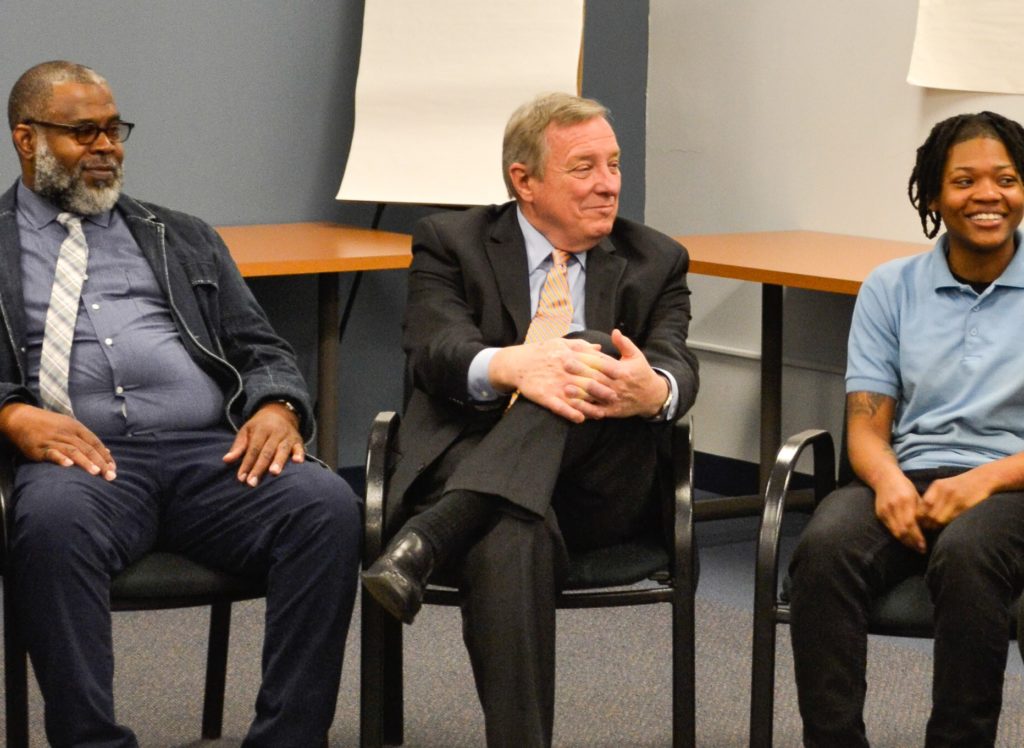
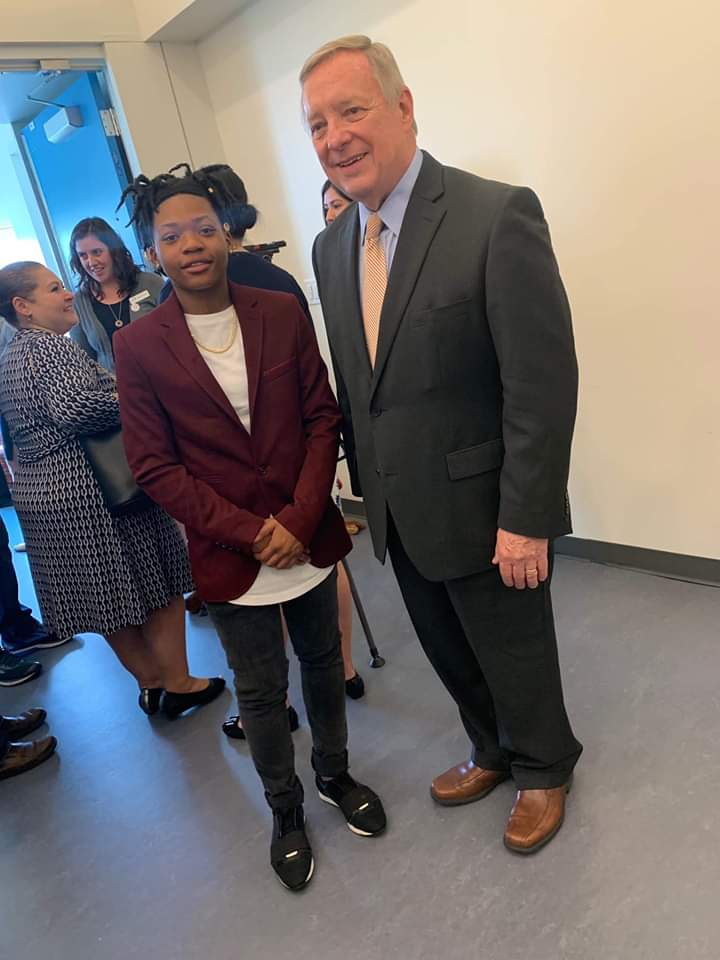
Tuesday and Choose to Change (C2C) Director Chris Sutton during an informational gathering with U.S. Senator Dick Durbin

When Nelson first got involved in C2C, she was dealing with a lot of stress. Nelson was a student at Chicago Excel Academy of Southwest, where she landed after a month of being home when she was expelled from Curie High School. Months earlier, she had come out to her family, sharing with them that she’s gay. Nelson had also recently experienced a heartbreaking loss.

“I had just lost my homie; he died in a car accident,” she said. “I was happy to be doing something outside of school.”

For Nelson, choosing to change meant learning to see and appreciate her strengths and discovering positive outlets to make them work for her. It also meant understanding how childhood trauma informed the choices that got her into trouble during her youth.

“My parents separated when I was three and as a young mom who grew up in foster care, it wasn’t easy for my mother to raise five kids,” she said. “A lot of times we didn’t have lights. I would go to a neighbor’s house to get buckets of water. I never asked for much and did what I could to help.”

By the time she was in the sixth grade, Nelson had been in three grammar schools, fighting with each move to ward off would-be bullies and maintain her reputation as someone not to be messed with.

“I always felt like the teachers didn’t want me there. And the kids were always teasing me, mostly about my name, but other stuff, too,” she said.

Most of Nelson’s friends were boys, her homies, who like her, saw their share of trouble. Her first run in with police was in the sixth grade when she and her crew got arrested for “jumping another kid.”

“I wasn’t even scared. They fingerprinted me and everything. I waited four hours before my mom came to get me,” she recalled.

As a high school student at Curie, Nelson sold chips, candy and other corner store snacks to make money to take care of herself and her family. “I guess I was always trying to help my mother – to protect her; I was trying to do everything on my own,” she said.

One day, when someone told Nelson that the principal was going to confront her, she gave her stash to a classmate to hold onto. She said days later when the boy refused to return the snacks or pay her for them, she and her homies went after him.

“Curie suspended me for five days, then five more days before finally expelling me,” she said. “I also got charged with assault and robbery.”

Nelson said through C2C, she attended sports and cultural events outside of her neighborhood, which opened her eyes to new opportunities. At the same time, her mentors connected her to accessible tools and resources in her community to nurture her evolving interests.

“My talents are producing and writing music,” she said. “My gifts are how I process things; my sweetness with helping my family and friends. They’re things I always had, especially with pretty much raising myself.”

Nelson said the C2C program’s SPARCS sessions helped her connect the dots between her childhood trauma and the unsafe choices she made while growing up.

“I was always the strong one, always tried to help my mama. She didn’t have a mother, so she didn’t always know that I needed certain things from her, but I realized it still hurt my feelings.”

Nelson graduated from high school in 2018 and maintained contact with her C2C mentors as she explored several job training and career options, including making music, which she has continued to do. As a former program participant, she has met with U.S. Senator Dick Durbin (D-IL) and others who are interested in learning about C2C.

Tuesday with U.S. Senator Dick Durbin at his 2019 news conference announcing bipartisan legislation to increase support for children exposed to adverse childhood experiences and trauma

Today, for the first time, Nelson can see the prospect of real change and independence – sharing rent with roommates, maybe even buying a car. But her first priority was purchasing something she has been wanting for a long time.

“I had been sleeping on two couches pulled together. The first thing I did when I got paid was bought my own bed.”

For more information on Choose to Change, please click here.


Dee’s Positive Progress Report: “Adulting” after a Childhood in Foster Care

On a cold February Baltimore morning , Dee is excited to bring Youth Advocate Programs (YAP), Inc. Program Coordinator Chasity Dorsey up to speed on what’s happening in her life. A 24-year-old who spent her childhood in foster care, Dee has had her share of challenges. In fact, when she last spoke to Dorsey a few months ago, she was struggling. But today, Dee has great news — this afternoon, she has a job interview with Amazon. 

Marking its 45th anniversary in 2020, YAP is a nonprofit in 29 states and the District of Columbia that partners with child welfare and youth justice systems to provide community-based alternatives to placing young people in institutional care. YAP Advocates receive special training to provide holistic “wraparound” services including intensive mentoring that empowers young people to identify their strengths while connecting them to tools to achieve their goals. Dee has kept up with Dorsey since she was in high school and a participant in a special YAP program for foster youth who would soon be transitioning out of the system.

“My Advocate was a great role model. She connected me to yoga, community college, counseling – so much,” Dee said.

They were tools that have empowered her to get back on track during the times that her life has gone off course. Dee’s story is an example that for systems-involved youth, a rocky road to independence is made smoother with support. At times, her journey has been obstructed by pain, fear and insecurity fostered by a childhood in strange homes and for a few months in the apartment of a young parent ill-prepared to care for a little girl toughened by the system. She credits YAP for helping her see and appreciate her intelligence, courage and resilience.

That afternoon at Amazon, Dee leaned on all her strengths to sell her best self during the interview. The next day, she got word that the job was hers. The next time she checks in with her friends at YAP, she expects the news to be even better as she takes a huge step in her young adult journey.

To learn more about YAP, please visit YAPInc.org.


With a Little Push from her Advocate, 19-Year-old Nia Sprints Past Life’s Hurdles Towards Her Goals

Almost every day, 19-year-old Nia runs – fast. 

She’s a second semester freshman on the track team at Rowan College of South Jersey. A sprinter, she competes in 100, 200 and 400meter dash and relay events. For Nia, running is more than training or about reaching the finish line first. 

“I use it as my outlet for anger and all my stress…that’s what pushes me on the track,” she said. 

College was Nia’s plan B. She completed high school early and planned to enter the Air Force, but asthma cut that hope short.  

When she was 17, Nia lost her fatherShe had moved in with her grandmother when her caseworker referred her to Gloucester/Salem Youth Advocate Programs (YAP), Inc.’s Life Skills program. An alternative to out-of-home placement in 28 states and the District of Columbia, YAP has special programs for transition-age youth to help them become independent. 

YAP Life Skills Coordinator Audrey Owens (L) with Nia (R)

During our time together, Nia started to focus more on her future, such as taking and passing her driving test, purchasing her first car, applying to school, and applying and getting accepted into an independent living apartment building,” said Nia’s YAP Life Skills Coordinator and Advocate Audrey Owens. 

YAP Advocates provide intensive mentoring that helps young people see and realize their strengths and gifts while connecting them and their parents/guardians with tools to help firm their foundation. 

One of the tools available to YAP participants and their families is the Tom Jeffers Endowment Fund for Continuing Education Scholarship. Nia applied for and received the scholarship and opted to use her one-thousanddollar award for a new laptop computer.  

“I just passed my first semester as a nursing major,” she wrote in her scholarship application letter. “I have enrolled in biology, chemistry, psychology, and my second English course for spring. I believe I am a determined student and will do whatever it takes to reach my college and career goals.”   

Nia chose nursing because she wants to help people in need, particularly women going through labor and birth. She said her mother is a nurse, so it’s also a tribute to her. Nia’s fortitude is in honor of her late father.  

 “I know he would want me to use my skills as a hard-working and goal reaching young woman to become the best version of myself,” she said.  

 Nia said she always believed in herself, but that having a person like Owens, a “good person,” who reinforced those beliefs, came at a time when she needed it.  

My experience with YAP has been great and I have learned many skills from Ms. Owens that I will carry with me throughout my life.

Santos Robles Helps Youth Advocate Programs Celebrate 45 Years of Transforming Lives and Systems

0

Until now, 34-year-old Santos Robles kept what happened to him two decades ago in the past. But to help celebrate the 45th anniversary of Youth Advocate Programs (YAP), Inc., a community-based alternative to youth incarceration and institutionalization, he’s ready to talk. It’s his way of raising awareness of YAP and thanking the national nonprofit for helping him see his possibilities and connecting him with tools to pursue them in positive, productive ways.

A family man with four children – four-year-old twins and two bonus kids who came courtesy his girlfriend — Robles works full-time at Harrisburg Area Community College as an adviser to veterans. The campus is close to home and not very far from the Lebanon, Pa. neighborhood where he grew up. But there’s a world of difference between where he is now with his life as an adult and where he was back then, as a child.

Santos Robles , 2020

“The first time I got arrested, I was 11. I didn’t know it, but the friend I was with at the time had robbed someone; and I ended up getting charged along with him. It was a horrible experience. It was terrifying,” Robles said. “An officer searched me and didn’t let me button and zip my pants back up. When I walked to the patrol car, they fell down to my ankles. It was humiliating. I tried to be tough, but when my mom came to pick me up, I bawled my eyes out.”

Thinking back to that time, Robles said, “I was only a child. “My daughter’s 11; and I can’t imagine her going through something like that; I look at her and — she’s a baby.”

Santos Robles around the time of his first arrest

Robles was two years old when his father left his home. “He was an addict; my mom and he got into a fight and she kicked him out.”

Robles said his mother worked two jobs to support him and his sister, who’s three years older than him. Hanging around with older boys made Robles feel special, especially when they gave him money for doing jobs, like being their lookout when they sold drugs.

After the arrest, a judge sentenced Robles to five to six years of probation. During that time, violations like being late to appointments, running away, or missing school got him into more trouble, often resulting in detention time.

“At one point, they put me in a foster home,” he said. “Then by the time I was 13, they put me in a shelter, which was a detention facility on the top floor and a group home on the bottom. I was really depressed,” he said. “When I went home, I promised my mom I wouldn’t get in trouble again; but I kept going back to hanging around the same older friends.”

When he was 15, police caught Robles with a bag of crack cocaine that he was holding for one of those friends. This time, the police accompanied him on an airplane ride to a facility in western Pa. He said the experience was a nightmare from the very beginning when he realized that checking in required a strip search.

“The officer assigned to do the searches put me in a room and told me to take my clothes off. I’m looking at this guy and I’m crying so hard. I was just a little kid.”

Robles said the officer was professional, but the experience was nevertheless traumatizing, as were so many during his two-year incarceration.

“In the beginning, I wasn’t allowed to speak; I went months without talking to other kids. I could speak to staff when it was necessary, but we had to get time behind us to earn the right to talk; it was a rule; you’re on a level system and talking was a privilege” he said.

Making it more difficult was the long distance between the facility and home. It was a six-hour drive, something his mother had neither the money nor the time to do too often.

“I did not get a lot of visits. That really sucked. We got to go home on passes, but I’d keep getting in trouble. Being locked up did not rehabilitate me.”

Robles said the most positive thing about the facility were the times he got to meet with the chaplain. He became fascinated with religion, began to learn a lot about  different faiths, and started to consider that with the right opportunities, he could change.

As part of his probation when he was released at age 17, Robles became a participant in YAP, where he met Bob Swanson (now YAP Pa. and Ohio Regional Director), who soon assigned a young man named Ed Harmon to work with him as a mentor and an Advocate for him and his family.

Santos Robles at age 17 after two years of incarceration

“What was different was they treated me like a person. They cared about my interests. When I told them that I was interested in being a pastor; they linked me up with churches to talk to different pastors; they helped me find jobs,” he said.

Robles said Harmon helped him see that he wasn’t a bad person, that he was responsible and had a lot to offer. “I started feeling like others saw the good in me. I got my first job at McDonald’s. It felt amazing,” he said. “If I would have gotten linked up with YAP earlier when I first got arrested, maybe I wouldn’t have gotten into more trouble.”

After the summer when Robles went back to school, he told Harmon that some of the the influences and temptations from his earlier years were still present — that he thought it would be best to drop out and get a higher-paying job and get his GED. It’s a decision that he has never regretted.

Robles got a job at Walmart and began going to church regularly. When his pastor offered him free rent in a shed behind his family’s home, Robles took him up on the offer, cleaning it, putting down carpet and moving in furniture.

“It was my first home away from home; Ed used to pick me up from there. I moved out when I saw a big black rat that looked like a dog,” he chuckled. “I ran out the house; left all my stuff there and moved back in with my mom.”

When Robles’ probation ended, his participation in YAP was over, too.

“I still wasn’t doing the best I could,” he said. “I cried; I was convinced I’d get in trouble and go to jail. I felt really close to YAP and stayed in contact after the program.”

When he turned 18, Robles enlisted in the military. During his service, as he considered future careers, he often thought about his time in YAP with Harmon and Swanson. He wanted to do what they did – help troubled youth get back on track.

“Two months after coming home, I got a job as a YAP Advocate. It was really good to connect with the kids and have them relate to my story,” he said.

A year later, Robles used his YAP experience to get a job at Harrisburg Area Community College. It was an opportunity for him to also enroll in school and earn an associate degree.

Robles and his mother are closer than ever. He has also stayed in touch with Harmon at YAP and from time to time checks in on a few of the young people he worked with when he was an Advocate.

“The one I was closest to is now 21. He was in trouble a lot when I was working with him. His step-dad was a gang member and he’d seen a pretty rough life as a youth,” Robles said. “Now he’s working full-time at a big supply company in town. He has his own place and tells me he wants to go to the military. It’s a good feeling. I see in him the same thing Ed always saw in me.”

Robles realizes that the story of his youth is no longer a secret. He will need to talk to his children and others in his life, something he said won’t be easy, particularly because of that period of time in placement when talking was prohibited. “To this day, I sometimes still struggle to communicate,” he said.

Robles said more important than his struggles are his accomplishments and his gratitude to YAP for making them possible. “I truly believe in YAP; it’s important to keep kids home.”

YAP partners with youth justice and child welfare systems in 28 states and the District of Columbia. To learn more about the nonprofit please visit yapinc.org.


Sharing Some Penn North Love

0

By Baltimore City Safe Streets Penn North/Youth Advocate Programs Crime Prevention Coordinator Wayne Brewton

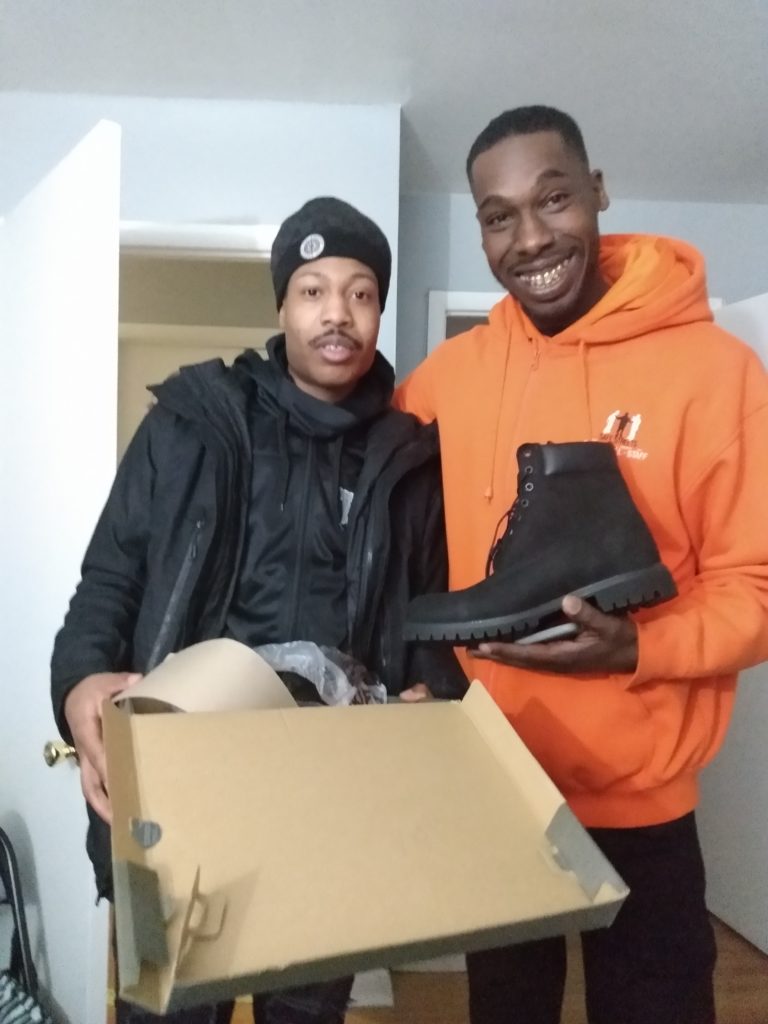
While planning a shoe giveaway, I had no idea how our Penn North community would react. Will they be appreciative? Will they be respectful?

Thanks to a special discount from Shoe City in Baltimore’s Patapsco Village Shopping Center, the Baltimore City Safe Streets Penn North/Youth Advocate Programs team spent the last few days giving away 60 pairs of shoes.

The reason why these two questions constantly invaded my thought pattern is simple. Penn North is the epicenter of the Freddie Gray uprising in 2015. I remember what the world said about the Penn North Community back then on YouTube and CNN.

Surprise, Surprise WORLD! Not only were our young kings appreciative and respectful, they were deeply engaged with our theme of changing the community norm.

Not only do they want Safe Streets they want them NOW. You see our young guys want to be a part of helping us stop the shooting; they want to LIVE. Thank you, young kings for sharing in our love.
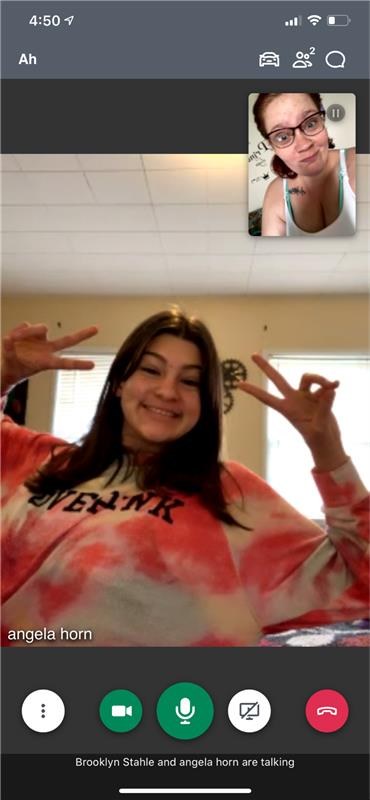
 

Editor’s Note: YAP, which celebrates 45 years in 2020 of providing alternatives to youth incarceration/institutionalization, is Baltimore City Safe Streets’ Penn North neighborhood nonprofit partner. Safe Streets works as a public health approach to reducing shootings and homicides in communities in Baltimore City. Safe Streets staff are men and women who were formerly justice-involved, which lends to their credibility and ability to establish relationships and build rapport to change behaviors and norms of individuals with backgrounds similar to theirs. Safe Streets Penn North/YAP Crime Prevention Coordinator Wayne Brewton returned to the community in 2017 after serving 38 years in prison. Wayne shared his story in this video during another Safe Streets community event. Wayne Brewton, Youth Advocate Programs (YAP), Inc. Baltimore City Safe Streets Crime Prevention Coordinator

Black History Month Celebrations Honor ‘Living Legend’ Lynette M. Brown-Sow

0

(Feb. 25, 2020) This February, as the nation honors African American heroes, the city of Philadelphia is paying special tribute to Youth Advocate Programs (YAP), Inc. Board of Directors Chair Lynette M. Brown-Sow. YAP is a nonprofit that provides community-based alternatives to youth incarceration and institutionalization in 150 communities in 28 states and the District of Columbia with international programs in Guatemala, Ireland and Sierra Leone.
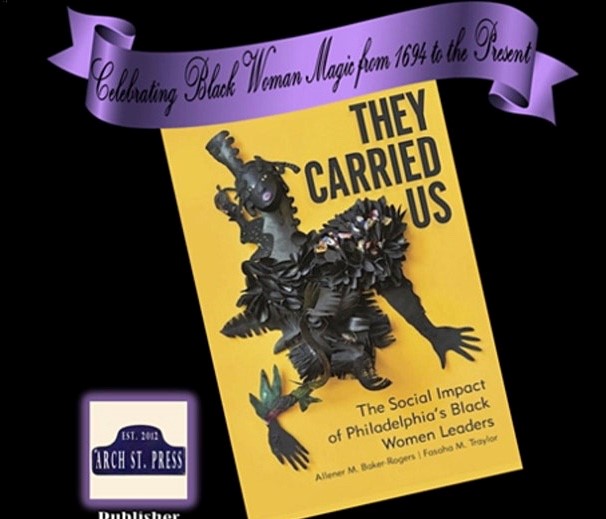
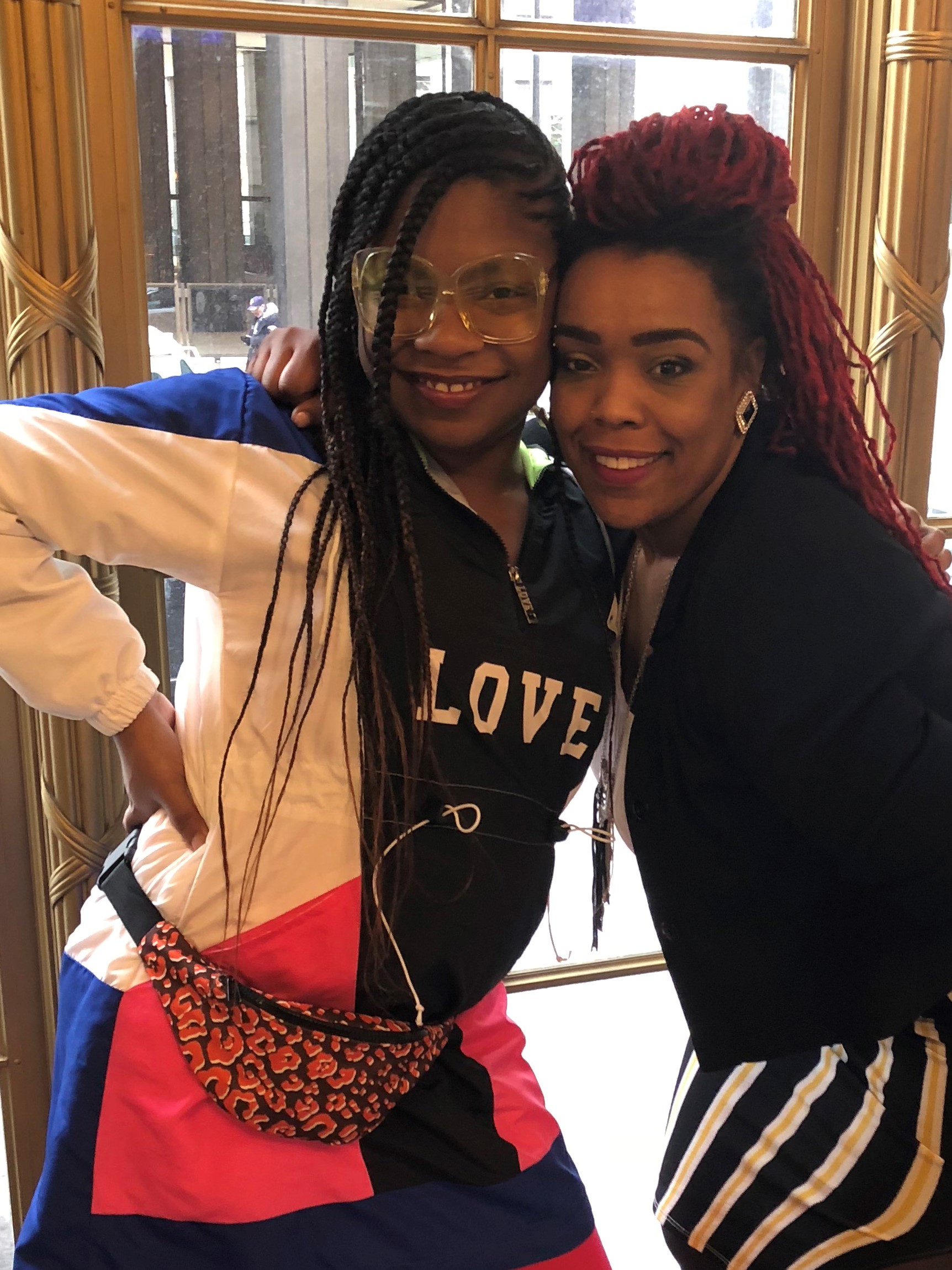
Brown-Sow was among four leaders honored by the Philadelphia City Council as Living Legends. Also this month, Philadelphians will pay tribute to Brown-Sow at “Celebrating Black Woman Magic from 1694 to the Present,” the launch of They Carried Us: The Social Impact of Philadelphia’s Black Women Leaders (Arch Street Press). Brown-Sow is one of 95 women across many sectors whose stories are chronicled in the book by authors Allener M. Baker-Rogers and Fasaha M. Traylor.

Brown-Sow’s Living Legends honor came during a special ceremony at the Philadelphia City Council’s Feb. 20 meeting. She was joined by other honorees – Philadelphia County Court of Common Pleas Judge Frederica Massiah-Jackson and educators Drs. Constance Clayton and Naomi Johnson Booker – along with dozens of friends and family members.

“The Living Legends recognition is made because sometimes people are so busy making history that they don’t take the time to look up and smell the roses and see the accomplishments and things that they have done,” said Councilman Curtis Jones, Jr. “They are making a difference in other people’s lives every single day.”

Introducing Brown-Sow as she presented the resolution, Councilmember Cherelle Parker said it was her privilege to recognize her fellow Delta Sigma Theta sorority sister and Philadelphia alumna chapter member.

Councilmember Parker said Brown-Sow is a well-known leader in the city. “In her role as the Vice President of Government Relations with the Community Colleges of Philadelphia, Ms. Brown-Sow worked diligently at both local and national levels to ensure education for all. She worked with the American Association of Community Colleges as well as the White House to support tuition-free programs at community colleges and maintenance of funding for Federal Pell grants,” she said.

“Ms. Brown-Sow also served as the chair of the Board of Directors for the Consortium, a behavioral health community organization that pioneered a strategy of balancing the input of community leaders and medical experts to expand access to patient-centered behavioral health care models into individual neighborhoods,” Councilmember Parker added. In 2007, the Consortium named its newest service center the Lynette M. Brown Center of Hope.
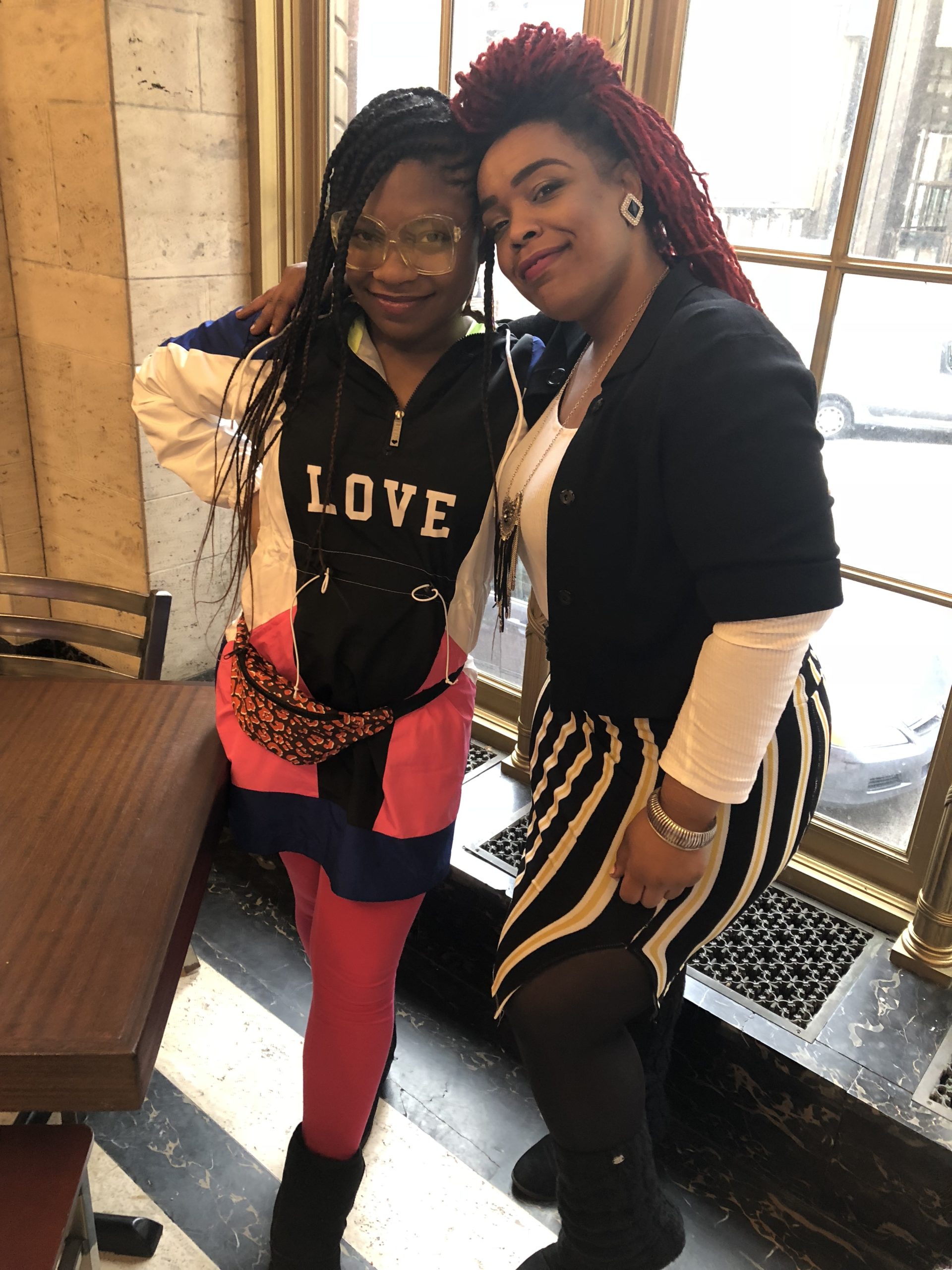
Currently serving as chair of the board of the Philadelphia Housing Authority, Brown-Sow has an extensive governance background that includes serving as a board member with the Philadelphia Tribune Co. Inc., NHS Enterprises, Inc. and The Board of City Trusts. She has been on YAP’s board since 2013, serving as chair since 2016. She has leveraged her considerable experience and influence to help the nonprofit partner with youth justice, child welfare and other systems to provide safe, community-based alternatives to incarceration and institutionalization.
A life-long Philadelphian and West Philadelphia High School graduate, Brown-Sow founded the Hardy Williams Education Fund, which provides scholarships for students interested in law and social justice. As chair and one of the founders of Women of Destiny, she has mentored other professional women of color in an effort to develop new pipelines of talent to serve area corporations and nonprofits.

Founder of L M Brown Management Group consulting firm, Brown-Sow continues to guide communities, businesses and government entities in constructing frameworks that promote progress and prosperity.

Brown-Sow earned a Bachelor of Science in Administration from Antioch University and a M.S.S. in Policy, Planning and Development from Bryn Mawr College. She received a Governing for Non-Profit Excellence certificate from Harvard University Graduate School of Business and a certificate for Strategic Perspectives in Non-Profit Management from Harvard’s Graduate School of Administration.

As part of the celebration of Brown-Sow and others featured in They Carried Us: The Social Impact of Philadelphia’s Black Women Leaders, the honorees will place personal messages and items in a time capsule that the authors will present along with the book to Temple University’s Charles L. Blockson Afro-American Collection.

See the full Philadelphia City Council Living Legends presentation here.


Abriana’s Progress Report: Past Probation, She’s Focused on her College Goals

0

Abriana is sticking to her plan of learning from the mistakes of her past and taking steps towards a positive future.

When the 15-year-old met with TheNeighborhoodAdvocate.org in November, she said since participating in Los Angeles Youth Advocate Programs (YAP), Inc., she went from expecting to grow up to be a “low-life” to having goals of being helpful to her family and going to college. YAP is an alternative to youth incarceration and out-of-home placement.

Los Angeles YAP Program Director Brandon Lamar, whose Watts office is a few blocks from Abriana’s home, reports she’s still on track and doing well. “She’s excelling in all her classes,” Lamar said, adding that by participating in YAP, Abriana was also able to get off probation early.

Check out Abriana and her YAP Advocate Kayla in the short video below.


After a Decade in Prison, Nokomis Hunter’s Future is Poetry in Motion

0

Four years free after returning home from Federal prison, 30-year-old Nokomis Hunter is on a path that has never looked brighter. He has a career with District of Columbia Government, a young family and now, Poetry of a Caged Bird, his recently published collection of poems.

The book chronicles the ten years Hunter spent behind bars beginning at age 16 after a carjacking left him with an adult armed robbery conviction.
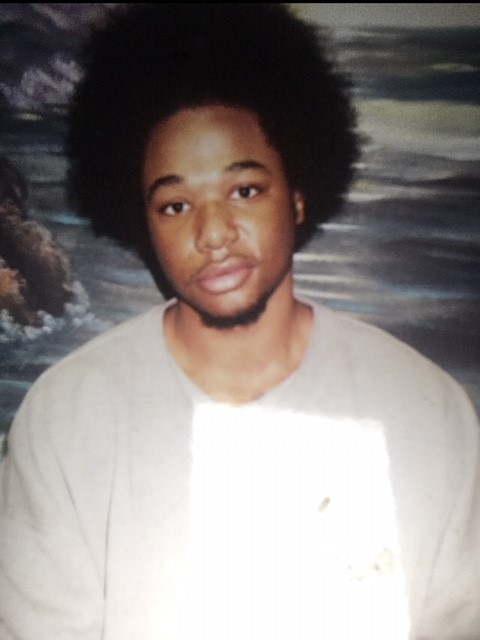

Hunter in Federal prison during a 10-year sentence that began when he was 16

Hunter recalls how hard it was adjusting to being a free man for the first time in his life. Having been in prison when he came of age, he had to get a driver’s license and insurance before he had a clue about how to apply for a job. After spending a few months in a Delaware halfway house, Hunter returned to his mother’s home in Washington, DC, a city he barely recognized from his childhood. Because the Federal prison system moved him to  institutions in a number of states, his mother was unable to visit. So he had to get to know her all over again, this time, as a grown man trying not to be a burden and doing his best to make a contribution.

“I went from part-time job to part-time job, but because of my record I couldn’t find anything sustainable,” he said. “I even tried to get a loan to start a catering business, but my record kept me from that too,” he said. “It was really discouraging.”

A year ago, just when he had almost given up, Hunter became one of the first formerly incarcerated adults served by Youth Advocate Programs (YAP), Inc., which traditionally provides services to young people as an alternative to youth incarceration and other institutionalization. YAP had recently become a partner in a program that helps Washington, D.C. men transition from prison to freedom.

By participating in the program, Hunter said his record was sealed, since the offense occurred before he was an adult; and he was able to be released early from his probation.  In an interview about the program with Good Morning Washington, Hunter talked about how it changed his life.

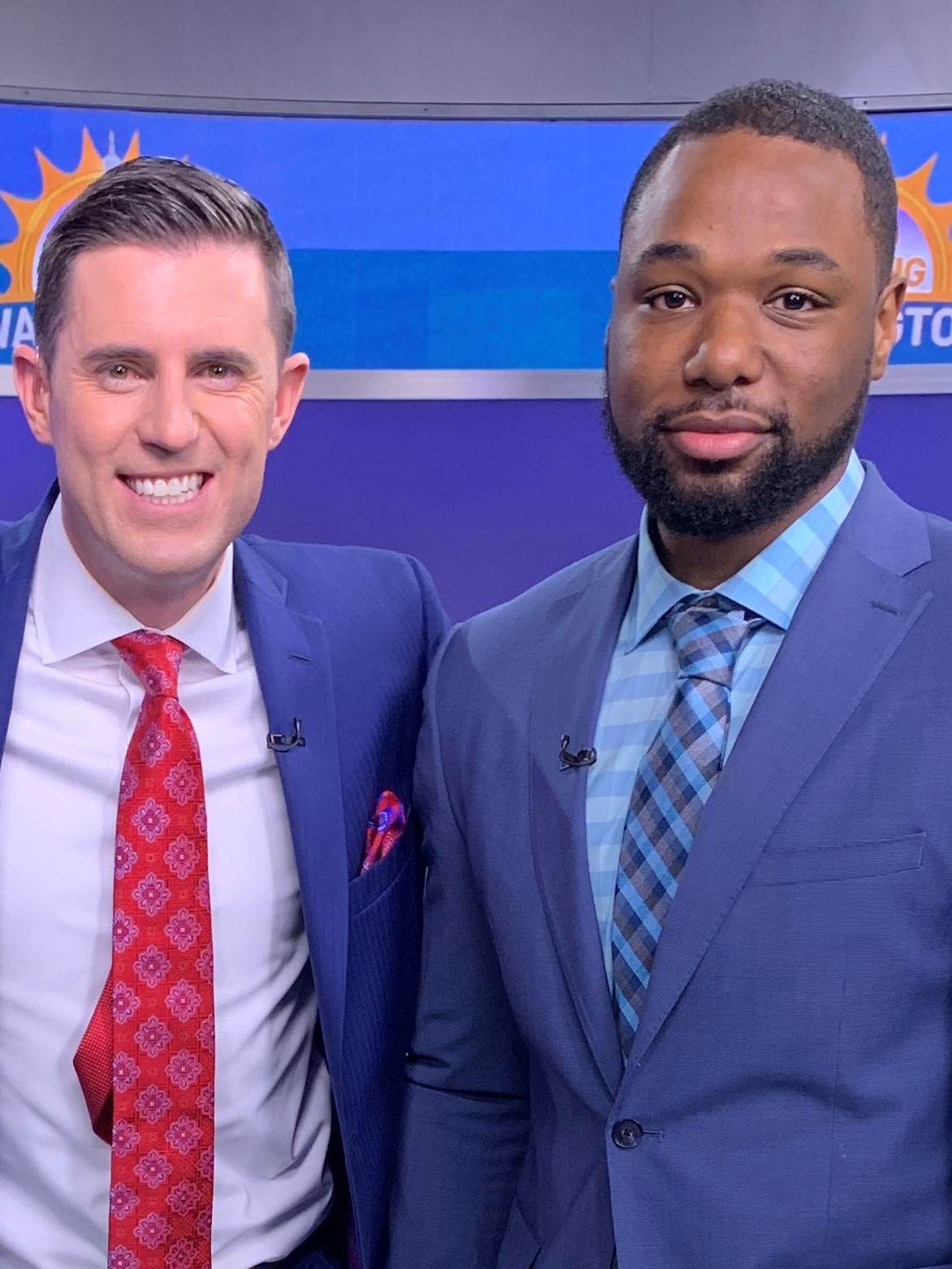
Good Morning Washington’s Jessob Reisbeck and Hunter after interview

Adapting its time-tested youth justice model of training Advocates to provide intensive mentoring and family advocacy, YAP worked with Hunter and his mother. After learning that she wanted to lean on challenges of her past to help others, YAP hired her to be an Advocate to work with systems-involved girls.

At a recent YAP recognition banquet, Hunter surprised his mother with a special tribute and a public thank you for sticking by him throughout his journey.

Hunter said of everything YAP did for him, the most meaningful was helping his mother find her purpose, which has strengthened his family’s foundation for years to come.


With Support from Her Advocate, She Turned a Setback into a Steppingstone

0

No reject; no eject. That’s a mantra at Youth Advocate Programs (YAP), Inc., a national nonprofit that provides community-based alternatives for young people who might otherwise be placed in youth detention or behavioral health/drug treatment, developmental disabilities or child-welfare facilities.

“YAP’s goal is to turn setbacks into steppingstones while keeping young people safely home with their families and helping them become contributing members of their communities” said Adams County, Pa. YAP Program Director Robert Witt.

As an example, he points to 18-year-old Erin Barnhart, an aspiring model who participated in the Adams County YAP Behavioral Health program a couple of years ago.

“During that time, I had many ups and downs, but YAP was always there for me,” Barnhart said. “In February 2018, I had a setback and was admitted to a treatment center. When I was released, my mobile therapist Kayla Sollenberger was waiting for me when I got home.”

YAP mobile therapists meet with young people in their homes and other settings in their communities where they are most comfortable receiving services. Adhering to the YAP wraparound model, these therapists serve as mentor advocates, providing individualized service plans that help young people identify and realize their strengths. As advocates, they also connect the young people and their parents to tools and resources that firm their foundation and empower them to achieve their goals.

“With love and encouragement from my YAP staff and family, I began to communicate effectively with others and utilize my coping skills,” Barnhart said. “Youth Advocate Programs truly gave me the tools to be successful and confident.”

One of Barnhart’s goals is to be a plus-size model. She is a two-time recipient of the YAP Tom Jeffers Endowment Fund for Continuing Education Scholarship. The $1,000 award is one of the tools the nonprofit makes available to individuals served by the organization and their family members to help them achieve their education and career goals.

With her first YAP scholarship, Barnhart participated in the 2016 Barbizon Passport to Discovery Cruise, where she received more than 10 hours of training and had an opportunity to audition for international agents.

“During that week, I was in Michaela Paige’s Be You video and participated in the Miss Top Plus Model Awards ceremony,” she said. “I auditioned for Laura Gentry, an international scout, and I received top scores for my runway walk, commercial, and marketability. She awarded me the highest scholarship for Passport to Discovery and the opportunity to perform in additional competitions.”

Miss Top Plus Model Magazine named Barnhart Miss Top Plus Model East Coast and featured her in the publication.

Barnhart’s second Tom Jeffers scholarship is helping her pay for specialized trainings, including one offered by Hollywood casting director Paul Weber. She has her eye set on modeling for Torrid, her favorite plus size clothing designer for girls and women.

“Youth Advocate Programs has supported me for  many years.  Everyone at YAP has always believed in me,” Barnhart said. “Without YAP and my family, I would not have had the confidence to achieve my goals.”


Family Matters When Turning Your Life Around

0

Family matters for individuals working to turn their lives around. Youth Advocate Programs (YAP), Inc.’s trained advocate mentors help young people identify their strengths while connecting them and their families with tools to achieve their goals. YAP’s family-centered, strength-based approach is also evident in its programs that serve and tap into the talents of adults returning home from prison. Wayne Brewton and his wife, Vickie, said family support has been key to his re-entry and his work as YAP’s Baltimore Safe Streets Crime Prevention Coordinator.