By YAP Clinton County, NY Program Director Chance Phillips
Clinton County, N.Y. -Youth Advocate Programs (YAP), Inc. is a national nonprofit in 34 states and Washington, D.C., that provides community-based alternatives to youth incarceration, residential treatment, and interrupting neighborhood violence. In Clinton County, N.Y., the 0-5 program works by providing wraparound support that includes parenting skills, improving home conditions, safety, and more. Aligned with YAP’s mission, the program aims to keep kids safely home by working with parents to create a safe, nurturing environment while teaching them skills they can continue to use long after they complete the program.
For more information about YAP, visit yapinc.org or follow on Twitter at YAPInc.
The account below is a submission from YAP Clinton County Program Participant Mary Moore.
My name is Mary Moore and being a first-time mother, I was lost after giving birth to my daughter Brielle. I was suffering from postpartum depression and didn’t have the knowledge on how to be a parent.
I was given the opportunity to work with Youth Advocate Programs, but was unsure of how YAP was going to be able to help me. I made the choice to give it a try not only for myself but for my family.
YAP’s Intensive Family Coordinator Erin Mitchell came into my home and has helped me tremendously with not only my confidence, but also my comfort levels on being a parent. I was shown new opportunities, skill improvements and genuine compassion. YAP has helped me grow into the parent that I am today!
No matter how difficult the situation was, Erin never gave up on me and was always there to push me to never give up. I am so beyond grateful to have been given this opportunity to be in this program and to have had such a wonderful Advocate in Erin. Erin has been the nicest and most respectful person I’ve ever met. She’s helped me excel in many aspects of parenthood.
For myself, YAP means hope. This program is here to remind me that help is always at my fingertips. I recommend this wonderful program to anyone who needs help.
Las Vegas – Youth Advocate Programs (YAP), Inc. Clark County Director Neosha Smith is among six Advancing the Dream 2023 recipients awarded by U.S. Rep. Steven Horsford (NV-04) in February in honor of Black History Month.
“It was a surprise,” said Smith of the recognition. “I got a call a couple weeks back from the Congressman’s office saying that I was an award recipient.”
“Neosha is a southern Nevada native whose passion for youth and families impacted by the criminal justice system has significantly affected our communities,” Horsford wrote on Twitter. “She is a program director at YAP where she assists those involved in the youth justice system with reentry to society.”
YAP is a national nonprofit in 34 states and Washington, D.C. that provides community-based services as alternatives to youth incarceration, residential care, and neighborhood violence.
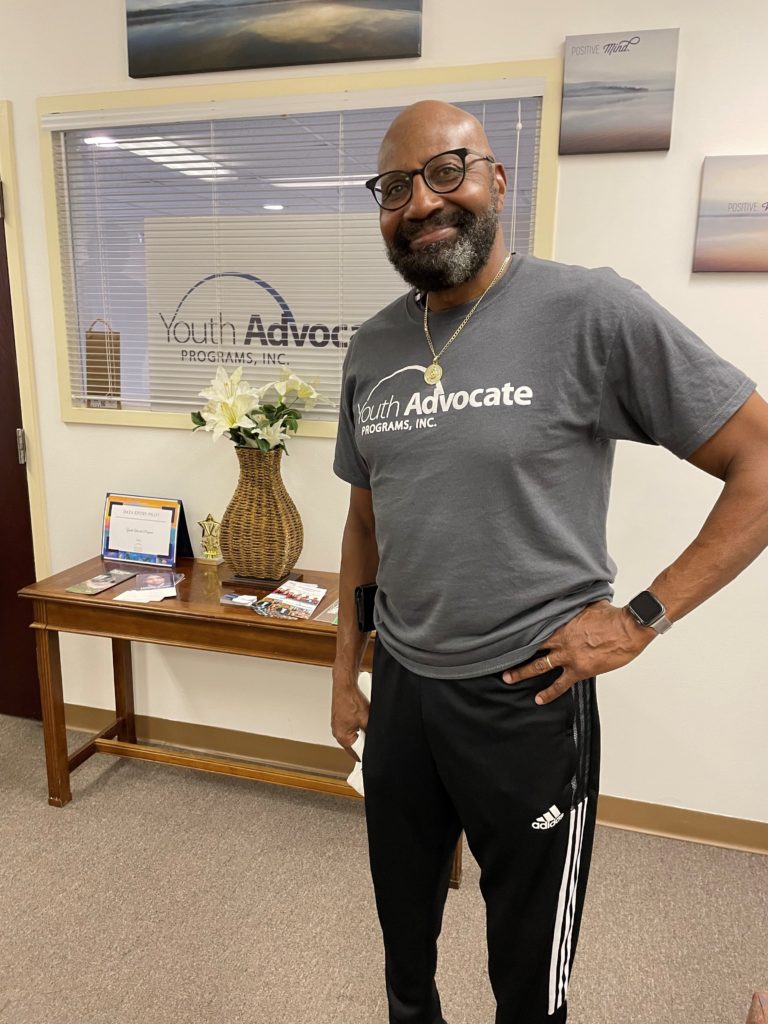
Neosha Smith.
Smith, who oversees YAP’s safety and advocacy programs for the state of Nevada, started with the nonprofit in 2012. She came to YAP as an intern while attending the University of Nevada, Las Vegas where she received degrees in sociology and criminal justice. Smith has also served as a YAP Advocate, administrative manager, file clerk, and assistant director.
“I love the work YAP does and the freedom it gives,” said Smith, who was born in Guam and has lived in Las Vegas since age 5. “I think I fell in love with the work that we do. It’s different than what everyone else is doing. YAP was my first full-time job.”
YAP Clark County Job Developer Ryan Henson said he nominated Smith for the Advancing the Dream award because of all of the hard work she does with the program.
“For the last decade, Neosha has been a constant factor in changing the lives of many of our youth, and is a voice of change. She is selfless in her approach, and often times puts the needs of our youth and our program above her own,” he said. “She never gives herself praise or acknowledges her efforts because she does it for our youth. This is why I wanted to nominate her because I felt like her efforts and her commitment shouldn’t go unnoticed.”
YAP Southwest Regional Director Nyeri Richards echoed Henson’s sentiments, saying “Neosha is one of the most deserving individuals and it is beautiful to see the right people recognized.”
“It is only befitting that Neosha Smith would be awarded the Advancing the Dream award as she is someone who has spent countless hours, both personally and professionally, opening gateways for our young people so they too can advance their dreams,” Richards said.
YAP Regional Director Nyeri Richards and Clark County Program Director Neosha Smith. (Jacob Slaton Photography)
Smith said thanks to regional and national leadership like Richards, President and Interim CEO Gary Ivory, Chief Impact Officer Patty Rosati and Chief Program Officer Dave Williams, Smith, she feels supported, heard and is equipped with the tools she needs to help young people and their families.
“That’s really a positive for YAP,” Smith said, adding “the program participants are really who keep me going and pushes me to fight for them.”
Other Advancing the Dream awardees included Arielle Edwards, Chase McCurdy, Sean Tory, Vance Sanders and LaSandra Morrison.
For more information on YAP, visit yapinc.org or follow us on Twitter at YAPInc.
New Jersey – Arrested on a gun charge at age 16, Jesse felt hopeless, defeated, and disappointed.
“When I was in that cell, all I could think about was the mistake, letting my parents down, I thought I couldn’t change that; and now I know that I can,” he said.
Jesse is one of nearly 150 young people who have received services from a five-county New Jersey Community-Based Violence Prevention Program launched last summer to reach youths at the highest risk of engagement in violence. A partnership with The New Jersey Department of Community Affairs (DCA) and Youth Advocate Programs (YAP), Inc., the program serves youth ages 12-18 in Atlantic, Camden, Essex, Middlesex, and Ocean counties who have a history of school suspensions, truancies, illegal or violent behavior and/or dealing mental health or substance use issues.
For Jesse, participating in the program came in conjunction with being placed on three years of probation. Now 17, he has stayed out of trouble and is on the honor roll at school. He also holds a part-time job that he secured as part of the program.
“We are glad to see that DCA’s partnership with YAP is paying off,” said Lt. Governor Sheila Y. Oliver, who serves as Commissioner of DCA. “There are so many young men and women, like Jesse, who can benefit from this program. It is important that we continue to invest in our youth and provide them with the support they need to get back on track. The YAP program is doing just that – making lifelong impacts for young people, adults, and their families.”
YAP Assistant Program Director Carmen Pizarro and Program Director Emanuel Shumate presenting Jesse with Perfect Attendance, Honor Roll and Participation awards
In its 48th year, YAP is a national nonprofit in 34 states and the District of Columbia that partners with youth justice, child welfare, behavioral health, and public safety systems to provide community-based services as an alternative to youth incarceration, congregate residential placements, and neighborhood violence.
Aligned with its unique evidence-based wraparound services model, YAP hires Credible Messengers with shared experience — some of whom were formerly incarcerated – to provide the New Jersey program participants with ten hours a week of trauma-informed individual and family wraparound support. As part of the program participants can attend weekly group Structured Psychotherapy for Adolescents Responding to Chronic Stress (SPARCS) sessions designed to address violence-related trauma.
“Participants can also take part in YAP Supported Work where community-based employers provide on-the-job training, coaching, and mentoring while the youth receive weekly compensation from YAP,” said Project Director Juan Molina. “Other activities such as peace circles emphasize healing, learning through a collective group process, addressing accountability, repairing harm, and community healing.”
Six months after the program’s launch, 109 young people were receiving services, 29 of whom were attending weekly SPARCS sessions with 21 employed in community Supported Work jobs. Of the participants, 90 percent had no additional contact with the legal system.
Researchers from the Rutgers University Department of Psychology and the Rutgers School of Social Work are working with YAP to evaluate the effectiveness of the multi-site program. Investigators will track program participants’ school attendance and behavior, youth justice system involvement, and other risks associated with violence.
“Jesse received a perfect attendance award for participating in all program activities. His YAP Supported Work employer loves him and has offered to hire him when he completes the program,” said YAP Middlesex County Program Director Emanuel Shumate.
Program referrals come from youth justice, child welfare, behavioral health, and school systems as well as from youths’ friends and family members. Consistent with YAP’s “no reject; no eject” policy, as capacity allows, The New Jersey Community-Based Violence Prevention Program accepts all qualifying referrals in the five-county service areas.
YAP Program Director Emanuel Shumate and Jesse
Since becoming a part of YAP, Jesse has recruited friends to enroll. “I realized that the staff who were trying to help me are good people who actually care about people in and outside of the program,” Jesse said. “I was surprised when I learned that YAP Advocates made some of the same kinds of mistakes we had made when they were younger. It taught me that everybody does make mistakes, but you can change from those mistakes.”
Jesse said the program is also making him aware of his strengths and providing opportunities for him to nurture them.
“I learned I have a good heart I care about a lot of people – that I’m smart and a good person,” he said, adding that the services have benefitted his family, too. “They are amazed and proud that I’m back on track.”
YAP will be introducing similar programs to communities nationwide. With input from the New Jersey program participants, the nonprofit has named the program model, YAP Pursuing Excellence™.
YAP’s decades of service include working with many young people whose histories include serious offenses, multiple arrests, and lengthy out-of-home placements. John Jay College of Criminal Justice research found more than 86 percent of YAP’s youth justice participants remain arrest free, and six – 12 months after completing the program, nearly 90 percent of youth served still lived in their communities with less than 5 percent of participants in secure placement.
“Since YAP, I know I can make it out of what I’m in right now and do better and get better and definitely give back,” Jesse said.
Chicago, IL – In 1975, Tom Jeffers founded Youth Advocate Programs (YAP), Inc. in Harrisburg, Pa., reunifying hundreds of youths released from nearby Camp Hill prison with their families and providing them with individualized wraparound services to put them on a positive path. Thirty-six years later, YAP hired David Williams to apply the same service model to reunify kids in Chicago-area youth facilities beyond their release date with families previously unable or unwilling to take them home.
David Williams was YAP’s first Chicago Advocate
“A lot of people thought we couldn’t do it. But the YAP Wrap model works,” Williams said.
Thirteen years after hiring him as Chicago’s first Advocate, the national nonprofit distinguished by its YAP Wrap service model has named Williams Chief Program Officer. Now in 33 states and the District of Columbia, YAP partners with youth justice, child welfare, behavioral health, education, public safety, and other systems to provide services in homes and neighborhoods as an alternative to incarceration, congregate care, and neighborhood-violence. Consistent with its model, YAP uses zip code recruitment to hire Advocates, Behavioral Health staff and Credible Messengers to deliver culturally responsive services to young people and families at home and in their communities. YAP Wrap and other trainings hone YAP staff members’ skills as they work to empower program participants and their families to see their strengths, nurture them with accessible resources, and give back to their communities.
Dave Williams with YAP Board Member Mark Lester
Williams said YAP recruited him from his job at Hull House Association, one of Chicago’s largest nonprofit social welfare organizations at the time. He said that’s where he first learned about the YAP Wrap model in a training delivered by Jeff Fleischer, who would later become YAP’s second CEO before retiring in 2022.
“At Hull House, I worked for Bill Ryan, who was also a consultant to YAP’s founding CEO and is still works with us today. Bill was on the team that helped bring YAP to Chicago,” Williams said.
Prior to his recent promotion, Williams served as YAP Executive Vice President of the West and held other leadership positions, including Regional Vice President, Regional Director, and Program Director. His new role comes as the 48-year-old organization launches a “Back to Basics,” initiative to ensure that as services expand, every program – Youth Justice, Child Welfare, Behavioral Health, School-based Services, Developmental Disabilities/Autism, Community-Based Safety, Emerging Adults, continues to adhere to the YAP Wrap model.
David Williams at work during the pandemic
“Dave will work closely with regional leaders, the Support Center and national leaders to advance our mission,” said YAP President and Interim CEO Gary Ivory. “He will provide leaders support needed to firm up our infrastructure and work to ensure that our practices continue to align with the basic YAP model that for 48 years has set our outcomes apart.”
Williams appreciates the scope and importance of his newest challenge, saying he will do what has worked for him since he began his YAP career journey, leaning on wisdom gleaned from former leaders who mentored, guided, and encouraged him over the years.
“Minette Bauer was married to the founder, so working for her I learned a lot about the history of the company,” he said. “Steph [Hart] was entrenched in the model; she was also a key supporter who set an example for the importance of being surrounded by a great team, people whose hearts are in the right place.”
Among Williams’ biggest career accomplishments thus far is Choose to Change™ (C2C™), a YAP partnership with Chicago-based Children’s Home & Aid aimed at reducing the risk of violence among the city’s highest-risk youth. While YAP delivers its YAP Wrap individual and family wraparound support, Children’s Home & Aid provides weekly Structured Psychotherapy for Adolescents Responding to Chronic Stress (SPARCS) sessions. Through a randomized controlled trial, University of Chicago Crime Lab and Education Lab researchers have found that C2C™ reduces violent-crime arrests by almost 50 percent and increases academic engagement for participating youth. A year ago, YAP and Children’s Home & Aid began training other area nonprofits to deliver services informed by the C2C™ model, enabling nearly 1,000 young people to receive these violence prevention services.
Williams credits Chicago YAP staff members, many who were his colleagues from the beginning, for helping him achieve the outcomes that led to the success of programs he has led. He said among the office’s first YAP Advocates was the late Antoine McNutt. who died last year just months after being promoted to Program Director. Williams said he will continue to be inspired by McNutt, whom he met in 1992, soon after he returned to Chicago from the University of Louisville and began working at a youth center. Williams said McNutt, who was 13 at the time, looked to him as a role model as he leaned on his support to put his life on a positive track. McNutt earned football scholarships at Tennessee State University and the University of Illinois, got drafted into the NFL. and started his own consulting business before joining the staff at YAP.
In addition to growing programs locally and regionally over the years, Williams expanded his knowledge in the field, earning a master’s degree in Criminal Justice Reform from Chicago State University.
“Dave has proven that he can train leaders to communicate the importance of our core principals both to staff, community partners and YAP supporters,” Ivory said. “He knows firsthand that what differentiates YAP are our service delivery principles: no reject/no eject policy; neighborhood-based recruitment; never give up/unconditional caring; cultural and linguistic responsiveness; no refusal policy; individualized planning and strengths-based approach.”
Williams said in addition to his dedicated YAP team, he has a strong faith and family life. He said he realized soon after meeting Melody, who two years later would be his wife, that their meeting was destiny. “I took her to meet my aunt and it turned out that she knew my cousin, who had already told her about me a few years earlier.” He recalled his cousin asking, ‘Melody, don’t you remember when I gave you Dave’s football picture?’”
Dave Williams’ college football photo
Williams said his wife has worked closely with him over the years to support YAP fellow staff members and program participants. A deacon at his church, he looks at every part of his life as blessed and connected. He said having the opportunity to be a national YAP leader is an honor and a way to help expand services to support youth and families in communities throughout the nation and globally.
“As a Christian man, my actions must speak louder than my declarations. In the end, my hope is that people will say, ‘Servant, well done,’” he said.
YAP’s decades of service include working with many young people whose histories include serious offenses, multiple arrests, and lengthy out-of-home placements. John Jay College of Criminal Justice research found 86 percent of YAP’s youth justice participants remain arrest free, and six – 12 months after completing the program, nearly 90 percent of the youth still lived in their communities with less than 5 percent of participants in secure placement. Learn more about YAP at www.yapinc.org. Follow the national nonprofit on Twitter @YAPInc.
Jasper, Ala. – Now 17 years old, last year Kassidy found herself in trouble after hanging out with the wrong crowd, getting arrested for possession of marijuana, and not doing her best in school. Then the Walker County Juvenile Court connected her to Walker County Alabama’s Youth Advocate Programs (YAP) Inc. where she was matched with an Advocate.
Once Kassidy entered the youth justice system, she was referred to YAP in February 2022 to complete six months with the Walker County program. Christi Day was Kassidy’s YAP Advocate. Day said she was encouraged from watching Kassidy’s growth and is pleased to see her exceed her expectations by working hard to complete the program.
“Not to say there weren’t any hurdles along the way, but Kassidy created a new future for herself,” Day said. “Kassidy is unaware that she and her family set the bar for upcoming program participants. She is an example to Walker County and to the state of Alabama that hard work and dedication pay off. Kassidy will be graduating from high school and I’m anxiously awaiting my invitation.”
Kassidy.
YAP is a national nonprofit organization in 33 states and the District of Columbia providing community-based services as alternatives to youth incarceration, congregate residential care, and neighborhood violence. YAP hires neighborhood-based Advocates who are trained to empower program participants to see their strengths while connecting them and their families to wraparound services that include educational, economic, and emotional tools.
“Kassidy was a delight to work with,” said Juvenile Probation Officer Saderia Morman of the Walker County Juvenile Court.
Kassidy plans to enter the workforce after graduation and down the road will enroll in a community college. She credits Day for helping to guide her make better decisions and thinks of Day as a second mom and a family member.
Kassidy with her Advocate Christi Day.
“[Day] overall is an amazing person and Advocate,” Kassidy added. “I think YAP is a really good program for juveniles. It’s good to have someone to talk to and that is basically YAP overall.”
Kassidy continued, “Christi helped me grow individually as a person. She inspired me a lot to get out of bed and to pursue the things that I love to do. She was just awesome. I tried seeing her as much as I could. She would take me to doctor’s appointments, therapy appointments; stuff like that.”
Shelly Hunter, Kassidy’s mother, is a single parent who is thankful for YAP offering extra support with transportation, classes, communication, homework, and doing activities with Kassidy like hiking or going out to eat. Hunter and her husband divorced before Kassidy turned a year-old.
“(Kassidy’s father) has been in prison most of her life and she’s never known him as a father figure. Kassidy has a brother and sister who unfortunately followed the footsteps that their dad did. Kassidy was about to go down that road,” Hunter said. “Sometimes I struggled with providing rides for Kassidy and other things. Christi was just a blessing, really. She stepped up and just got on top of it. She would always touch base with me, her grandmother, the teachers, school, work, her doctor appointments and everything. Kassidy saw that there was something different.”
Hunter is thankful to YAP and Day. She credits the program with helping her build better understanding, communication, and relationship between herself and Kassidy.
“It was amazing,” Hunter said. “I really do think it’s also about the right Advocate pairing up with the right kid. Kassidy got a really good Advocate. Christi is a blessing; that was her calling. They need 100 of her.”
Learn more about YAP by visiting yapinc.org. Follow the nonprofit on Twitter @YAPInc.
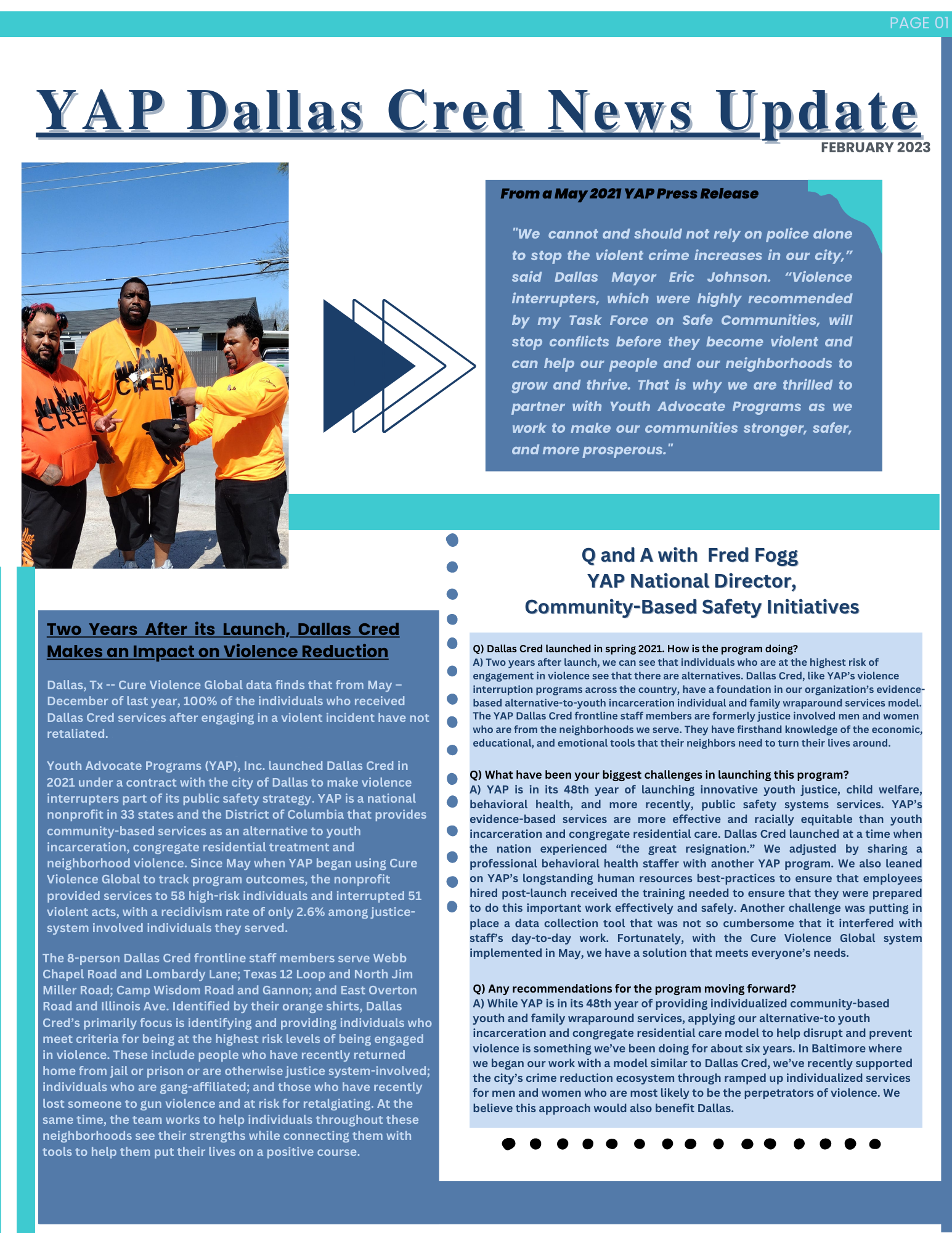
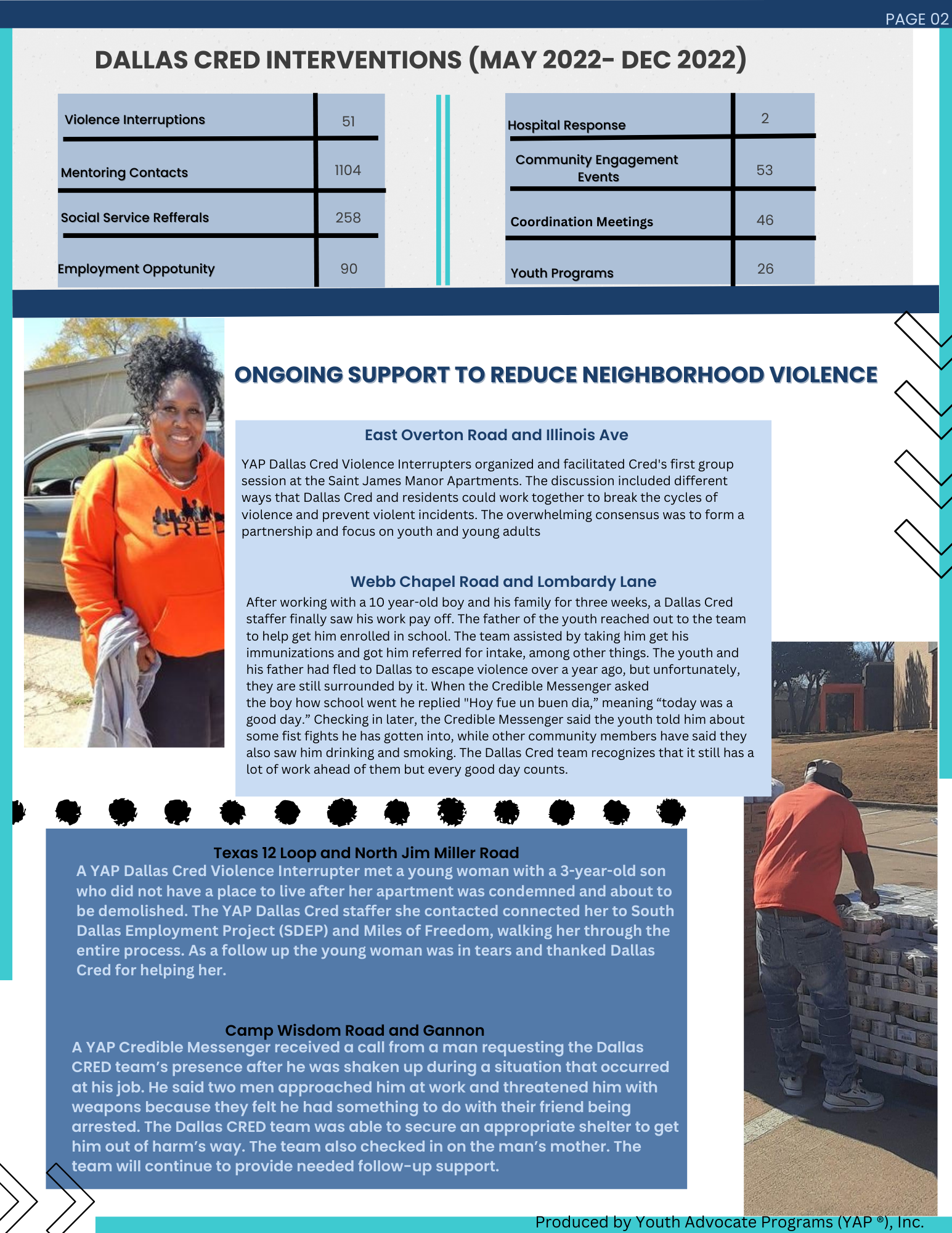
Dallas, Tx — Cure Violence Global data finds that from May – December of 2022, 100% of the individuals who received Dallas Cred services after engaging in a violent incident have not retaliated.
Youth Advocate Programs (YAP), Inc. launched Dallas Cred in 2021 under a contract with the city of Dallas to make violence interrupters part of its public safety strategy. YAP is a national nonprofit in 33 states and the District of Columbia that provides community-based services as an alternative to youth incarceration, congregate residential treatment and neighborhood violence. Since May when YAP began using Cure Violence Global to track program outcomes, the nonprofit provided services to 58 high-risk individuals and interrupted 51 violent acts, with a recidivism rate of only 2.6% among justice-system involved individuals they served. Learn more about YAP at YAPInc.org and follow the nonprofit on Twitter @YAPInc.
Savannah, Ga. – YAP Chief Operating Officer (COO) Dorienne Silva is moving on from YAP after more than three decades of service. Her last day is Feb. 17.
Silva, who started her career with YAP in 1992 as a Vice President in New Jersey, held several positions within the national nonprofit before becoming COO. Her previous posts include Interim CEO YAP UK, Deputy CEO, President of the Southeast, and President of International Relations and Development.
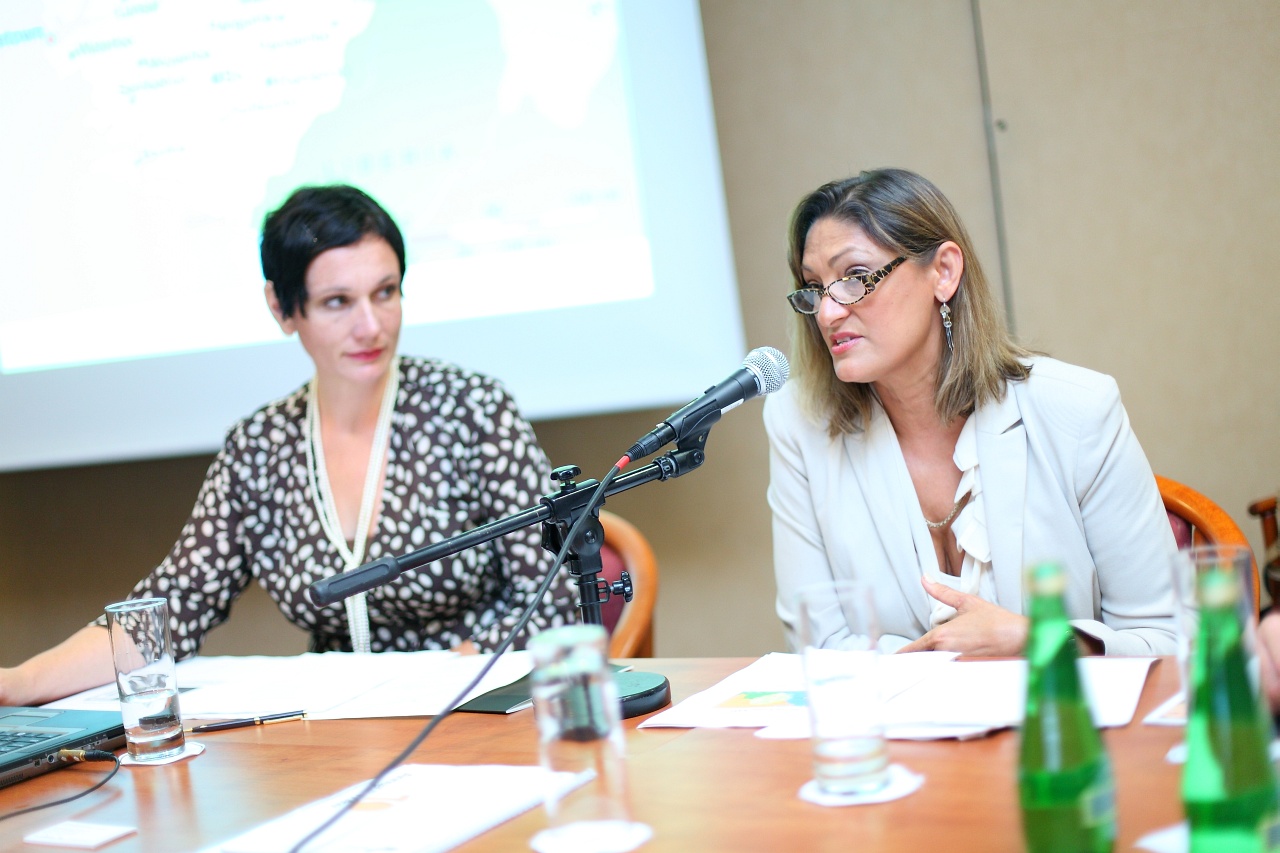
Diana Matteson (left) and Dorienne Silva during a workshop in Warsaw.
“I leave with a mixture of emotions that include sorrow as well as excitement for what my future holds,” Silva said. “Most of all, I leave with gratitude for all the opportunities to contribute, learn and grow that I have been afforded throughout the years in my numerous roles.”
YAP was founded in 1975 by Tom Jeffers and offers community-based services in 33 states and the District of Columbia. The agency’s programs are an alternative to youth incarceration, congregate residential care, and neighborhood violence. Silva is lauded as one of the early builders of YAP. As COO, Silva led YAP’s national leadership team responsible for coordinating operational and business functions, building and facilitating collaborative working teams, and pursuing business efficiencies, best practices and program innovation.
Diana Matteson (left) and Dorienne Silva outside a conference venue where they made a presentation in Lyon, France.
Overall, Silva has led several initiatives that have improved YAP’s operations, including expansion of programming in the Southeast and New Jersey, where she managed youth, family advocacy and behavioral health programs across multiple states overseeing all personnel, policy, quality compliance, media/marketing, and fiscal concerns; as well as the evolution of the organization’s international footprint.
“Her international work is still bearing fruit,” said YAP President Gary Ivory. “For those of us who know (Silva), she is a mission-driven leader who pushes for excellence in all things. “(Silva) has played a large role in YAP’s strategic direction, strategic plans and various workgroups and teams across YAP. Please join me in wishing her the very best in her future endeavors. She leaves a very positive legacy at YAP.”
YAP’s international programs include partnerships in Sierra Leone, Australia, Guatemala, Ireland and Sweden. Silva has positioned the organization to expand overseas by providing support and by spearheading intercultural collaborations to help curb community violence, connect program participants to employment opportunities and access to mental health help, and more.
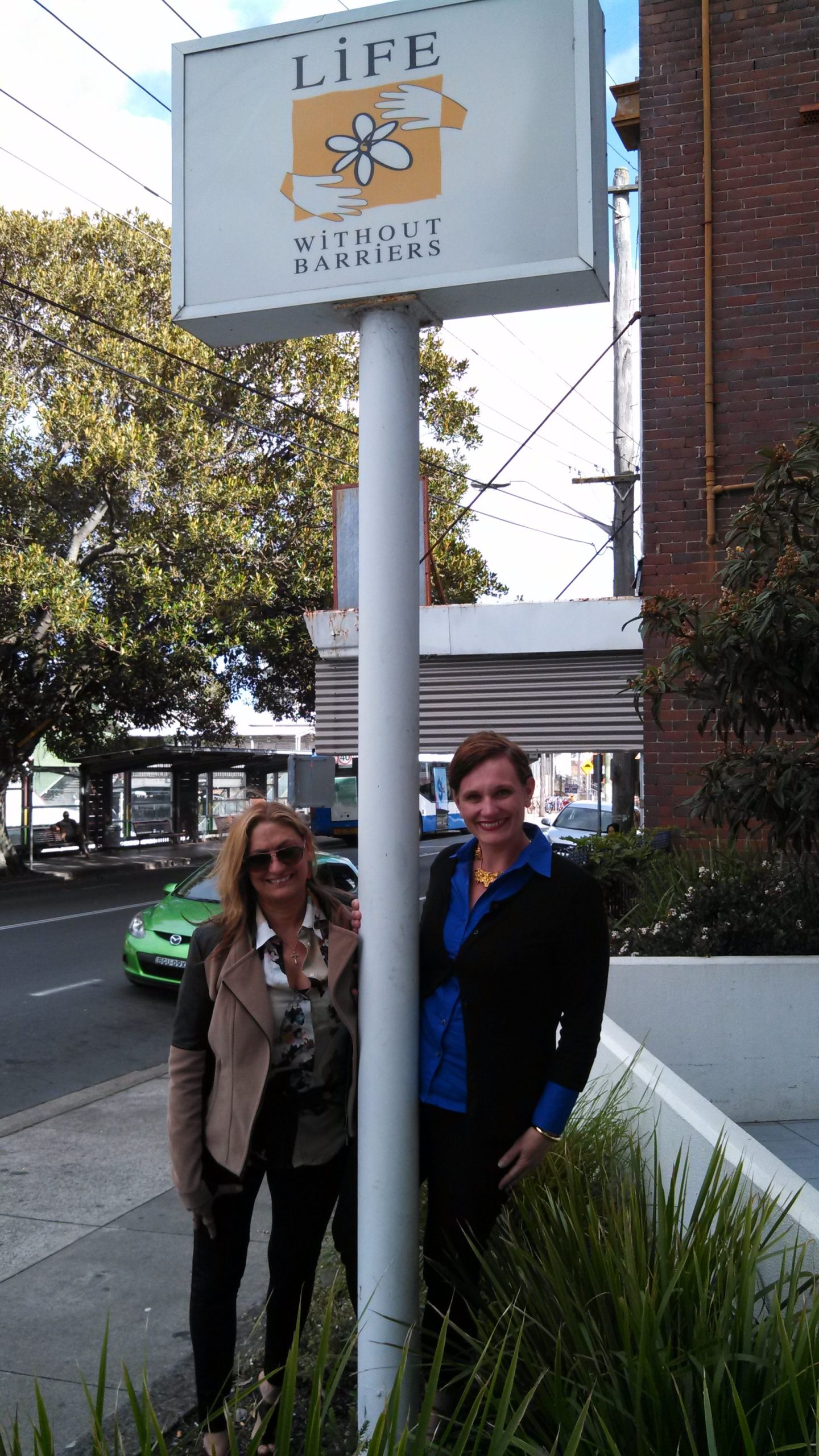
Dorienne Silva (left) and Diana Matteson in Sydney, Australia.
“(Silva) has had an impact on youth and families all over the world, not just in Sierra Leone, Guatemala, Ireland, Australia, Sweden, Scotland, and England but in many other places as a result of the workshops and trainings, human rights advocacy, and system change work done on YAP’s behalf,” said YAP’s Director of International Programs and Development Diana Matteson. “It’s been an honor to be at her side advocating for policy, program, and practice innovation. For her tireless efforts for youth, families, and communities on a local and global level, her advocacy for women leaders at YAP, and her mentoring of many of us…GRACIAS…te extranamos mucho.”
YAP South Carolina’s Community Relations/Program Development Director William Cameron, who met Silva in 2006, describes her as a caring and insightful mentor.
“She was on-point and a true social worker who knew the dynamics of people,” Cameron said. “Dorienne had a style where she could relate to people and people could relate to her. She knew how to connect with people. I trusted her and she had my back.”
Additionally, Silva has served on YAP’s Board of Directors, Executive Team, and was Deputy CEO under former YAP CEO Jeff Fleischer who retired earlier this year. She earned her bachelor’s degree from the University of Puerto Rico, graduate degree from Rutgers University, and is fluent in Spanish and English.
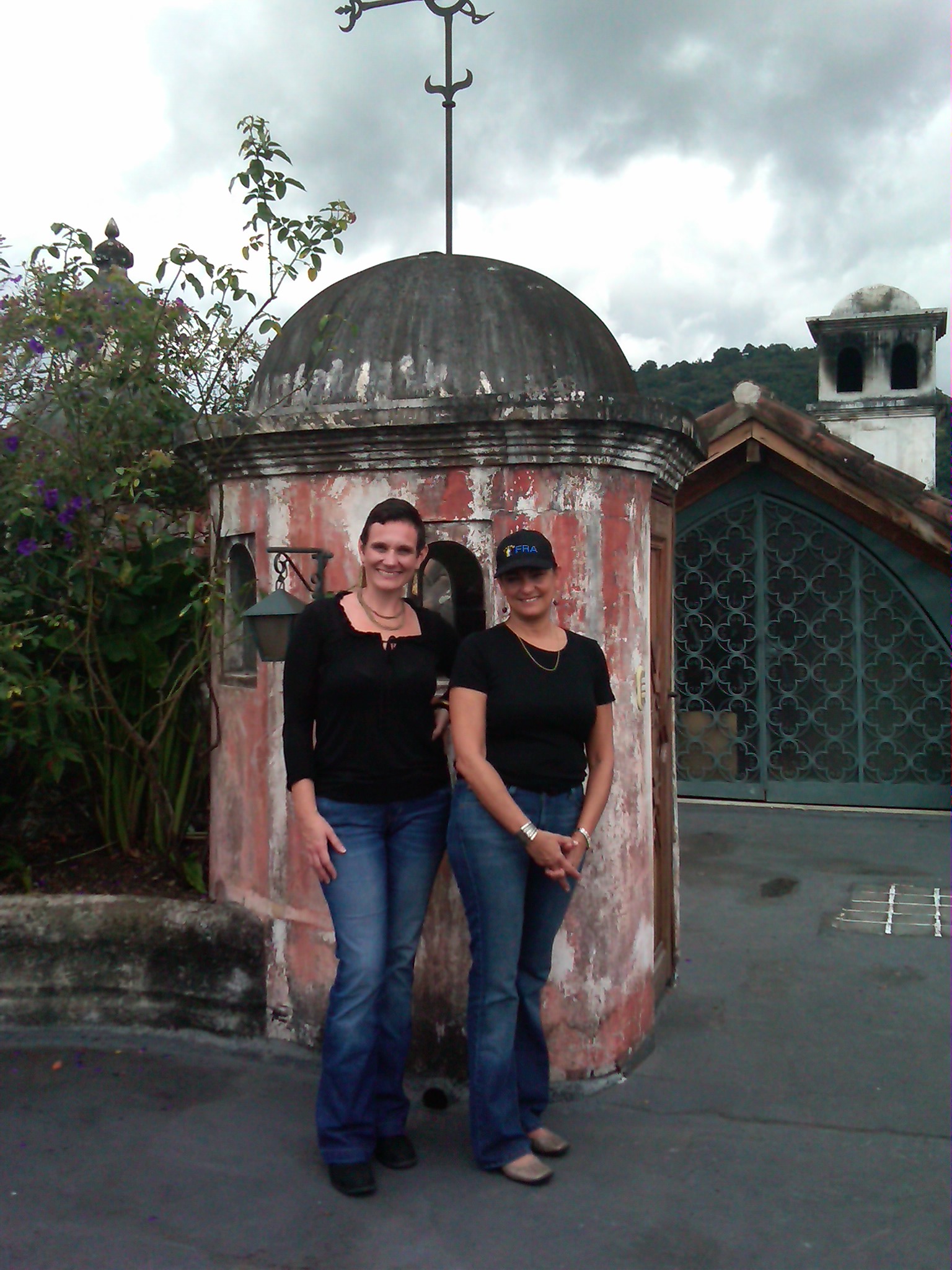
Diana Matteson (left) and Dorienne Silva during a site visit to Guatemala.
“I have worked with many exceptional people whom I will miss and wish everyone and the organization the very best for the future,” Silva said. “Though we cannot do everything, my hope is that in the coming years you continue to receive grace and strive as a YAP team to work together to do those wildly important things you focus on very well, and most importantly, on behalf of those we serve.”
For over 40 years Burrus has advocated for the developmentally disabled
Lebanon County, PA – Serving her community and working with young people and adults with disabilities for more than 40 years has earned Youth Advocate Programs (YAP), Inc., National Coordinator of Development Disabilities an induction into the Lebanon County Commission For Women (LCCW) Hall of Fame.
Lori Burrus, who has been with YAP since 2004, will receive the honor from the Lebanon County Commission for Women’s Hall of Fame Luncheon on March 22 at the Fairland BIC Fellowship Hall in Cleona, Pa. She is one of 11 recipients who, according to LCCW website, live and work in Lebanon Valley, Pa., or have played an integral part in development and or implementation of projects that have benefited women and girls in the area. The honorees will be recognized for their work in 2022. Burrus was nominated by Michael Schroeder, who serves alongside her on the Lebanon County Pennsylvania NAACP.
“I nominated Lori Burrus because I’ve worked with her through the Lebanon County NAACP and I just became really impressed with her as a person, as a leader, as a community activist, as a human being and she just strikes me as really meritorious,” said Schroeder who serves as the secretary for the Lebanon County PA NAACP. “She is a really good person and has made a profound difference in the community without singing her own praises or blowing her own horn.”
YAP is a national nonprofit organization in 33 states and the District of Columbia providing community-based services as alternatives to youth incarceration, congregate residential care, and neighborhood violence. Burrus started with YAP as a coordinator of developmental disabilities, serving in Pennsylvania, Ohio and Maryland. She’s been in her current position since 2014 learning about new services or programs and extending that knowledge to support staff working with people who have intellectual or developmental disabilities. Additionally, Burrus works closely with program directors in assisting them with implementing new programs and supporting them with tools they need to make effective changes in their communities.
“YAP has been such an integral part of my career,” Burrus said. “Doing employment services has impacted me and the youth and the adults we support. Forty years ago, people with disabilities were only given the option of a sheltered workshop.”
Prior to YAP, Burrus worked as a coordinator and director of Community Services in Lebanon, Pa. Brittany Hilton, who used to work with Burrus at YAP and serves on the Commission for Women and the Hall of Fame committee, said Burrus is an inspiration to her and is someone who is not afraid of adversity.
“(Burrus) was not only a boss, but is a mentor and role model,” Hilton said. “The way she leads and builds confidence in others cannot be beaten. She has set a high standard for all other leaders and bosses in my life. I truly attribute the success I’ve had in building a career as a human services supervisor to her.”
“If someone is experiencing discrimination at work or in housing or at school, we receive these complaints and Lori has been spearheading that committee and meeting with complainants; taking notes and getting their story, along with providing an ear as well,” Schroeder said. “Sometimes people just want to be listened to.”
Lebanon County NAACP President and Pastor Tony Fields, Sr., has known Burrus for three years. Fairly new to the Lebanon County area himself, Fields says he depends on Burrus.
“She’s someone who will keep you grounded,” Fields said. “(Burrus) has wisdom. She’s not easily frazzled. As a leader you need someone in your corner that is not going to panic. You need that confidant. This day and age I couldn’t think of anyone better than her. Again, because of her role and knowing the community, she is well deserving of this induction.”
Burrus is spearheading an African American heritage trail in Lebanon County and was instrumental in helping form the local chapter of the Lebanon County NAACP in 2020. Schroeder also credits her with helping the civil rights organization to connect with the Lebanon County Criminal Justice Advisory Board (CJAB), which encourages collaboration in the criminal justice community.
“Lori has diligently attended CJAB meetings and made her presence felt for more than a year now,” Schroeder said. “She is very deliberate and respectful, and I think the CJAB is probably ready to accept our solicitation to become core members. If they do, it will be largely thanks to Lori’s quiet, understated hard work and commitment to making this happen and to having community voices heard within what’s been up till now an exclusively governmental organization.”
Burrus has dedicated her life to improving the lives of others, Schroeder wrote in the application essay he wrote when nominating her.
“Lori’s work has touched the lives of thousands of developmentally challenged young people and adults in Lebanon County and beyond in ways that have made their lives substantially better,” Schroeder additionally wrote. “Lori works to empower women and girls to be confident, effective, capable, and comfortable in their own skins by encouraging them to feel secure in who they are and know they have what it takes to succeed. She listens carefully, withholds judgment, and always exudes an abiding respect for the whole person. Her demeanor is one of quiet confidence and calm, steady, attentive caring.”
*Burrus would like people to know that she enjoys laughing and being silly. A God-fearing and adventurous woman, she also likes walking on trails, driving, gardening, bird watching, and exploring different kinds of foods. She is passionate about social justice issues and loves her family and friends.
Harrisburg, Pa. — Twelve years after getting a job at Youth Advocate Programs (YAP), Inc. as a Behavioral Health program therapist, Frida Shu reflects on her journey and sees why her work comes so naturally.
YAP is a national nonprofit in 33 states and the District of Columbia that provides more effective community-based services as an alternative to congregate residential youth justice, child welfare and behavioral health placements. Across the country, cities are also making the YAP model part of their community violence reduction initiatives.
Last year, Frida was on the campus of an elementary school to visit with a program participant and heard someone call her name.
“I heard, ‘Ms. Frida; Ms. Frida.’” The voice sounded familiar. “When I looked up, I couldn’t believe it,” she said. The voice belonged to a young woman in her mid-twenties.
“She was the first person I ever worked with at YAP back in 2011,” Frida said. “At the time, she was battling anxiety and depression. When I saw her and she called me over to her, she was picking up her daughter. I was so happy; I gave her a hug. I’d been wondering about her,” she said. “‘This is my car; I have a boyfriend,’” she remembers the young woman saying as she caught Frida up on how well she was doing.
“I was so happy. I was so proud of her. She was happy, healthy and had a job; and she was behaving! When I met her, she was probably 16 and so advanced socially. Her grandma would cry to me, saying that she hadn’t seen her for days,” Frida said. “I’d advise this girl on how to control her anger and the moment I’d leave, before I got home, she would have already left the house. It was the same way at school. I’d be there with her for three hours and as soon as I left, she was out the door with boys or smoking.”
These days most of the program participants Frida works with face complex behavioral health struggles as well as developmental disabilities-related challenges. She said 85 percent of the young people that she works with are on the autism spectrum and that given her personal story, it makes sense that her job comes almost second nature.
Born in Cameroon, Frida, her husband and three young children moved to the United States in 1999, among the 50,000 immigrants selected that year through the Diversity Immigrant Visa Program lottery. They lived for several years in Camden, N.J. where her husband’s former college classmate served as a sponsor for the family and helped Frida and her husband establish their lives in the U.S. In Cameroon, Frida had worked as a lab technician and her husband had a government position in the Department of Agriculture.
Frida Shu immigrated to the U.S. from Cameroon in 1999
“My first job [in the U.S.] was with home healthcare, working with people with autism and my husband was doing online studies in London,” she said. “After three years, I went to Rutgers University and got my B.A. in healthcare management. My husband got his degree in agriculture and got a job in Pennsylvania working for the Department of Agriculture and now works for FEMA.”
After relocating to Pennsylvania, Frida applied her experience and degree in a new job as a human services specialist, again, working with people with autism, mostly adults. At the same time, she continued her studies, earning a master’s in mental health. Then in 2011, she learned about YAP and its focus on delivering strength-based individualized services that that keep young people safely home in their communities and with their families, as an alternative to placements in congregate care in facilities and correctional institutions.
“I’ve worked with young people who are on every part of the autism spectrum. The biggest challenge is getting them to feel comfortable with communicating freely and to feel confidence in what they do,” she said. “I like it. In a way, I can place myself in their shoes. We’re all human beings. We all have our own thinking; our own value.”
In her work with YAP over the years, Frida is often reminded of her first years in the U.S. While thrilled to be in a country that offers so many opportunities, she found adjusting did not come without challenges.
“I arrived in February. It was cold and getting to adapt to the system wasn’t easy. Things are so different; so organized. It was a lot to learn quickly coming with children ages 9, 7 and 3 years old,” she said. “Daycare, picking them up from school – a lot. Back home, I had a nanny in the house. But we couldn’t afford that here. Yes, a lot of challenges. In time we arranged our schedules and made other adjustments and we got used to it.”
Frida recalls working with a young YAP program participant and his family who immigrated from Mexico and understanding how much her personal background prepared her for her work with them.
“The experience I had; and what I went through; it helps me. I watched what the parents had been through; how for them to be able to handle their job and take care of a child with mental challenges and facing the system — they were dealing with all of that,” she said.
Frida remembers the worry the 7-year-old boy’s parents felt when they came close to losing him to foster care. “The child was acting out during a time that he was with an older child, and they were both at work. They were reported twice and they were so scared,” she said. “I shared my challenges that I experienced when we first came to the U.S. I gave them the idea for how to fix their schedules so that one of them is at home and the other person is at work.”
Frida was proud to be a part of supporting the family and sees the importance of cultural responsiveness, one of YAP’s core competencies, in her work. She also is aware that there is still a stigma attached to mental health needs and feels honored to be a part of YAP’s work to change that.
See job openings and learn more about YAP at www.YAPInc.org and follow the nonprofit on Twitter @YAPInc.
Hope, Arkansas – Staff at Youth Advocate Programs (YAP), Inc. in South Arkansas describe Rainy as one of the hardest working women they know.
“(Rainy) has dedicated her life to making the lives of her family better by working multiple jobs with little rest,” said Lisa Clark, YAP Family Intervention Specialist. “She is determined that if one way doesn’t work, to not stop until she has found another way.”
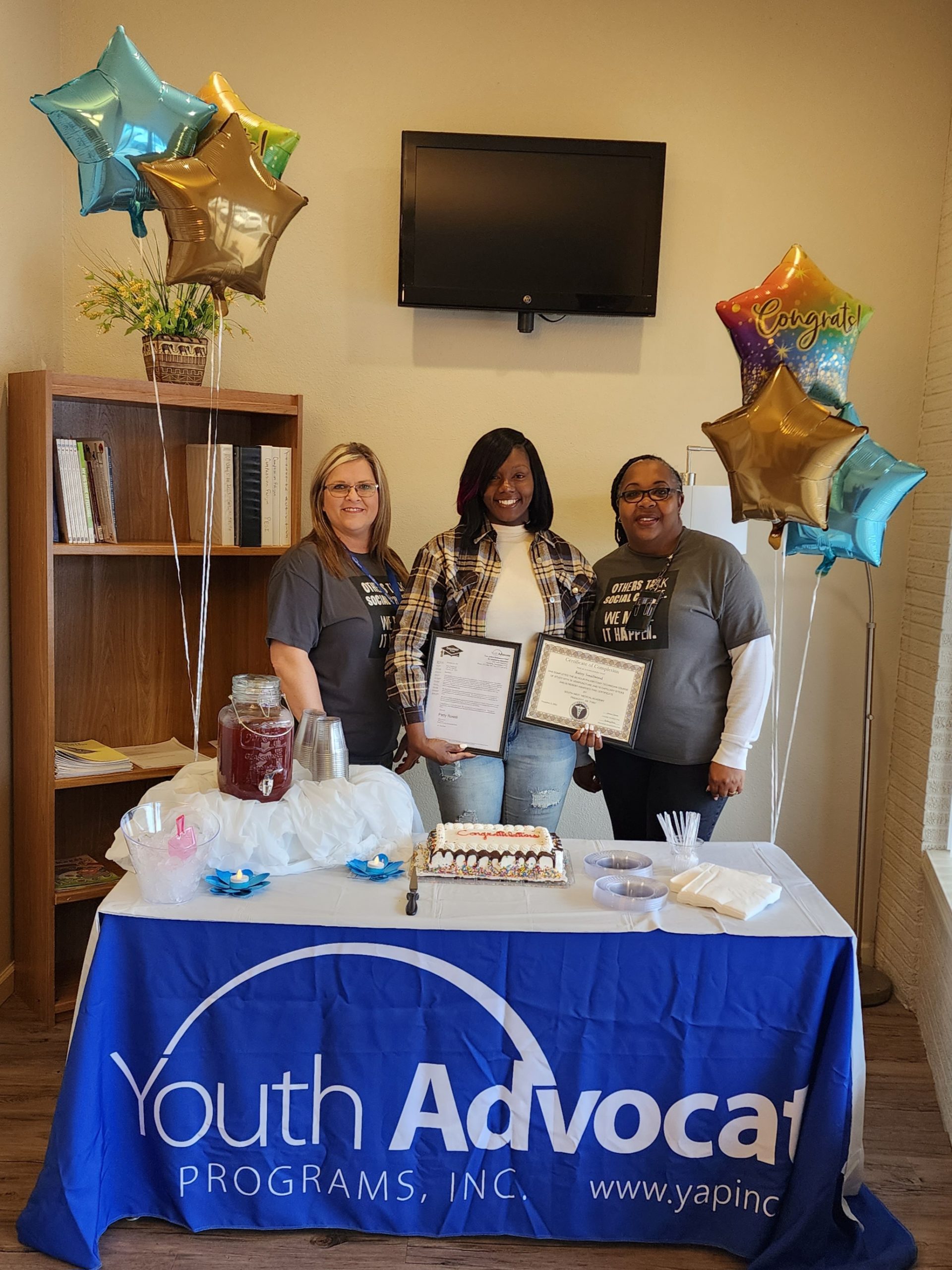
Heidi Calhoun, YAP South Arkansas Program and Clinical Director, Rainy, and Lisa Clark, YAP Family Intervention Specialist.
YAP is a national nonprofit in 33 states and the District of Columbia that partners with youth justice, child welfare, behavioral health, and other systems to provide trauma-informed community-based services as an alternative to youth incarceration, congregate placements, residential treatment, and neighborhood violence.
“We are benefitting from (YAP) in so many ways,” said Rainy whose child was a program participant of YAP. It was a lot that I didn’t know about (my child) that I am finding out. (My child) has started opening up to me so that wall that she had up, I feel it is coming down now. We are starting to interact with one another better. The family is learning to communicate better and to listen to one another more.”
Rainy, a 35-year-old mother of four, is one of 28 YAP program participants and family members or guardians who received a scholarship from the 2022 Tom Jeffers Endowment Fund for Continuing Education. Currently, Rainy works long hours in a factory job which keeps her away from home for long periods of time.
“On average I work anywhere from 45-70 hours a week,” Rainy said. “My work schedule prevents me from being able to spend time with my children or to interact with them after getting off work because I am so tired.”
The $1,000 scholarship will allow Rainy to return to school, earn a phlebotomy certificate and obtain better employment that will allow her to be home more with her children. YAP scholarships are applied to school tuition, fees or supplies, job training costs, or in the form of a laptop computer.
“We are so proud of Rainy and the progress she is making to ensure her family has a successful and sustainable future,” added Heidi Calhoun, YAP South Arkansas Program and Clinical Director.
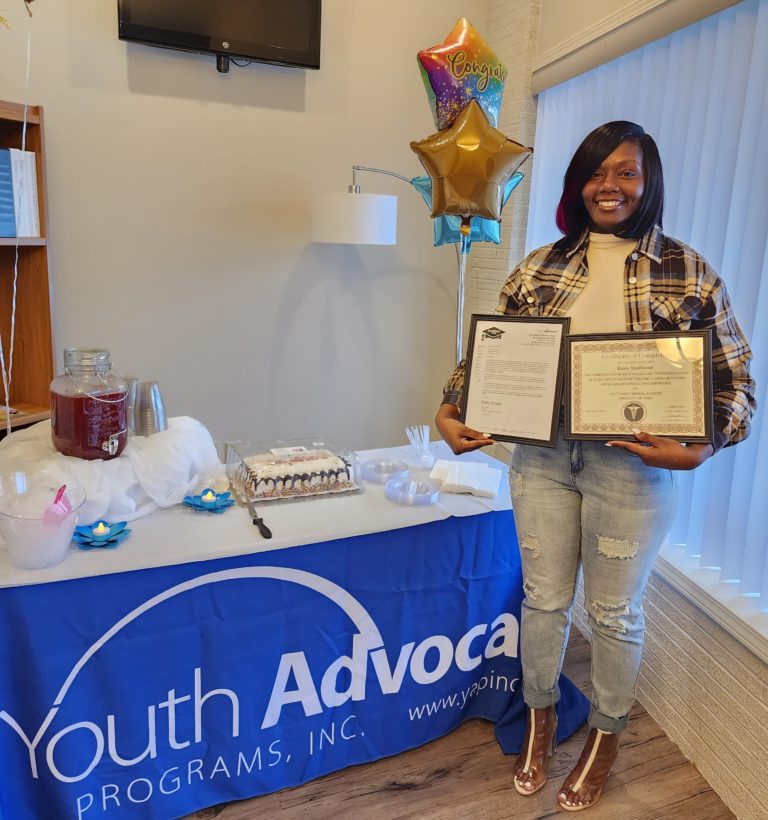
YAP South Arkansas celebrated Rainy with a cake. Rainy is the recipient of the Tom Jeffers Endowment Fund scholarship.
Rainy thanks YAP for its help and hopes to help other families who are in similar situations.
“It will help me in so many ways,” she said. “One, I will be able to get a good paying job and not have to keep doing factory work, that takes me away from my kids for long hours. It will also help me with establishing a regular schedule with my family, where I did not have that before.”
YAP’s program in South Arkansas includes Hempstead, Miller, Nevada, Little River, Columbia, Ouachita, Union, Sevier, and LaFayette counties.
To learn more about YAP, visit yapinc.org. You can follow YAP on Twitter @YAPInc.
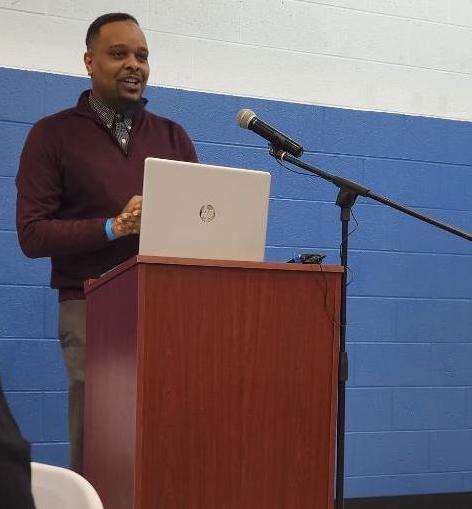
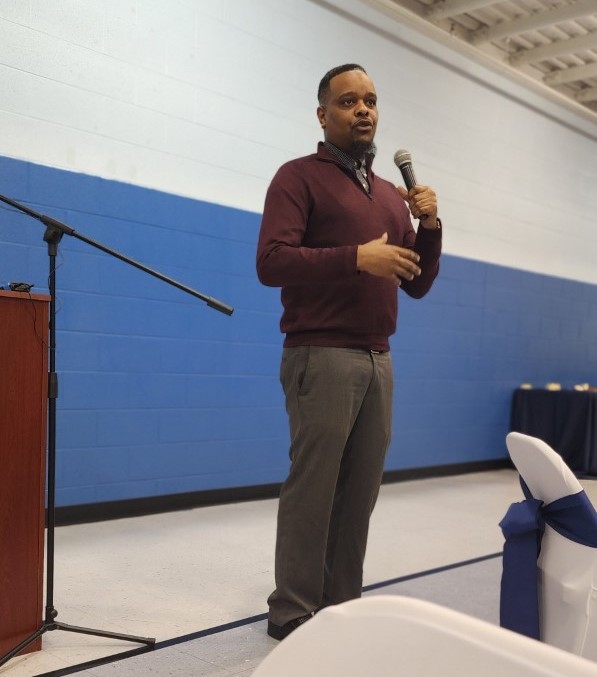
Elizabethtown, Ky. – Youth Advocate Programs (YAP), Inc., Regional Director Jamaal Crawford served as the guest speaker at Hardin County’s National Association for the Advancement of Colored People (NAACP) 32nd Dr. Martin Luther King/Lottie O. Robinson Scholarship Fundraiser Luncheon, on Jan. 16. This year’s theme was “Remember the Dream.”
YAP Regional Director Jamaal Crawford served as the keynote speaker for the Hardin County’s National Association for the Advancement of Colored People (NAACP) 32nd Dr. Martin Luther King/Lottie O. Robinson Scholarship Fundraiser Luncheon.
“YAP is excited to work collaboratively with other partners who want our youth to be successful in their homes,” Crawford said. “Our goal is to provide these kids with as many resources as possible to be successful in these communities. Once our communities buy into wrapping around youth and families, it can only set our kids up to elevate in life.”
YAP is a national nonprofit that provides community-based services in 33 states and the District of Columbia as an alternative to youth incarceration, congregate residential care, and neighborhood violence.
Crawford, who oversees Kentucky, Indiana and Ohio, was proud to address attendees in honor of King who was assassinated in Memphis on April 4, 1968.
Quay, 18, a former Pinellas-Pasco, Fla. Youth Advocate Programs (YAP), Inc. participant, thanks the nonprofit for empowering him with life-changing tools. He shared his story at a recent dinner with YAP national Board of Directors members. At age two, when his sister went to school with burns from touching an iron on the stove, he was separated from his mother. He lived with his grandmother and briefly with his dad before his father was re-incarcerated. Quay was back with his grandmother for a short time and then went to live with an aunt. At age 13, he made a decision that landed him on probation.
Towanda, Penn. – Gaining employment experience is essential for young people and particularly invaluable to individuals who have disabilities.
Youth Advocate Programs (YAP), Inc. Bradford County connects high school students and adults who have disabilities or face other employment barriers to on-the-job training opportunities. The program — a partnership with the Pennsylvania Office of Vocational Rehabilitation (OVR) – would not be possible without the support of Bradford and Sullivan County businesses.
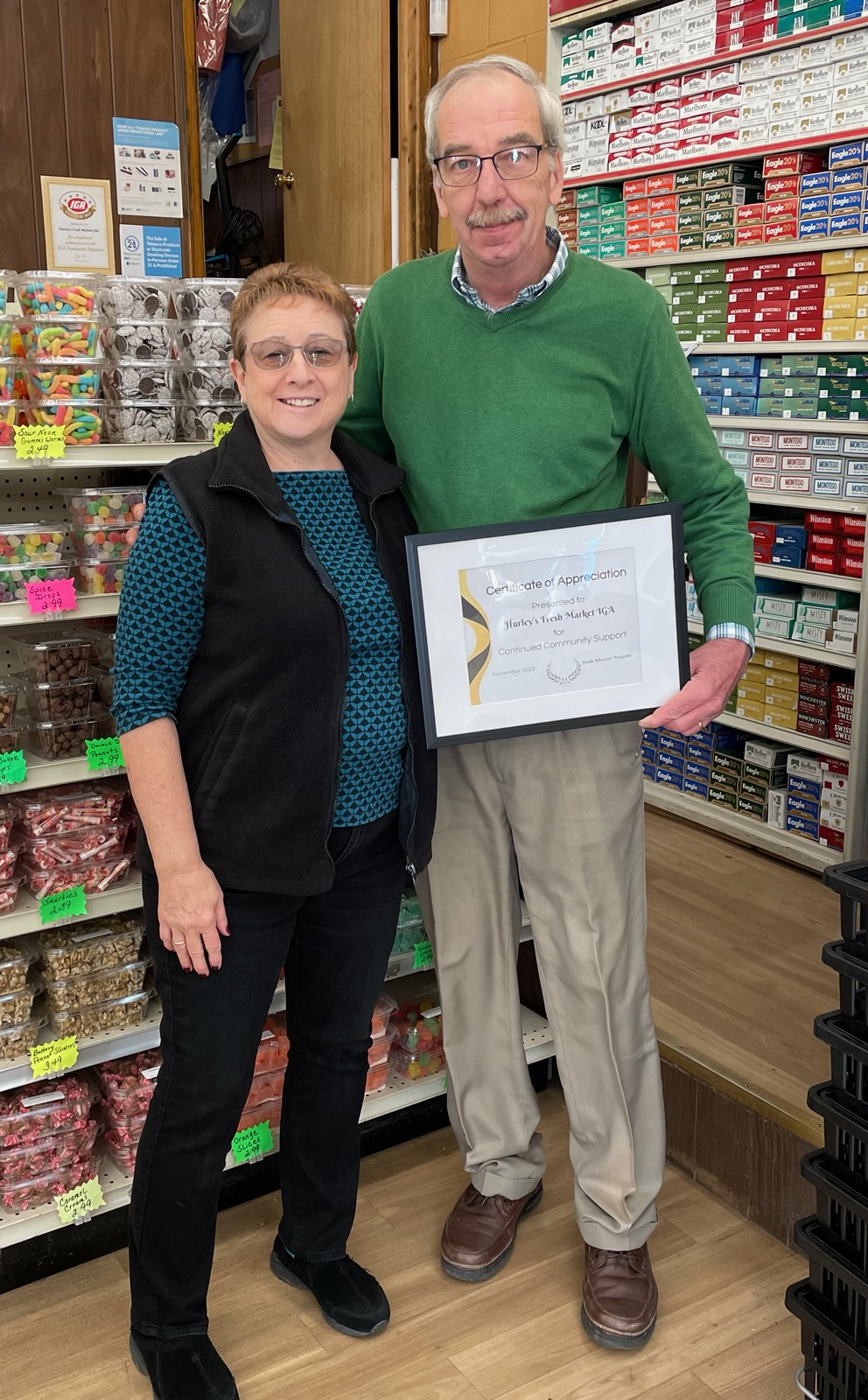
Hurley’s Supermarket Manager Don Wilhelm and Rachelle “Rocky” Thibault-Finan.
“I am retired but returned to the workforce because I believe in YAP’s mission of helping youth and their families. My YAP experience has been very rewarding. I love giving back to the community, and I am grateful that local businesses stepped up to assist us in our work,” said YAP Bradford/Sullivan County Employment Specialist Rachelle “Rocky” Thibault-Finan.
YAP is a national nonprofit in 33 states and Washington, D.C. YAP works to keep young people safely home and out of congregate residential care and youth incarceration by providing community-based services as an alternative to child welfare, behavioral health, and intellectual disabilities placements. Headquartered in Harrisburg, YAP is a 47-year-old organization serving 150 communities including Bradford and Sullivan counties.
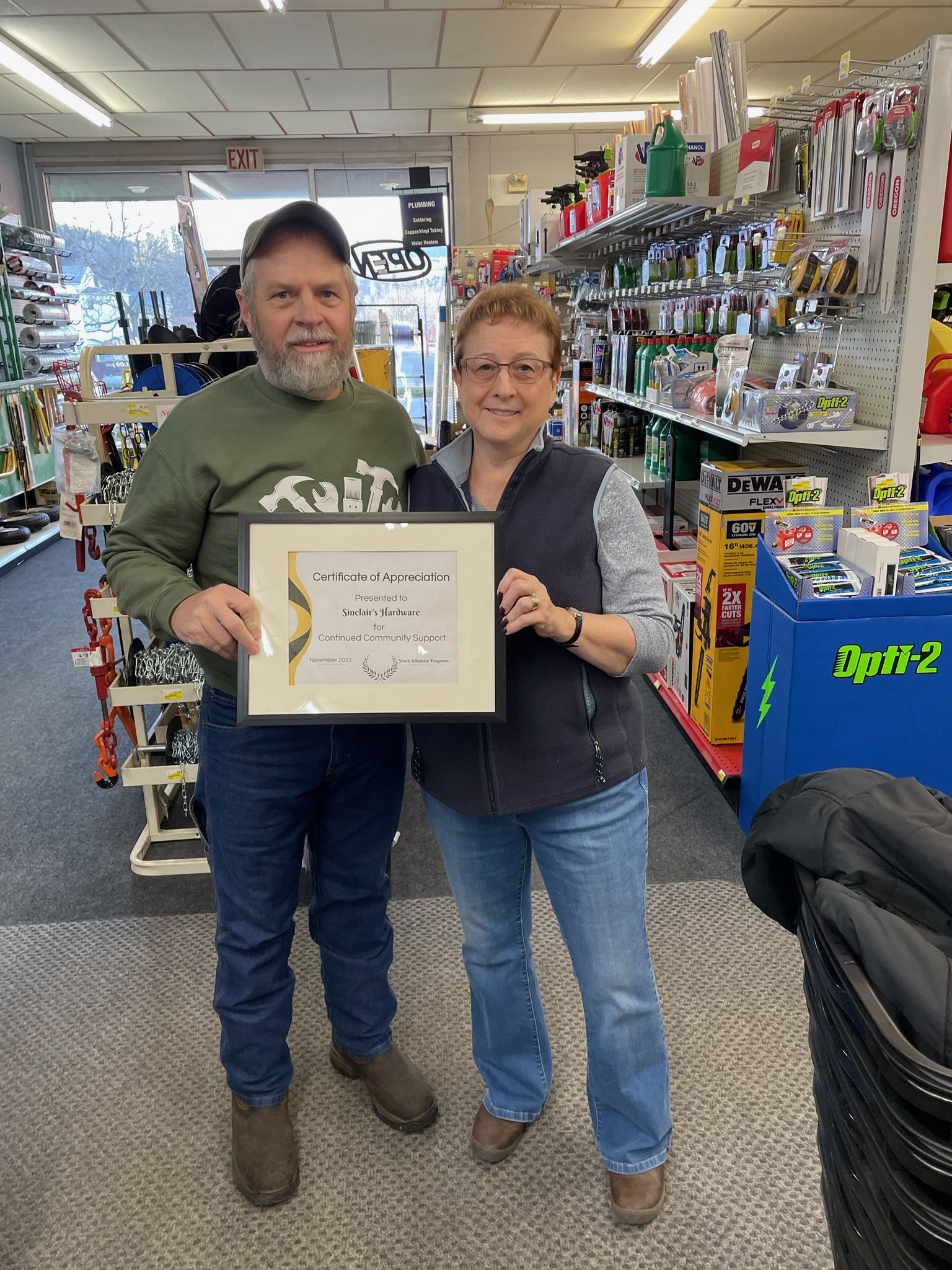
Sinclair’s Hardware Owner Jack Belcher Jr. and Rachelle “Rocky” Thibault-Finan.
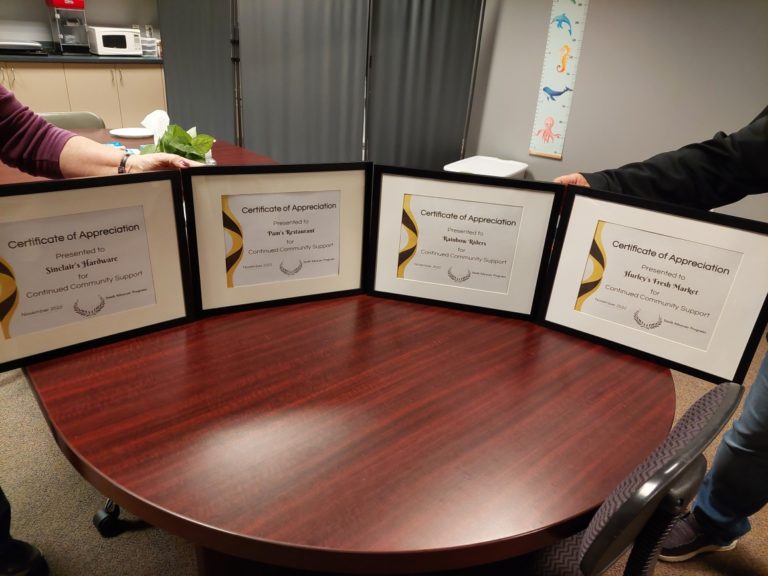
This holiday season, YAP would like to recognize all Bradford and Sullivan County businesses that have opened their doors to allow our program participants to get real world work experience, which includes:
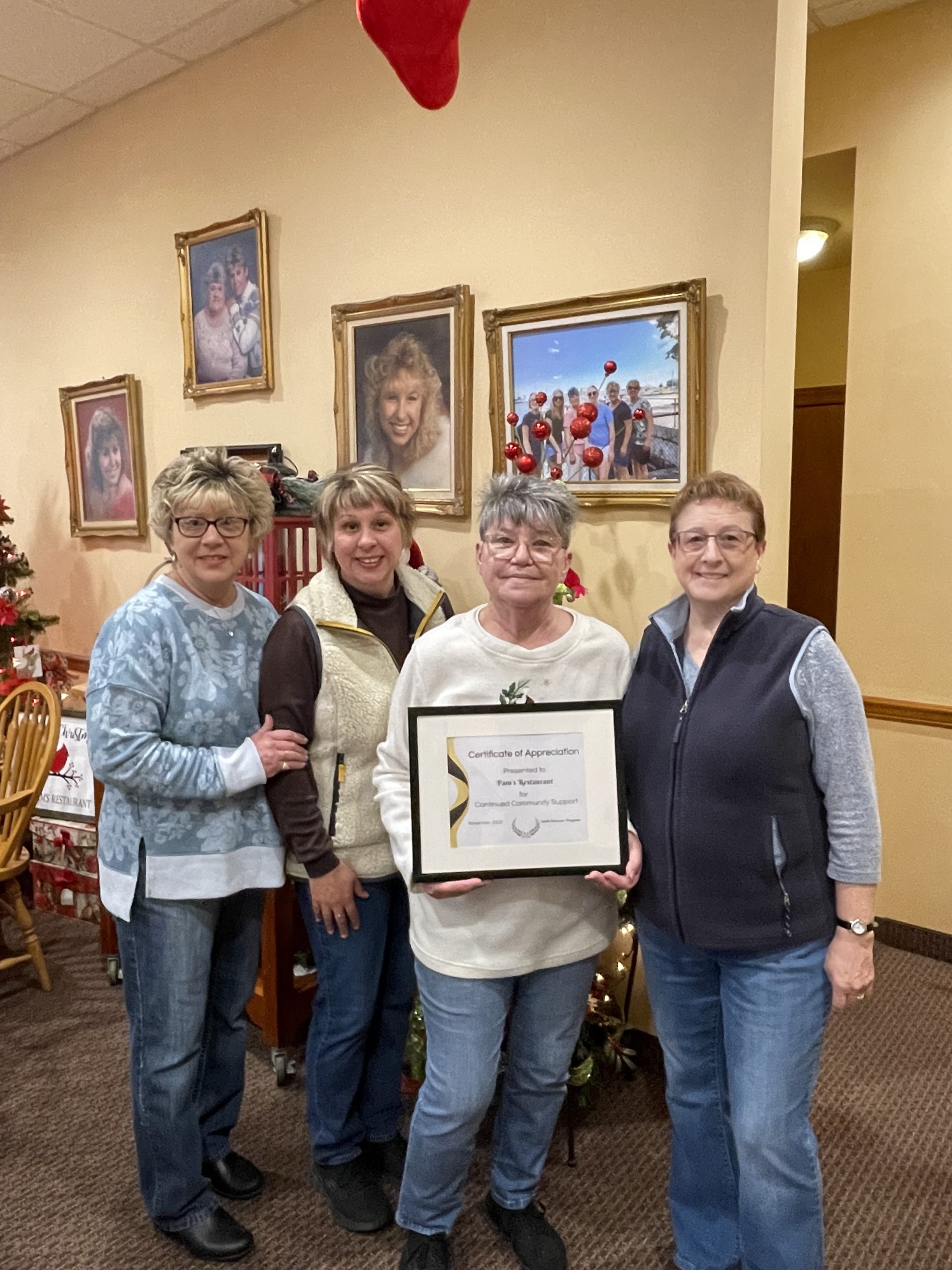
Pam’s Restaurant
Hurley’s Supermarkets – Dushore and Towanda
Sinclair’s Hardware
Rainbow Riders
Bradford County Humane Society
Nana’s Country Kitchen
Beeman’s Restaurant
Animal Care Sanctuary
Athens Public Library
Riverside Cemetery Association
Child Hunger Outreach Partnership of Towanda
Happy Tails Animal Shelter
Comfort Inn Sayre
Shanda Stoddard, Lyndeanna Stoddard and Pam Stoddard of Pam’s Restaurant, alongside Rachelle “Rocky” Thibault-Finan.
“For 30 years I have been blessed to live in this close-knit community that is kind, welcoming and open to lending a hand to help our young people.” said Thibault-Finan.
If your business would like to be involved, please call the office at (570) 268-5777. For more information about YAP, visit yapinc.org. Follow the nonprofit @YAPInc.
Tampa, Fla. — This month, members of Youth Advocate Programs (YAP), Inc. Board of Directors got some up-close-and-personal reminders of why they volunteered to serve the national nonprofit. While in Tampa for a quarterly meeting, the board members met program leaders, partners, and individual benefitting from YAP’s community-based services.
YAP Pinellas Pasco Program Director Heidi Molina
At a dinner the evening before their quarterly meeting, Pinellas Pasco Program Director Heidi Molina introduced Quay, 18, a former YAP Youth Justice Program participant. He talked about facing complex challenges since the age of two when after his sister went to school with burns from touching an iron on the stove; the siblings were separated from their mother.
Former Pinellas Pasco YAP program participant Quay
YAP is a national nonprofit it 34 states and Washington, DC. that partners with youth justice, child welfare, behavioral health, education, public safety, and other systems to deliver community-based services as a more effective alternative to youth incarceration, congregate residential treatment, and neighborhood violence.
YAP Hillsborough County staff members left Board members cards saying why they serve.
Quay spoke about being in the child welfare system, placed with his grandmother for a short time and later with his father when he returned briefly from prison before another incarceration. After his grandmother’s death, he went to live with an aunt in South St. Petersburg, where at age 13, he committed an offense that landed him on probation.
“I was a kid; I didn’t know what to do. I was just trying to feed my family. We were going through it. We were struggling,” he said.
Quay said that the rules of his probation required that he be in the house at 6 p.m., and that he probation violated over and over because the restriction made playing outside with his friends and just having fun and being a kid impossible. He said he dropped out of school in ninth grade as his way of having time outdoors with his friends. Quay said his life changed when a judge moved his curfew to 11 p.m. and enrolled him in YAP.
“When I was 17, she introduced me to the YAP program; she’s the reason why I stopped violating because I had a talk with her, and she changed my curfew to 11,” Quay said.
Quay said being a part of the program helped him see his strengths and opened his eyes to new possibilities.
YAP President & Interim CEO Gary Ivory chatting with Quay
“I’d never been out of my neighborhood; so the first time I went to the beach was with them [his YAP Advocates]; and my first time doing any kind of critical activity like yoga, easing my mind; getting my mind off other stuff, I did that with the YAP program,” Quay added.
YAP Board Chair Ga. State Rep. Teddy Reese and Hillsborough County YAP Program Director Felicia Wells
Board members also visited the Tampa YAP office where Program Director Felicia Wells and YAP Advocate Ishmell McKitchen briefed them on Stop Now And Plan or SNAP® and other community-based services they deliver to keep young people who might be at risk for youth justice system involvement on a positive path. The Tampa office administers SNAP® and other preventative programs as part of its partnership with the Florida Network of Youth and Family Services, which describes SNAP® on its website as a “front-end” resource to the Department of Juvenile Justice Office of Prevention, for at-risk youth ages 6-11 and their families.
YAP’s Board of Directors at a briefing at the nonprofit’s Hillsborough County officePatricia Smith, grandmother of Hillsborough County YAP participant
Patricia Smith, a grandmother of a program participant, expressed her gratitude to YAP Advocate McKitchen for empowering her grandson with tools to focus on positivity. “He still uses the principles of SNAP. It impacts his life; it helped us to be able to engage more.” She added that at times, her grandson even reminds her to employ the SNAP principles.
The Board met with the manager of a Tampa apartment complex where YAP provides community-based youth justice system prevention services.
Following the office visit, the YAP board members visited a Tampa apartment complex where many of the Hillsborough County program participants live. The complex manager shared his appreciation for YAP and talked about many of the challenges faced by parents and children YAP serves.
YAP SE VP LaVeisha Cummings
YAP Southeast Regional Vice President LaVeisha Cummings, who arranged the visit and dinner program, also introduced Board members to Orange, Osceola, Seminole County team leaders — Program Director Seyny Dressler, Assistant Program Director Richard McFarland and Clinical Director Carmen Ziers.
Orange County YAP Clinical Director Carmen Ziers
Ziers shared details of YAP’s Behavioral Health services and Dressler and McFarland talked about services they deliver through a partnership with Embrace Families.
YAP Program Director Seyny Dressler
They provided an overview on their youth justice prevention and diversion, wraparound mentoring services, and a new Rapid Response program to support youth returning home from placement and their families.
Additionally, board members learned about other successful Pinellas Pasco YAP Youth Justice Program participants from Program Coordinator Ophilia Ciesicki.
Orange County Assistant Program Director Richard McFarland
Ending the briefings were inspirational closing remarks at the dinner from Quay.
YAP Pinellas Pasco Program Coordinator Ophilia Ciesicki
“I actually love the YAP program and I just want to thank everybody for treating me like family, and hopefully one of these days, I’ll be a YAPper.”
Learn more about YAP at yapinc.org and follow the organization on Twitter @YAPInc.
Galax, Va. – Sixteen year-old Kayleen credits her parents and Twin Counties Youth Advocate Programs (YAP), Inc. in Virginia with helping her become a more well-rounded person.
Kayleen had been living with Chris and Brandy Waller for a year before the couple adopted her in May 2022. The Waller’s have two biological children and have fostered 10 young people in the past two years after they saw a need to help youth in their community. Kayleen and one of the other children they fostered received support from YAP Advocates after the couple learned about the program from their social worker.
YAP, a national nonprofit in 33 states and Washington, D.C., partners with youth justice, child welfare, behavioral health, and other systems to provide community-based services as a more effective alternative to youth incarceration and congregate residential placements. In recent years, YAP has also applied its Advocate model to provide services to help communities reduce neighborhood violence.
“I had never heard of YAP until I started fostering,” Brandy Waller said. “We were just very thankful that there was this program that could come in and take our foster children out for an hour to three hours a day to give them that quality time that we might not have been able to do. It helps them curb their anxiety and helps having someone there that just solely focused on them.”
YAP hires neighborhood-based Advocates who are trained to empower program participants to see their strengths while connecting them and their families to wraparound services that include educational, economic, and emotional tools to put their lives on a positive path and firm their foundation.
Through her social worker, Kayleen was paired with her YAP Advocate, Avery, who supported her and the couple that would adopt her. YAP’s main objective is to keep youth safely home. YAP Advocates are trained to provide services to program participants, their parents and families, and in cases where children are in foster care, their guardians, too.
“Our social worker will request a YAP Advocate if they feel like it’s needed,” said Waller who is a church children’s ministry director. “When our children did go with their Advocates their attitudes always improved. They could be having a bad day when they get home from school and then go with their Advocate and they come back and it would be like they reset.”
Waller added, “YAP is definitely a blessing. When I felt like I couldn’t give everyone that one-and-one time, YAP was there to help pick up where I couldn’t do everything.”
“My Advocate helped me not feel so stressful,” Kayleen, who is in the tenth grade, said. “We talk about things that I feel like talking about.”
Kayleen says she and Avery volunteered at an animal hospital, have been out to eat, took a trapeze class and to the pool. She is doing well in school, having earned A’s and one C in math, and is already making improvements to bring that grade up.
“We also went to this one bakery place and it was pretty cool,” Kayleen said. “I just like hanging out with her a lot.”
The Waller’s are thankful for the Advocates who have worked with their family, and for Emily Higgins, the Program Director of YAP Twin Counties, Va., whom Brandy says is “wonderful.”
Higgins says working with Kayleen and her adoptive family have been a “joy.”
“It was a privilege to see Kayleen flourish into an exceptional young lady by overcoming many challenges at a young age,” Higgins said. “She now uses her experiences to help support others in similar situations as they learn to overcome them. We are truly proud of Kayleen and the impact that she has made on all of us at YAP, and in the community, through her resilient, gentle spirit.”
YAP provides many individualized services, Higgins says, with the organization’s sole mission to impact youth and families by offering positive support like they’ve been able to do for the Waller’s.
“Teenagers need someone to just listen and as parents we don’t always want to listen; we want to lecture,” Waller added. “These YAP Advocates they listen, they don’t lecture like a parent would do. They’re very patient with people. I would recommend every teenager in the foster care system have an Advocate because they are hard, but they are so worth it. If you have that support system it makes things so much better.”
Kayleen is happy to be living with the Waller’s where she feels safe and loved, something she said she did not receive in other placements.
“I’ve really liked being here,” she said. “My other homes and placements weren’t the best. When I first came here I felt welcomed.”
Learn more about YAP by visiting yapinc.org. Follow the nonprofit on Twitter @YAPInc.