YAP’s Making Social Change Happen Awards: Recognizing People Putting their Lives on a Positive Path

0

YAP’s Making Social Change Happen Awards Album 1

691A2425
691A2330
691A2423
691A2547
691A2424
691A2426
691A2370
691A2376
691A2379
691A2384
691A2576
691A2592
691A2567
691A2589
691A2456
691A2535
691A2520
691A2504
691A2558
691A2531
691A2502
691A2552
691A2647
691A2675
691A2668
691A2645
691A2673
691A2628
Baltimore Advocate Tim
691A2425 691A2330 691A2423 691A2547 691A2424 691A2426 691A2370 691A2376 691A2379 691A2384 691A2576 691A2592 691A2567 691A2589 691A2456 691A2535 691A2520 691A2504 691A2558 691A2531 691A2502 691A2552 691A2647 691A2675 691A2668 691A2645 691A2673 691A2628 Baltimore Advocate Tim

See additional photo albums below. (Photos courtesy Keystone Productions)

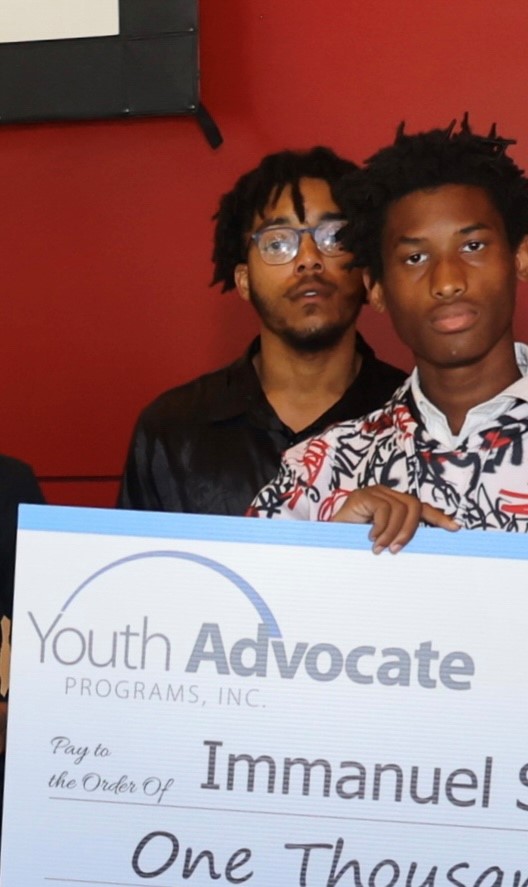
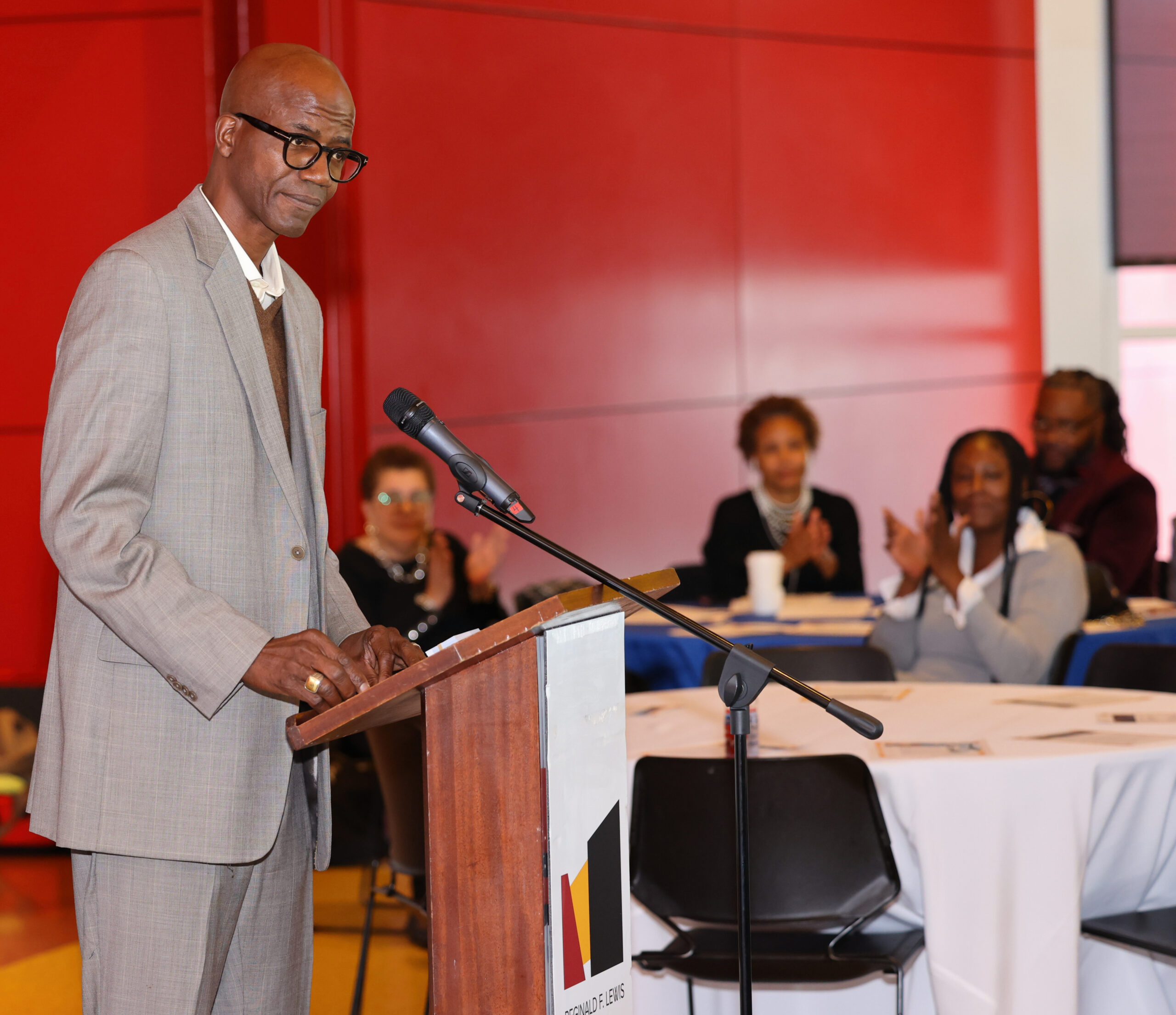
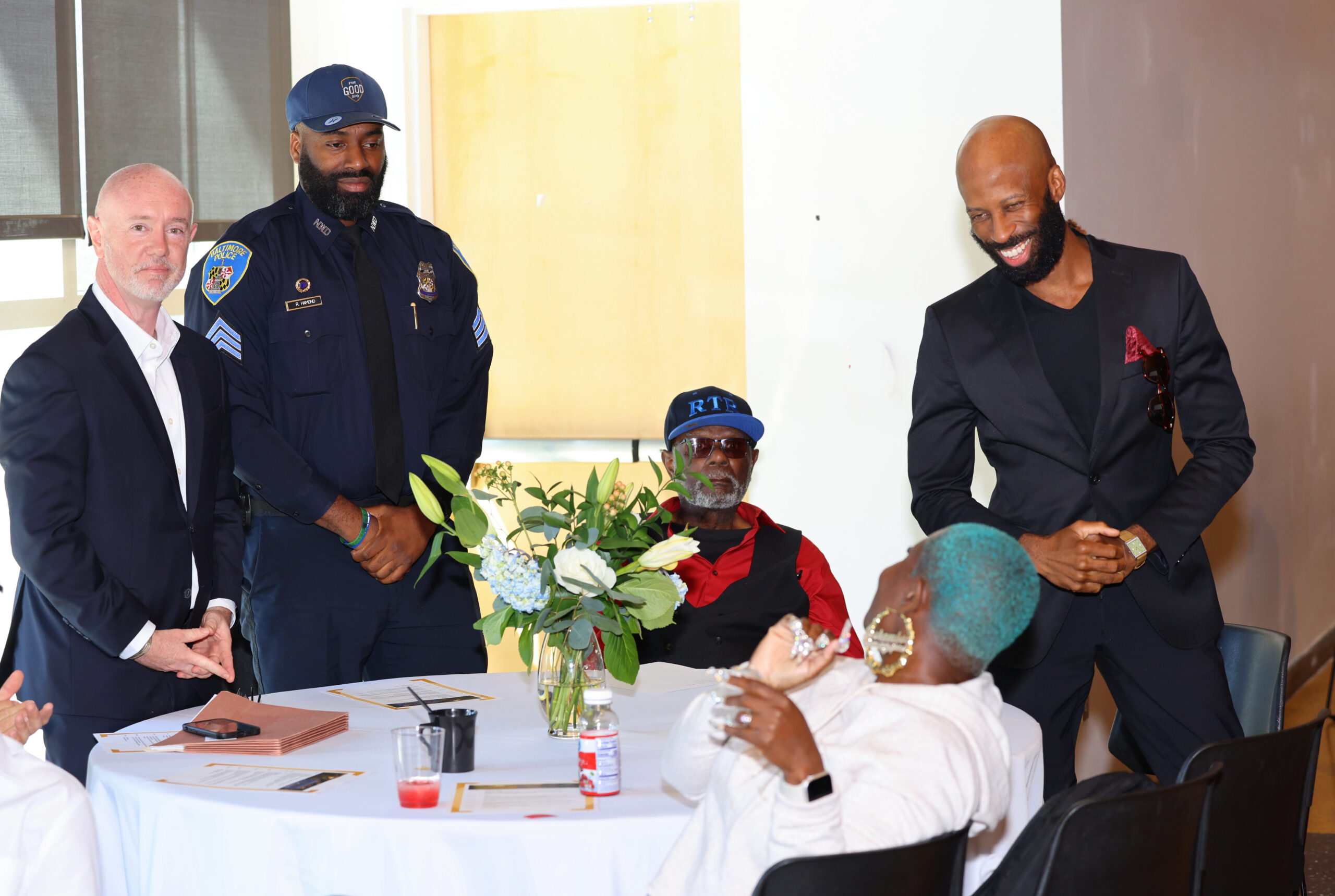
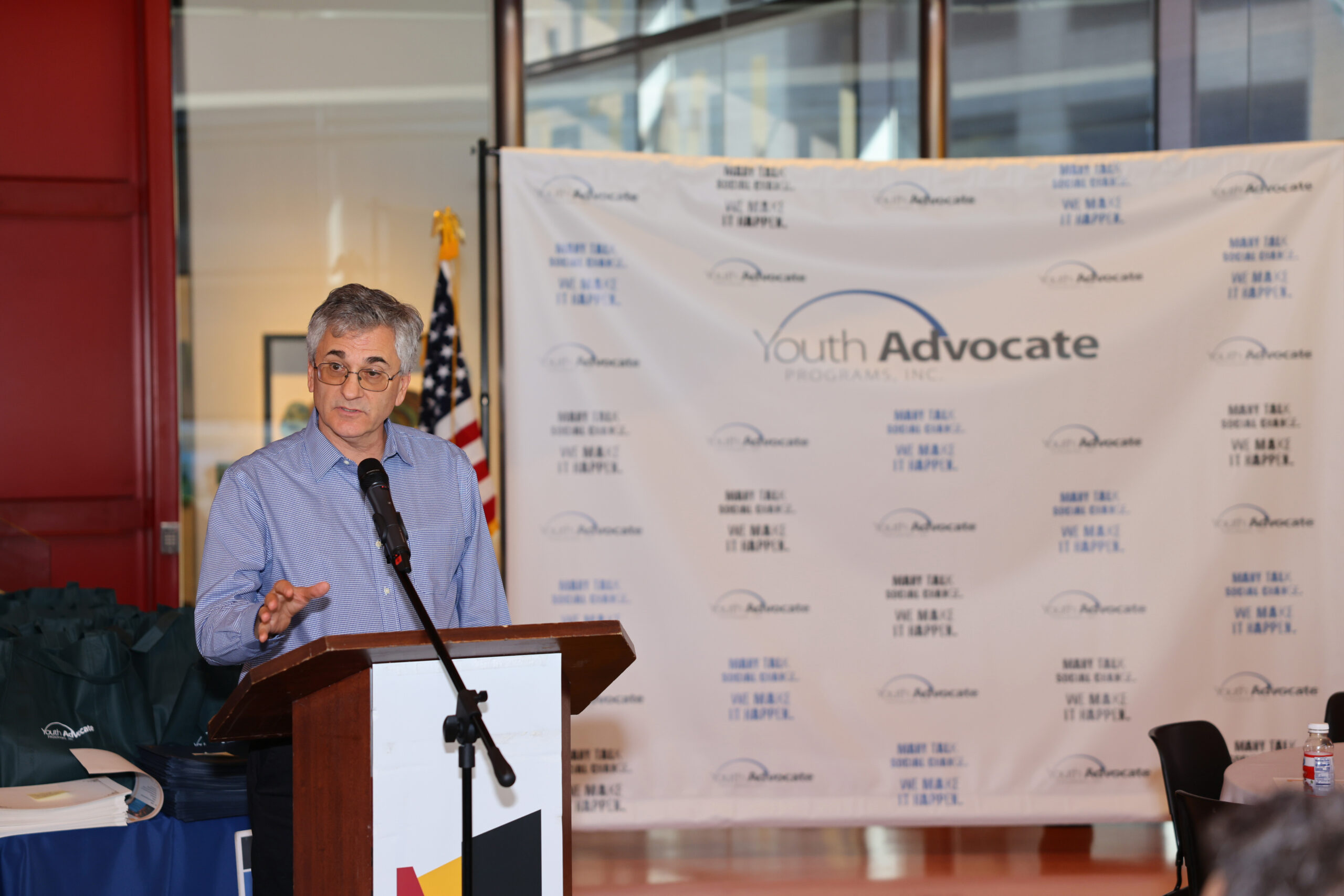
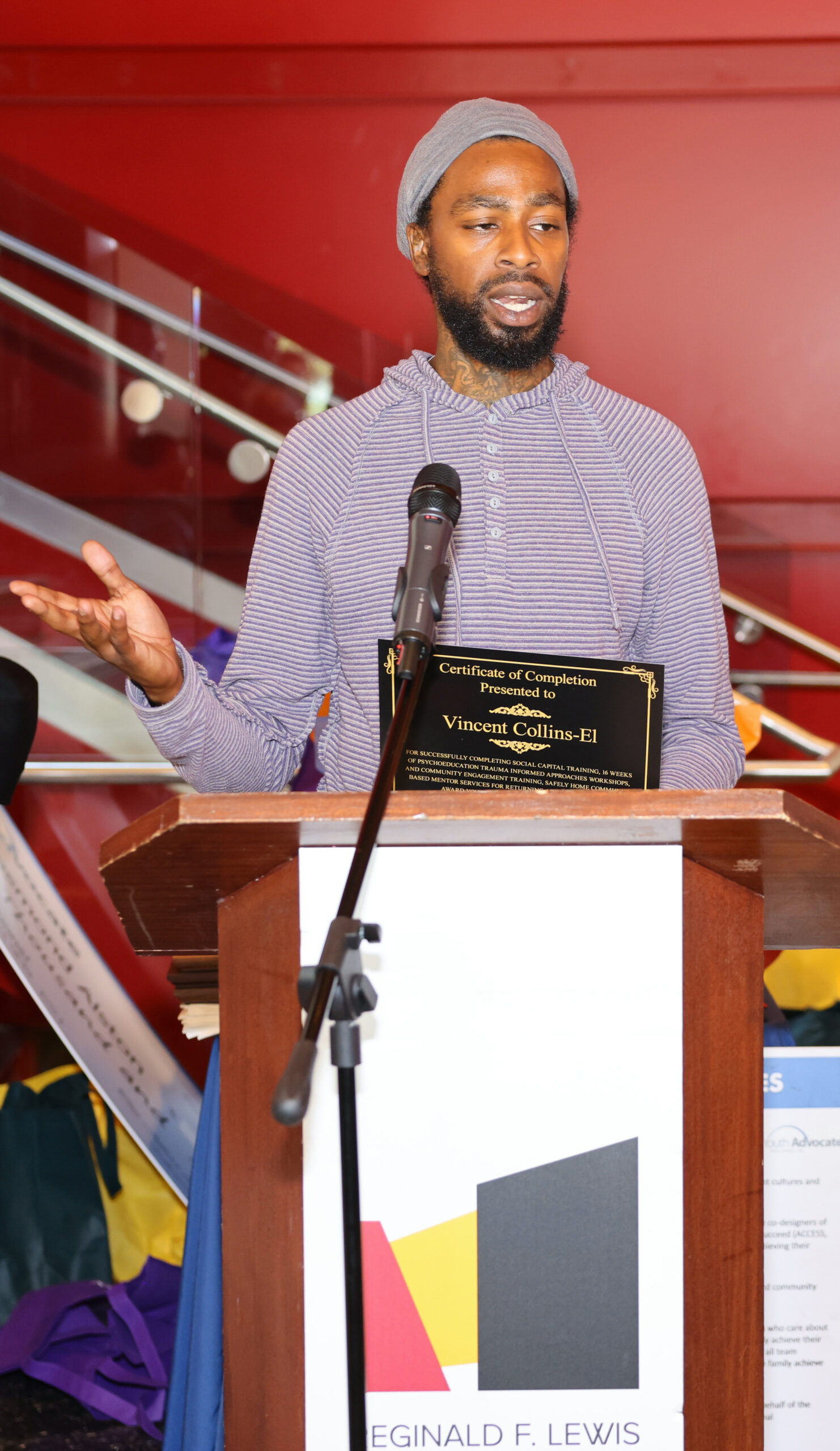
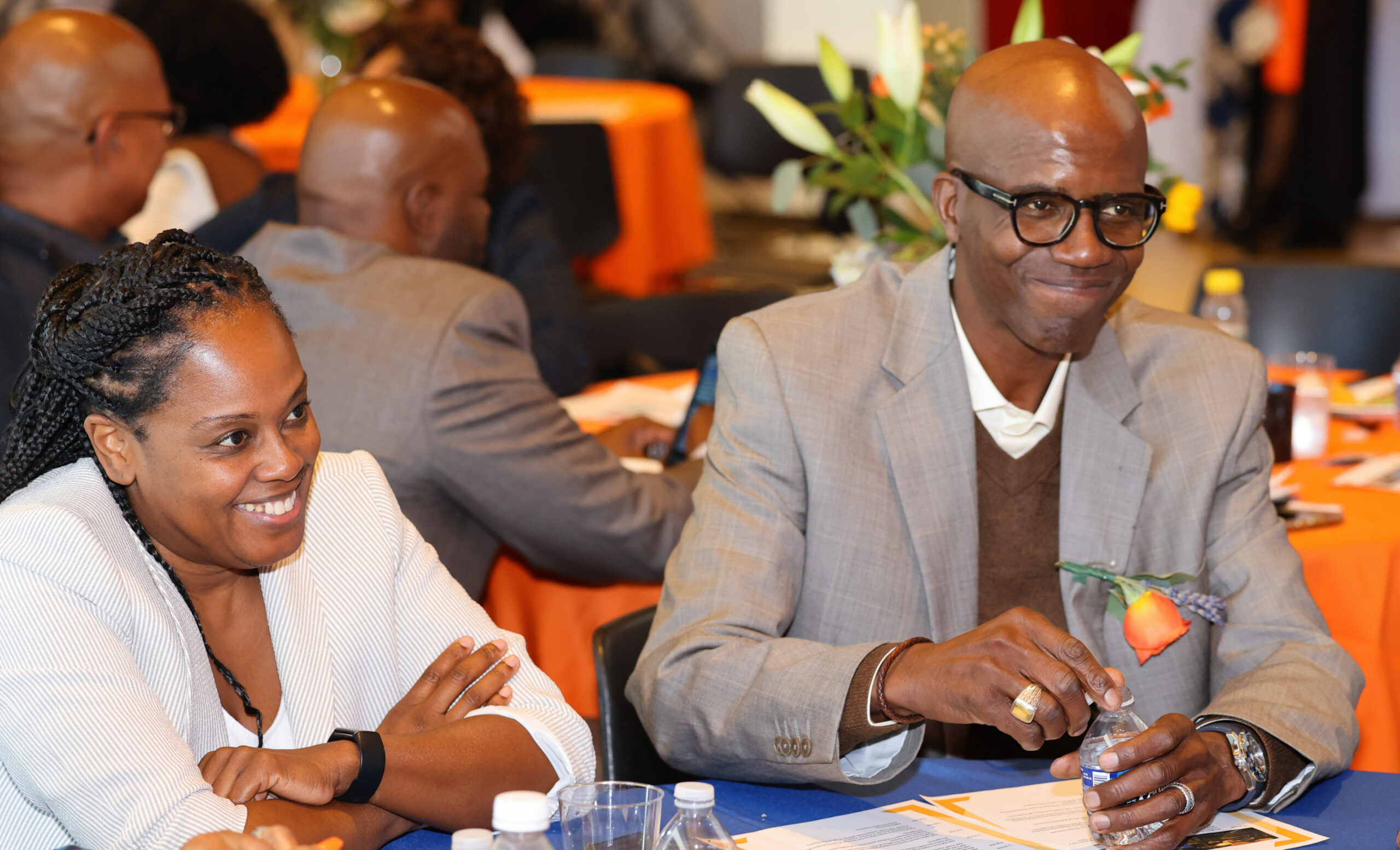
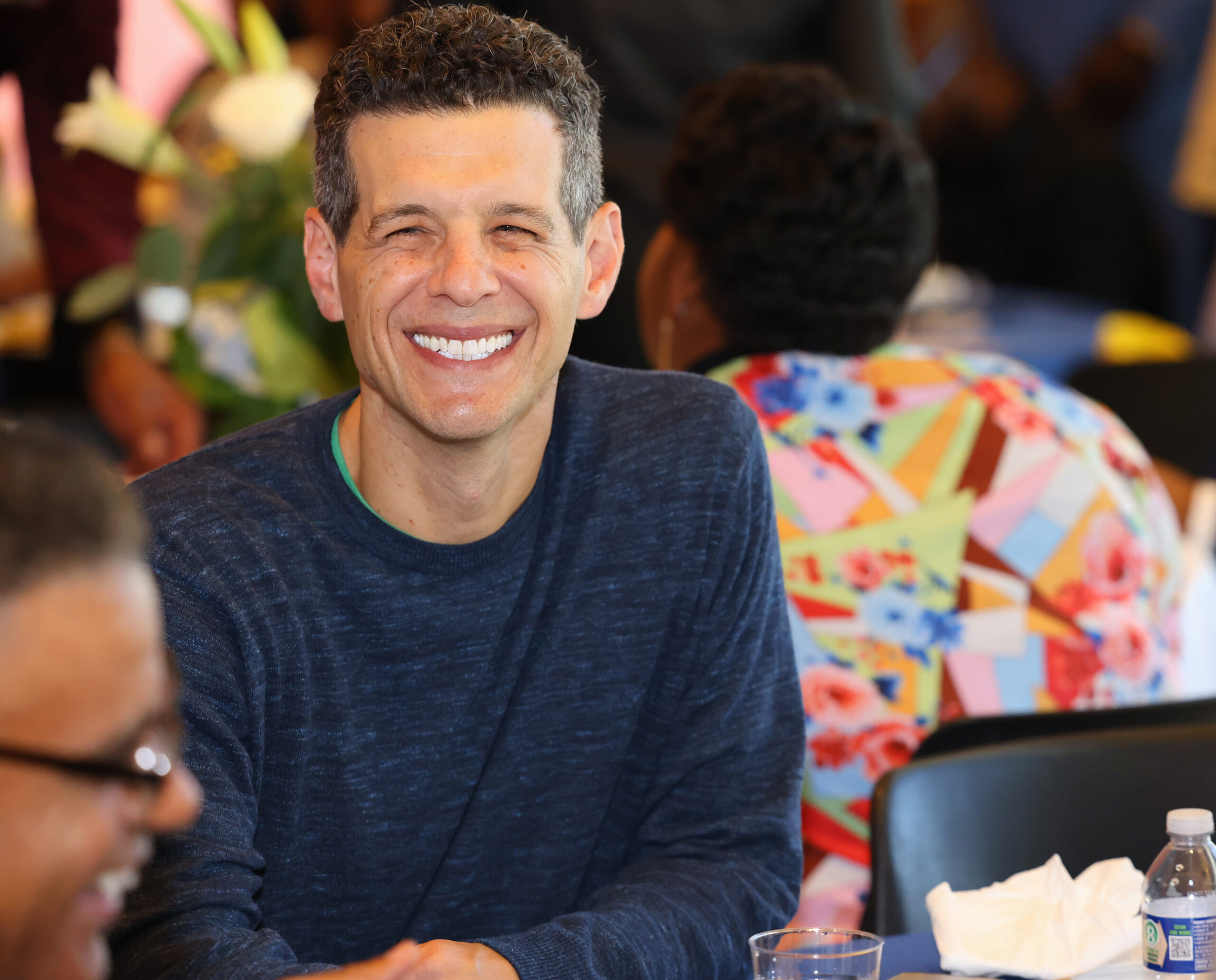
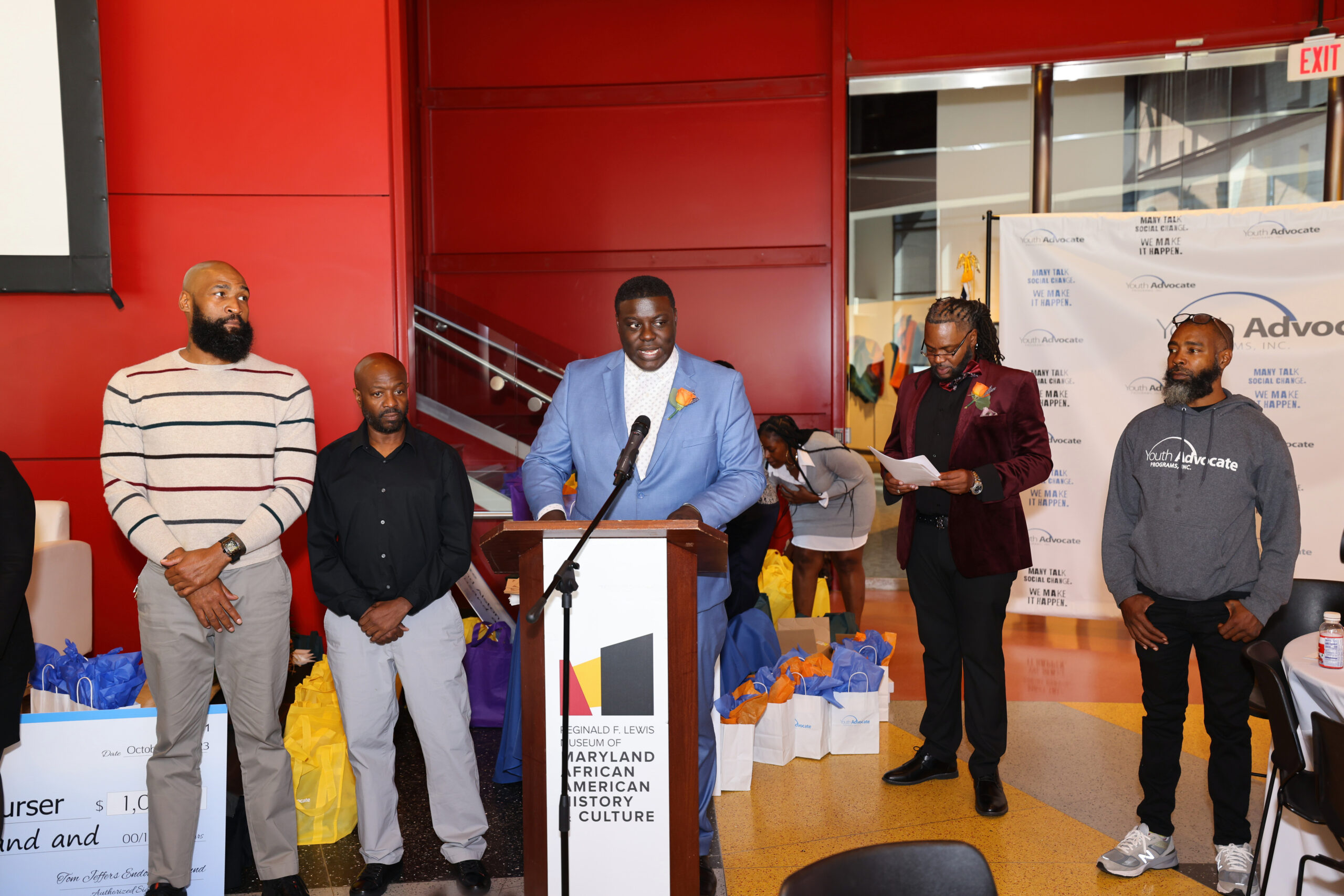
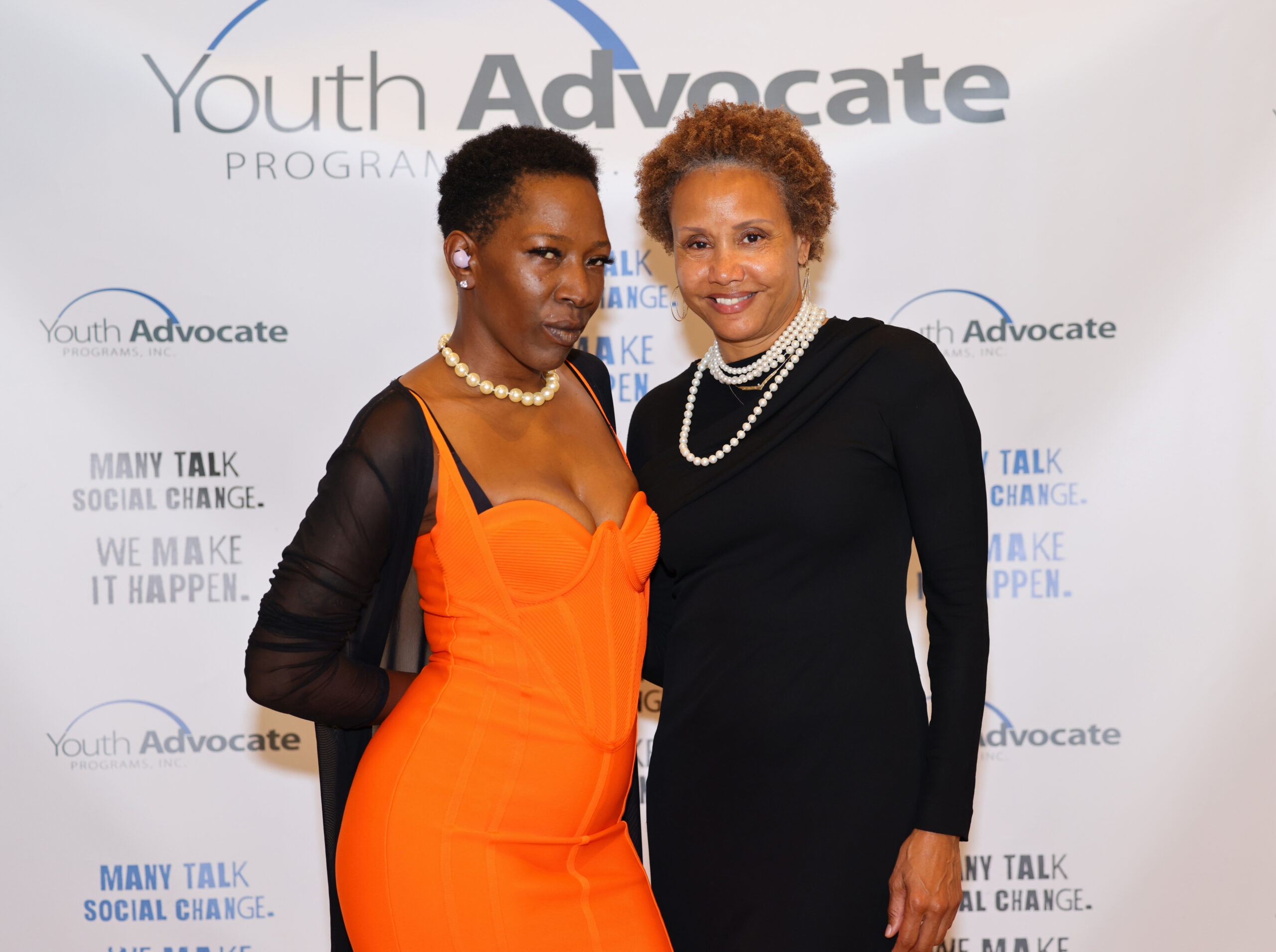
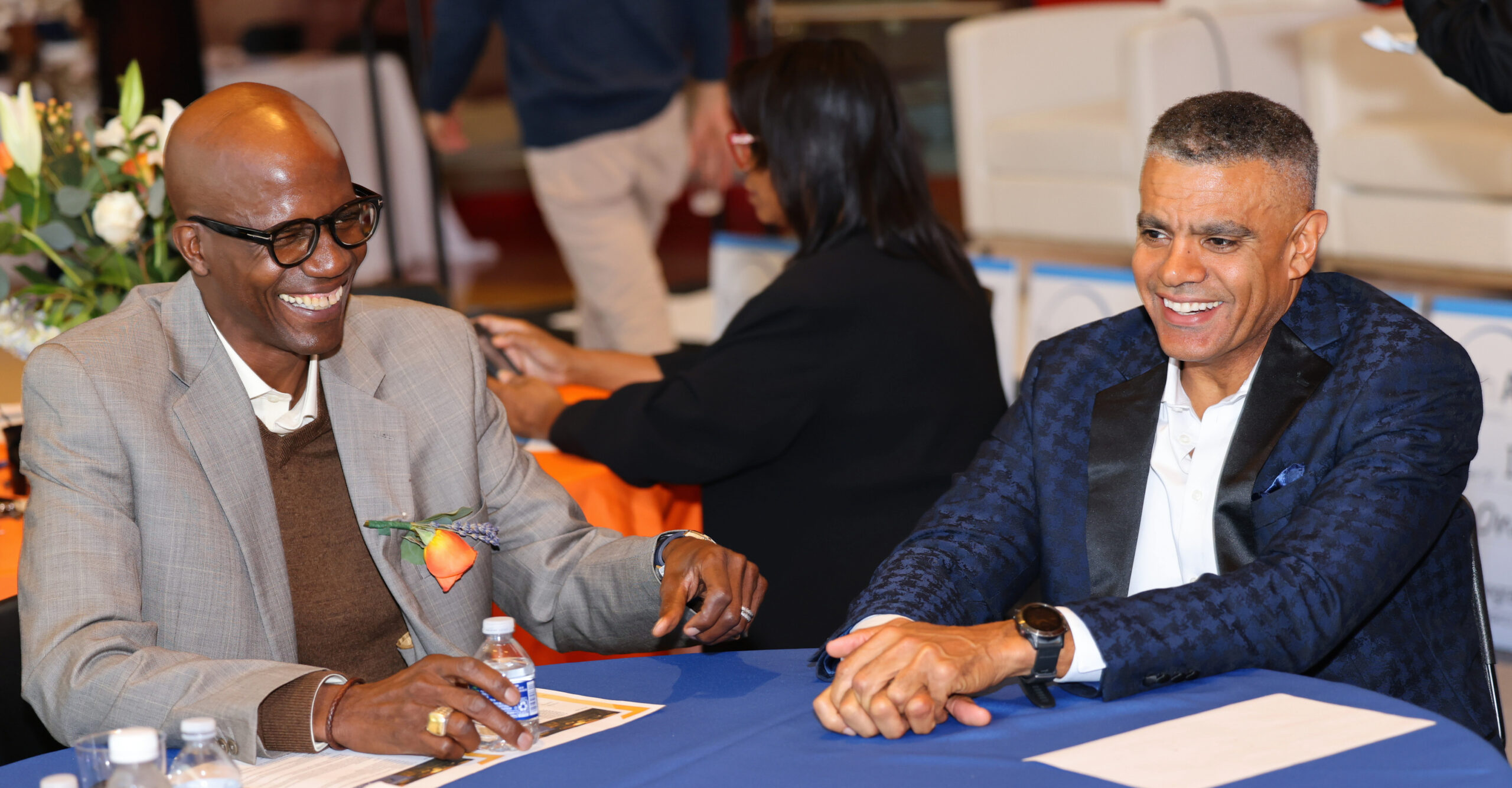
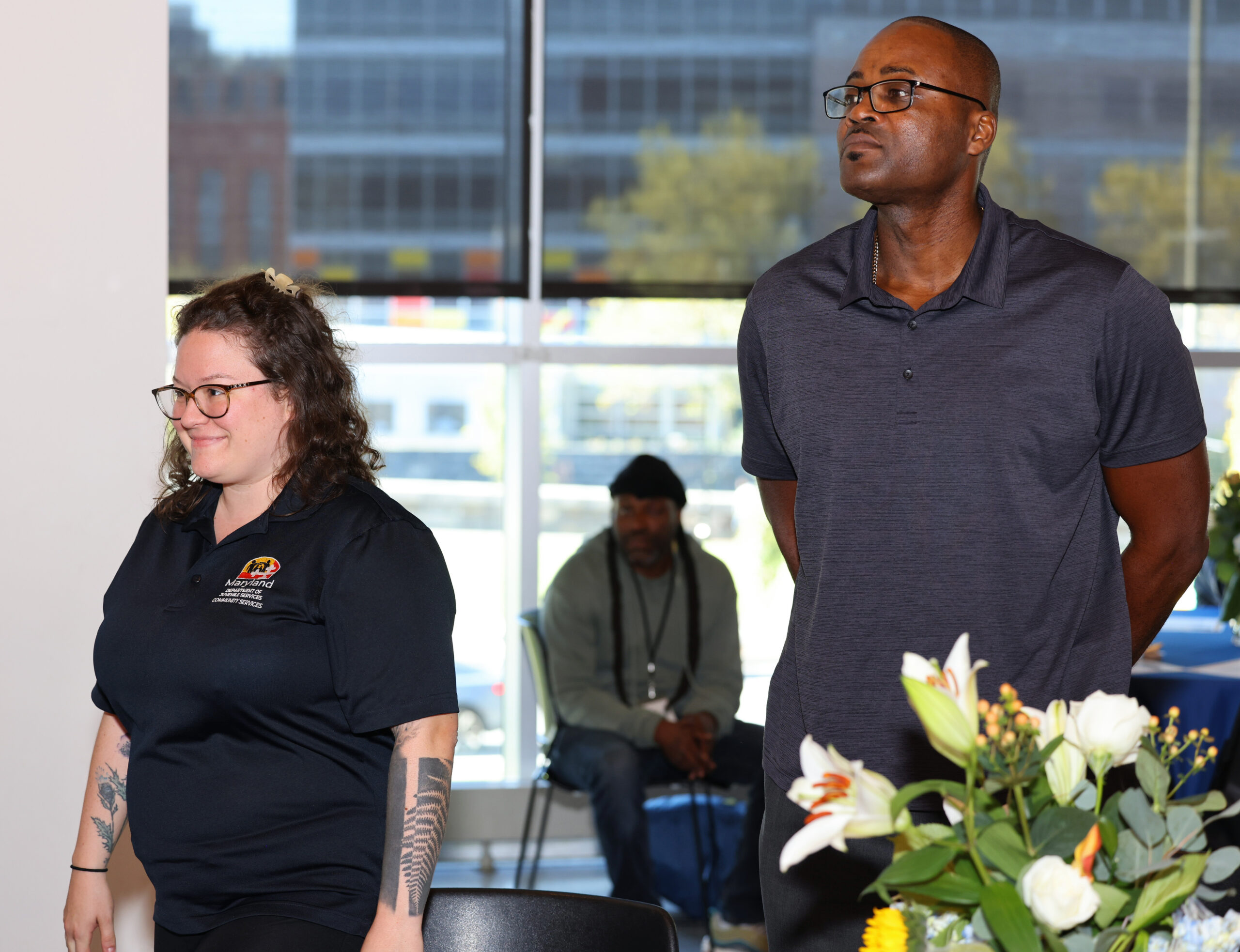
Maryland Department of Juvenile Services Secretary Vincent N. Schiraldi and Maryland Department of Human Services Secretary Rafael López joined Youth Advocate Programs (YAP), Inc. to honor youth and adults making positive change. Schiraldi and López were among those recognized by YAP at its Washington, D.C.-Maryland region Oct. 13 YAP’s Making Social Change Happen Awards at Baltimore’s Reginald F. Lewis Museum.

The program honored current and former justice-involved youth and adults, and other YAP program participants identified as at the highest risk for engaging in violence and those empowering them with tools to make positive change.

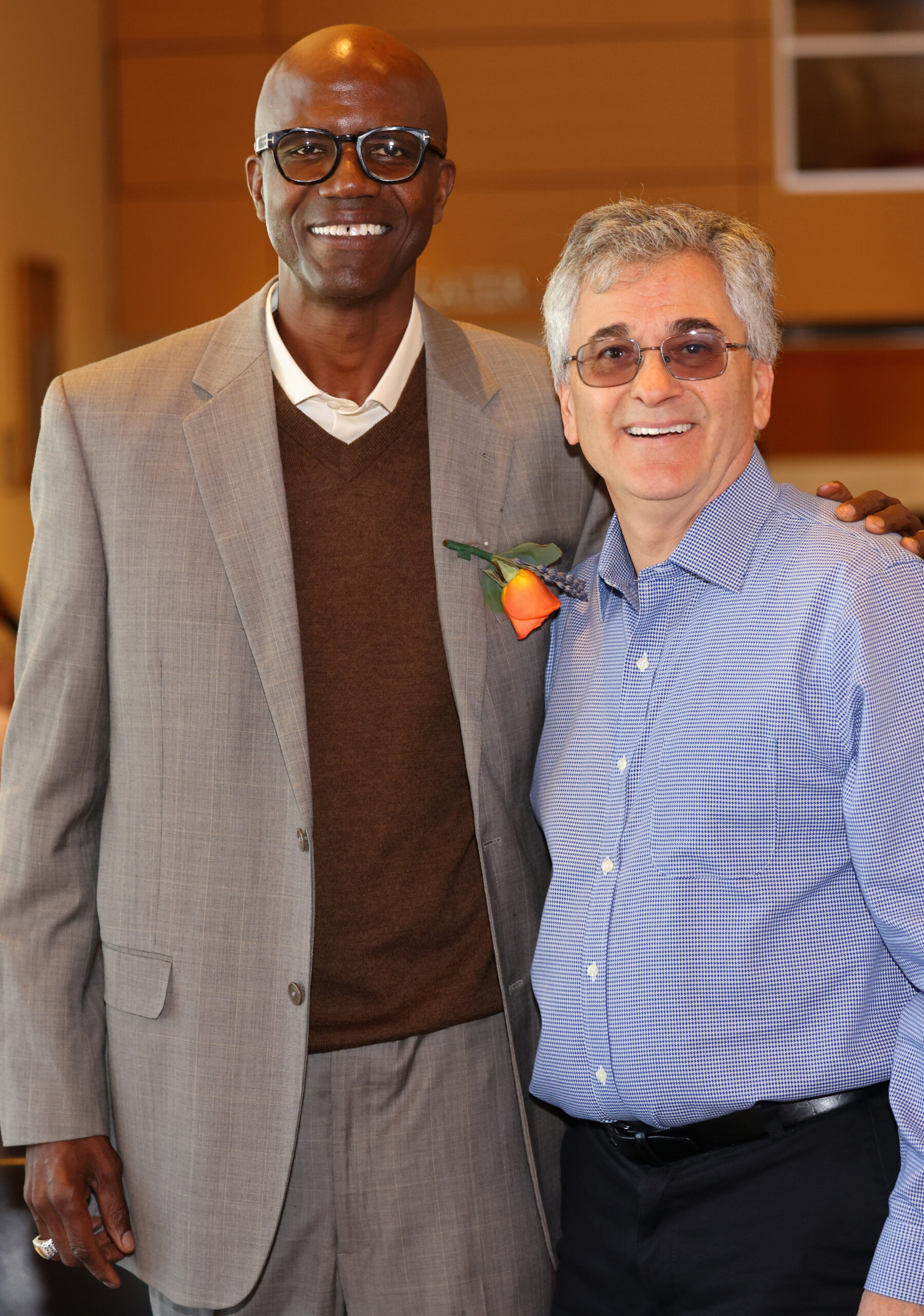
YAP CEO Gary Ivory with MDJS Secretary Vincent Schiraldi

“if you go back to the 90’s they were calling young people super predators and the antidote to dehumanizing young people is humanizing young people and that’s where YAP stands out,” Secretary Schiraldi said. “You’ve always treated young people in your care as human beings and as long as you keep that as your standard you can’t go wrong so thank you for honoring me but I honor you right back.”

A 48-year-old national nonprofit in 35 states and Washington, D.C., YAP partners with youth justice, child welfare, and public safety systems to deliver community-based alternatives to incarceration and placement, and community violence interruption/neighborhood safety services. YAP has experienced considerable growth in recent years as communities have demanded more effective, economical, and equitable systems reforms.

Maryland Department of Human Services Secretary Rafael López was recognized and addressed the honorees

“What is clear to me as I learned more about these award recipients is how relentless they are how relentless each of you are in dedicating your time your talent and your love to lift up our children, youth, families and communities across this country,” Secretary López said. “I’m the son and grandson of migrant farm workers and one of the people I most admire who advocated for social change on behalf of migrant farm workers was the activist and labor leader Cesar Chavez once said, ‘Once social change begins, it cannot be reversed. You cannot uneducate the person who has learned to read; you cannot humiliate the person who feels pride; you cannot oppress the people who are not afraid anymore.’ I think I’m among people who aren’t afraid.”

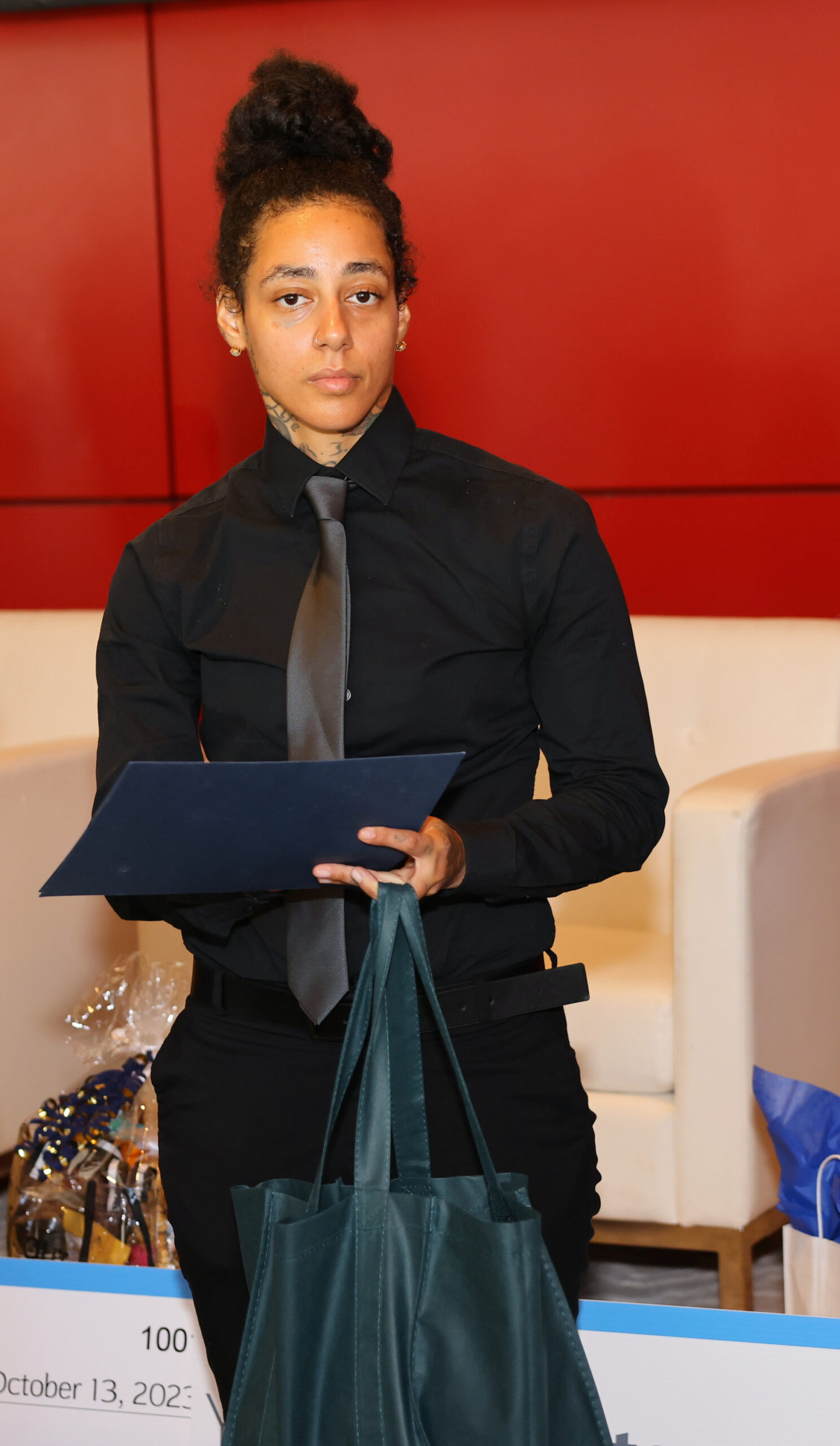
YAP Program Directors Chris Campbell and Danielle Franklin and their teams honoring current and former program participants

YAP CEO and President Gary Ivory welcomed the honorees and guests, including YAP Board of Directors Treasurer Clarence Campbell, Cities United Executive Director Anthony Smith, and other Baltimore, Md., and Washington, D.C. community leaders.

Cities United Executive Director Anthony Smith was recognized and addressed the gathering

“I believe you all have decided that Baltimore and D.C. can be better than what it is and we’re going to work hard to make that happen, so I just appreciate you all I love you all and I think these kind of celebrations are what we need more of because the work we do is hard,” Smith said. “I appreciate the folks who do the frontline work who get up every day and put themselves in harm’s way to make sure somebody else can be safe so thank you all and thank you YAP for your leadership.”

YAP Regional Director Craig Jernigan, the awards program emcee, with honoree Retired Youth Circuit Court Staff Tonia Johnson

Honorees included recipients of the YAP Tom Jeffers Endowment Fund for Continuing Education scholarship, funded with YAP employee donations to ease the financial burden of college and workforce training/development for current and former program participants and their parents and guardians. YAP also recognized Baltimore Group Violence Reduction Strategy Deputy Director Terence Nash, Baltimore Group Violence Reduction Strategy Service Partnership Manager Raymond Greene-Joyner, Danise Jones Dorsey, Tonia Johnson, Maryland State Delegate Roxanne Prettyman and other community leaders who empower and support YAP’s program participants.  The program included a panel discussion moderated by DJS Director of Special Projects Richard Burton, featuring Diamond and Andre’, two former YAP program participants who credited the program for empowering them with skills to launch their own businesses.

YAP Board member Clarence Campbell with Re-entry program co-leader Tyrone Little

YAP has systems partners across the region, serving Maryland Department of Juvenile Services (community-based alternatives to youth incarceration), City of Baltimore Group Violence Reduction Strategy (GRVS), YAP Safely Home: Community Based Mentor Services for Returning Adult Citizens, and statewide county child welfare departments.

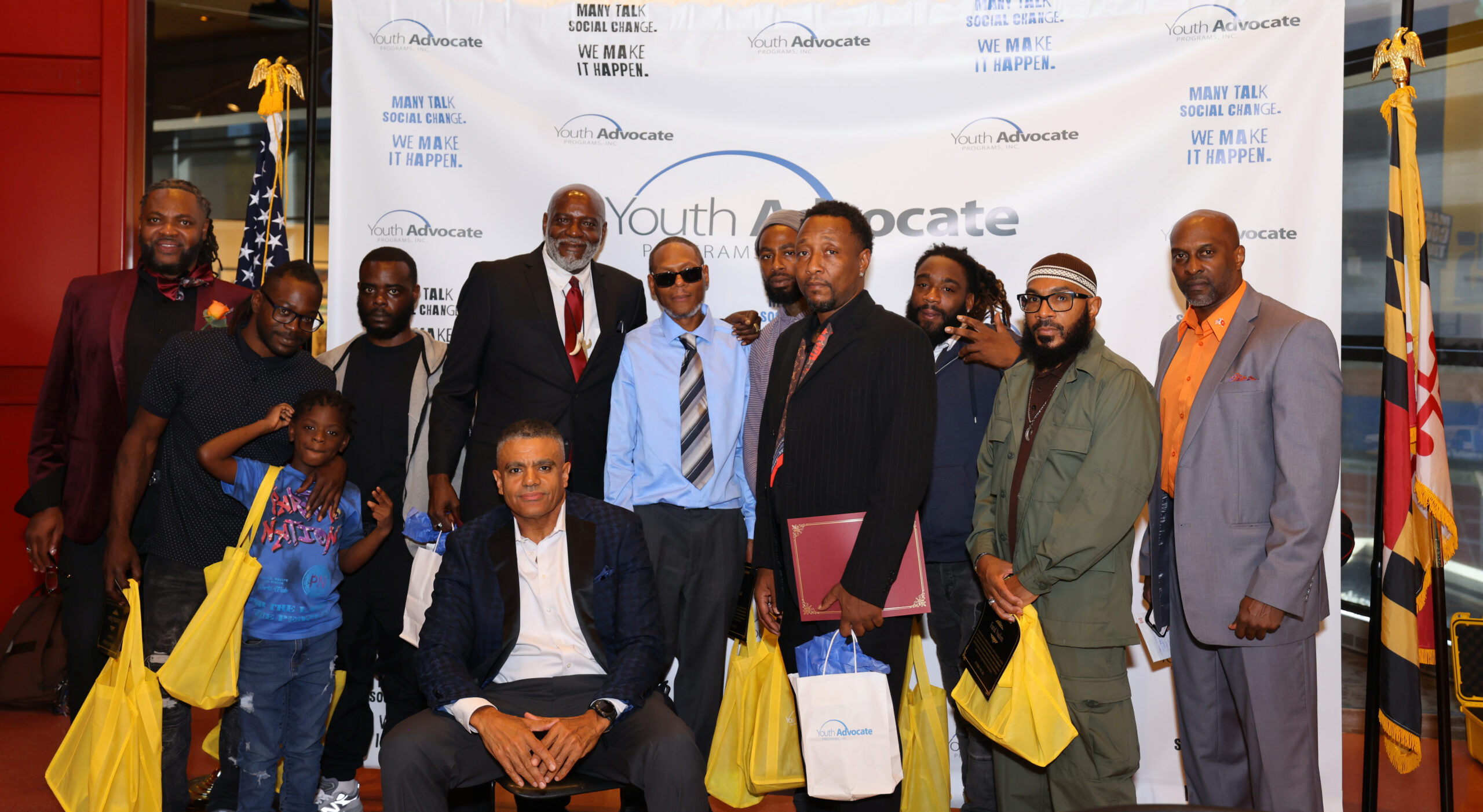
Safely Home program leaders, staff and honorees

YAP Advocates, Credible Messengers and Life Coaches connect program participants and their families with individualized educational, economic, and emotional tools to address their individualized needs. YAP services are led by participants and their families, and implemented by culturally responsive, neighborhood-based staff.

Panel Moderator MDJS Director of Special Projects Richard Burton. Also played Shamrock in HBO’s The Wire

Service is available 24/7 with crisis management, transportation, and basic needs (food, shelter, clothing, utility bills) assistance. YAP’s guiding principles include partnering with parents, guardians, and other loved ones; focusing on program participants’ strengths; neither rejecting referrals, nor ejecting participants; working as a team; delivering community-based services with unconditional caring; empowering participants with tools to succeed and give back; and delivering programs with YAP model fidelity.

Former YAP program participants/panelists Andre and Diamond

John Jay College of Criminal Justice research found 86% of YAP’s youth justice participants remain arrest free, and six – 12 months after completing the program, 90% of the youth still lived in their communities with less than 5% of participants in secure placement.

Learn more about YAP at YAPInc.org

YAP’s Making Social Change Happen Awards Album 2

691A2623
691A2622
691A2621
691A2489
691A2616
691A2458
691A2474
691A2467
691A2563
691A2505
691A2502
691A2500
691A2498
691A2555
691A2501
691A2531
691A2488
691A2559
691A2504
691A2552
691A2547
691A2558
691A2532
691A2535
691A2531
691A2532
691A2530
691A2520
691A2505
691A2500
691A2498
691A2495
691A2496
691A2502
691A2504
691A2501
691A2489
691A2490
691A2488
691A2623 691A2622 691A2621 691A2489 691A2616 691A2458 691A2474 691A2467 691A2563 691A2505 691A2502 691A2500 691A2498 691A2555 691A2501 691A2531 691A2488 691A2559 691A2504 691A2552 691A2547 691A2558 691A2532 691A2535 691A2531 691A2532 691A2530 691A2520 691A2505 691A2500 691A2498 691A2495 691A2496 691A2502 691A2504 691A2501 691A2489 691A2490 691A2488

YAP’s Making Social Change Happen Awards Album 3

691A2483
691A2480
691A2474
691A2440
691A2469
691A2467
691A2458
691A2459
691A2456
691A2454
691A2455
691A2453
691A2451
691A2450
691A2444
691A2442
691A2443
691A2483 691A2480 691A2474 691A2440 691A2469 691A2467 691A2458 691A2459 691A2456 691A2454 691A2455 691A2453 691A2451 691A2450 691A2444 691A2442 691A2443

YAP Hartford Credible Messenger Program Leads from the Heart

0

Hartford, Conn. – Tired of seeing children of color being misdiagnosed and misunderstood on what triggers certain behaviors is what spearheaded Veronica Maldonado’s life work of helping youth and young adults overcome obstacles to turn their lives around.

“I wanted to get educated and be a resource to families,” Maldonado said. “I wanted youth to have other resources aside from medication.”

Maldonado is director of YAP Hartford’s Credible Messenger program. She leads a team of five – an administrative manager, one full-time and three part-time credible messengers –  also known as YAP Advocates, who deliver services to youth justice-system involved young people in homes, schools and communities as an alternative to incarceration and other placements.. Youth who are in the program are referred through the juvenile court system. Maldonado and her team play an important role as program participants and their parent and guardians work through the court and rehabilitative process.

YAP Hartford, Conn. Director Veronica Maldonado

“I attend all of my youths’ court dates,” Maldonado said. “For a judge to see someone in my position advocating for them is a plus. It’s important for both the judge and (program participant’s) family to see my face. My phone is on 24/7.”

YAP is a national nonprofit in 35 states and Washington, D.C., that partners with youth justice, child welfare, behavioral health, and public safety systems to deliver unique evidence-based youth and family wraparound services in homes, schools, and other community sites as an alternative to youth incarceration and residential care. YAP Hartford has served 16 youths and their families in 2022-2023. With “no reject; no eject” as one of YAP’s guiding principles, the organization accepts young people facing the most serious offenses.

“We have the hardest of the hard as far as program participants,” Maldonado added. “Right now, the violence in the city of Hartford is extremely high unfortunately.”

Born and raised in Hartford, Maldonado is a first-generation college student who earned a bachelor’s and two master’s degrees and has held several positions with other nonprofit agencies before coming to YAP when the Hartford program launched in July 2022. While in another role at a Hartford agency, she worked alongside current YAP Hartford Lead Credible Messenger Janita Negron for over a decade.

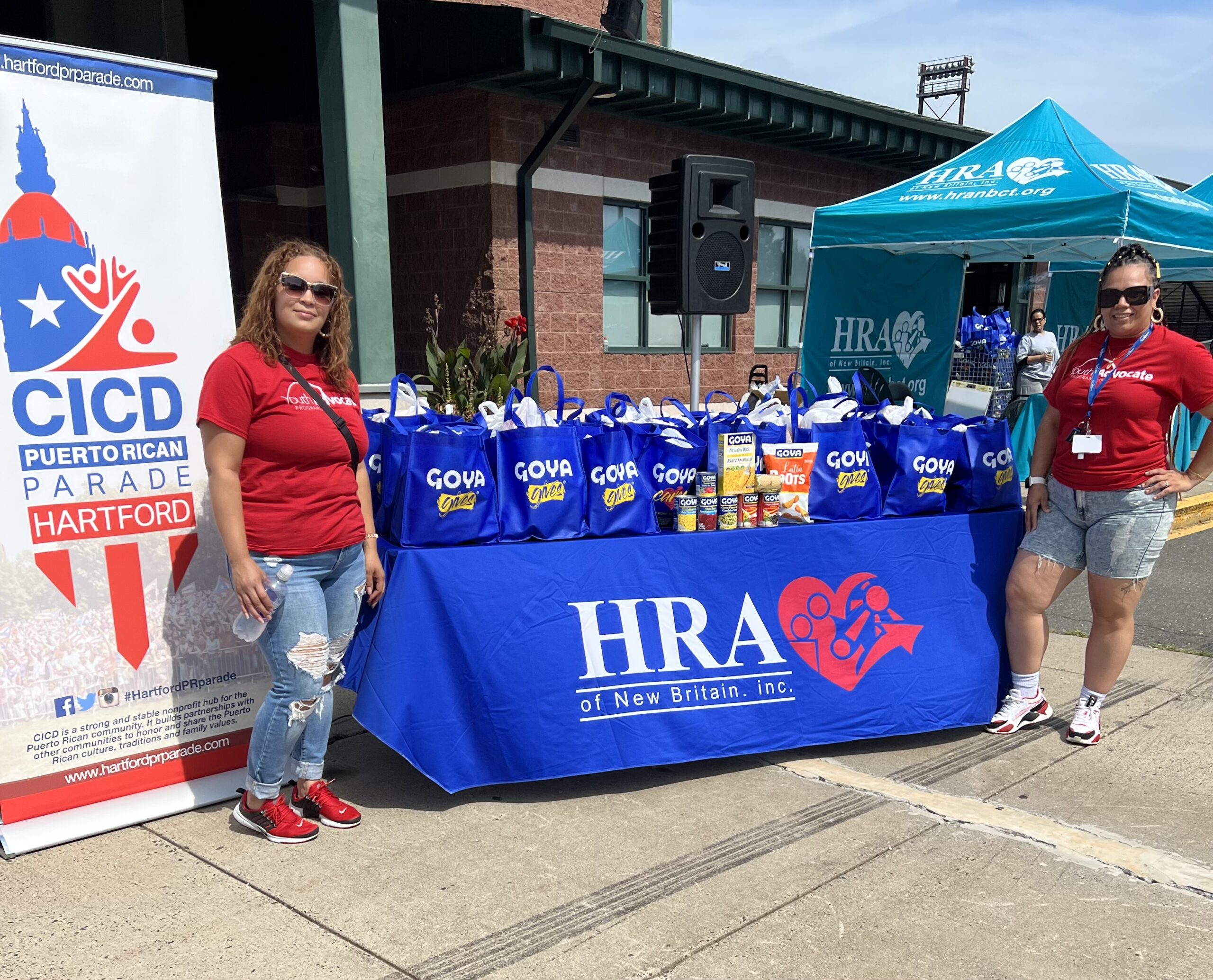
YAP Hartford, Conn. Director Veronica Maldonado and Lead Credible Messenger Janita Negron at the Connecticut Institute for Community Development (CICD) – Puerto Rican Parade in September.

“Veronica and I definitely work good together,” Negron said. “I feel like she knows me well enough and believes in my abilities to work with the youth being that she witnessed it firsthand when we worked together prior.”

Maldonado and Negron and their teams have been engaged in heartbreaking turned inspirational stories that show the resilience of young people and how YAP credible messengers empower them. There’s the story of a program participant who was in a home where domestic violence occurred and he is able to deescalate situations that trigger him. He is now excelling in school and meeting his requirements for probation. Other stories include helping a young mother get a bed for her child and staying on the phone with a program participant who needed someone to talk to.

“I enjoy working for Youth Advocate Programs,” Negron said. “It gives me great joy to see people grow and learn how much of a positive impact I could have in their lives. Helping to save the future of our community is very rewarding and I take pride in being part of that process.”

Added Maldonado, “I feel like all our (program participants) are my kids. I don’t want them to be labeled.”

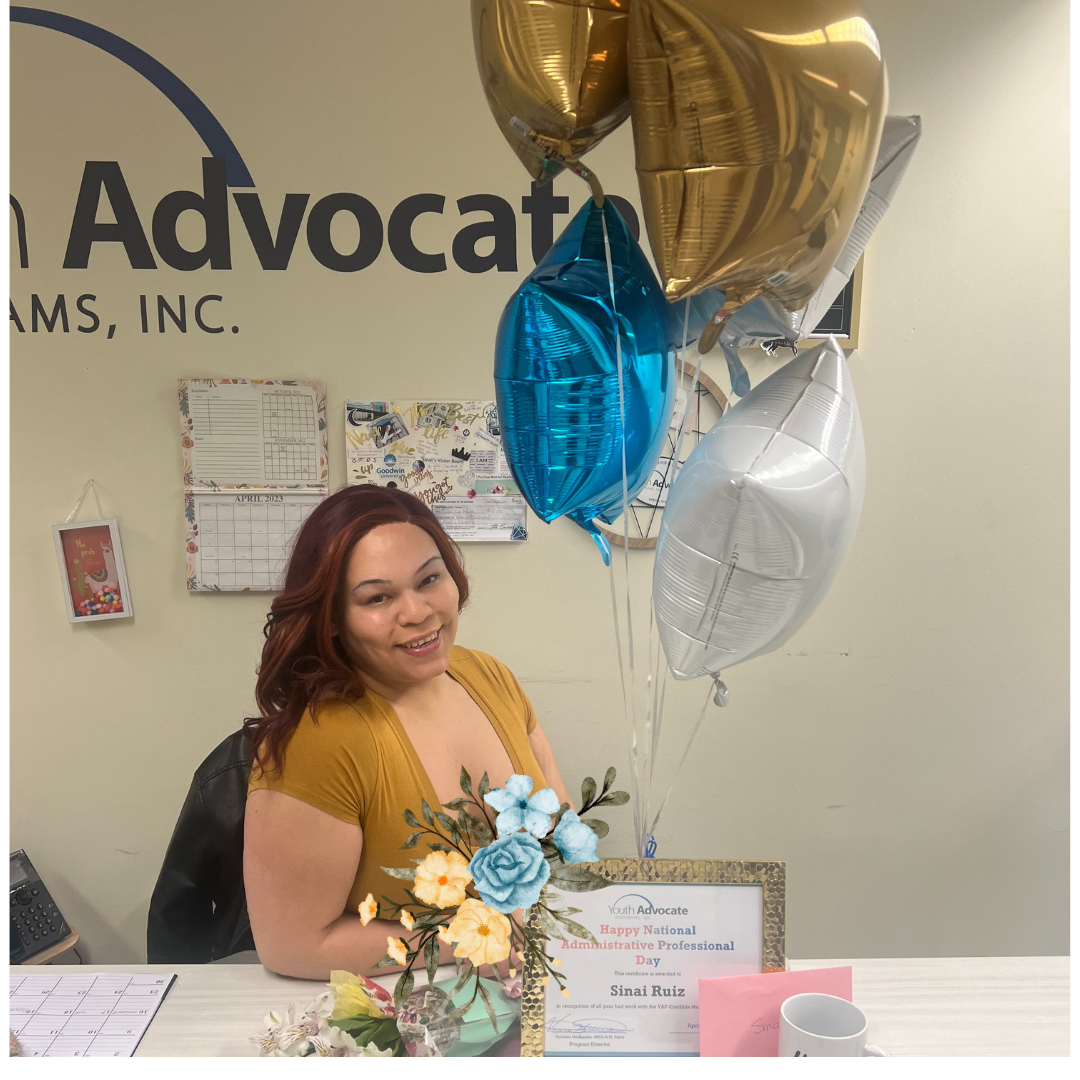
Administrative Manager Sinai Ruiz.

She said YAP’s reputation precedes itself with the organization’s success being well-known in the community.

“Our feedback has been good,” Maldonado said. “The youth are very engaged. Sometimes a lot of organizations in Connecticut work one-on-one with youth, which is amazing, however they don’t offer wraparound support like YAP does. Whoever is that positive influence in that kids’ life we try to work with them so when they’re no longer with YAP that support is still there.”

 As for Maldonado, she would love to see the YAP Hartford program grow to assist even more youth and their families.

“To work for YAP, you have to want to make a difference,” she added. “I think the work we’re doing is valuable.”“

She said program participants and their families are fortunate that the state made YAP a resource and that the state is grateful that the agency is available.

Learn more about YAP at www.YAPInc.org and follow the organization on X @YAPInc.

A Year Ago, They Were Not in School; Then the ‘Back to Our Future’ Program Got them Back on Track

0

Chicago Youth Advocate Programs (YAP), Inc. staff members recently celebrated with the first young people to complete Chicago Public Schools (CPS)’ Back to Our Future (B2OF) program. Launched a year ago, Back to Our Future gives Chicago residents ages 12-20 who have dropped out of or otherwise disengaged from school a safe system of support to continue their education.

YAP, a 48-year-old national nonprofit in 35 states and the District of Columbia, provides services in homes, schools, and other community sites that give youth justice, child welfare, behavioral health, education and other systems partners alternatives to incarceration and residential placement. In recent years, communities have also partnered with YAP to apply the nonprofit’s “no reject, no eject” unconditional caring service delivery approach to help curb violence. YAP is one of CPS’ three Back to Our Future service providers.

Photos/Chicago Public Schools on X

“CPS launched Back to Our Future, a highly intensive education reconnection and support services program, to reach youth disconnected from Chicago Public Schools,” said CPS Chief Safety and Security Officer Jadine Chou. “B2OF is centered around community-building. Our partner organizations provide these youth with a familiar space where they can establish strong community connections and receive access to services they need to get them back on track towards a successful future.”

As a Back to Our Future partner, YAP is there every step of the way, providing program participants with 12 weeks of paid workforce and skills development training, high-level mentorship, and life coaching, as well as trauma support. Back to Our Future participants also receive family support as the program empowers them with tools to reconnect back to the education system.

Back to Our Future participants are young people who have dropped out of school because of complex challenges that may include a history of chronic absenteeism, involvement with the youth justice system and/or have been impacted by community violence.

“We approach this work the way we do with all of YAP’s services,” said YAP Back to Our Future Program Director Monique Crisp. “We ask young people and their parents, guardians, and other family members, ‘What do you need? How can we help? How can we work together as equal partners? And how can you help others in your community?’”

In addition to earning high school diplomas and completing general education requirements, many of the program participants are enrolled in colleges, universities, and trade schools.

“This program is about meeting the young people where they are and giving them and their families individualized educational, economic and emotional tools they need to thrive,” said YAP Chief Program Officer David Williams.

YAP, in collaboration with BrightPoint, also partners with CPS to provide Choose to Change™ programming, which serves students identified as at the highest risk of becoming engaged in violence. Participants receive YAP’s youth and family services along with BrightPoint’s weekly Structured Psychotherapy for Adolescents Responding to Chronic Stress (SPARCS) sessions. A University of Chicago Crime Lab and Education Lab evaluation found that youth who completed the program had 48% fewer violent-crime arrests at the end of the program than their control group peers.

“By providing these young people with educational and other tools to succeed, we’re empowering a safer community for individuals, families and neighborhoods, which contributes to a safer Chicago,” Chou said.

Learn more about Back to Our Future at cps.edu/strategic-initiatives/back-to-our-future. Learn more about YAP at YAPInc.org.


YAP Charlotte Alternatives to Violence Team Visits Former Program Participant in New York

0

Charlotte, N.C. – Members of Youth Advocate Programs (YAP), Inc. Alternatives to Violence Beatties Ford Road team recently returned from Buffalo, N.Y. where they visited former program participant Chance, a graduate of West Charlotte High School and current student at the University of Buffalo.

Chance said he went through some difficult times in his teenage years, but with the support of his family and YAP ATV, he was able to learn how to deal with stressful situations, remain positive and build himself up.

Chance/UNIVERSITY OF BUFFALO PHOTO

“(YAP ATV) helped me out a lot. It’s good people in ATV,” Chance said. “It’s straight good people and family…I appreciate everyone that is in ATV…they make sure I am straight and keep me on my toes. It’s a different type of level of support.”

YAP ATV Beatties Ford Road outreach workers Juan Hall and Larry Mims traveled to New York to support Chance in September. Chance was referred to YAP after he wasn’t doing his best in school. With the help of YAP ATV and the nonprofit’s wraparound services, he is now a wide receiver on the football team at the University of Buffalo with better time management skills.

YAP ATV Beatties Ford Road Outreach Workers Larry Mims and Juan Hall.

YAP is a national nonprofit in 35 states and Washington, D.C., that partners with youth justice, child welfare, behavioral health, and public safety systems to deliver unique evidence-based youth and family wraparound services in homes, schools, and other community sites as an alternative to youth incarceration and residential care. In recent years, YAP has combined our evidence-based youth justice and child welfare model with evidence-based community violence interruption approaches to help cities curb neighborhood violence.

The YAP ATV Beatties Ford Road program started in summer 2021 and is a joint effort between the city of Charlotte and Mecklenburg County using the methods of Cure Violence Global including strategies associated with disease control to detect and interrupt conflicts; identify and treat the highest risk individuals and change social norms. YAP is the area’s nonprofit partner for two of its three Alternatives to Violence (ATV) programs.

View an interview between Hall, Mims and Chance here.

For more info on YAP, visit yapinc.org or follow us on X at @YAPInc.

YAP Louisiana Helps Youth Stay Out of the Youth Justice System

0

Monroe, La.  – Sh’Vante Williams will always cherish seeing young people get off drugs, get reenrolled in school and gain employment. They are celebratory moments that she has experienced while working at Youth Advocate Programs (YAP), Inc. in Ouachita Parish, La., where she now serves as Assistant Director.

“I had one participant who had 3-4 pages of charges on the docket ranging from a hit-and-run to other things; it was a lot,” Williams said. “But she just graduated from high school and is enrolled in college. I have another participant who came in with drug issues and she started off getting her GED but wanted to be in regular school. Right now she is drug free, has a job and is working on getting her cosmetology license. Things like this is what make me feel good; like this is what I’m supposed to do. I love being able to help young people.”

YAP is a national nonprofit in 35 states and Washington, D.C., partnering with youth justice, child welfare, behavioral health, and public safety systems to deliver unique evidence-based youth and family wraparound services in homes, schools, and other community sites as an alternative to youth incarceration and residential care.

Thirteen youths, ages 11-18, are enrolled in YAP Ouachita Paris’s traditional youth justice program, which is designed to provide community-based services. Consistent with the nonprofit’s “no reject; no eject” guiding principle, YAP receives referrals from the Lincoln Parish Courts. The program’s three YAP Advocates and Administrative Manager (AM)/Advocate provide individualized support to program participants and their families, empowering them with tools to see and nurture their strengths while also providing them with services to help meet their basic needs.

YAP’s decades of service in Louisiana and across the U.S. include working with many young people whose histories include serious offenses, multiple arrests, and lengthy out-of-home placements. John Jay College of Criminal Justice research found 86% of YAP’s youth justice participants remain arrest free, and six – 12 months after completing the program, nearly 90% of the youth still lived in their communities with less than 5% of participants in secure placement.

While the Ouachita Parish program stands ready to serve youth with the most serious offenses and traumatic histories, those the team currently serves are fairly new to the youth justice system. In addition to Ouachita Parish, YAP Louisiana provides services in  Calcasieu Parish; Orleans/Jefferson/St. Bernard/Plaquemines Parish; and Rapides Parish. Among its services are designed to follow-up with community-based justice-involved youth to make sure they are safely home and attending school.

Williams joined the organization three years ago after leaving her former position as a mental health professional. She began her YAP career as an Advocate, then became an AM, before entering her current role two years ago.

“I get to be the voice for our kids,” Williams said. “I get to help them and that has always been my goal. Some of them think they have things all figured out until they talk to us and get realistic people who have been through the things they’ve been through and that’s what keeps me at YAP. I get to get up every day and do something that I love. I treat these youth as if they were my own.”

For more information, visit yapinc.org or follow us on X, formerly Twitter, at @YAPInc.

A Trip to Romania Further Fueled Brandon Lamar’s Passion for His Work in Los Angeles

0

Note:  Brandon Lamar recently returned from Romania, where he represented Youth Advocate Programs (YAP), Inc. as part of the U.S. State Department’s Community Engagement Project Exchange (CEPex). Lamar serves as Los Angeles Program Director for YAP, which has programs in 35 states and the District of Columbia and partnerships in Australia, Guatemala, Ireland and Sierra Leone. YAP’s mission is to deliver and advocate for safe and effective community-based alternatives to residential care and incarceration that empower individuals, families, and neighborhoods to thrive. Last year, Lamar’s Los Angeles team hosted Alexandra Diana Gheorghică, a YAP fellow from Romania with the U.S. State Department Community Engagement Exchange (CEE) Program. As a result, Lamar became YAP’s first staffer to participate in the CEPex program, which was created in part to support CEE fellows’ post-fellowship community engagement projects.

YAP Los Angeles Program Director Brandon Lamar with Alexandra Diana Gheorghică, a YAP fellow from Romania with the U.S. State Department Community Engagement Exchange (CEE) Program.

By Brandon Lamar, YAP Los Angeles Program Director

I am pleased to share my experiences and insights gained during my Eastern Europe
CEE exchange trip to Bacău, Romania, where I had the opportunity to delve into the
intricacies of the country’s youth programs and culture. The trip provided me with a unique perspective on the dedication of Bacău’s community towards nurturing and empowering its young population. It also provided a perspective on how different our societies are and the potential development in Romania for the youth sector.

Bacău’s need for commitment to the development of youth programs was evident throughout the trip. I had the privilege to witness firsthand the impact of initiatives on
the lives of the city’s and village’s youth.

Lamar spent time with Alexandra Diana Gheorghică and her team at Active Development Association

I learned a lot in meetings with Alexandra Diana Gheorghică and her colleagues at the Active Development Association (ADA), a youth organization founded in 2012 that aims to promote non-formal education and active participation of young people in the society at all levels. ADA focuses on youth empowerment and most of their projects actively involve young people locally and at national level. At the moment they have a project on youth spaces and youth centers, as the one in Bacău is no longer available.

Abandoned Bacău youth center

The ADA team had already consulted around 300 youth with plans to work on a policy regarding youth spaces in the Bacău county. At the same time the ADA team is co-coordinating the European Youth Village Programme, which is dedicated to empowering young people from the rural area. The program has many facets, including supporting young initiative groups in starting a local movement, to national policies, and this year a first ever European Rural Youth Summit. Alexandra’s team explained that most of their funding comes through European grants and that they apply individually for each project. They explained that limited funding, and low employment affect both the lives of the youth and youth work in general. While they make quite the impact with a rather small team, they shared that for Bacău, the youth services sector is not as active as it used to be, with many activities revolving around theater (they have multiple youth theater groups). Most support for youth is external from the municipality and is based on projects grants, much of it from the European Union. The programs aim to provide skill development workshops, civic engagement projects, and cultural activities that showcase the comprehensive approach taken to address the needs and aspirations of young individuals.

Bacău Town Square/city center

One of the most inspiring aspects of the trip was witnessing the collaborative efforts
involving various stakeholders – governmental bodies, non-governmental organizations,
educational institutions, and local businesses – working in harmony to create a dynamic
celebration for graduating high school seniors. With minimum resources, Bacău city officials host many community celebrations and events. During my time there I witnessed a few senior graduation parades where the city celebrates the students as they walk from
their school to the parliament. I also participated in a few city-wide resource fairs where
city services like law enforcement, the fire department, and local businesses provide
resources that the entire city could take part in. Bacau is a close-knit city where people
support one another.

Bacău city center

I am honored that one thing I was able to assist with was creating a plan to increase volunteers to support local youth programs. This was particularly valuable because the employees at the program I worked with manage multiple projects simultaneously. The volunteer engagement approach not only enriches the quality of programs but also ensures their sustainability and long-term impact. It’s important to acknowledge the challenges that Bacău’s youth programs face. Limited funding, few employment opportunities, the need for mental health services (80% of the population smokes cigarettes, often linked to stress), the need for enhanced accessibility for marginalized youth, and ensuring the longevity of these initiatives are areas that require continued attention and innovation.

Bacău city center

My experiences in Bacău have further fueled my passion for fostering positive change and empowerment among young individuals. The trip highlighted the importance of
creating opportunities for skill enhancement, encouraging civic participation, and fostering cultural expression. What I learned from Bacău’s youth programs can serve as a source of inspiration and insight for similar initiatives  in the U.S.

I extend my gratitude to YAP, the organizers of the CEE exchange, YAP Director of International Programs and Development Diana Matteson and Alexandra Diana Gheorghică, who graciously allowed me to have this opportunity. This trip has not only expanded my horizons but also reaffirmed my belief in the transformative power of community-driven youth programs such as YAP.

Editor’s Note: The CEE Program is a dynamic global network of innovators working with communities to address critical 21st century issues. CEE equips dedicated visionaries with the expertise, skills, and resources to develop multisector approaches and build healthy and engaged communities in over 100 countries.

Learn more about YAP at YAPInc.org.

YAP House is at the Center of Family Reunification in Northeast Alabama

0

Scottsboro, Ala. – It’s been approximately a month since Youth Advocate Programs (YAP), Inc. opened YAP House in Jackson County, Ala., creating a haven for youth and families to share a meal, do homework, connect, and unwind, said YAP Marshall/Jackson/Dekalb counties Alabama Program Coordinator Beverly Benson.

Inside of YAP House in Jackson County, Ala.

YAP, a national nonprofit in 35 states and Washington, D.C., partners with youth justice, child welfare, behavioral health, and public safety systems to deliver unique evidence-based youth and family wraparound and behavioral health services in homes, schools, and other community sites as an alternative to youth incarceration and residential care.

Consistent with the nonprofit’s mission, YAP House is not a residential facility, but rather a community meeting space. It’s where kids returning home from residential and youth justice placements reconnect with their families as they meet with YAP Advocates who provide individualized services that empower them to see and nurture their strengths, firm their foundation, and put their lives on a positive course. 

The priority of YAP Jackson County is reunification, Benson said, adding, “When YAP gets involved, they [systems partners] know kids will have the best opportunity to go home. We do what we say, and they know the quality of our work. It’s all about getting kids home and keeping them home.”

YAP serves several counties in Alabama including rural areas of Marshall/Jackson/Dekalb through partnerships with local child welfare and youth justice systems. The YAP House is a satellite office open to both the Jackson and Marshall County programs. YAP Jackson County has 35 families in its child welfare program helping youth from newborn to age 18 and currently has four participants, ages 11-18 in its youth justice program. YAP Marshall County has 10 participants in its youth justice program.

YAP Marshall/Jackson/Dekalb County Alabama Program Coordinator Beverly Benson.

“Jackson County’s Youth Advocate Programs has brought to our community an essential service that meets an underserved, yet very deserving, population,” said Jackson County Alabama Chief Juvenile Probation Officer Lauren Gattis. “These dedicated workers, each with a servant’s heart, have touched and helped families in ways that were not possible before. (American anthropologist and author) Margaret Mead said, ‘Never doubt that a small group of thoughtful, committed citizens can change the world; indeed, it’s the only thing that ever has,’ and YAP exemplifies this sentiment each day with every family they serve.”

The relationship YAP Jackson County has with the Jackson County Juvenile Court is important, as the courts refer youth to the program.

“Four out of five of our families have been impacted by substance abuse,” Benson said. “The support from the community has been so overwhelming. I knew if we ever opened a YAP House in Jackson that we would be greeted with this warm reception, and it has really been encouraging of the work we do in these counties.”

Among YAP House program participants supported by YAP Jackson County was a young woman referred to the nonprofit after inappropriate cell phone usage on social media got her into trouble. When she returned from placement, YAP staff helped to stabilize her and her family and connect them to resources while educating them about the dangers of certain online usage. Additionally, the first week YAP House was open, staff members got a referral involving a youth who had run away from home. Once the youth was found, YAP Advocates brought him to YAP House where they gave him food and a place to rest, while deescalating the situation; allowing the youth to speak with his probation officer and reunifying him with his family.

“I cannot even begin to say how many positives we’ve had since the opening of that building,” Benson said. “It’s a space for families to be able to visit with their children. A lot of these families don’t have housing; housing is a huge barrier for us in these rural areas…so we’re able to provide them with that space.”

YAP House is a small refurbished mobile classroom that has three rooms and two bathrooms. The first room houses a table where staff can work on parenting and life skills curriculum; a living room is the second space where toys, board games and reading can be done. There’s also a kitchen area for families to create/eat meals together and has a computer.

“YAP House allows youth and family engagement,” said Benson, mother to five adopted children. “I think of YAP House in Jackson County as a neutral space that families can engage. We’re trying to eliminate some of the trauma of families and youth experience by being separated.”

Benson learned about YAP six years ago when she was looking for resources for one of her children. Shortly thereafter, she was hired as a YAP Advocate. Benson says she takes pride in what she does and since YAP Jackson County opened the YAP House, community leaders and other counties have taken notice.

“This program is on fire and Benson is leading the way,” YAP Alabama Regional Director Vivian Davis said.

Benson credits Davis, the six YAP Advocates in Jackson County, the three in Marshall County, Administrative Manager Brianna Wells, Program Coordinator Sarah Daugette, and Vice President of the Southeast Dr. LaVeisha Cummings for the successes of the program.

“The community sees YAP House as such a vital resource for the community,” Benson said. “Coming to YAP is one of the best moves in my entire career. It is my life’s work.”

For more information on YAP, visit yapinc.org or follow us on Twitter at @YAPInc.


YAP Chicago Hosts Back to School Stop the Violence Picnic

0

Chicago – Youth Advocate Programs (YAP), Inc. Chicago Washington Heights Violence Interruption team hosted a Community BacktoSchool Stop the Violence Picnic on August 13.

All photos by Ken Lewis Photography.

“It was a great event that brought the community – along with YAP program participants and our staff -together to fellowship, have fun, and provide resources to those who needed them,” said YAP Chicago Violence Interruption Program Director Ken Lewis. “YAP is in the neighborhood connecting youth and their families to wraparound services to help interrupt cycles of violence.”

The picnic, in its 25th year, was held at Brainerd Park and nearly 1,000 residents were in attendance.

The YAP team offered families school supplies as well as connections to economic, educational, and emotional tools – tangible community resources that provide alternatives to violence. The event also included recreational activities, face painting, music, and free food.

Funded with a grant from the Chicago Department of Public Health Office of Violence Prevention, the YAP Washington Heights Violence Interruption program uses street outreach to serve individuals at the highest risk for becoming engaged in violence – including those associated with gangs, returning from prison or who have lost a loved one and might be at risk for retaliation – and their families.

YAP is a 48-year-old national nonprofit that has been in Chicago for 16 years as a partner to youth justice, child welfare, behavioral health, public safety, schools, and other systems providing community-based services as an alternative to youth incarceration and residential placements and to curb neighborhood violence.

YAP’s decades of service include working with many young people whose histories include serious offenses, multiple arrests, and lengthy out-of-home placements. John Jay College of Criminal Justice research found 86% of YAP’s youth justice participants remain arrest free, and six – 12 months after completing the program, nearly 90% of the youth still lived in their communities with less than 5% of participants in secure placement.

For more information on YAP, visit yapinc.org or follow us on Twitter at @YAPInc.

There’s New Hope for Xavier and Those Like Him, Kids with Nowhere to Call Home

0

Harris County, TX – When it was time for Xavier to leave a Harris County, Texas residential care facility, he was better, but needed more.

“I didn’t have direction; I was treading unknown waters, sailing on a sea, no island, nowhere to go,” he said. “Lots of guilt, shame, and sorrow for what I caused and the harm that was caused to me.”

Xavier went to a transitional emergency shelter for kids classified by the Texas child welfare system as children without placement or “CWOP” youth.

Released from a residential care facility, Xavier had no place to call home.

At the emergency shelter, Xavier met kids whose stories were unique, but with a common thread – no place to call home. Some had run from foster care. Others had returned from youth justice facilities to families unprepared or afraid to let them come back. Many had difficult, abusive, or volatile relationships with parents and guardians or their partners.

A couple of weeks after he got to the shelter, Xavier met Shalina Holmes and Alice Johnson from Youth Advocate Programs (YAP), Inc.

“The Advocates just came out of nowhere with a smile, open eyes, love and care,” Xavier said.

Johnson and Holmes are part of the Safely Home pilot program that YAP began last year with the Texas Department of Family and Protective Services (DFPS) aimed at reconnecting CWOP youth with their families or fictive kin.

“The fact that there’s anyone that generous, and sweet, actually willing to help. The love is infinite and eternal,” Xavier said. “I saw that God puts people in my life who can lift me up.”

With support from YAP, Xavier is recognizing his strengths and has been in communication with his parent.

A 48-year-old national nonprofit is 35 states and the District of Columbia, YAP partners with youth justice, child welfare, behavioral health and other systems delivering community-based services as an alternative to youth incarceration, residential care, and neighborhood violence. YAP’s goal working with TDFPS is to find safe alternatives for children without placement, to prevent disruption of foster care placements, and to provide individual and family services as youth are coming home from out-of-state justice and other residential facilities.

Holmes and Johnson spent hours with Xavier, getting to know and understand him. They contacted the parent who raised him and facilitated a meeting with the two of them. At the same time, the YAP team worked with Xavier and guided him as he designed an individualized service plan that builds on his strengths. It was clear to the YAP team how much Xavier loves to learn and write and how easily he expresses his thoughts and feelings.

“I take a journal everywhere I go,” he said. “I’m very charismatic. I’m very good at leading; I’m good at learning quickly; I’m learning math quickly; I’m inquisitive; my motivation is ceaseless. I read all the time,” he said.

As the team got to know Xavier’s parent, they began providing services to help facilitate trust and reconciliation.

“Things have calmed down. A lot has been resolved. We’ve healed a lot,” Xavier said.

When Xavier turned 17 a few months ago, Holmes and Johnson worked with his case worker to connect him with DFPS Preparation for Adult Living (PAL) services. They also arranged for him to have YAP Supported Work, a resource that enables Xavier to have a job at the emergency facility. When Xavier shared his story at a PAL group meeting, DFPS invited him to become part of its Youth Leadership Council and to speak at a statewide conference.

“I was really blessed and thankful. It made my day and allowed my heart to be filled.”

Xavier feels positive about his future and is helping other kids who have been disconnected from family.

Xavier understands that returning home may not be possible, at least not yet. But with support from YAP, he has a better understanding of the complexities of his reality from his parent’s perspective. He sees progress and feels hopeful about his future.

“I am resilient, but I needed to ask for help,” he said. “I knew there were loving, kind people out there. They say so many inspiring words that keep me motivated. It’s just amazing.”

YAP continues to communicate with Xavier’s parent and other relatives with the goal of getting him safely home with relatives or in an independent living situation where he has the love and support of family.

“I’ve always known the mind is like a mirror. Our past, traumas, guilt, shame, and burden put mud on the mirror,” he said. “Now, with YAP, I see myself in a whole new horizon. Instead of looking at the murky swamp, I see a stunning sunrise.”

Xavier is empowered by the possibilities and the opportunities afforded him to share his story statewide with other CWOP kids and people who are in a position to provide resources to help them.

“It allows me to alleviate pain. Even if I just touch one heart, I’m happy,” he said.

“Xavier is an extremely articulate smart young man, said Xavier Etherly, Xavier’s caseworker. “He’s proven to be a leader amongst his peers and always has a positive upbeat attitude.”

Learn more about YAP and donate to support the nonprofit’s work at www.YAPInc.org

Alternative to Youth Incarceration Services Empower Drake to Put His Life Back on Track While Helping out at Home 

0

Lexington, KY — At age 17, Drake knows all too well how one very bad decision can detour a kid’s life. Through Youth Advocate Programs (YAP), Inc., he also sees how unconditional support and guidance can give young people tools to account for their mistakes while redirecting their lives on a positive course.

YAP Kentucky
Alternatives to Detention and Diversion Programs Director Ashley Randall with Drake

“Drake became a role model for his peers and due to his amazing turnaround and resilience, was dubbed “ValeYAPtorian” and gave a speech at our YAP graduation,” said former Kentucky YAP Assistant Director Delaney Harris, who said her team also awarded him the organization’s Visionary award.  

Drake was 16 when he first heard about YAP.  

“I had been getting into fights,” he said. “I had anger issues, anxiety, and depression. I was spiraling downwards.” 

YAP partners with justice, child welfare, behavioral health, educational and other systems to deliver community-based services as a more effective, equitable and economical alternative to youth incarceration and group residential placements. In recent years, cities have partnered with YAP to incorporate the national nonprofit’s culturally responsive model in efforts to curb neighborhood violence. The key to the model is using zip code recruitment to hire and train community-based staff to deliver individual and family services in homes, schools, and other community sites. 

Drake got involved with YAP at his high school. His Advocates never gave up on him.

Drake’s High School’s Youth Services coordinator referred him to YAP’s school-based program that conducts group sessions on positive conflict resolution.  

“I had a really rough life growing up,” Drake said. “Things kept happening; things kept building up.” 

Drake said he wasn’t one to initiate fights; but by the time he was 15, if someone started with him, he would let the anger out. He said the YAP group meetings at school helped, but managing his feelings wasn’t easy. 

“It was difficult; I was new to the whole self-improvement thing. Going to the meetings, I learned a few skills; but it was hard to change.” 

Drake showed steady improvement, enough for YAP to give him a peer leader role in a follow-up conflict resolution session.  Drake said when that term ended, his anger resumed and continued to get him into trouble at school. The school reconnected him to YAP, but this time with its diversion program. Diversion offered him community-based YAP services as an alternative to more punitive youth justice system approaches. Drake said at the time, he was facing complex personal and family-related challenges. 

“Then my anger, depression and anxiety kept getting worse,” he said. “I made a big mistake and got locked up.”  

It was his first involvement with the justice system. But the charges were serious. 

Program Director Ashley Randall said YAP appeared at every court hearing, speaking up, and advocating passionately for Drake to not be charged as an adult.  

“If he were to be charged as an adult, he would look at eight to 10 years,” said Kentucky YAP Assistant Director Delaney Harris.   

During his three months awaiting adjudication in a youth facility, Drake received regular visits from his family and his YAP team. 

“Between myself, his advocate Alysha Wilson, and another advocate Ben Randall, someone went to visit Drake every single week, hoping to keep his spirits up,” Harris said. “During his time in placement, he made the decision to get his life together and strive to be the best person he could be despite his past actions.” 

Harris said Drake spent his time journaling, reading, studying, completing schoolwork, and working out.

Drake said he is putting his YAP tools to work

“That’s when it really started to kick in. I realized I had to do it for me,” Drake said.  

True to the nonprofit’s youth and family wraparound services model, conversations focused not on his mistakes and what landed Drake behind bars, but on his strengths. 

Drake said he came to appreciate his positive attributes. “I’m smart; I care about and want to help my family,” he said. 

Harris said Drake is also resourceful; that working with him, the YAP team has been able to connect his family with gas cards, food pantries and other basic needs resources.   

“He always worries about his little sister, making sure she has something to play with, wanting her to have things to do — coloring books, markers and crayons,” she said. 

 As part of his probation, Drake continued to receive services from YAP as a participant in the nonprofit’s alternative-to-youth-incarceration program. 

“When he was released to the community, he began right away implementing the changes he was making. He participated in several volunteer activities, such as the community garden, and was happy to help every time,” Harris said. “He continues to showcase his new mindset and continues to give back to his community and be a positive contributing member of society, when things could’ve easily gone the other way.” 

Drake graduated early from high school. He has a part-time job at a nearby restaurant and is putting in applications for construction work. 

Drake leans on his YAP Advocates as he works to help support his family

“Alysha comes and gets me; I’ve started learning more skills,” he said. “All the people are really nice and supportive. I never feel I’m talking to a wall.” 

Drake has learned a lot about trauma and its impact on decisions people make. He also understands and is experiencing the power of community and a strong family foundation. 

 “I want to keep working to help my family,” he said, going on to explain the importance of his family in his journey. “I live with my mom and my siblings. My grandma on my dad’s side — she helped raise me.  Any time I start to feel down, she’s there. And she’s there when I’m doing well. I am doing well. And I’m going to continue to do well.” 

Learn how more about YAP, apply to join the team, or donate to support the nonprofit at www.YAPInc.org. You can also support YAP by following the nonprofit on Twitter @YAPInc.