Kayaking on the River Helps Young People in Northern Arizona with Trauma and Recovery

0

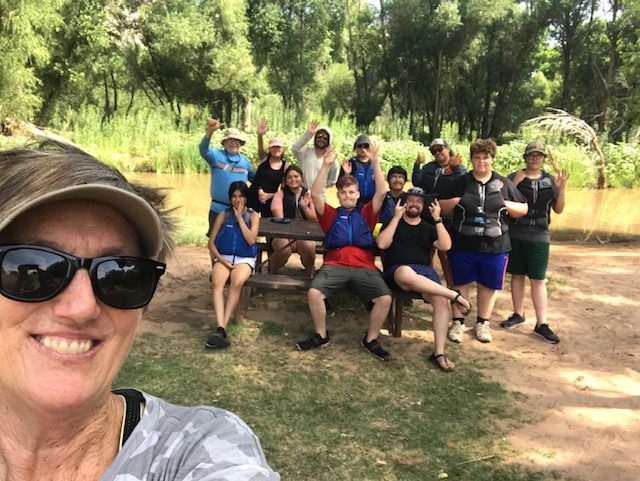
Yavapai County, Arizona – Fresh air, water, and the open wilderness helped five young people open up and face their fears during a recent kayaking trip. The youths are participants in Youth Advocate Programs (YAP), Inc. in Yavapai County, Arizona; and the trip was part of their rehabilitative services.
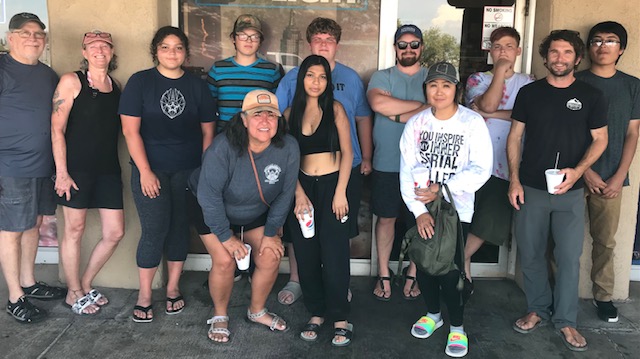
YAN and YAP group after lunch.

YAP is a nonprofit in 33 states and the District of Columbia that partners with youth justice, child welfare, behavioral health, and other systems to provide transformative community-based wraparound services as an alternative to youth incarceration, congregate placements, and neighborhood violence. Neighborhood-based Advocates are paired with youth to provide them and their families with emotional, economic, and educational support.

As part of the experience the youths joined their YAP Advocates and Yavapai-Apache Nation (YAN) Wilderness Program staff for a special lunch. The entire experience was made possible by the Arizona Community Foundation.

“We love working with our youth in the outdoors,” said YAP Yavapai County Director Patty Delp. “It helps build self-confidence and resilience. I have used the outdoors my entire life for healing and adventure and I am thrilled to offer this to our youth.”
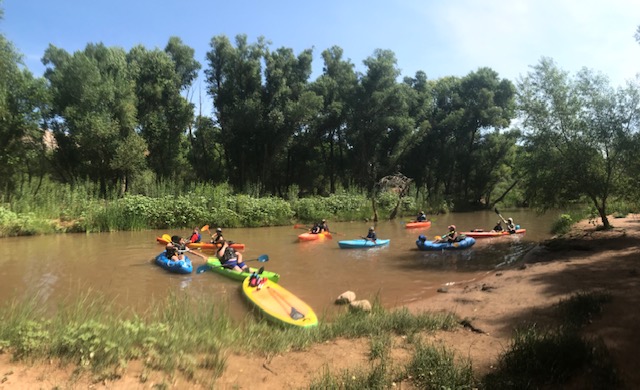
Some of our Yavapai County youth have never kayaked before, Delp said, adding that the adventure took part on a section of the Verde River that is relatively tame. In addition to Delp, YAP Advocates Cami Pollard, Monica Marquez and Eric Schulze went along for the ride, kayaking with the youths for five miles on the river located in rural Northern Arizona.

Marquez, who became an Advocate with YAP in May, works for YAN full-time as the wilderness program manager and is a YAN tribal member. She was instrumental in connecting the two organizations. Through YAN, Marquez does a lot of adventure-based activities, including rock climbing and kayaking, as a form of therapeutic support. As a YAP Advocate, she said she has been working with a fourteen-year-old who was recently removed from her home and is getting reacclimated to school. Marquez is helping her make her own Native American dress and boots and complete beadwork on it for a coming-of-age ceremony.
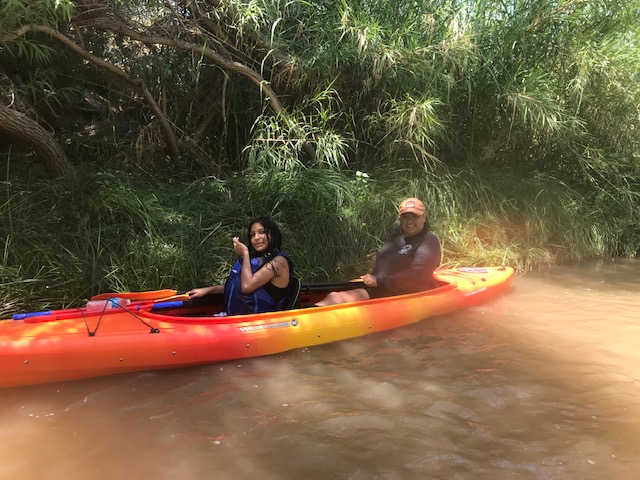
Adrianna and her YAP Advocate Monica Marquez in a kayak.

“It’s really important for the youth to be able to share cultural knowledge with others,” Marquez said. “It gives them insight to the area they live in and helps them respect it more.”

Though the youth didn’t want to go on the kayaking trip initially, Marquez was able to persuade the YAP participant, and she ended up having a good time.

“We were kayaking together,” Marquez said, adding, “I was teasing her when we tipped over in the kayak. It was probably the first time I heard her be vocal and she was having a good time.”

Delp said Schulze is an Advocate of a young man who is dealing with issues surrounding family trauma. The youth, who Delp describes as helpful and respectful, also went kayaking with the group.

“He’s the one that really inspired us to be able to show up and do an event like this,” Delp said, adding the participant helped with equipment assisted all while on the river, and helped others pull their boats out of the water when they finished kayaking. “I am so proud of him, and I so believe in him. He is an amazing young man.”
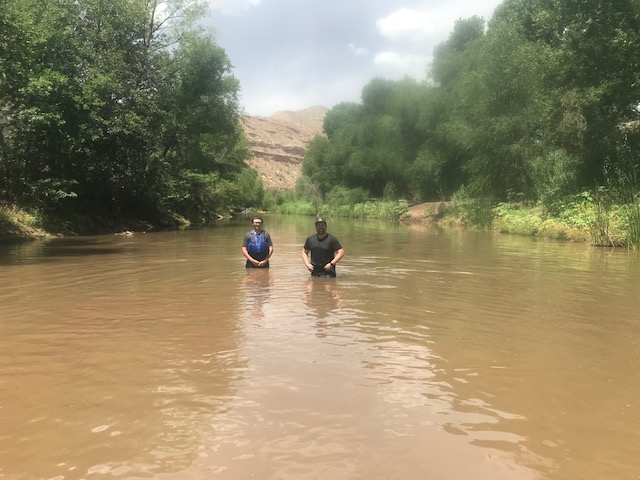
Clayton and YAP Advocate Eric Schulze.

Schulze has been a YAP Advocate for two years and said the outdoors helps youth with recovery, and overcoming anxiety, depression as well as other things as well.

“I work with four youth,” Schulze said. “Over the last couple of years, I’ve worked with all kinds of different kids; those dealing with substance misuse, anxiety, lack of social awareness, and trauma in their backgrounds. I think is pretty universal. They come with as many backgrounds that you can think of, and I think they all need the same thing, which is community.”

Delp is thankful for Schulze, Martinez and her entire team; adding that her Advocates possess qualities that include energy, patience, kindness, compassion and calmness all of which help to build trust and relationships with young people.
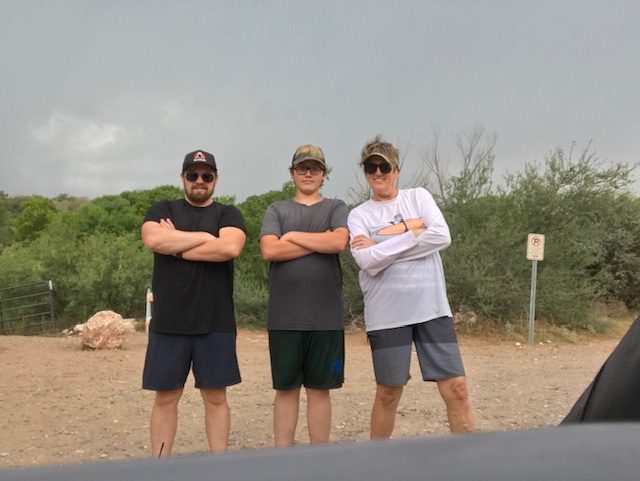
YAP Advocate Eric Schulze, program participant Clayton, and YAP Yavapai County, Arizona Director Patty Delp.

“Each one of these kids is just a fantastic individual,” Schulze added. “They’re all capable of incredible things as long as they have the right support network in place.”

Learn more about YAP at www.YAPInc.org and follow the organization on Twitter @YAPInc.
Youth Advocate Programs Helps Kids Who Face Barriers to Employment Land Super Cool Summer Jobs

0

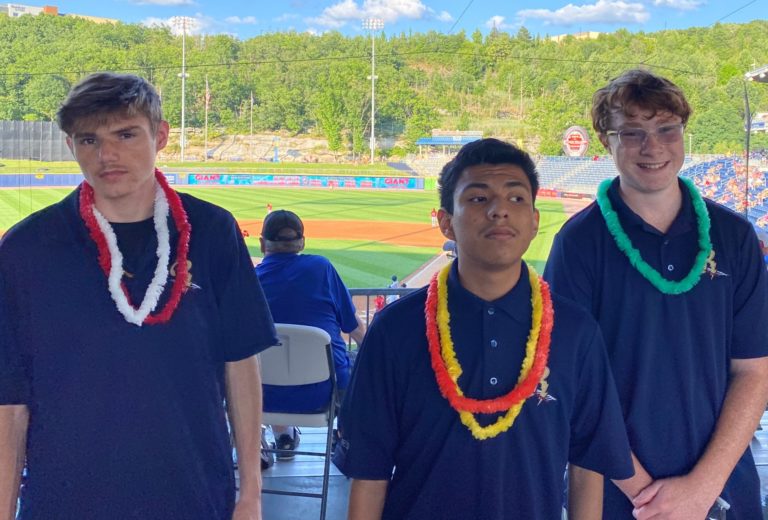
Harrisburg, PA — About 100 Pennsylvania youth who have disabilities, have been justice-involved, live in rural communities, or face other employment barriers have dream jobs this summer.

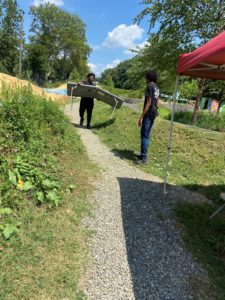
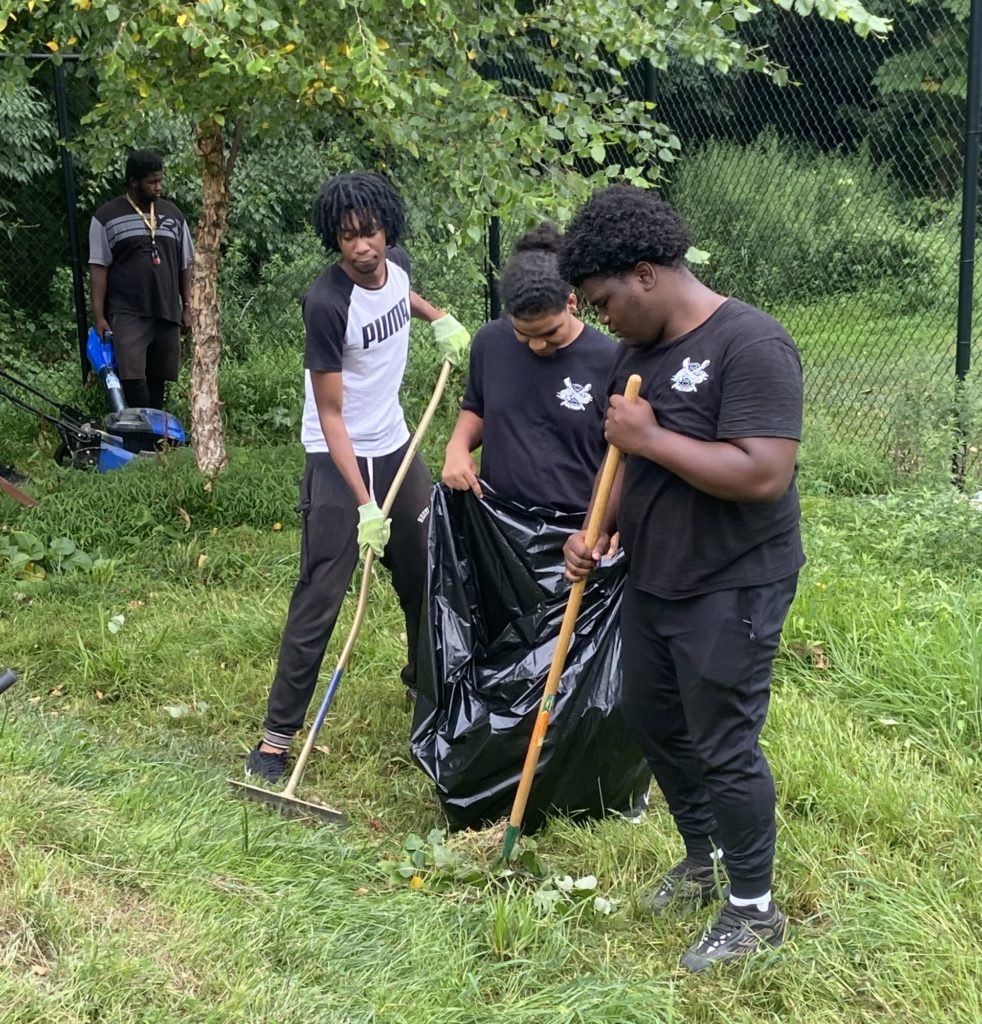
Christian, Kaleb and Quinzel prepare a park for Pump Track

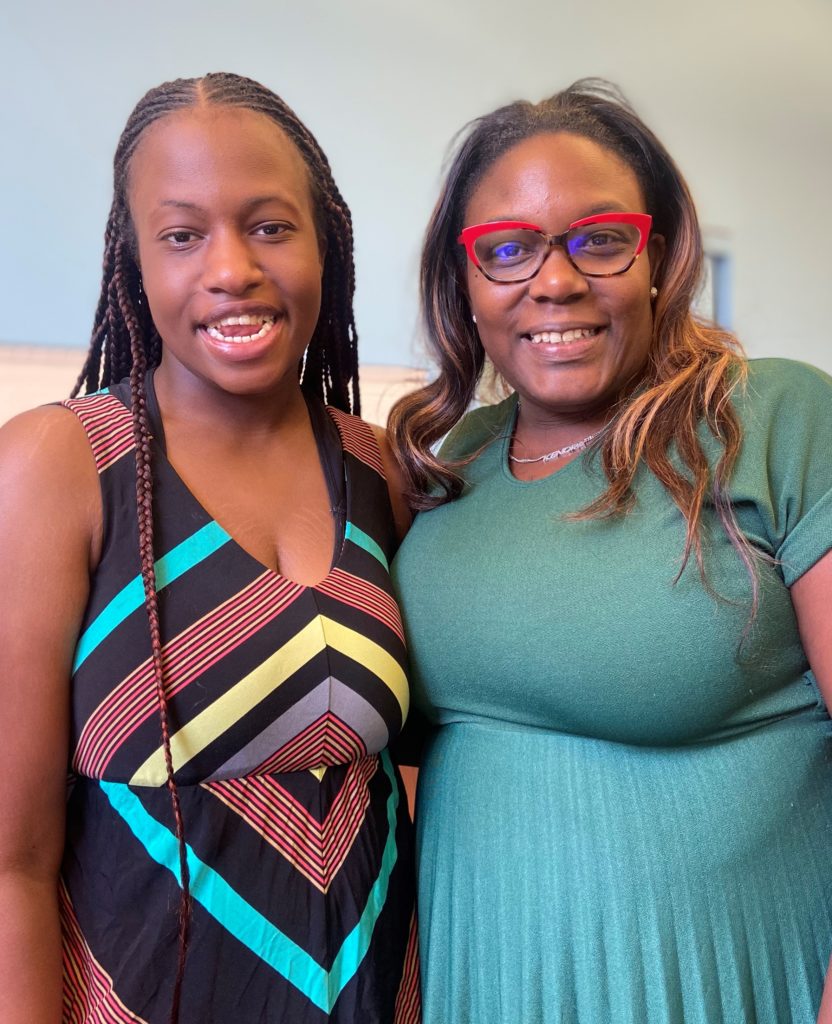
In Scranton/Wilkes-Barre, youth are working in the marketing department for the Minor League Baseball RailRiders. In Philadelphia, participants are at Philly Pumptrack, a free, public, volunteer-led bike park for youth and families from the region, while others are moving and shaking with Councilmember Kendra Brooks.

Program participant Jasmine on the job with Philadelphia Councilmember at Large Kendra Brooks

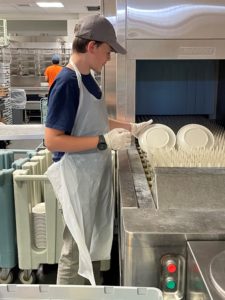
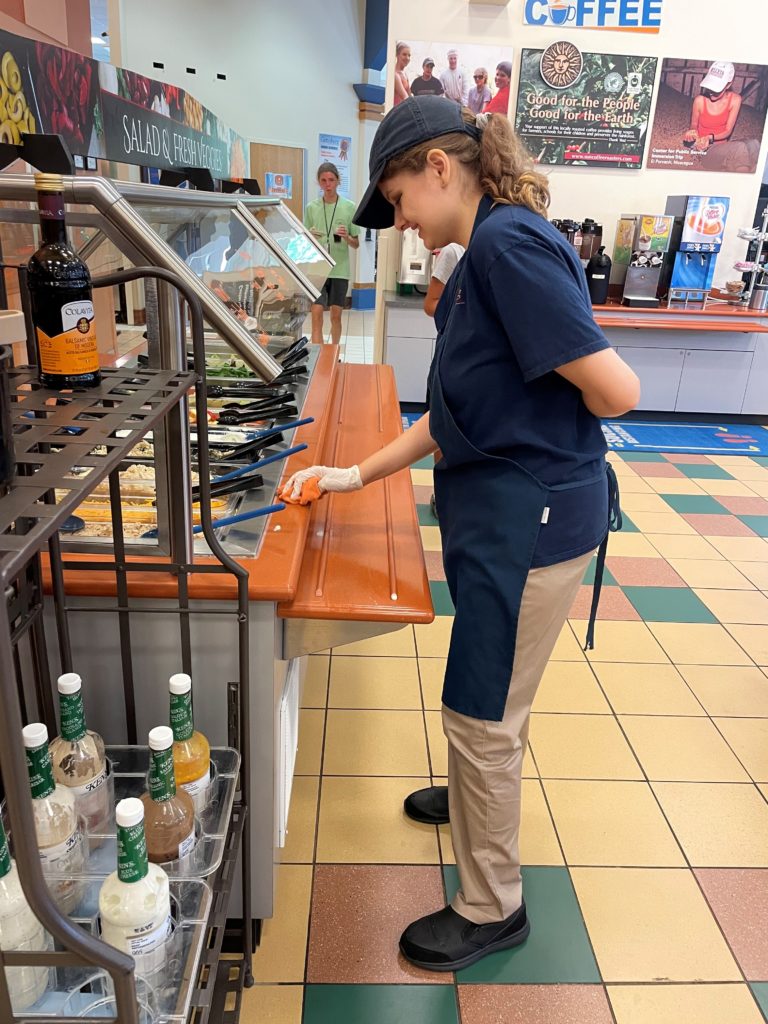
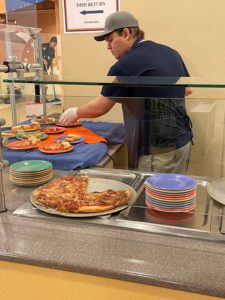
Some participants with disabilities are on the counseling staff at the York YMCA’s Camp Spirit and working with the City of York Parks and Recreation Bureau giving neighborhood parks a makeover. Meantime, a few young foodies are getting on-the-job training at the Gettysburg College dining hall.

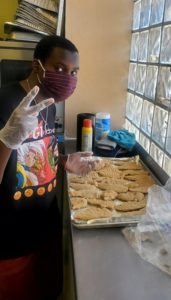
Program participant Leah working at Gettysburg College

The young summer employees are participants in Youth Advocate Programs (YAP), Inc., through a partnership with the Pennsylvania Office of Vocational Rehabilitation (OVR)’s “My Work Initiative” and “Community Work Instruction” programs. The MY Work Initiative and Community Work Instruction programs are OVR funded summer jobs programs to connect students with disabilities en masse to jobs in their local communities.

Joshua at work

Ryan Hyde, Acting Executive Director of OVR, stated that “The OVR My Work Initiative is a fantastic program that creates collaboration between OVR, a local municipality, and a local vendor to offer paid work-based learning experiences for students with disabilities.” He continued, “The partnership with YAP has been an exceptional example of collaboration that will impact the student participants for years to come by creating opportunities for them to gain real world work experience in a variety of professions.”

Zachary working at Gettysburg College

A 47-year-old Harrisburg-based national nonprofit, YAP partners with youth justice, child welfare, behavioral health, developmental disabilities, public safety, and other systems in 33 states and the District of Columbia to provide community-based services as an alternative to youth incarceration, congregate residential care, and neighborhood violence.

Jasmine at work at Philadelphia City Hall

YAP hires and trains community-based Advocates to help program participants see their strengths while connecting them with economic, educational, and emotional tools to nurture them.

Adam on the job at Gettysburg College

“We’ve modeled both OVR summer jobs initiatives after our YAP Supported Work program component, where we identify and recruit employers willing to provide on-the-job training for kids who might not otherwise have the opportunity to get paid for something they’re enthusiastic about,” said YAP National Coordinator of Developmental Disabilities Programs Lori Burrus. “Eleven YAP offices across the state are participating in these summer jobs programs, and like YAP Supported Work, wages are paid to participants through funding from our systems partner, which in this case, is OVR.”

Quinzel and Christian on the job at Pump Track

The summer jobs program participants are young people with disabilities, have been in the youth justice system, live in rural communities, and/or are members of minority groups. OVR refers the participants to YAP, which recruits the employers and makes the matches according to the young people’s interests and abilities. YAP’s community-based staff members also work with the youth to secure work permits, Social Security Administration and other paperwork, and transportation. OVR personnel follow up with each participant biweekly and visit with them on-the-job to track their progress.

“This is a true Commonwealth- and community-wide team effort. The kids are the troopers, and the heroes are the employers who serve as worksite trainers, patiently and caringly teaching the program participants general job tasks, reinforcing skills development, and providing day-to-day supervision,” Burrus said.

Participants receive stipends equivalent to a wage of $10.35 per hour.

Learn more about YAP at www.YAPInc.org. Follow the nonprofit on Twitter @YAPInc.


This Peace Summit is Among Many Baltimore Violence Prevention Tactics

0

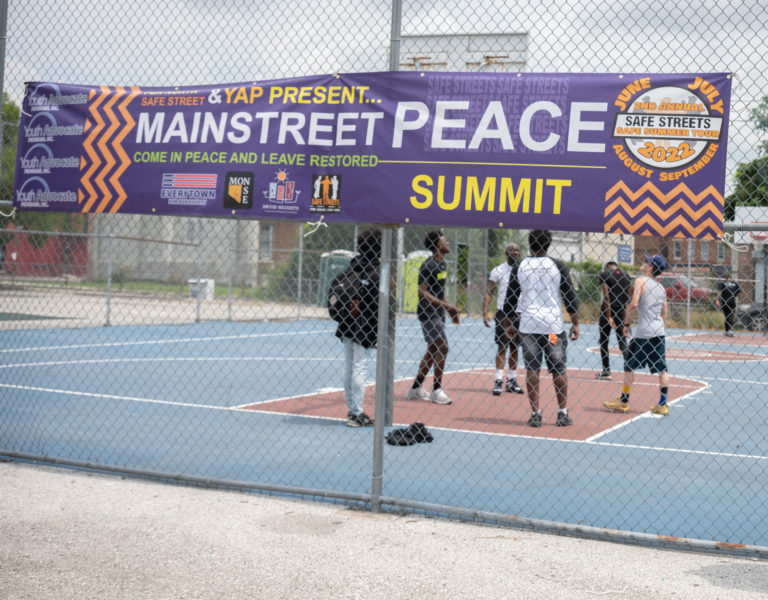

Youth Advocate Programs (YAP), Inc. hosted Mainstreet Peace Summit, a Community Gun Violence Prevention Resource Fair, on Saturday, July 16, at Cumberland and Carey Park in Baltimore. Such events are among the tactics used by YAP’s Youth Justice, Safe Streets, and Gun Violence Reduction Strategy (GVRS) teams to foster a sense of togetherness and solidarity, particularly during the summer months when violence tends to be more prevalent.

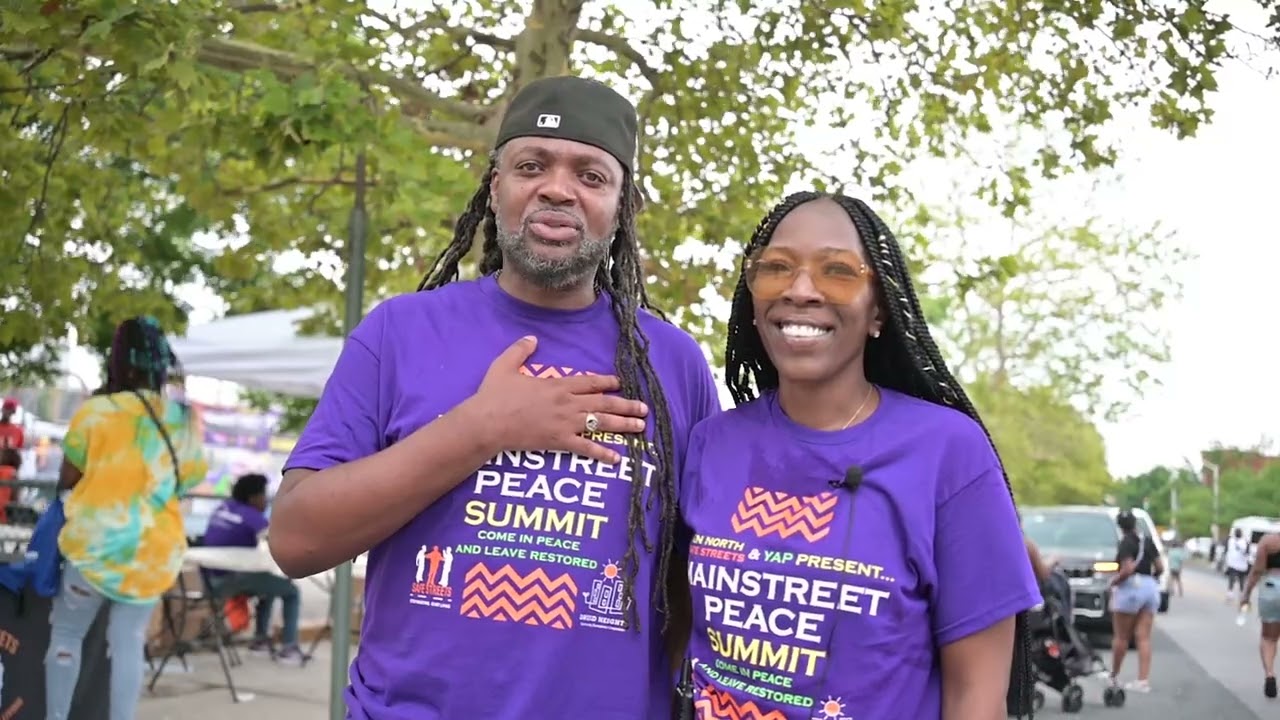
YAP Regional Dir. Craig Jernigan and Ra’Emaa Hill, who oversees the nonprofit’s MD/DC Regional Workforce Development

The fair provided connections to economic, educational, and emotional tools – tangible community resources that provide alternatives to violence – as well as recreational activities for youth and families and free food.

YAP Baltimore team members

YAP is a 47-year-old national nonprofit that partners with youth justice, child welfare, behavioral health, public safety, and other systems to provide community-based alternatives to youth incarceration and congregate residential placements, and neighborhood violence. YAP does this by hiring and training neighborhood-based Advocates and Credible Messengers who work with youth and families in their communities, empowering them with tools to see their strengths and connecting them with resources to help them achieve positive goals. It’s a unique evidence-based wraparound services model that has been shown to keep 87 percent of youth justice systems program participants from reoffending. That success led YAP to doing violence prevention work across the country, including as Baltimore’s Penn North/Sandtown Safe Streets provider four years ago and more recently one of the city’s new– or GVRS — nonprofit partners, responsible for West Baltimore.

YAP’s Violence Prevention programs combine the nonprofit’s evidence-based wraparound services model with evidence-based violence prevention approaches to help curb violence, particularly among individuals most likely to be engaged in violence – people returning home from prison, those who may have been involved in cliques and gangs; and those who may be looking to retaliate after losing loved ones to gun violence. YAP’s violence prevention strategy also involves strengthening neighborhoods and building a sense of support through food and clothing giveaways, youth events/transportation, connecting people to job opportunities, counseling, restorative justice resources, and other individualized supports.


After Losing Her Mom, Her Education Took a Backseat Until She Connected with Youth Advocate Programs

0

Lexington, Kentucky – While living in Dallas, Emily’s mother died when she was only 13 years-old. Her grandmother, who was in town visiting on vacation at the time, took Emily back to Kentucky to live with her.

“My grandma raised me practically from when I was a little girl,” said Emily. “I have a good relationship with her.”

Emily is a former YAP program participant who now serves as a YAP Voice Champion, sharing her story with others.

Back in Kentucky and around new surroundings, things weren’t going so smoothly for Emily. She wasn’t going to school, had bad grades and was unable to express herself. By age 17 she was referred to the court system for truancy. The state’s youth justice system referred her to Lexington, KY Youth Advocate Programs (YAP), Inc. At YAP she was connected with Delaney Harris and Ashley Randall.

“Delaney Harris was my Advocate,” Emily said. “She helped me a lot. I had a lot of baggage from when my mom passed away. She helped me with talks and helped me with school. She gave me the motivation to go to school and work.”

YAP is a national nonprofit in more than 100 communities in 33 states and the District of Columbia that provides community-based services as an alternative to youth incarceration, congregate out-of-home placement and treatment, and neighborhood violence. Since Harris and YAP entered Emily’s life, she’s now re-enrolled in school and is a rising senior.

“Emily and I had both lost our mothers at a young age and there were multiple occasions where Emily would message me just to offer her love and support,” said Harris who oversees the nonprofit’s School Based Mentoring Program in Fayette County, Kentucky. “Emily was one of the most mature and respectful youths I have ever met. Her kindness and empowerment toward other youths were one of the many things I admired most about Emily.”

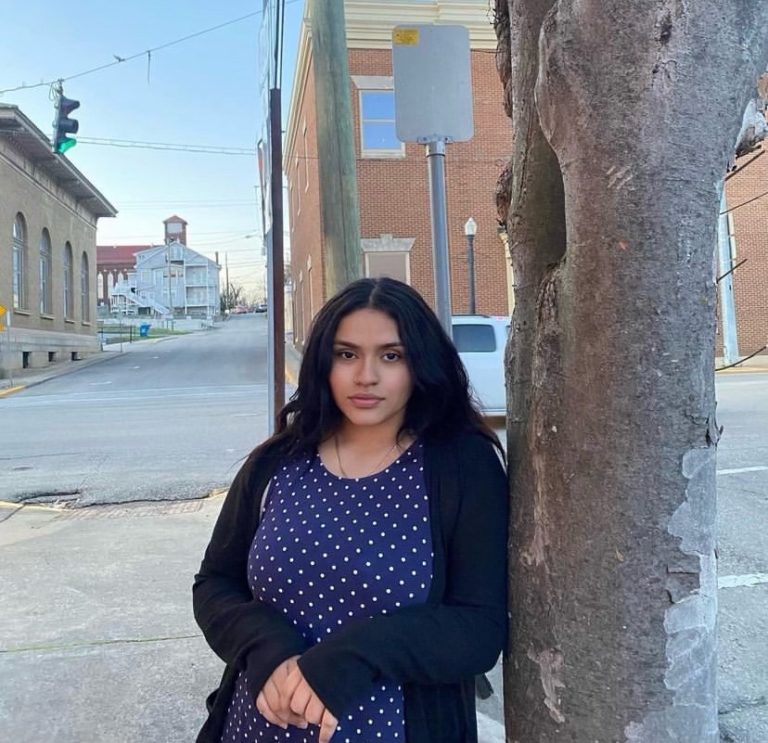
Emily with her former Advocate Delaney Harris. Harris oversees the nonprofit’s School Based Mentoring Program in Fayette County, Kentucky.

The bond they shared over losing their mothers made talking to Harris easy for Emily. She felt she had someone who understood her and she felt free to be honest. Emily said Harris took her out and spent time with her which helped provide a distraction and change of scenery from things she dealt with at home.

Emily is no longer in the program and has accepted an opportunity to become a YAP Voice Champion, where she will join other former YAP program participants to share his story with local and national youth organizations, prospective program funders, policy makers, and others working to make systems more effective and equitable for young people.

“Sharing my story is important to me,” said Emily, now 18. “I was going through so many things at that time. I was a different person than who I am now. I want my voice to be heard. I want other kids to know that things do get better.”

Emily also developed a relationship with Randall who serves as Kentucky YAP’s Program Director for the Alternatives to Detention, Prevention/Diversion, and School Based Mentoring Programs.

Emily and Ashley Randall, who serves as Kentucky YAP’s Program Director for the Alternatives to Detention, Prevention/Diversion, and School Based Mentoring Programs.

“Emily is an absolute gem. I have always been amazed at her maturity and ability to carry herself in a sophisticated and elegant manner,” Randall said. “One would never know all that she has been through and overcome just by looking at her because she carries herself so well and always has a smile on her face.”

Emily has since moved to Virginia and now lives with her aunt and uncle but still keeps in contact with Randall and Harris consistently.

“Though I was so lucky to have been Emily’s Advocate, she taught me more than I ever did her and I can’t wait to see what great things she does in her life and for her community,” Harris added.

Learn more about YAP at www.YAPInc.org and follow the organization on Twitter @YAPInc.


India and Her Sister Had Nowhere to Go; Then Her Advocate Came Through in a Big Way

0

Baldwin County, Ala. – Kayla Miracle-Landicho remembers sobbing outside of a courtroom during a hearing because a Youth Advocate Program (YAP), Inc. program participant and her sister had nowhere to live and there was no availability for the siblings to remain together in a foster care home.

Miracle-Landicho was India’s YAP Advocate and had pushed to get her back in school before going on maternity leave. But when Miracle-Landicho returned to work she learned that India had not been in school, had no adequate housing and no one was helping her meet her basic needs.

The day Miracle-Landicho was crying outside the courtroom, she was on the phone with her husband. Without hesitation they agreed to take India and her younger sister Amara home to live with them. Three years later after serving as foster parents to the girls, the couple was finally able to adopt Amara in December 2021. By then, because India was 18, they were not able to adopt her, but the family says she, too, is now their daughter.

YAP is a national nonprofit in more than 100 communities in 33 states and the District of Columbia that provides community-based services as an alternative to youth incarceration, congregate out-of-home placement and treatment, and neighborhood violence by partnering with youth justice, child welfare, behavioral health, public safety, schools, and other systems. YAP does this by hiring and training neighborhood and school-based Advocates who work with youth and families, empowering them with tools to see their strengths and connecting them with resources to help them achieve positive goals.

“At first, I wasn’t in the program, my sister India was, and I just came along,” 17-year-old Amara said. “(Kayla) has definitely helped me. I am happy she’s my guardian. I couldn’t be with anyone better.”

Miracle-Landicho has worked for YAP Baldwin County, Alabama for five years where she currently serves as the administrative manager for In-Home Services. She was India’s Advocate when she was a participant in Baldwin County YAP’s Multi-State Mentoring Program and had truancy issues with school.

“They are good girls who needed a good environment to thrive in. They just needed to be able focus on things and to not worry about where their next meal would come from and if the power was going to go out,” said Miracle-Landicho. “They’ve never done anything wrong; just normal teenage stuff.”

At the time Miracle-Landicho took the sisters in, she had not only just returned from maternity leave; she had recently found out she was pregnant again.

“I went from having no kids to four kids in a year,” Miracle-Landicho said, adding that she has two children who are 11 months apart. “My children range from teenagers to babies. My husband and I had just had a baby, but these girls had no one and needed us. I will forever be grateful because working for YAP has given me two beautiful daughters.”

Amara is shy but is doing well in school and with her new family. Miracle-Landicho also became Amara’s Advocate before she adopted her.

Amara said now she has lots of structure in her life and is making A’s and B’s in school. India, now 19, is also doing well, and plans to enter college in the fall.

“I wouldn’t be here today if my sister had not been introduced to YAP,” Amara added. “I think it’s a great program. I learned a lot of stuff.”

Miracle-Landicho says she didn’t have a great childhood herself and although she’s young, she believes her daughters can relate to her and that they trust her. She moved to Alabama from Detroit with her husband five years ago and found work immediately at YAP.

“I truly believed I needed to be working with YAP and the youth here,” she said. “Without YAP, all these kids we’ve helped would not have been where they are now.”

Miracle-Landicho added, “I am only 28 years-old and I plan to retire with YAP. I love the mission. This organization has given me such great purpose and has been a blessing to our communities. I can’t see myself working anywhere else. YAP is my home.”

Learn more about YAP at www.YAPInc.org and follow the organization on Twitter @YAPInc.


Chicago’s Washington Heights Violence Interruption Team Turns Empty Lot Into Garden

0

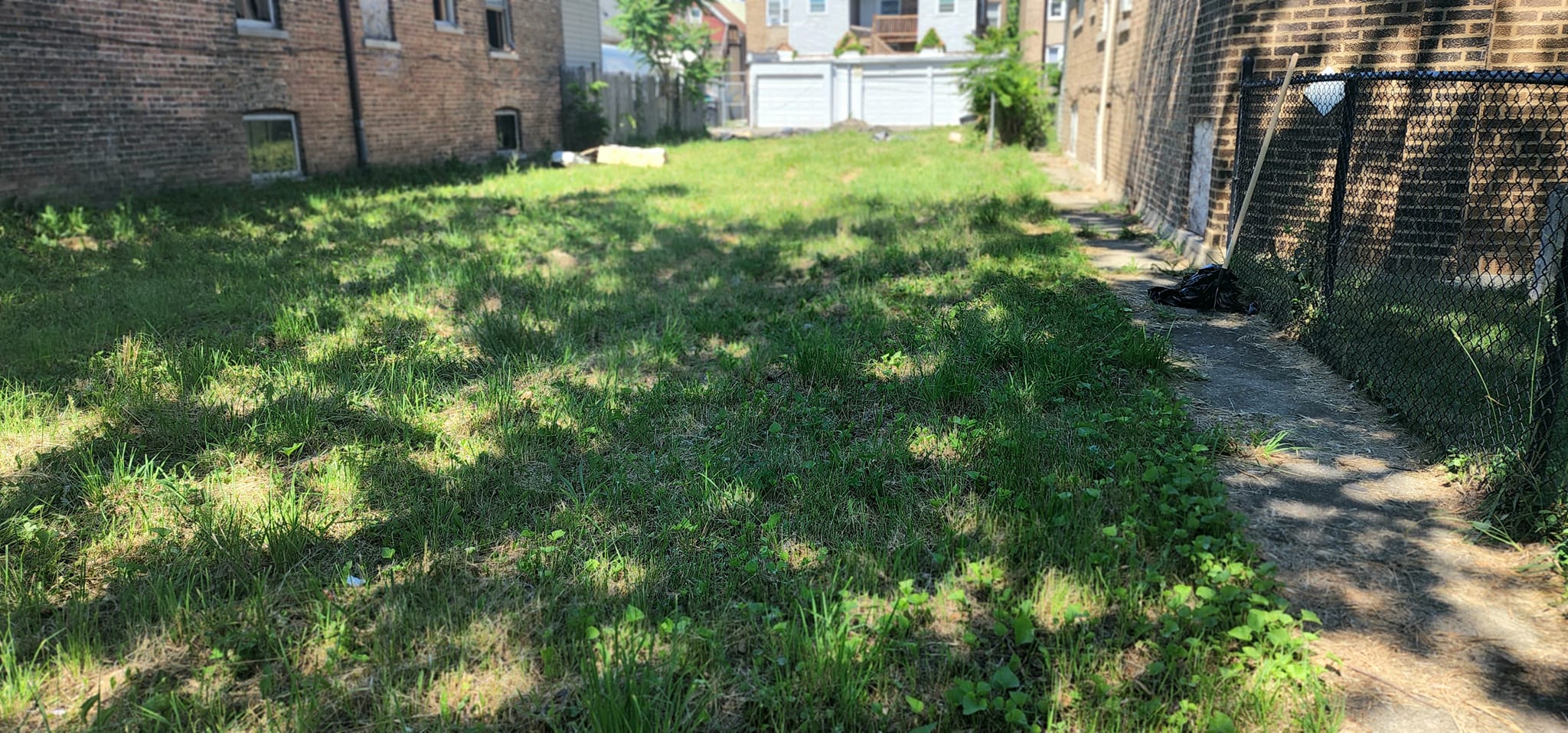
Chicago – Youth Advocate Programs’ (YAP), Inc. Chicago Washington Heights Violence Interruption team turned an empty lot that once had grass as high as 3 feet into a garden with vegetables for the community to enjoy.

The vacant lot used to be where a home was situated until it burned down, and the remnants were eventually bulldozed said Program Director Ken Lewis.

“Some young people were driving into the alley and using the lot as an access point to shoot at a home across the street,” Lewis said. “Nobody was taking care of the lot. It’s actually located on a nice block.”

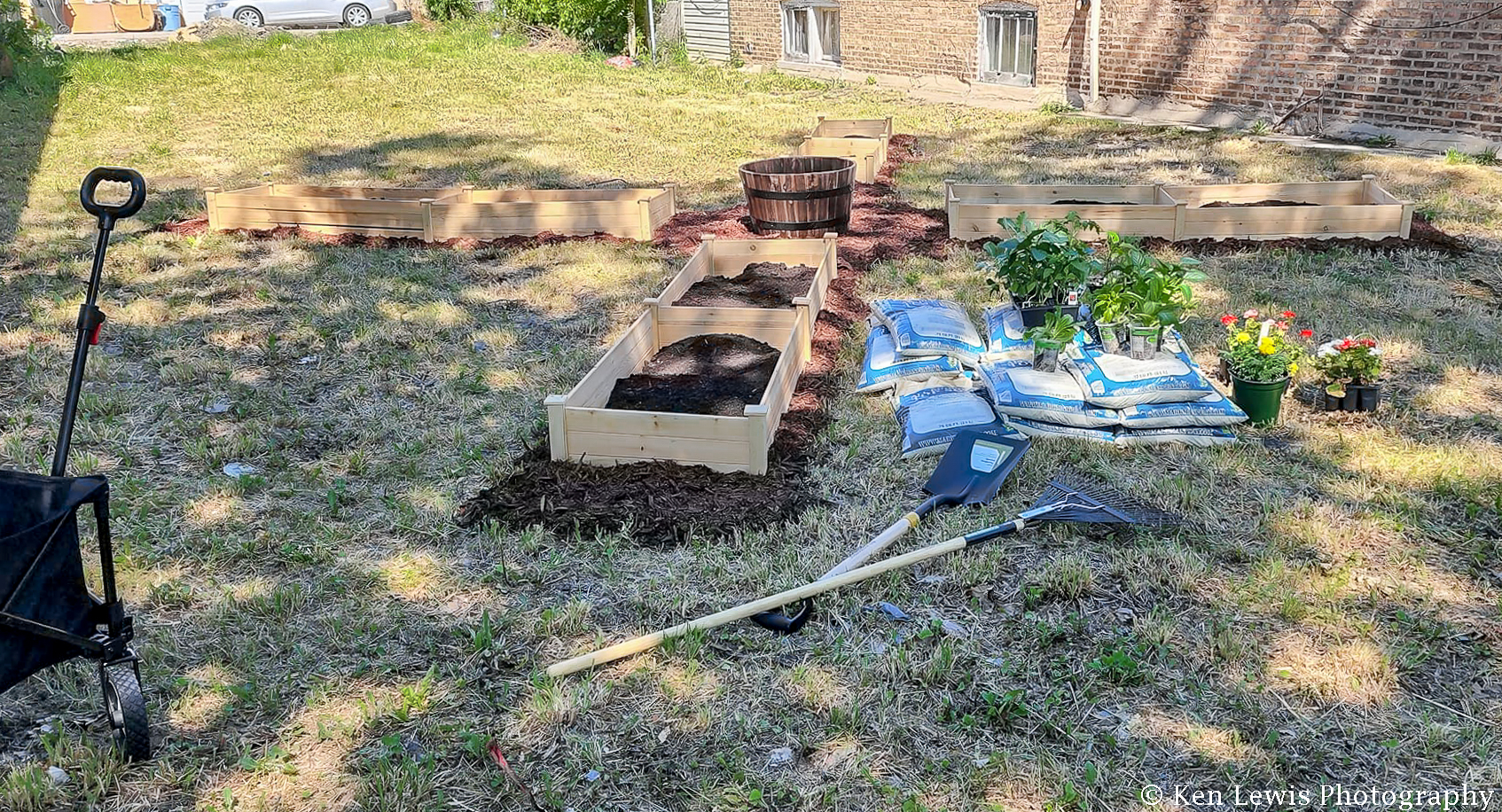
The vacant lot before the community garden was created.

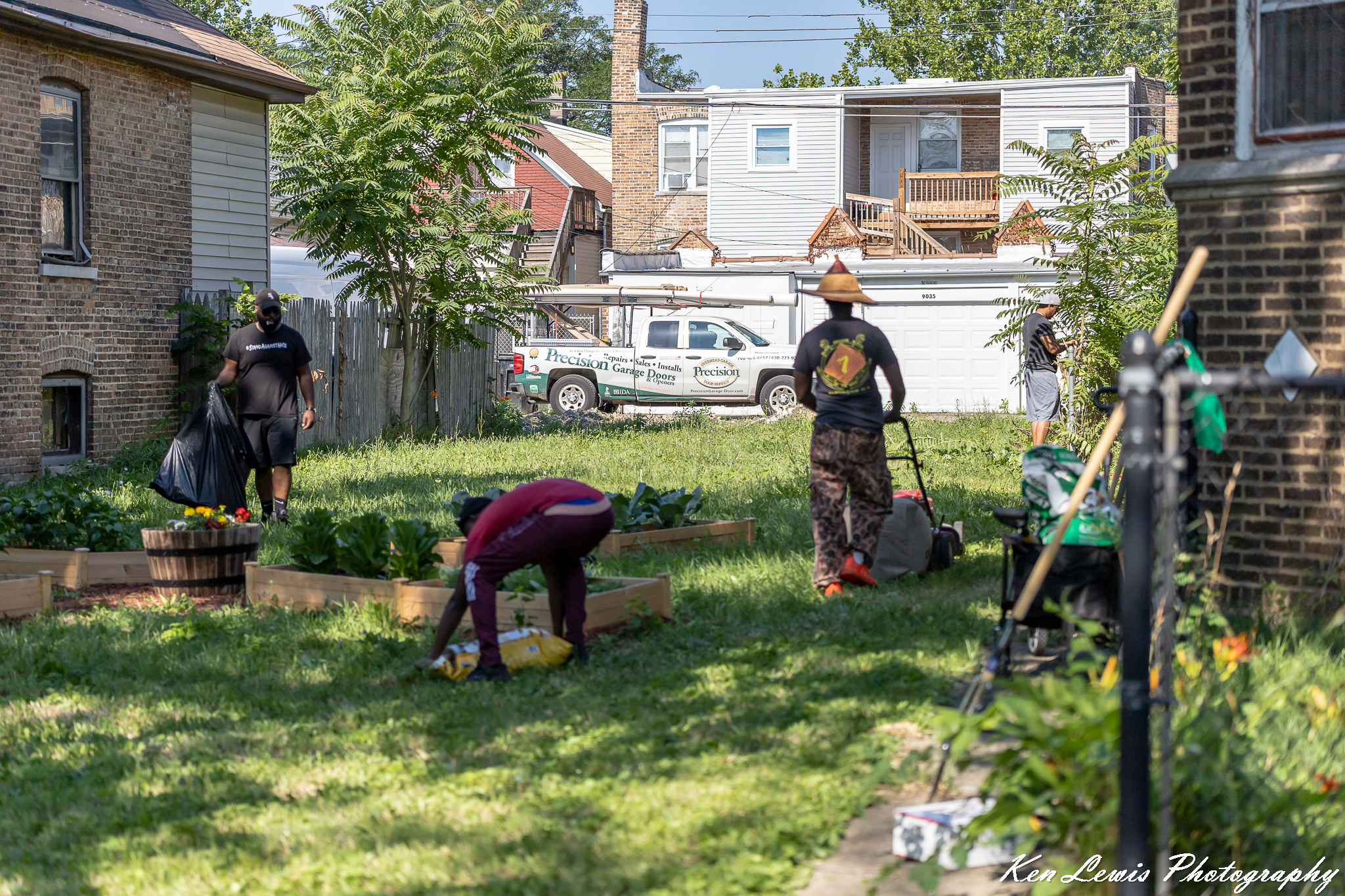
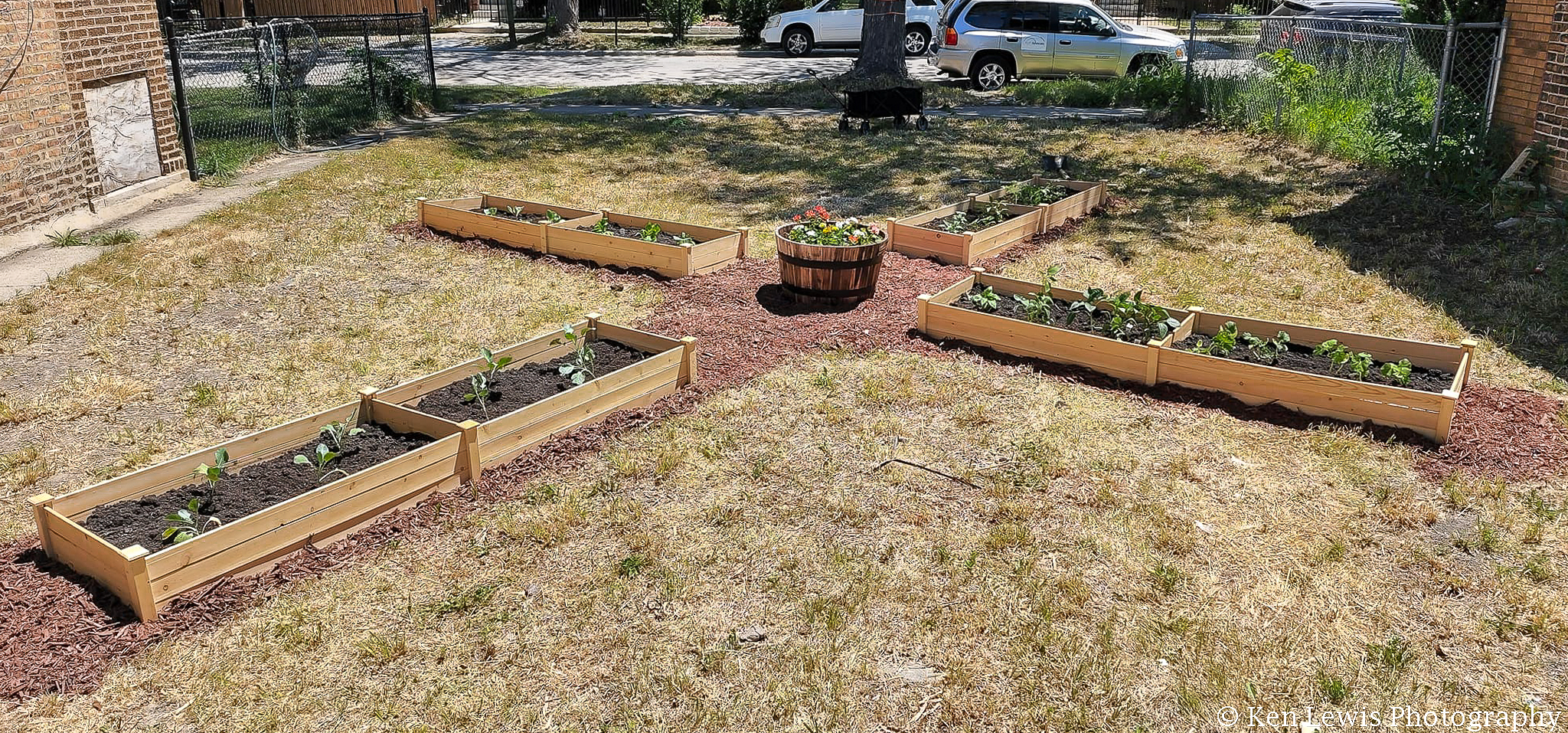
With the help of neighbors and through community outreach, Lewis and his team refurbished the lot. They planted flowers, collard greens, cabbage, romaine lettuce, cucumbers, tomatoes, and red and green bell peppers, along with jalapeno and habanero peppers.

“From start to finish, it took a little while to complete,” Lewis said. “But once we got the lot’s grass down to a manageable size, it took about a week to plant the garden. We finished on Juneteenth and worked the whole day.”

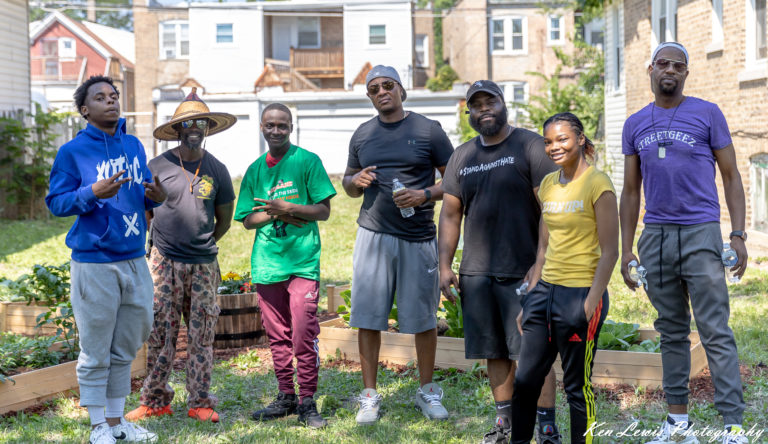
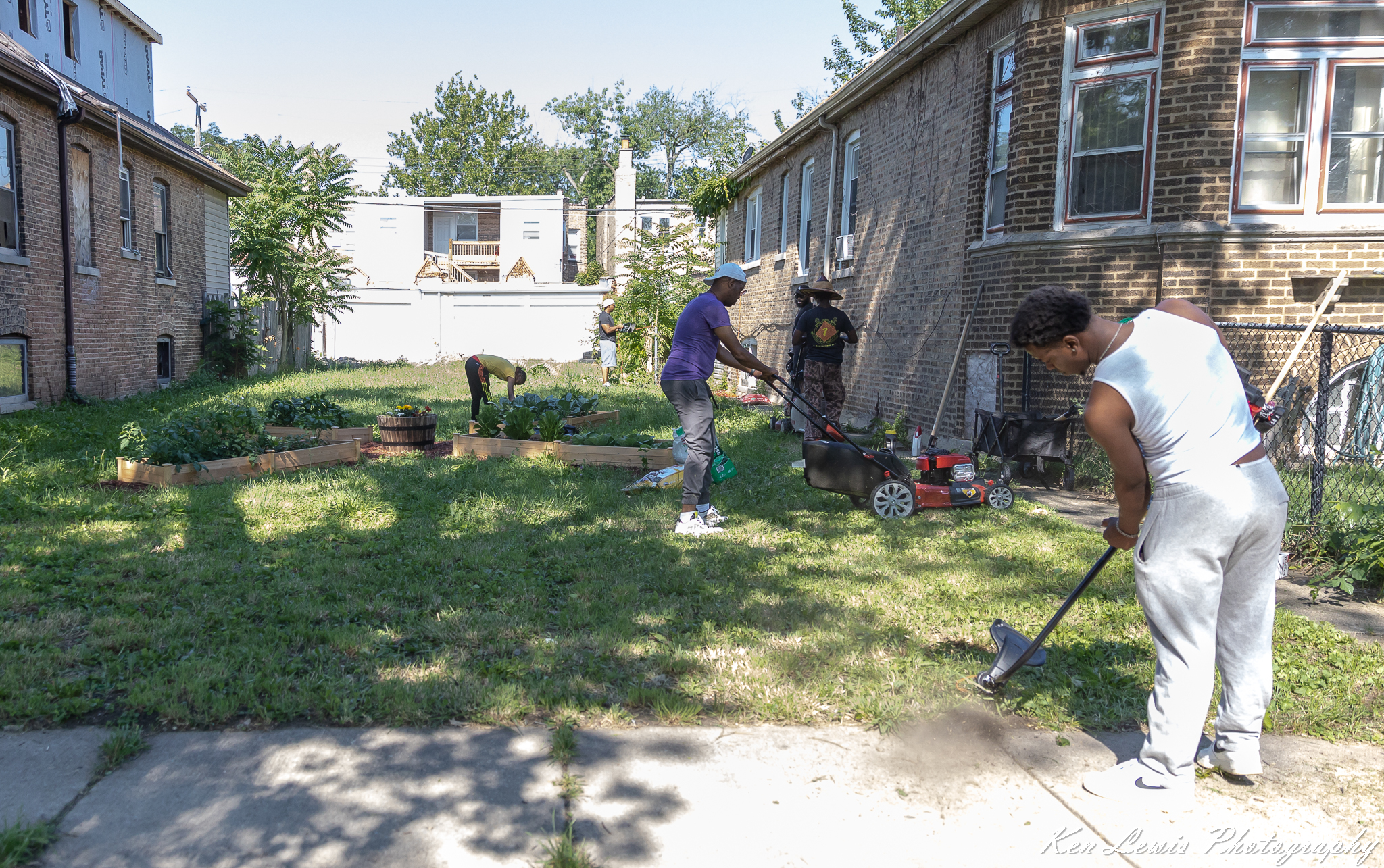
YAP Chicago’s Washington Heights Violence Interruption staff and program participants maintaining the community garden.

The Washington Heights Violence Interruption program is funded through a grant from the City of Chicago, which provides violence interruption services through street outreach. Street outreach includes crisis intervention, peace building activities, hospital outreach, family engagement, individual mentoring and conflict resolution by resolving disputes.

YAP, a national nonprofit in 33 states and the District of Columbia, partners with youth justice, child welfare, behavioral health, and other systems to provide community-based wraparound services as an alternative to youth incarceration, congregate placements, and neighborhood violence. The organization has been in the Chicago area for the last 15 years.

YAP Chicago’s Washington Heights Violence Interruption staff and program participants maintaining the community garden.

The violence interruption team will work alongside the community to maintain the garden and hopes to have help from young people employed through the One Summer Chicago Program, which helps youth between the ages of 14-24 find employment and internship opportunities through government institutions, community-based organizations, and other companies.

The community garden prior to it being finished.

Lewis said the garden will also be a safe place for families to host children’s birthday parties and events. In due time they’re hoping a fence and benches will be added.

“We are definitely going to help maintain the garden,” Lewis added. “We worked hard to help create that garden and we want to do the same thing in other places where we can make an impact. We want the community to take pride in where they live.”

YAP’s Chicago Washington Heights Violence Interruption created a community garden.

Learn more about YAP’s work at YAPinc.org and follow the organization on Twitter @YAPInc.
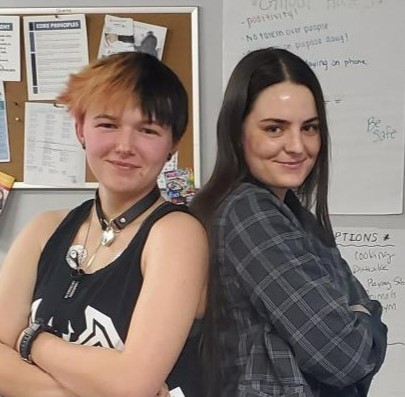
A Year Ago, Axl was in a Youth Facility; Now He’s a Voice for Systems Change

0

After spending five months at a Kentucky residential facility and just a few weeks before his release date, Axl was in trouble again, this time for breaking house rules. By age 16, the Lexington youth had been before a judge for altercations at home and in the community, and the final straw, he said, shoplifting “a couple of carts full” of items from Walmart.

Axl, now 18, spent 5 months at a Kentucky youth facility

Instead of getting more time at the youth facility, Axl said the state’s youth justice system referred him to Lexington, KY Youth Advocate Programs (YAP), Inc. for diversion services. YAP is a national nonprofit in more than 100 communities in 33 states and the District of Columbia that provides community-based services as an alternative to youth incarceration, congregate out-of-home placement and treatment, and neighborhood violence. Axl’s Advocate was Madison “Maddy” Rymer.

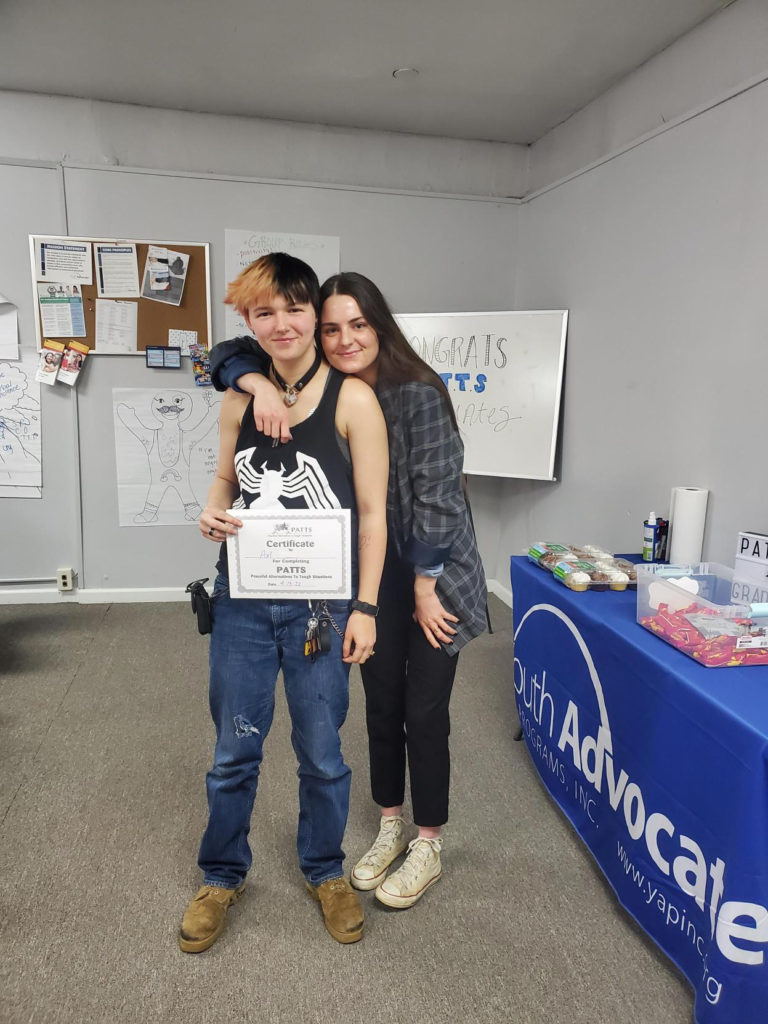
Axl with former YAP Advocate Maddy

“At first, I was like, ‘I have to talk to this person for six months!?’ I thought that was a long time. After meeting my Advocate, going to the groups, and understanding what the program’s for, I was happy to be there,” Axl said.

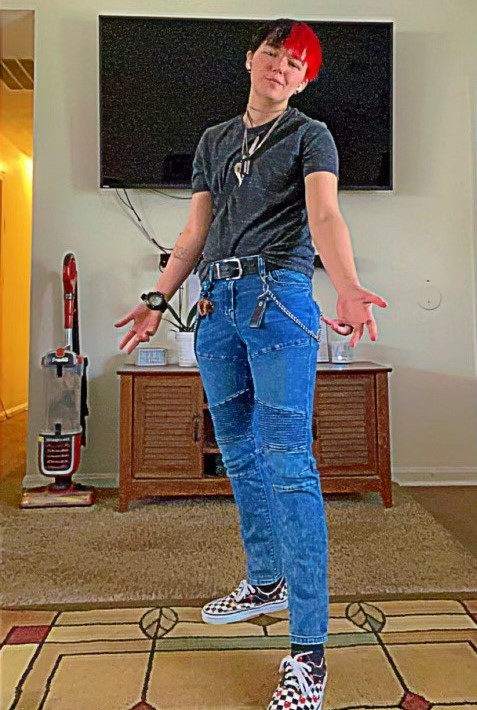
Axl benefitted from YAP’s services and wants the program to help others

Now 18, after successfully completing the rehabilitative services he received through YAP, Axl’s record is clean. He has a new outlook on life, new skills for having a good relationship with his family, partner and others, a new name and pronouns (selected since leaving the residential facility), and a new full-time job.

“I’m working at McLane’s (warehouse) making $16 an hour and time and a half for anything over 40 hours a week,” Axl said. I’m thinking about staying and moving up; and I also want to go to college. I just got accepted at Bluegrass Technical College.”

Axl also recently accepted an opportunity to become a YAP Voice Champion, where he will join other former YAP program participants to share his story with local and national youth organizations, prospective program funders, policy makers, and others working to make systems more effective and equitable for young people, especially children of color and LGBTQ youth.

Axl hopes to help bring systems change to help other systems-involved youth

Axl is excited about all the positive changes in his life and credits Rymer for helping him see and nurture his strengths.

Axl looks forward to a bright future

“Before Maddy, I believed residential was what I needed,” Axl said. “Maddy supported me through everything; no matter what. She was there when I needed her. She was interested in how I was feeling and was not judgmental.”

YAP Advocates receive training to help young people see and nurture their strengths. Working with Maddy, Axl saw that a personality trait, often viewed by himself and others as stubborn and negative, is one of his many positive attributes.”

“If I know something is right; I’ll argue my point. I stand up for other people, especially at my school, which is an alternative school.”

Axl is proud to give back as a YAP Voice Champion

Axl looks forward to serving as a YAP Voice Champion and sharing his story to make it possible for other young people to have an opportunity to receive community-based youth justice, behavioral health, and/or child welfare services as an alternative to residential placement.

Learn more about YAP at www.YAPInc.org and follow the organization on Twitter @YAPInc.


Focusing on Youths’ Strengths is What Guides Hamilton County’s Youth Advocate Programs

0

Cincinnati, Ohio – The staff at Hamilton County’s Youth Advocate Programs (YAP), Inc., look for strengths in the young people they serve and build upon them to help keep youth safely home and out of trouble.

To combat gun violence in the community, the program engages with youth by showing participants the effects of gun violence, bringing speakers in to share the consequences of violence, and by providing them with new experiences — taking them to places they may never have visited before.  

Ninety percent of program participants are in the program because of gun possession charges.

YAP Hamilton County, Ohio Program Director Nate Lett.

“There’s no magic elixir to this,” said Hamilton County Director Nate Lett. “The participants tell us that ‘everyone in the neighborhood has a gun and if I don’t have one, I am at a disadvantage.’ They’re dealing with a lot of peer pressure.”

YAP is a nonprofit in 33 states and the District of Columbia that partners with youth justice, child welfare, behavioral health, and other systems to provide transformative community-based wraparound services as an alternative to youth incarceration, congregate placements, and neighborhood violence. Neighborhood-based Advocates are paired with youth to provide them and their families with emotional, economic, and educational support. The goal is to help program participants turn their lives around while firming their family’s foundation.

“YAP is not a traditional social service agency,” Lett said. “We don’t use the same old, same old social service methods to help alleviate problems with violence and it’s really refreshing.”

Hamilton County (Ohio) Juvenile Court is one of six U.S. youth justice systems that received Safely Home program startup grants in late 2019 through YAP’s partnership with Georgetown University’s Center for Juvenile Justice Reform (CJJR). YAP and CJJR collaborated to create the unique grant to provide a year of funding to seed innovative community-based rehabilitative services for the highest-risk youth, many whose histories include serious offenses, multiple arrests, and lengthy out-of-home placements.

YAP believes young people should be accountable for their actions and connects them with individualized tools to see and manage the trauma associated with them. The nonprofit provides opportunities for young people to work, go to school and connect with victims’ groups through restorative justice initiatives. As part of its wraparound services model, YAP also asks program participants to commit to giving back to their communities.

Steve Best, a probation officer with Hamilton County Juvenile Court, said it’s great working with an agency such as YAP that recognizes life continues to happen with youth and their families outside the parameters of Monday through Friday, 8 a.m. to 5 p.m.

“Our Court’s involvement with YAP has provided the advocacy and support to ensure that court-involved youth reach their personal goals and court mandated obligations by eliminating barriers that might hinder their success,” Best said. “The capacity to provide supports for our youth and families in “real-time” has been invaluable.”

Lett said that’s why YAP takes an holistic approach in helping young people.

“If you’re not helping the family out too, in addition to the youth, then you’re putting them back into a difficult situation,” Lett added. “We must look at things from a family approach when we talk about helping youth.”

And understanding where youth come from is important, Lett says, because where some of them live, guns and violence is unfortunately normal.

Background  

Lett is originally from Cleveland but spent most of his adulthood in Cincinnati and made Hamilton County his home in 2000. He joined YAP almost three years ago and has worked in social services since 1987. He’s been a director, case manager working with formerly incarcerated individuals; worked for the county, for job readiness programs and has led a fatherhood initiative.

“Most of the programs out there are for adult offenders, but we need to work on reaching youths before they enter and get entrenched in the system,” Lett said. “I have a passion for this.”

Six months ago, Lett hired Assistant Program Director Al-Raheim Washington. Washington is originally from Newark, N.J. but moved to Dayton, Ohio as a child.

YAP Hamilton County, Ohio Assistant Director Al-Raheim Washington.

“I was homeless, I was a high school dropout, and I was in recovery,” Washington said. “I changed my life around. I am sober and 12 years clean.”

After obtaining his college degree, Washington wanted a job where he could help young people and YAP seemed like the perfect fit. Before joining YAP, Washington worked at an after school program, a charter school, for the YMCA and the Boys and Girls Club.

“What these young people are dealing with I have more than likely experienced myself,” Washington said. “I know what they need and what they want. If I was in their situation when I was younger, an organization like YAP is what I would have wanted in my life.”

Lett said he and Washington are on the same page as far as their vision for transforming the lives of young people and supporting Advocates who are so heavily involved in their lives.

Right now, they’re focused on staff recruitment and maximizing engagement with youths.

“For some youths, it’s their first time being exposed to different things,” Lett said. “We take them golfing, go kart riding and fishing…We want to let them know that there are other things aside from their four blocks or area.”

Lett and Washington said they are in need of 10 additional Advocates.

“You have to have patience when dealing with these youth,” Washington said. “You need empathy to understand and to help deal with them.”

To learn more about YAP, visit yapinc.org or follow YAP on Twitter @YAPInc.


Special Reception Introduces YAP Violence Prevention Employees to Congressional Staffers

0

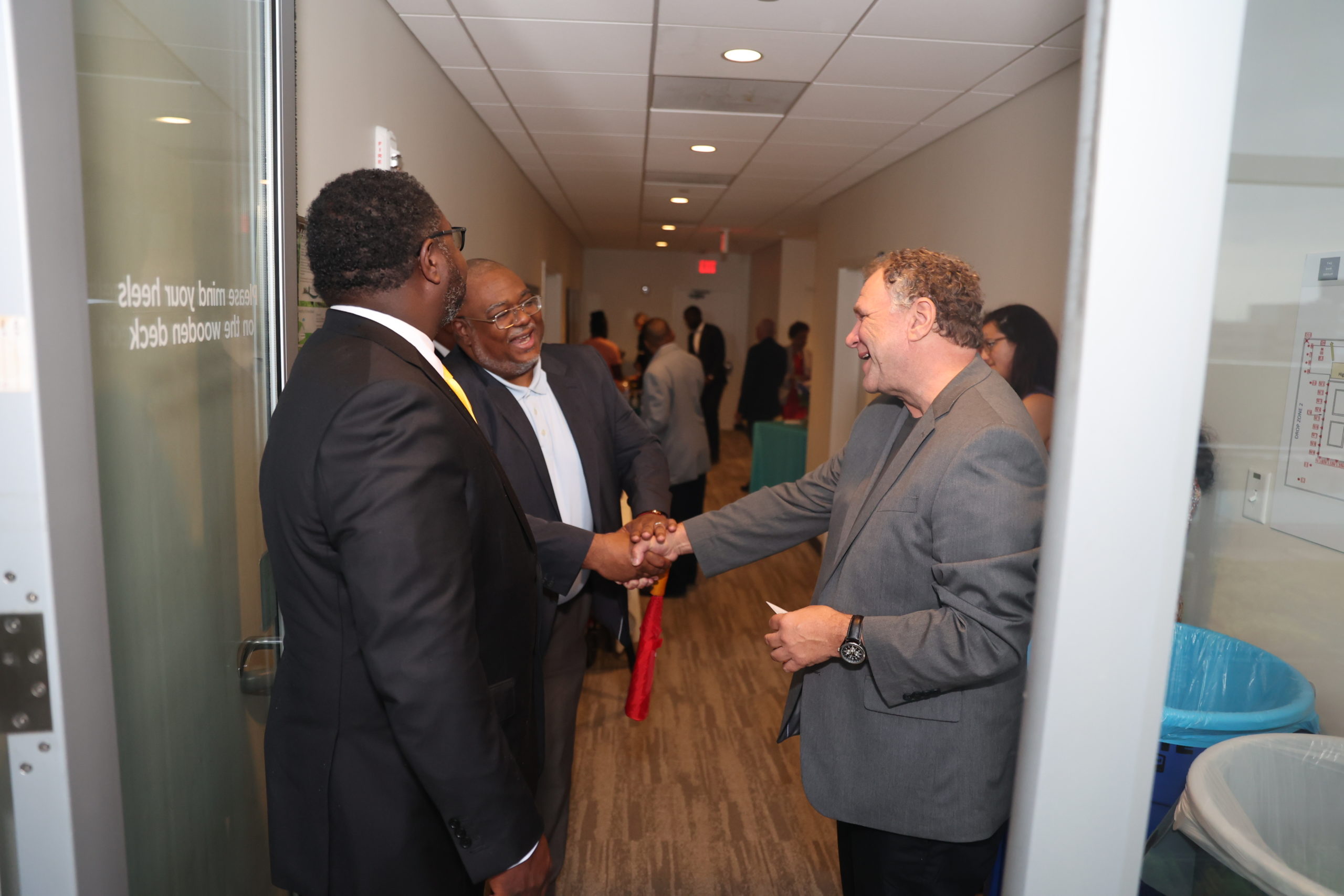
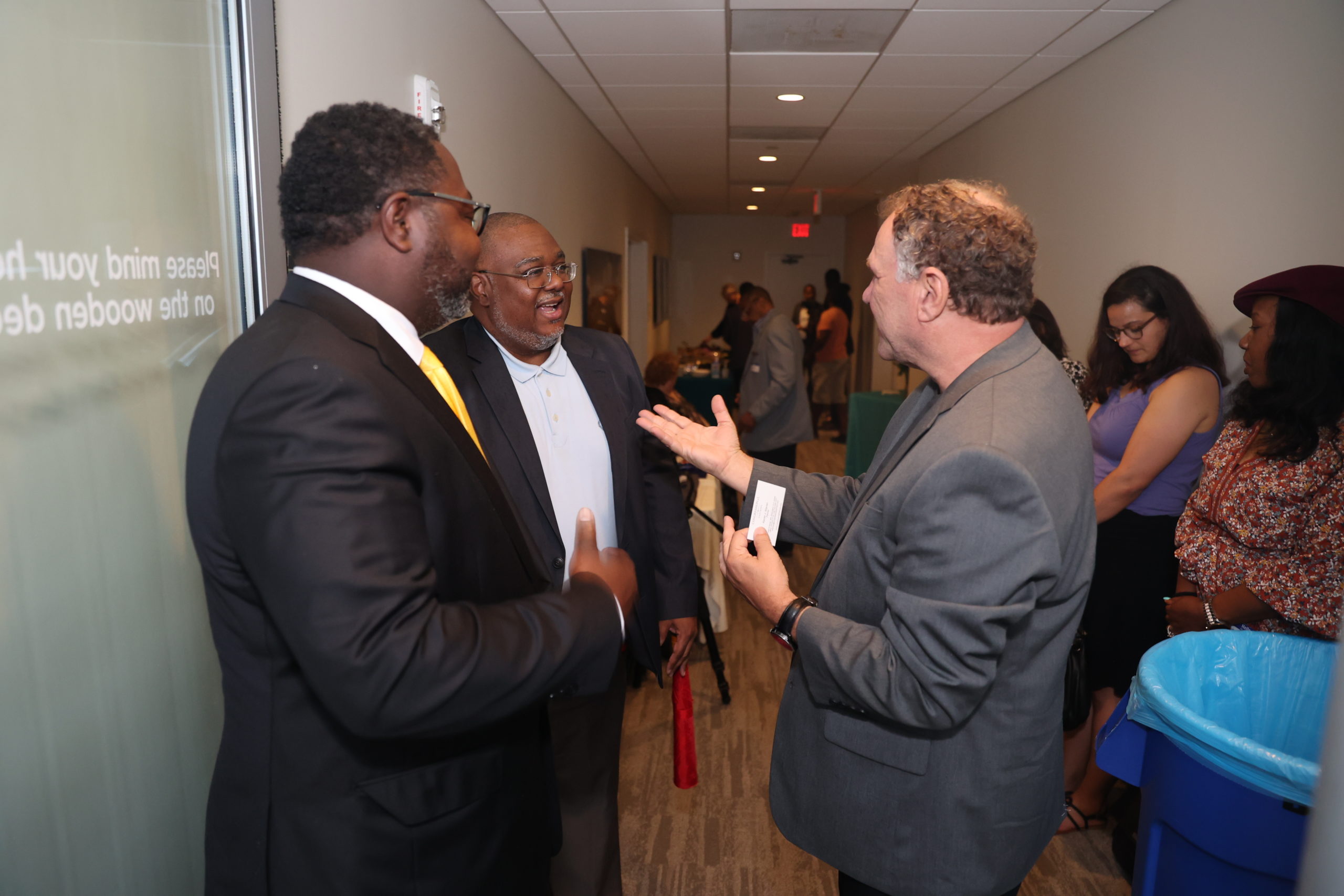
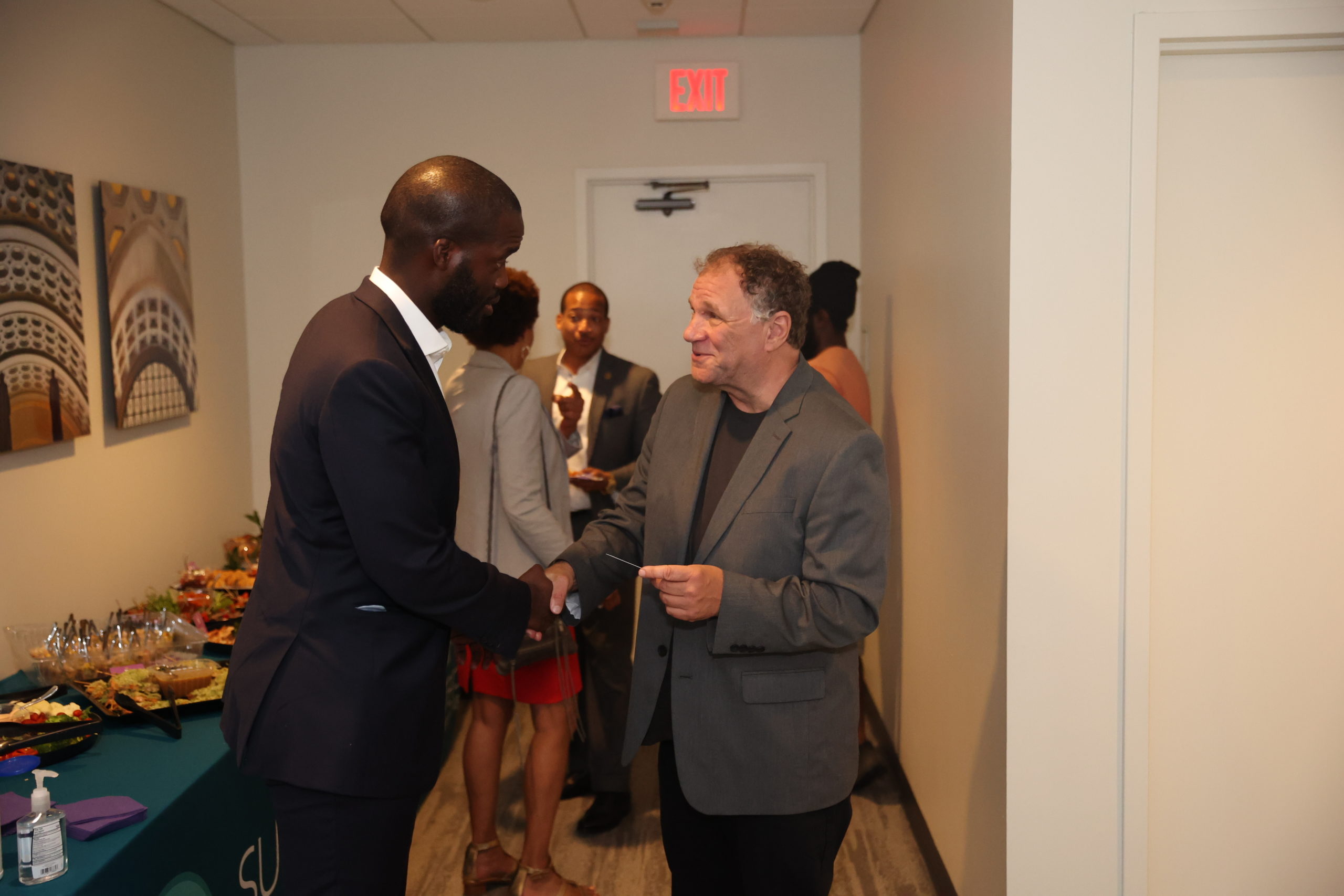
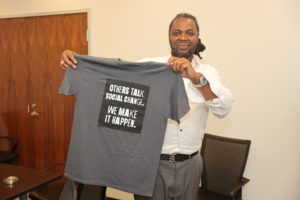
YAP Violence Prevention Credible Messengers Reception

Yap Event 2022 (124)
Yap Event 2022 (127)
Yap Event 2022 (130)
Yap Event 2022 (131)
Yap Event 2022 (120)
Yap Event 2022 (117)
Yap Event 2022 (87)
Yap Event 2022 (86)
Yap Event 2022 (84)
Yap Event 2022 (113)
Yap Event 2022 (62)
Yap Event 2022 (61)
Yap Event 2022 (60)
Yap Event 2022 (57)
Yap Event 2022 (56)
Yap Event 2022 (44)
Yap Event 2022 (54)
Yap Event 2022 (43)
Yap Event 2022 (42)
Yap Event 2022 (40)
Yap Event 2022 (1)
Yap Event 2022 (40)
Yap Event 2022 (39)
Yap Event 2022 (36)
Yap Event 2022 (35)
Yap Event 2022 (34)
Yap Event 2022 (28)
Yap Event 2022 (13)
Yap Event 2022 (23)
Yap Event 2022 (27)
Yap Event 2022 (124) Yap Event 2022 (127) Yap Event 2022 (130) Yap Event 2022 (131) Yap Event 2022 (120) Yap Event 2022 (117) Yap Event 2022 (87) Yap Event 2022 (86) Yap Event 2022 (84) Yap Event 2022 (113) Yap Event 2022 (62) Yap Event 2022 (61) Yap Event 2022 (60) Yap Event 2022 (57) Yap Event 2022 (56) Yap Event 2022 (44) Yap Event 2022 (54) Yap Event 2022 (43) Yap Event 2022 (42) Yap Event 2022 (40) Yap Event 2022 (1) Yap Event 2022 (40) Yap Event 2022 (39) Yap Event 2022 (36) Yap Event 2022 (35) Yap Event 2022 (34) Yap Event 2022 (28) Yap Event 2022 (13) Yap Event 2022 (23) Yap Event 2022 (27)

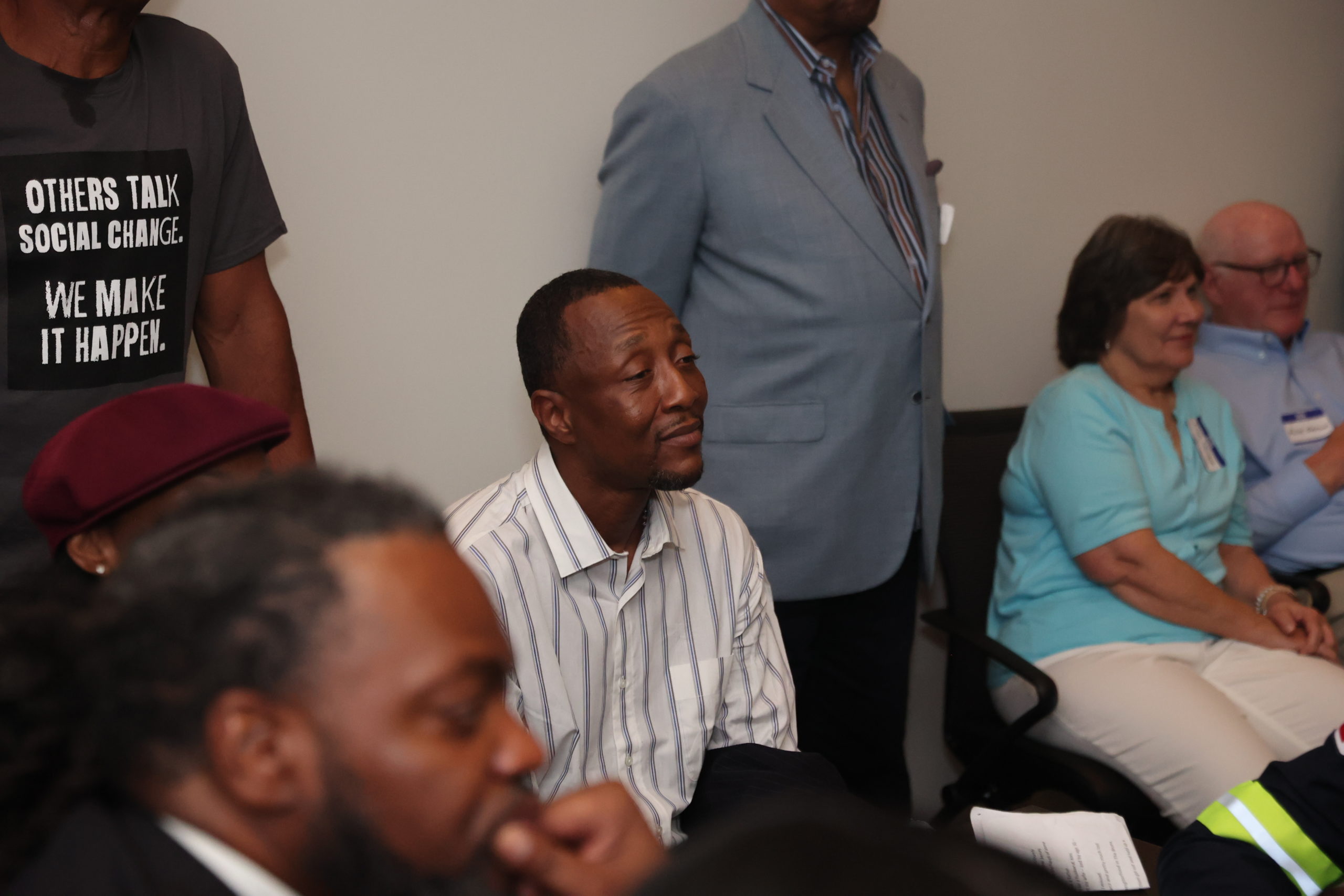
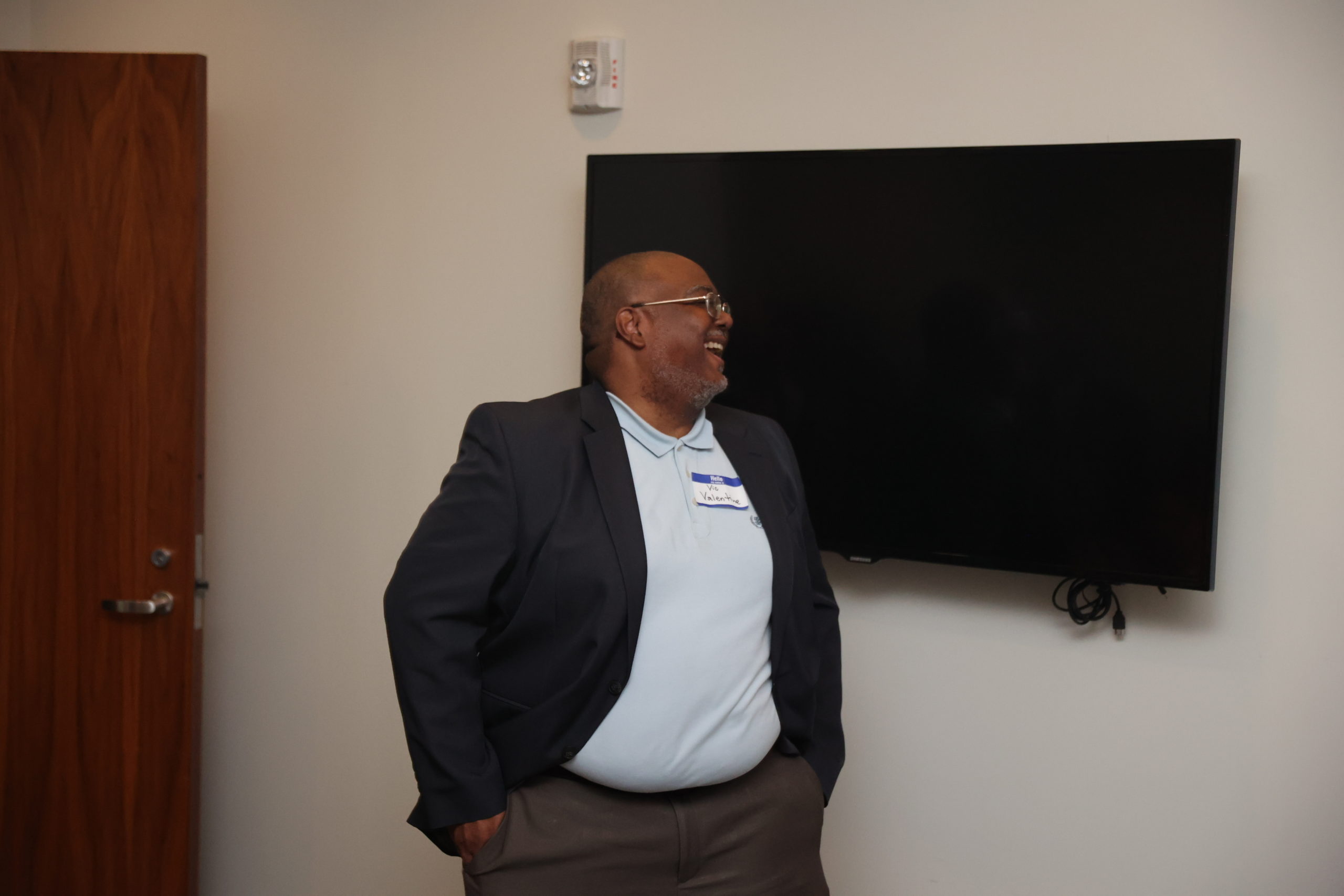
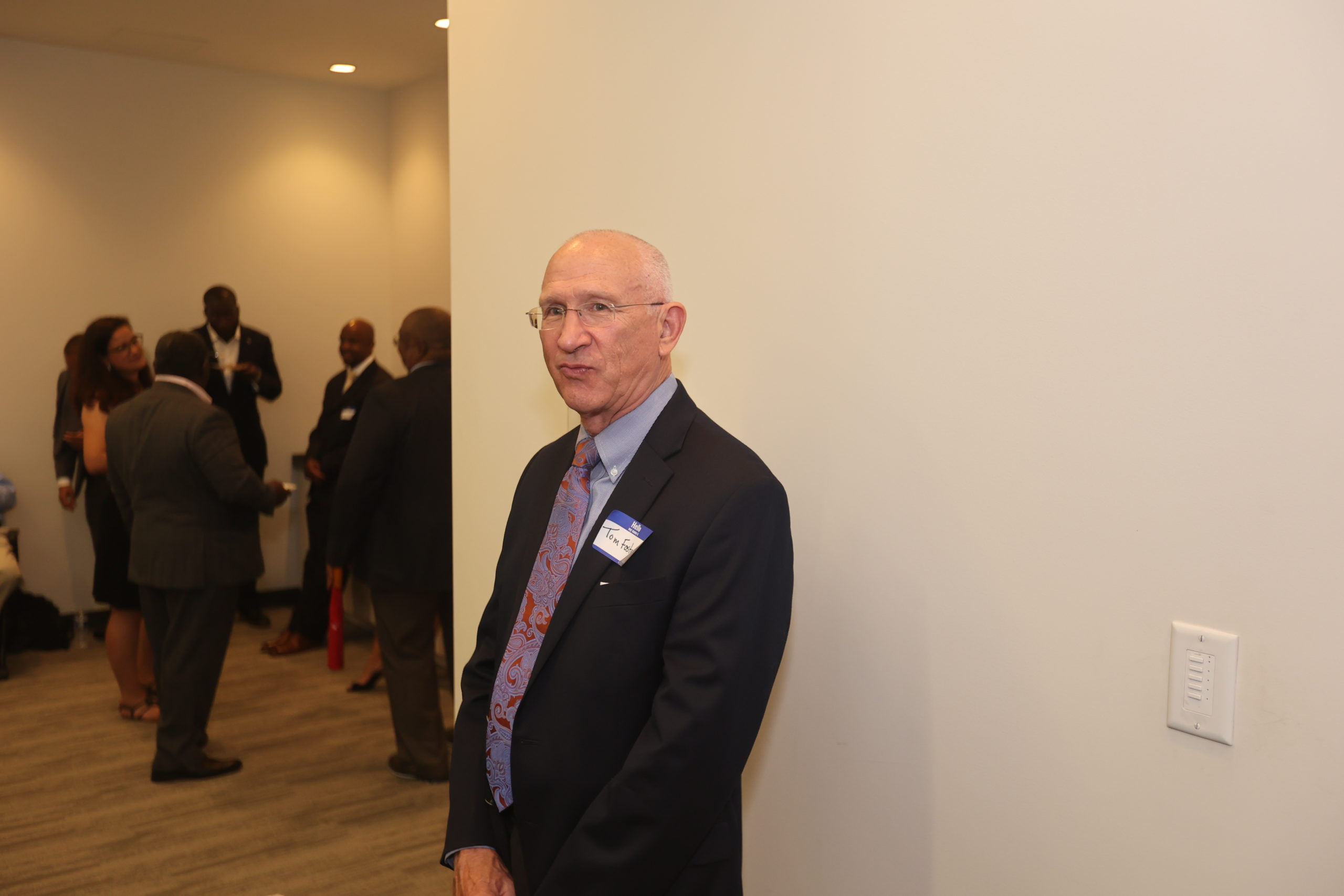
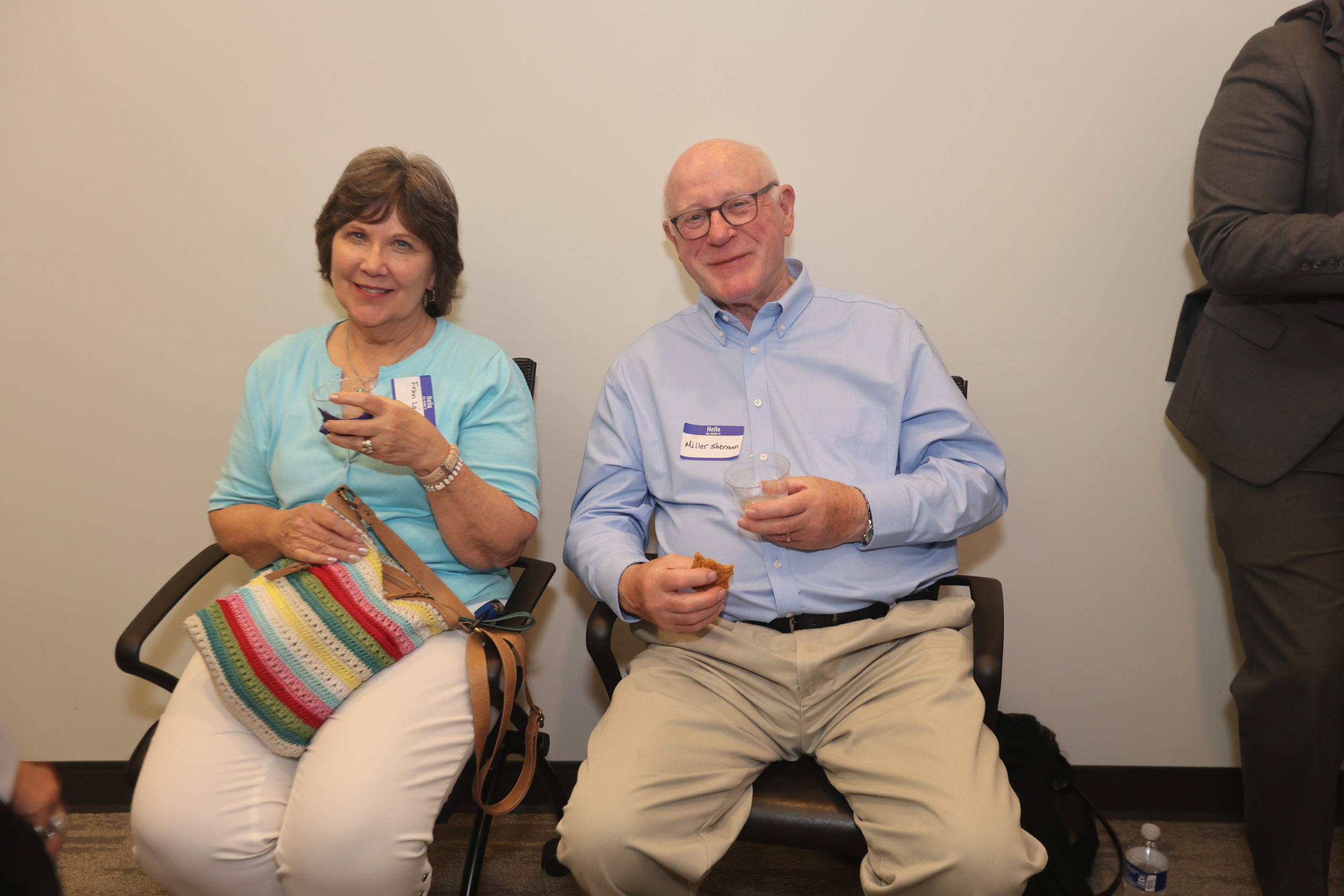
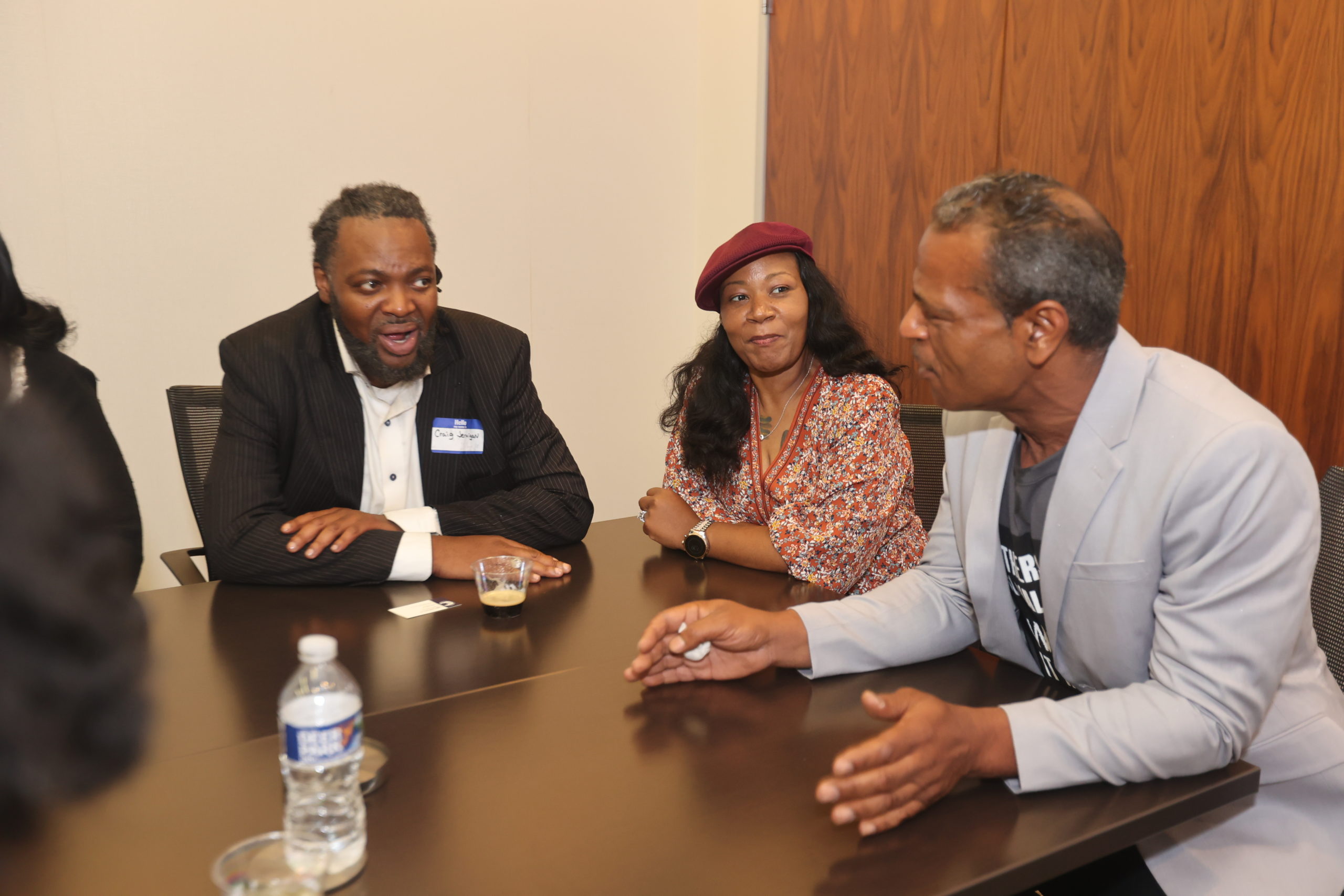
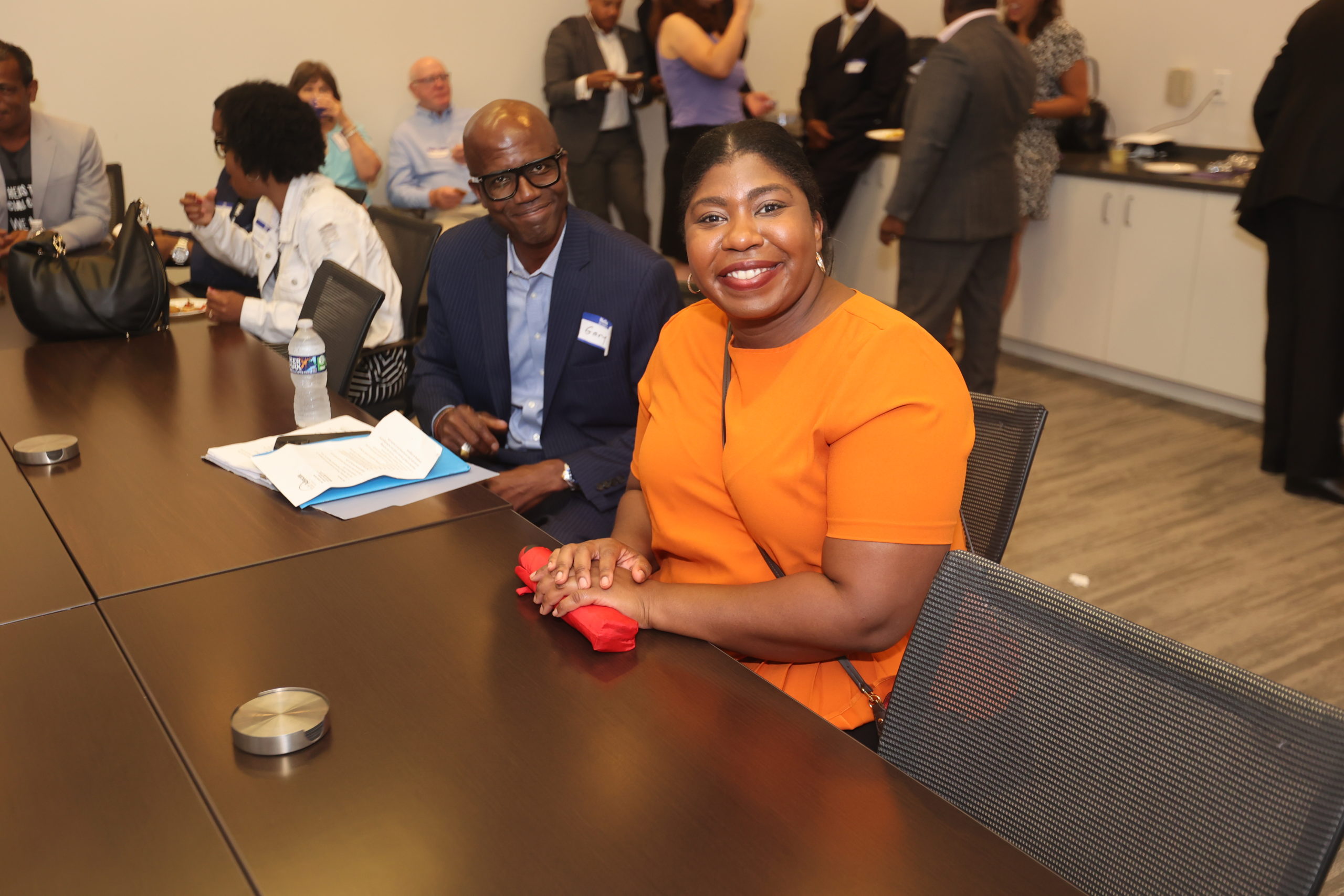
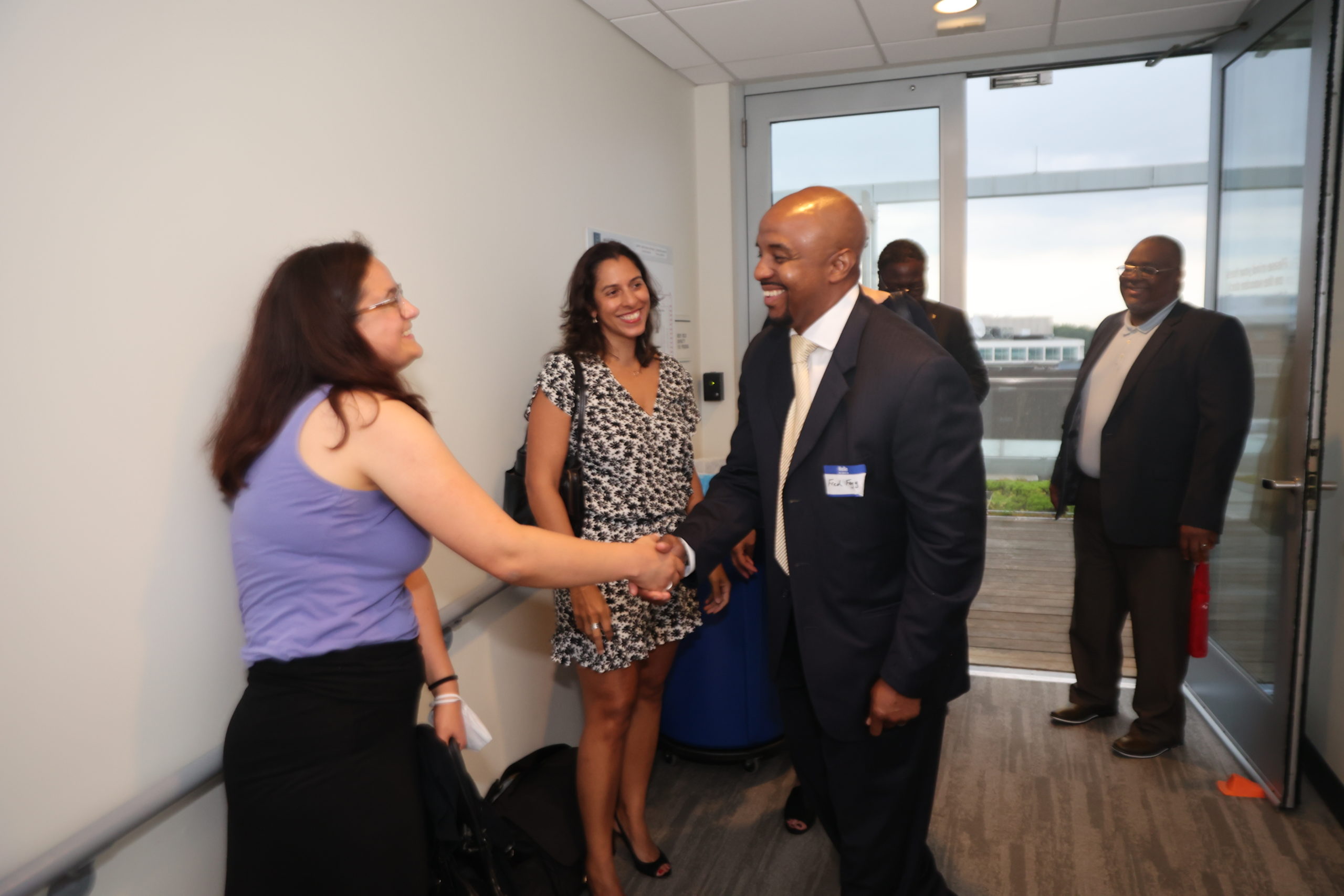
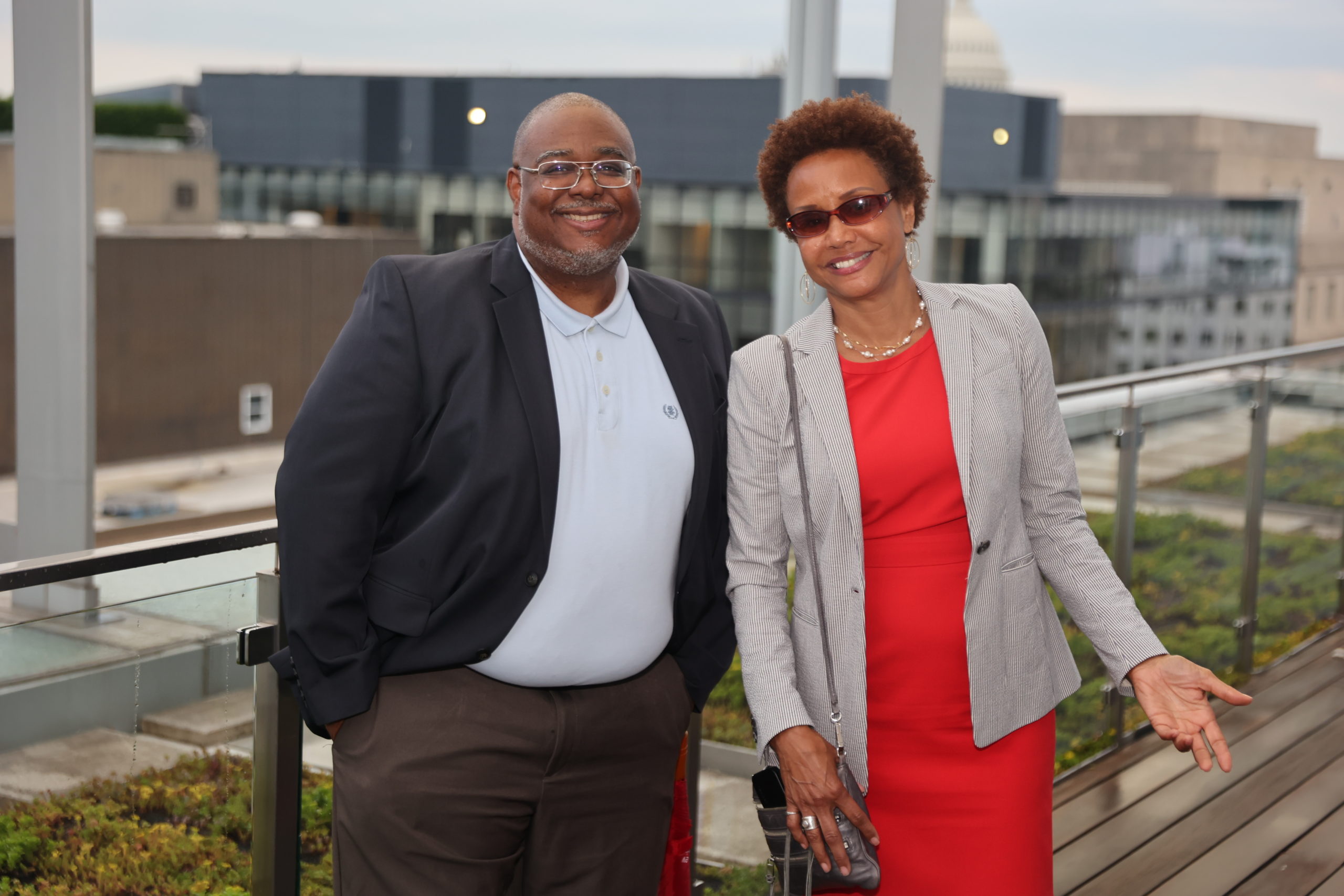
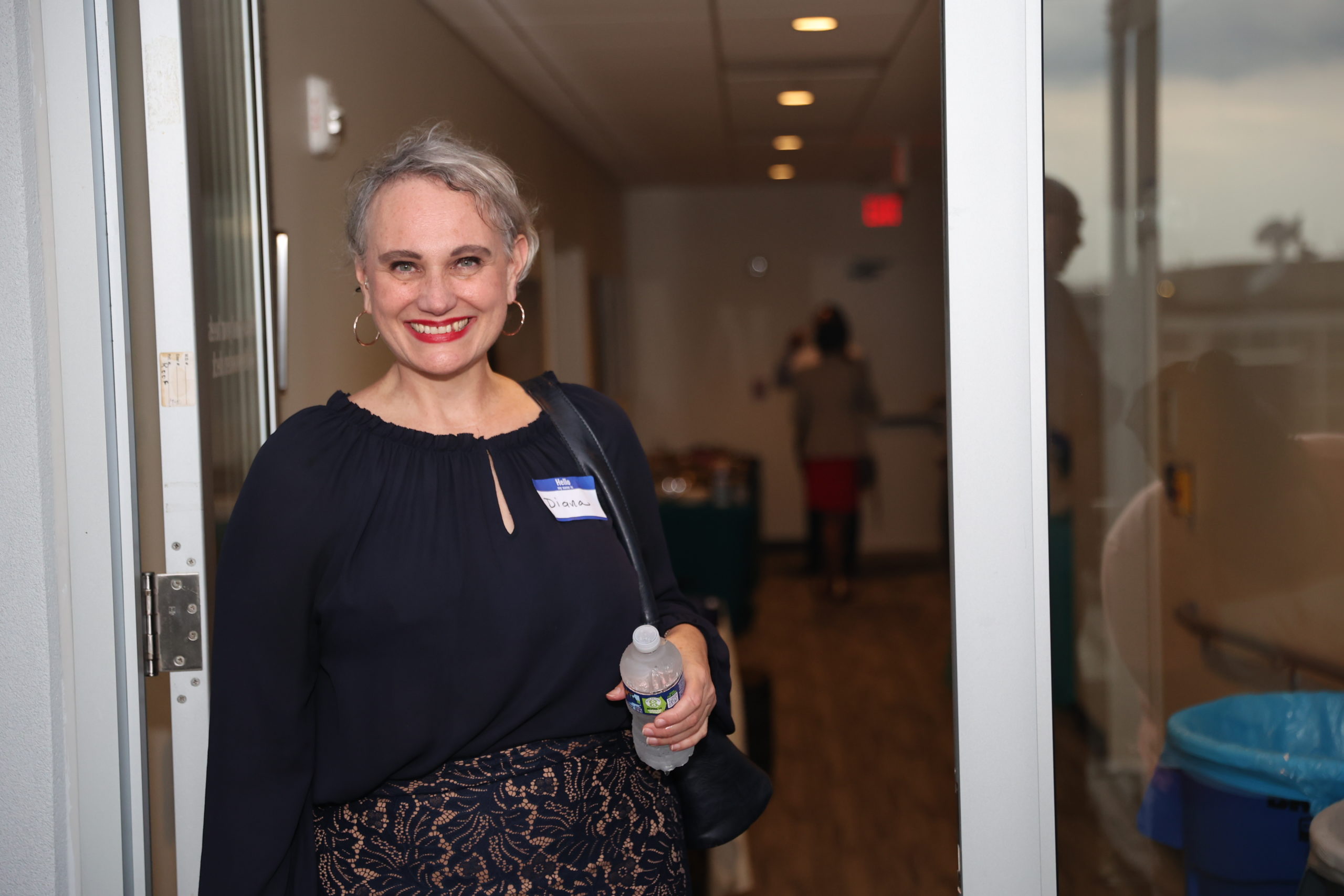
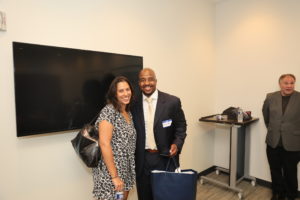
Washington, D.C. — The Board of Directors of Youth Advocate Programs (YAP), Inc. hosted a reception to inform Congressional members and staffers about the nonprofit’s Violence Prevention programs. The event took place in Washington, D.C. where YAP board members met in June for their quarterly meeting.

In its 47th year, YAP is a national nonprofit in 33 states and the District of Columbia that partners with youth justice, child welfare, behavioral health and other systems to provide community-based wraparound services as an alternative to youth incarceration and congregate residential placement. In the past five years, the nonprofit has also combined its model with other evidence-based approaches in partnership with communities seeking to reduce neighborhood violence.

Learn more about YAP’s work at YAPinc.org and follow the organization on Twitter @YAPInc.


Youth Advocate Programs (YAP), Inc. Credible Messengers Share Violence Prevention Successes with Nonprofit’s Board of Directors

0

Washington D.C. – Members of the Youth Advocate Programs (YAP), Inc. Board of Directors meeting in Washington, D.C. this month received a briefing from area employees of the nonprofit who are engaged in high profile violence prevention work.

YAP is a national nonprofit in 33 states and Washington, D.C. better known for its partnerships with youth justice, child welfare, behavioral health, and other systems to provide community-based alternatives to youth incarceration and congregate residential placements. In the past five years, YAP has also implemented public safety initiatives in partnership with local governments to help curb neighborhood violence. As part of a gathering to recognize outgoing members, YAP’s Board invited employees engaged in violence prevention work to share their experiences.

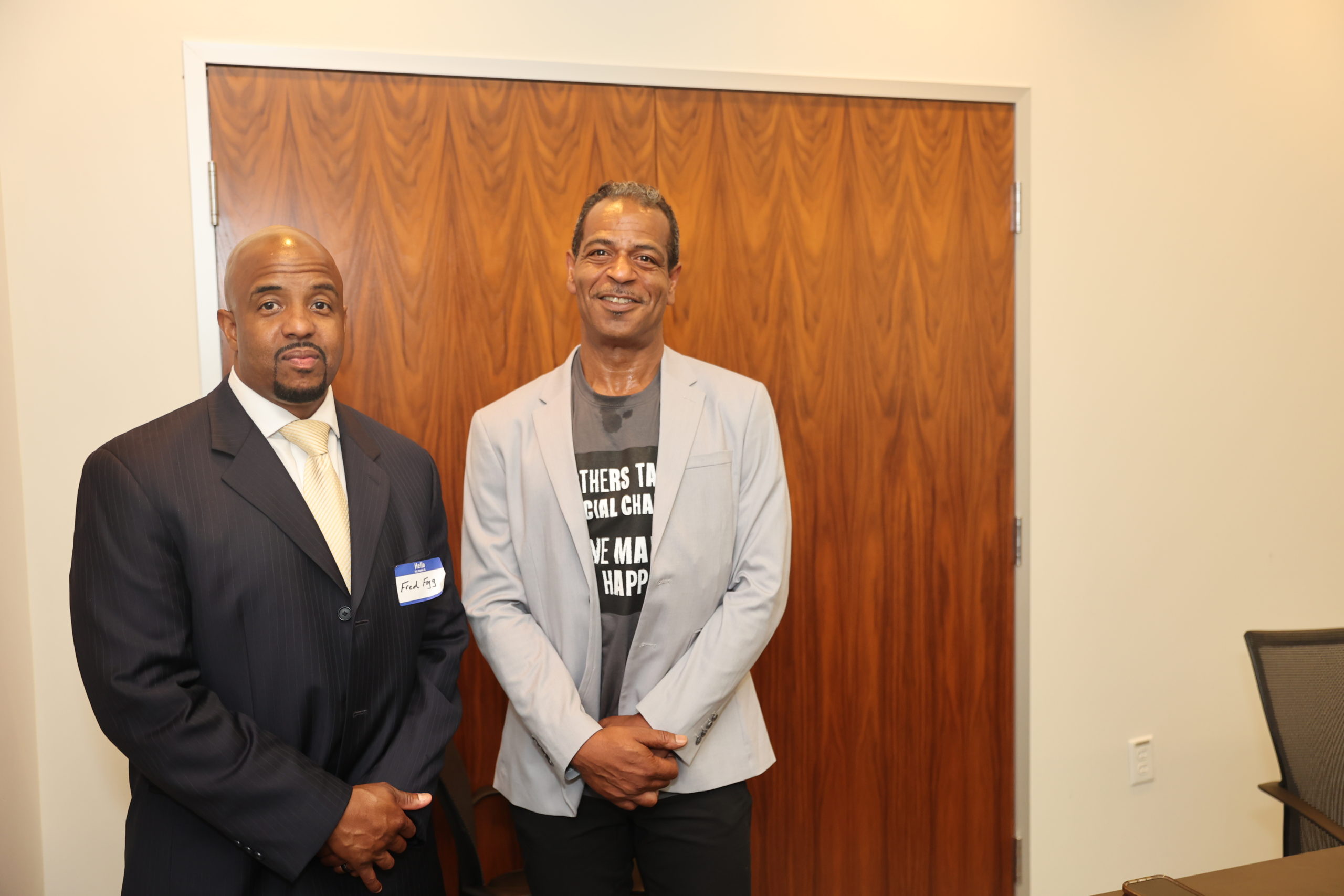
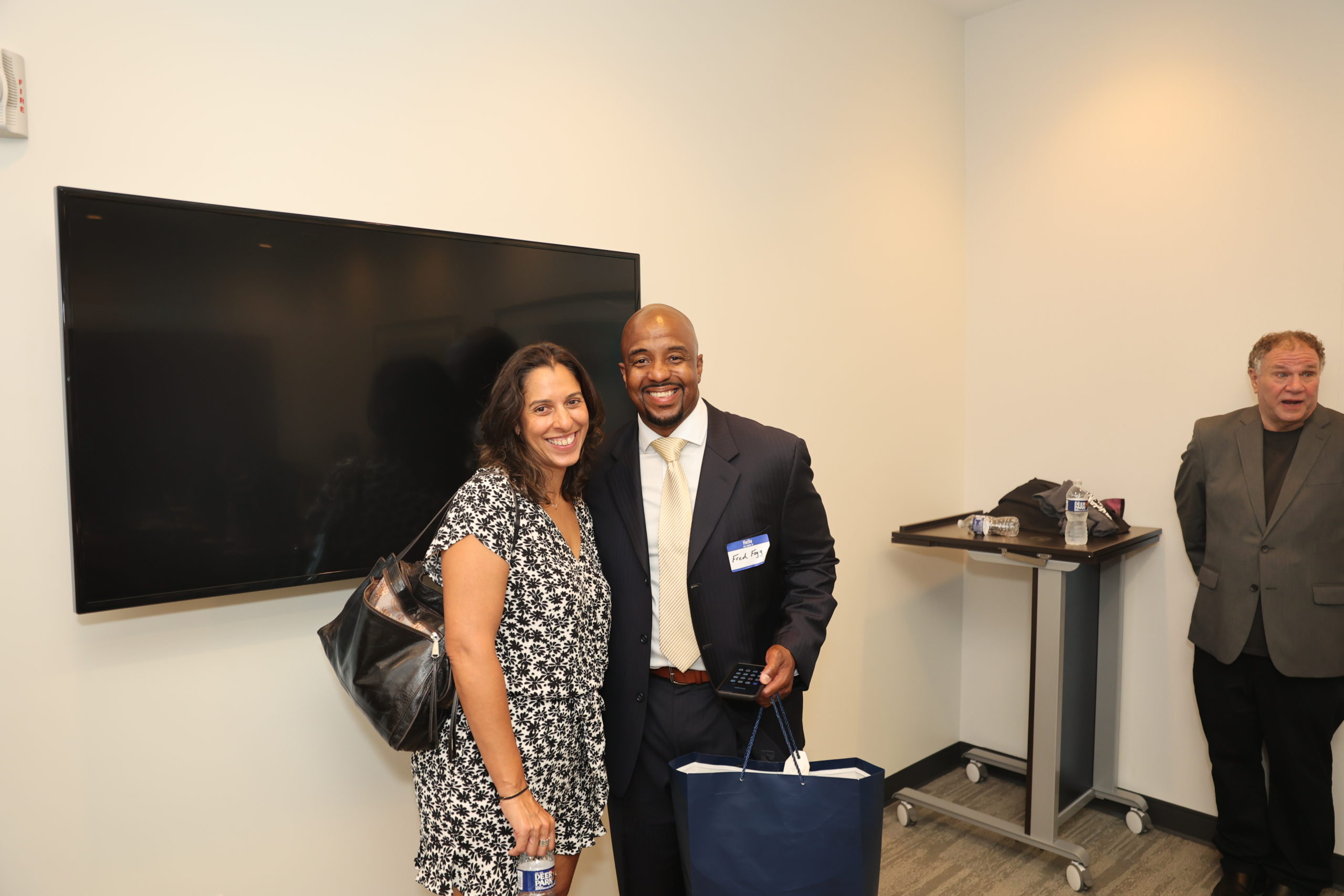
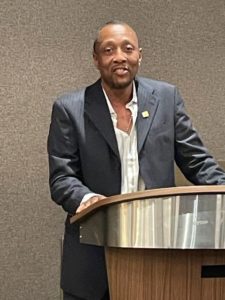
YAP National Violence Prevention Program Director Fred Fogg.

YAP National Violence Prevention Director Fred Fogg provided an overview of YAP’s credible messenger

YAP Maryland/D.C. Regional Director Craig Jernigan.

programs. Maryland-D.C. Regional Director Craig Jernigan introduced members of four YAP Baltimore and Washington, D.C. Violence Prevention programs along with a couple of program participants. YAP’s teams are led by credible messengers, many of whom, like YAP Violence Prevention program participants, have served time in prison.

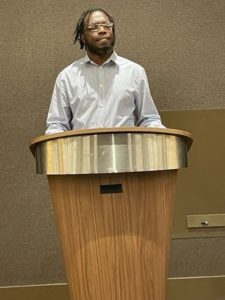
YAP Program Coordinator Charles Bentil.

YAP Program Coordinator Charles Bentil spoke about joining YAP about three years ago after learning of the nonprofit’s core youth justice, child welfare, behavioral health, and other systems partnerships to provide alternatives to incarceration and congregate residential placements.

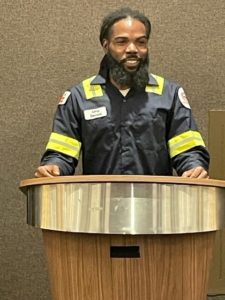
Anthony, a YAP DC Violence Prevention Program participant shared his story with members of YAP’s board.

He introduced Anthony, whom he began working with about two years ago when he was about to leave prison to re-enter the community. Anthony shared how Bentil’s support has strengthened his family relationships and helped him find employment and connections to resources as he pursues a music career, and re-entry services. Larry, another YAP program participant praised the organization for connecting him to his job, “which is now full-time and comes with benefits,” he said.
Former program participant Larry credited YAP for helping him secure employment and other tools to put his life on a positive path

Eyone Williams, who began working as a YAP violence interrupter with one of the nonprofit’s Washington, D.C. programs spoke of how rewarding it is to give back after being incarcerated at 16 years-old in federal (adult) prison for 18 years.  YAP Baltimore Advocate Tim Rich, also founder of the R.I.C.H. program, spoke of the fulfillment of helping young people turn their lives around. As a YAP Advocate, Rich connects young people to tools to help them see their strengths while ensuring that their families have resources to firm their foundation.

Irene Conway, who works with one of YAP’s Baltimore Violence Prevention programs, spoke of her former life and shared a moving story about a program participant who after a violent incident was left severely injured. This story is withholding details to protect the program participant’s privacy.

She connected the individual with medical and basic needs resources and is working to connect the family with other tools to set them on a positive path without retaliation.

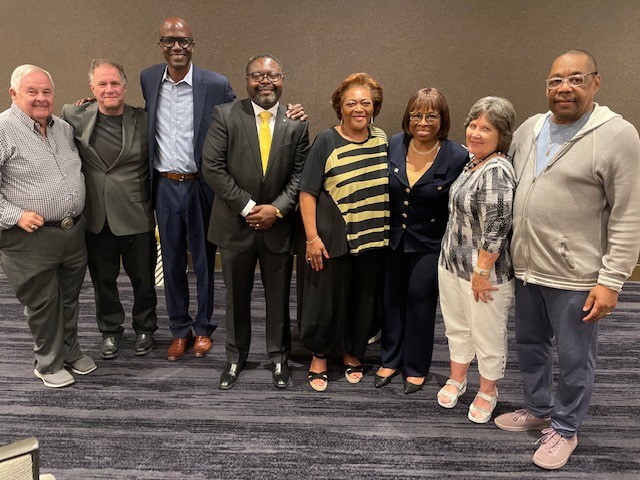
YAP Board Member Jay Snyder, YAP CEO Jeff Fleischer, YAP President Gary Ivory, YAP Board Chair Ga. State Rep. Teddy Reese, & outgoing Members Lynette M. Brown-Sow, Vivian Sanks-King, Fran Lanigan and Randolph Stone.

As part of the event, the board recognized outgoing members Lynette M. Brown-Sow, Vivian Sanks-King, Fran Lanigan and Randolph Stone for their years of service.

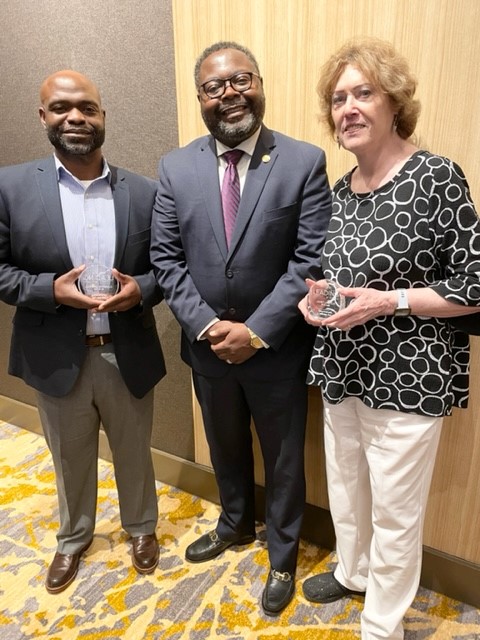
YAP Board Chair Teddy Reese presented Leading by Example awards to Board Members Clarence Campbell and Janet Lincoln

During their time together in Washington, D.C., Board Chair Teddy Reese presented  members Janet Lincoln and Clarence Campbell with Leading by Example awards.

Learn more about YAP’s work at YAPinc.org and follow the organization on Twitter @YAPInc.