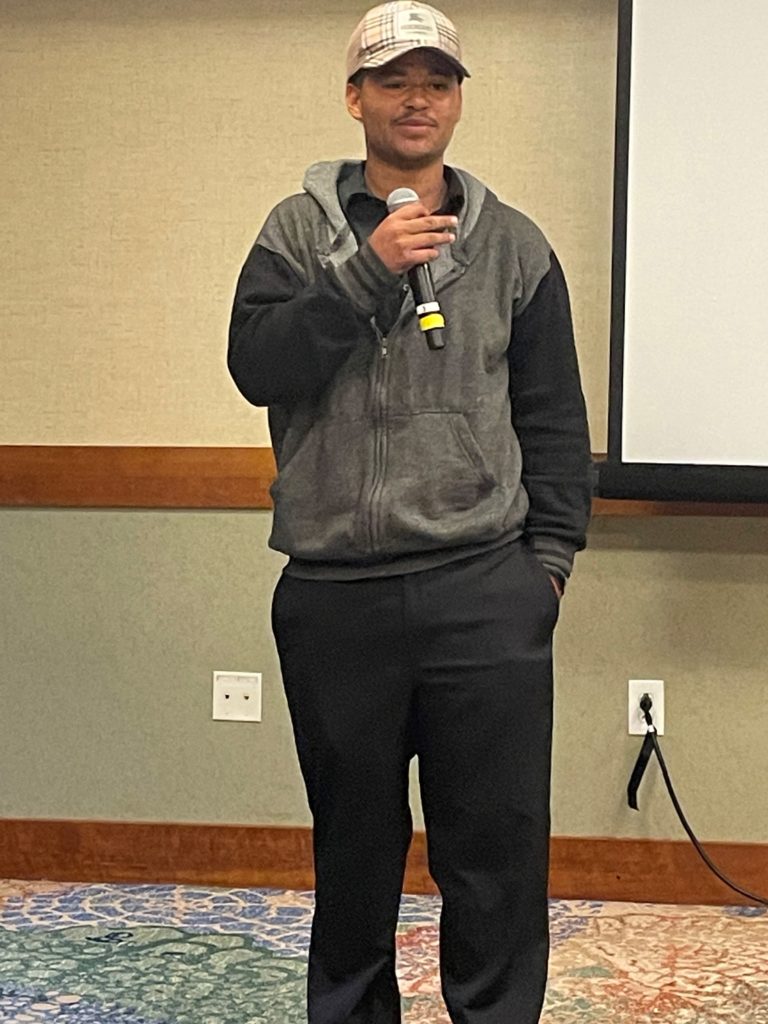
Quay, 18, a former Pinellas-Pasco, Fla. Youth Advocate Programs (YAP), Inc. participant, thanks the nonprofit for empowering him with life-changing tools. He shared his story at a recent dinner with YAP national Board of Directors members. At age two, when his sister went to school with burns from touching an iron on the stove, he was separated from his mother. He lived with his grandmother and briefly with his dad before his father was re-incarcerated. Quay was back with his grandmother for a short time and then went to live with an aunt. At age 13, he made a decision that landed him on probation.
YAP Recognizes Bradford/Sullivan County Businesses for Giving Young People with Disabilities Lifechanging Employment Opportunities
Towanda, Penn. – Gaining employment experience is essential for young people and particularly invaluable to individuals who have disabilities.
Youth Advocate Programs (YAP), Inc. Bradford County connects high school students and adults who have disabilities or face other employment barriers to on-the-job training opportunities. The program — a partnership with the Pennsylvania Office of Vocational Rehabilitation (OVR) – would not be possible without the support of Bradford and Sullivan County businesses.
“I am retired but returned to the workforce because I believe in YAP’s mission of helping youth and their families. My YAP experience has been very rewarding. I love giving back to the community, and I am grateful that local businesses stepped up to assist us in our work,” said YAP Bradford/Sullivan County Employment Specialist Rachelle “Rocky” Thibault-Finan.
YAP is a national nonprofit in 33 states and Washington, D.C. YAP works to keep young people safely home and out of congregate residential care and youth incarceration by providing community-based services as an alternative to child welfare, behavioral health, and intellectual disabilities placements. Headquartered in Harrisburg, YAP is a 47-year-old organization serving 150 communities including Bradford and Sullivan counties.
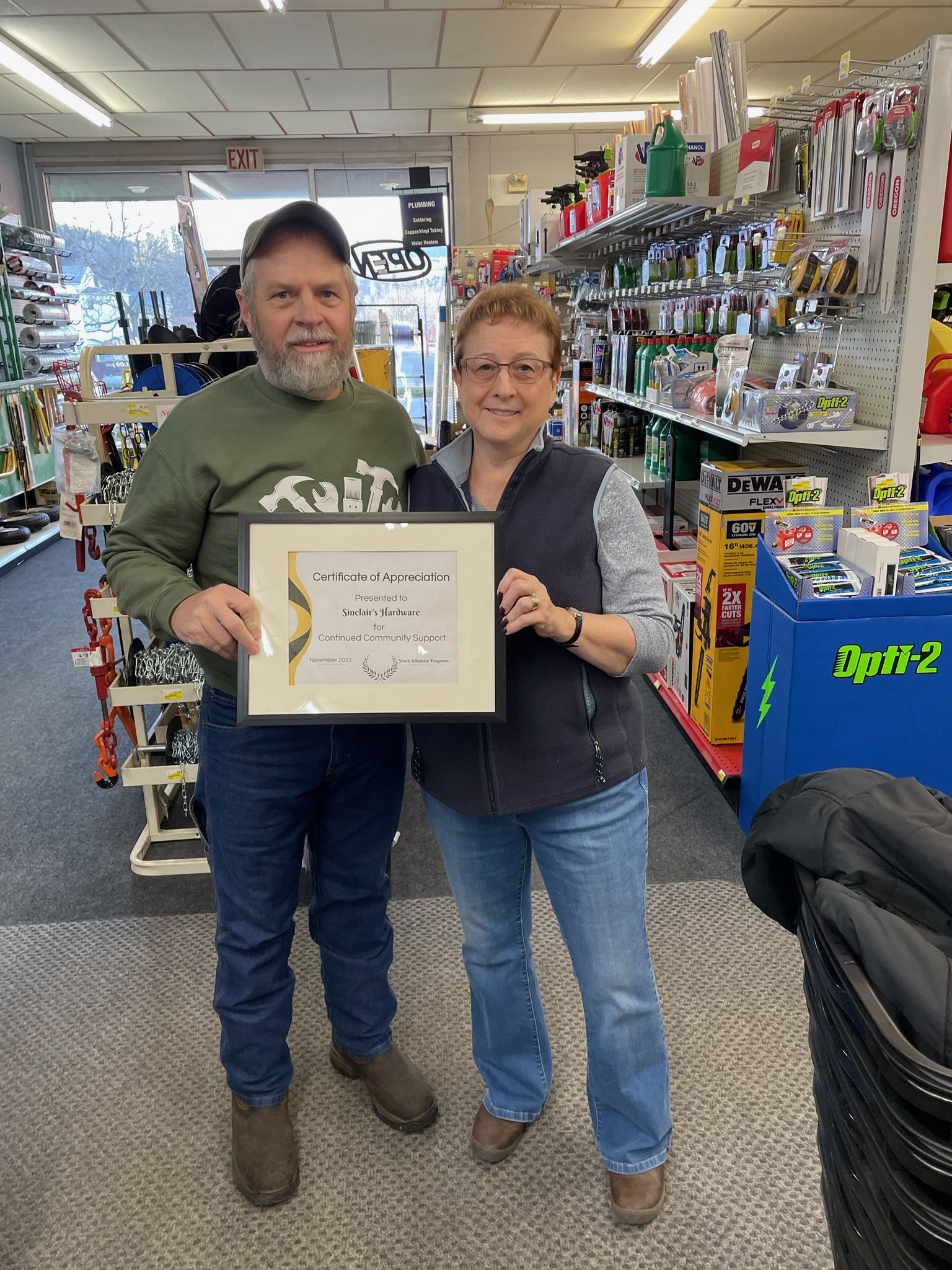
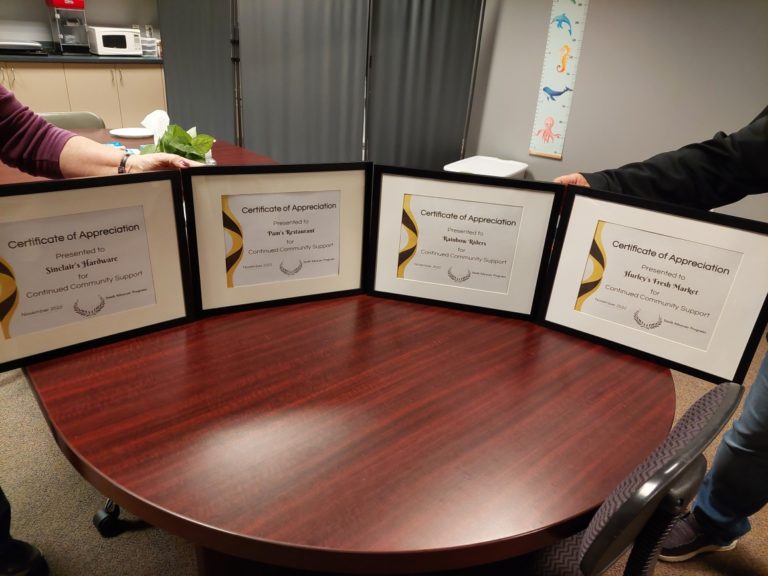
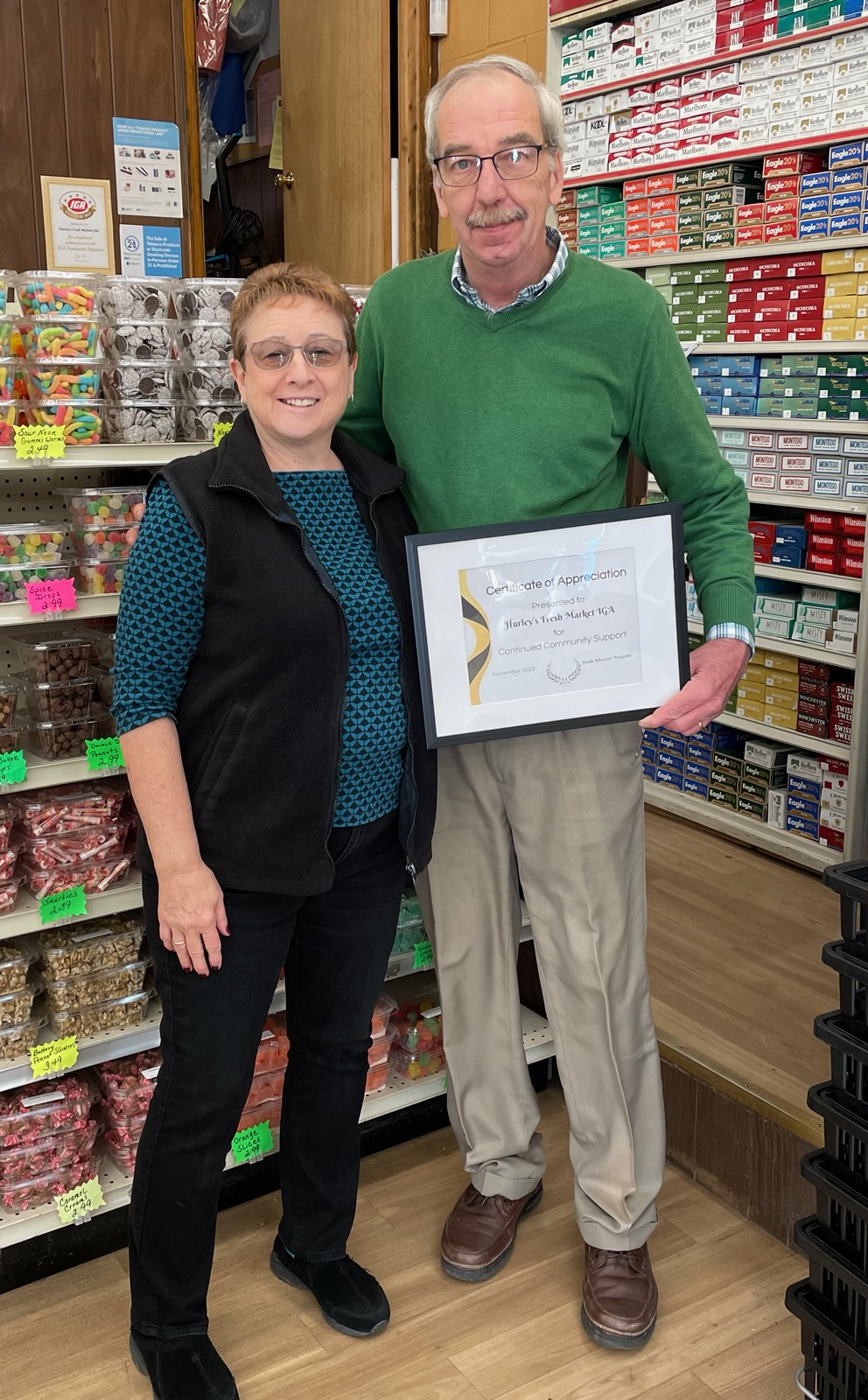
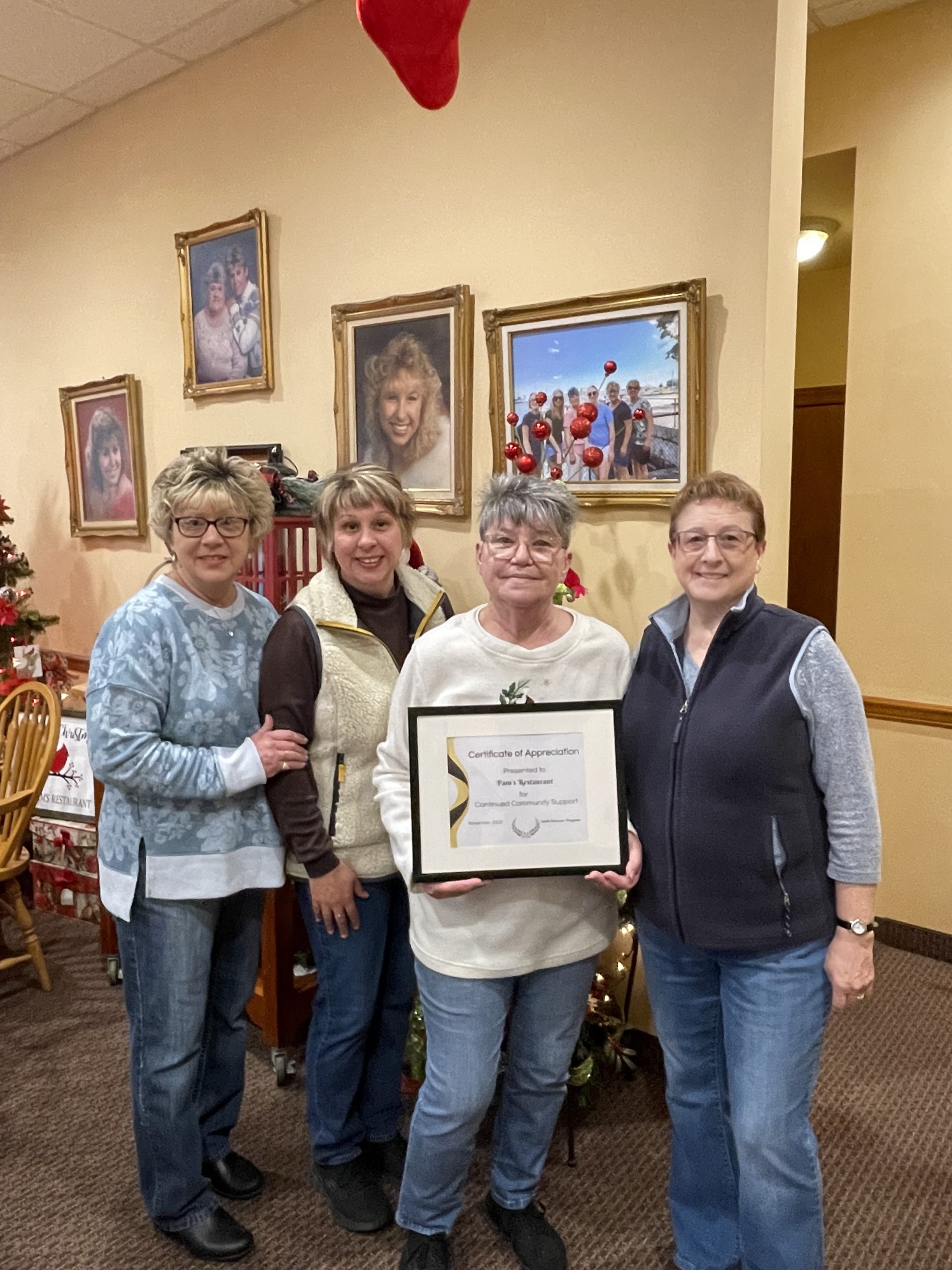
This holiday season, YAP would like to recognize all Bradford and Sullivan County businesses that have opened their doors to allow our program participants to get real world work experience, which includes:
- Pam’s Restaurant
- Hurley’s Supermarkets – Dushore and Towanda
- Sinclair’s Hardware
- Rainbow Riders
- Bradford County Humane Society
- Nana’s Country Kitchen
- Beeman’s Restaurant
- Animal Care Sanctuary
- Athens Public Library
- Riverside Cemetery Association
- Child Hunger Outreach Partnership of Towanda
- Happy Tails Animal Shelter
- Comfort Inn Sayre
“For 30 years I have been blessed to live in this close-knit community that is kind, welcoming and open to lending a hand to help our young people.” said Thibault-Finan.
If your business would like to be involved, please call the office at (570) 268-5777. For more information about YAP, visit yapinc.org. Follow the nonprofit @YAPInc.
Florida Youth Advocate Programs (YAP), Inc. Leaders & Program Participants Share Success Stories with Board Members
Tampa, Fla. — This month, members of Youth Advocate Programs (YAP), Inc. Board of Directors got some up-close-and-personal reminders of why they volunteered to serve the national nonprofit. While in Tampa for a quarterly meeting, the board members met program leaders, partners, and individual benefitting from YAP’s community-based services.
At a dinner the evening before their quarterly meeting, Pinellas Pasco Program Director Heidi Molina introduced Quay, 18, a former YAP Youth Justice Program participant. He talked about facing complex challenges since the age of two when after his sister went to school with burns from touching an iron on the stove; the siblings were separated from their mother.
YAP is a national nonprofit it 34 states and Washington, DC. that partners with youth justice, child welfare, behavioral health, education, public safety, and other systems to deliver community-based services as a more effective alternative to youth incarceration, congregate residential treatment, and neighborhood violence.
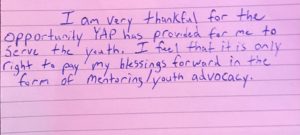
Quay spoke about being in the child welfare system, placed with his grandmother for a short time and later with his father when he returned briefly from prison before another incarceration. After his grandmother’s death, he went to live with an aunt in South St. Petersburg, where at age 13, he committed an offense that landed him on probation.
“I was a kid; I didn’t know what to do. I was just trying to feed my family. We were going through it. We were struggling,” he said.
Quay said that the rules of his probation required that he be in the house at 6 p.m., and that he probation violated over and over because the restriction made playing outside with his friends and just having fun and being a kid impossible. He said he dropped out of school in ninth grade as his way of having time outdoors with his friends. Quay said his life changed when a judge moved his curfew to 11 p.m. and enrolled him in YAP.
“When I was 17, she introduced me to the YAP program; she’s the reason why I stopped violating because I had a talk with her, and she changed my curfew to 11,” Quay said.
Quay said being a part of the program helped him see his strengths and opened his eyes to new possibilities.
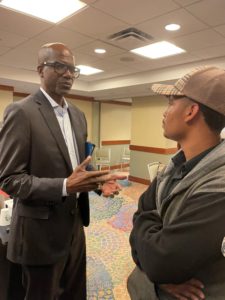
“I’d never been out of my neighborhood; so the first time I went to the beach was with them [his YAP Advocates]; and my first time doing any kind of critical activity like yoga, easing my mind; getting my mind off other stuff, I did that with the YAP program,” Quay added.
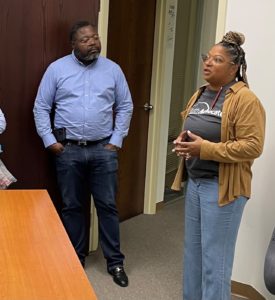
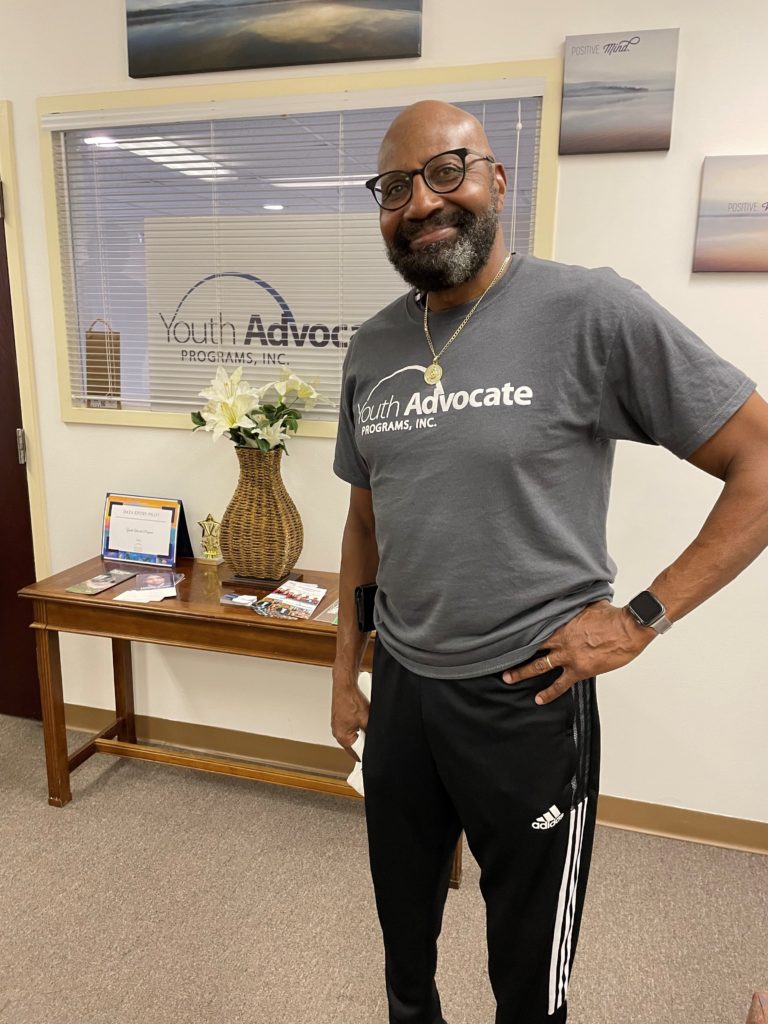
Board members also visited the Tampa YAP office where Program Director Felicia Wells and YAP Advocate Ishmell McKitchen briefed them on Stop Now And Plan or SNAP® and other community-based services they deliver to keep young people who might be at risk for youth justice system involvement on a positive path. The Tampa office administers SNAP® and other preventative programs as part of its partnership with the Florida Network of Youth and Family Services, which describes SNAP® on its website as a “front-end” resource to the Department of Juvenile Justice Office of Prevention, for at-risk youth ages 6-11 and their families.
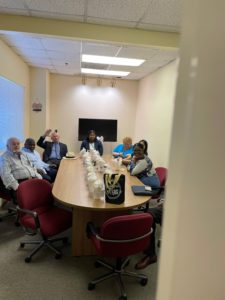
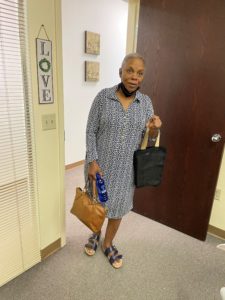
Patricia Smith, a grandmother of a program participant, expressed her gratitude to YAP Advocate McKitchen for empowering her grandson with tools to focus on positivity. “He still uses the principles of SNAP. It impacts his life; it helped us to be able to engage more.” She added that at times, her grandson even reminds her to employ the SNAP principles.

Following the office visit, the YAP board members visited a Tampa apartment complex where many of the Hillsborough County program participants live. The complex manager shared his appreciation for YAP and talked about many of the challenges faced by parents and children YAP serves.
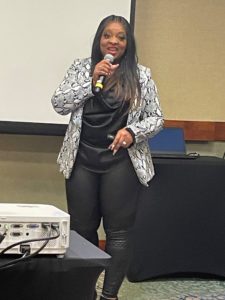
YAP Southeast Regional Vice President LaVeisha Cummings, who arranged the visit and dinner program, also introduced Board members to Orange, Osceola, Seminole County team leaders — Program Director Seyny Dressler, Assistant Program Director Richard McFarland and Clinical Director Carmen Ziers.
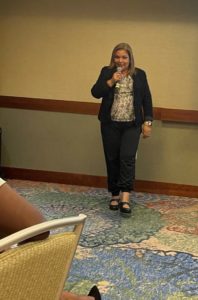
Ziers shared details of YAP’s Behavioral Health services and Dressler and McFarland talked about services they deliver through a partnership with Embrace Families.
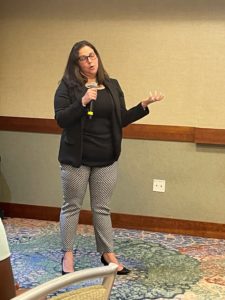
They provided an overview on their youth justice prevention and diversion, wraparound mentoring services, and a new Rapid Response program to support youth returning home from placement and their families.
Additionally, board members learned about other successful Pinellas Pasco YAP Youth Justice Program participants from Program Coordinator Ophilia Ciesicki.
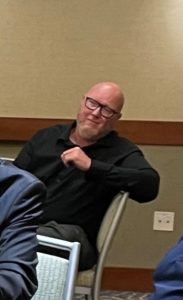
Ending the briefings were inspirational closing remarks at the dinner from Quay.

“I actually love the YAP program and I just want to thank everybody for treating me like family, and hopefully one of these days, I’ll be a YAPper.”
Learn more about YAP at yapinc.org and follow the organization on Twitter @YAPInc.
With Help from YAP, Parents Get Support to Help Better Connect with Their Children
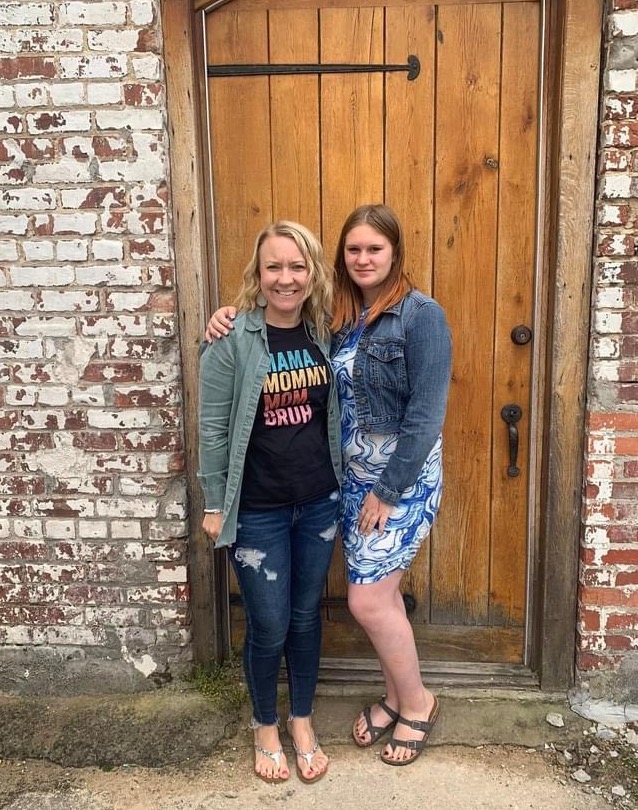
Galax, Va. – Sixteen year-old Kayleen credits her parents and Twin Counties Youth Advocate Programs (YAP), Inc. in Virginia with helping her become a more well-rounded person.
Kayleen had been living with Chris and Brandy Waller for a year before the couple adopted her in May 2022. The Waller’s have two biological children and have fostered 10 young people in the past two years after they saw a need to help youth in their community. Kayleen and one of the other children they fostered received support from YAP Advocates after the couple learned about the program from their social worker.
YAP, a national nonprofit in 33 states and Washington, D.C., partners with youth justice, child welfare, behavioral health, and other systems to provide community-based services as a more effective alternative to youth incarceration and congregate residential placements. In recent years, YAP has also applied its Advocate model to provide services to help communities reduce neighborhood violence.
“I had never heard of YAP until I started fostering,” Brandy Waller said. “We were just very thankful that there was this program that could come in and take our foster children out for an hour to three hours a day to give them that quality time that we might not have been able to do. It helps them curb their anxiety and helps having someone there that just solely focused on them.”
YAP hires neighborhood-based Advocates who are trained to empower program participants to see their strengths while connecting them and their families to wraparound services that include educational, economic, and emotional tools to put their lives on a positive path and firm their foundation.
Through her social worker, Kayleen was paired with her YAP Advocate, Avery, who supported her and the couple that would adopt her. YAP’s main objective is to keep youth safely home. YAP Advocates are trained to provide services to program participants, their parents and families, and in cases where children are in foster care, their guardians, too.
“Our social worker will request a YAP Advocate if they feel like it’s needed,” said Waller who is a church children’s ministry director. “When our children did go with their Advocates their attitudes always improved. They could be having a bad day when they get home from school and then go with their Advocate and they come back and it would be like they reset.”
Waller added, “YAP is definitely a blessing. When I felt like I couldn’t give everyone that one-and-one time, YAP was there to help pick up where I couldn’t do everything.”
“My Advocate helped me not feel so stressful,” Kayleen, who is in the tenth grade, said. “We talk about things that I feel like talking about.”
Kayleen says she and Avery volunteered at an animal hospital, have been out to eat, took a trapeze class and to the pool. She is doing well in school, having earned A’s and one C in math, and is already making improvements to bring that grade up.
“We also went to this one bakery place and it was pretty cool,” Kayleen said. “I just like hanging out with her a lot.”
The Waller’s are thankful for the Advocates who have worked with their family, and for Emily Higgins, the Program Director of YAP Twin Counties, Va., whom Brandy says is “wonderful.”
Higgins says working with Kayleen and her adoptive family have been a “joy.”
“It was a privilege to see Kayleen flourish into an exceptional young lady by overcoming many challenges at a young age,” Higgins said. “She now uses her experiences to help support others in similar situations as they learn to overcome them. We are truly proud of Kayleen and the impact that she has made on all of us at YAP, and in the community, through her resilient, gentle spirit.”
YAP provides many individualized services, Higgins says, with the organization’s sole mission to impact youth and families by offering positive support like they’ve been able to do for the Waller’s.
“Teenagers need someone to just listen and as parents we don’t always want to listen; we want to lecture,” Waller added. “These YAP Advocates they listen, they don’t lecture like a parent would do. They’re very patient with people. I would recommend every teenager in the foster care system have an Advocate because they are hard, but they are so worth it. If you have that support system it makes things so much better.”
Kayleen is happy to be living with the Waller’s where she feels safe and loved, something she said she did not receive in other placements.
“I’ve really liked being here,” she said. “My other homes and placements weren’t the best. When I first came here I felt welcomed.”
Learn more about YAP by visiting yapinc.org. Follow the nonprofit on Twitter @YAPInc.
Jay Snyder Honored by Fellow Members as he completes his Youth Advocate Programs (YAP), Inc. Board of Directors Service
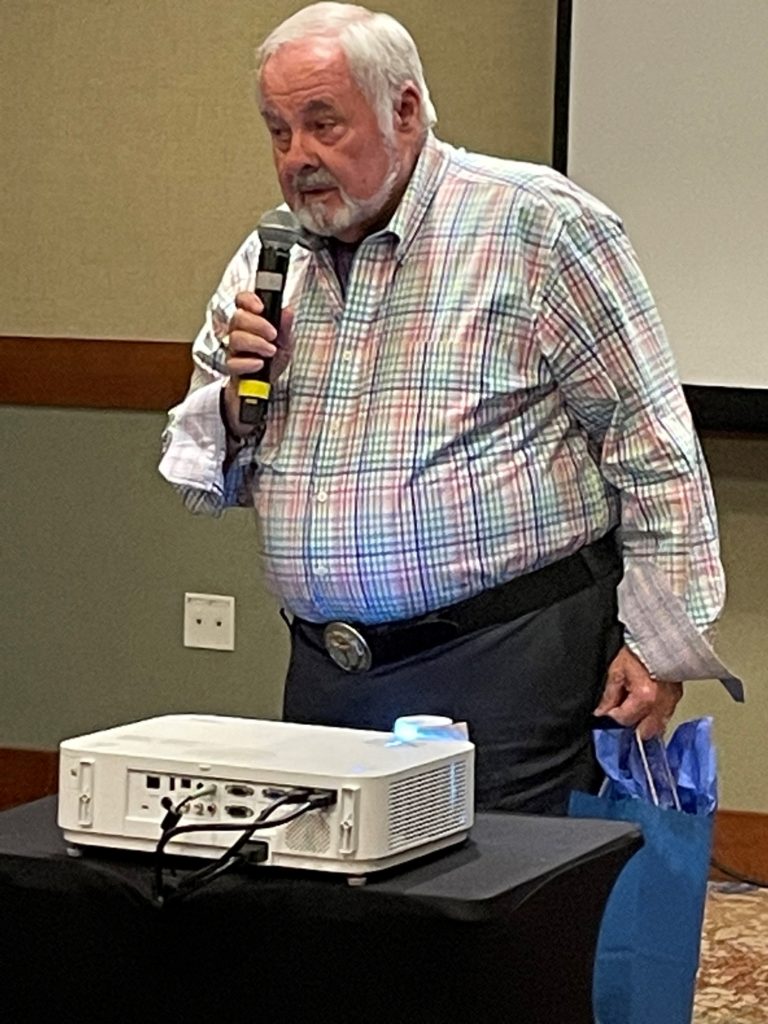
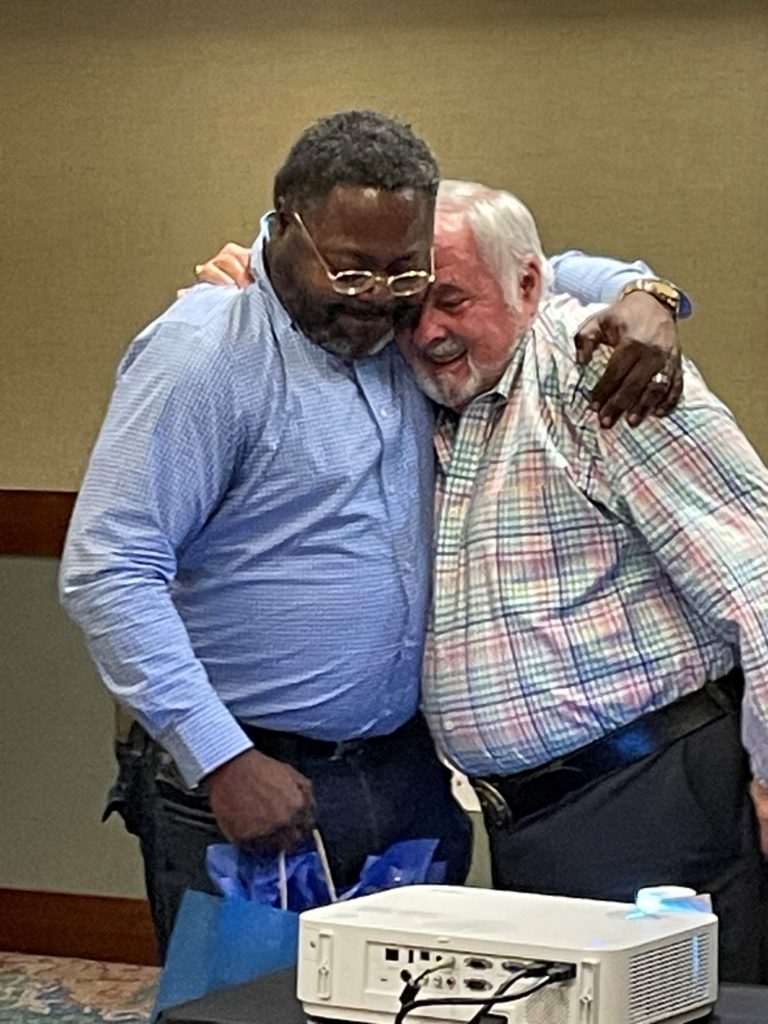
Tampa, Fla. — In an emotional moment, Youth Advocate Programs (YAP), Inc. Board Chair and Georgia State Rep. Teddy Reese thanked Jay Snyder for his service and his friendship. Sharing personal stories of their time working together, Reese announced that Snyder will be completing his term after 20 years of service as a YAP Board member. The announcement came during a dinner in Tampa, Fla., where the YAP Board of Directors held its quarterly meeting this month.
YAP is a national nonprofit in 34 states and Washington, D.C. that partners with youth justice, child welfare, behavioral health, and other systems to provide community-based alternatives to youth incarceration and congregate residential placements. In recent years, YAP has also implemented public safety initiatives in partnership with local governments to help curb neighborhood violence.
Snyder began his YAP board service in 2003. A U.S. Army Vietnam War veteran, he had a 20-year career in Pennsylvania state government, that included positions with the Governor’s office, Department of Community Affairs, Pennsylvania House of Representatives, and the Department of Welfare. He also served as Pennsylvania Commissioner for the Blind, President of the National Council of State Agencies for the Blind, Executive Director of the Pennsylvania Office of Vocational Rehabilitation, and President of the National Council of State Agencies of Vocational Rehabilitation.
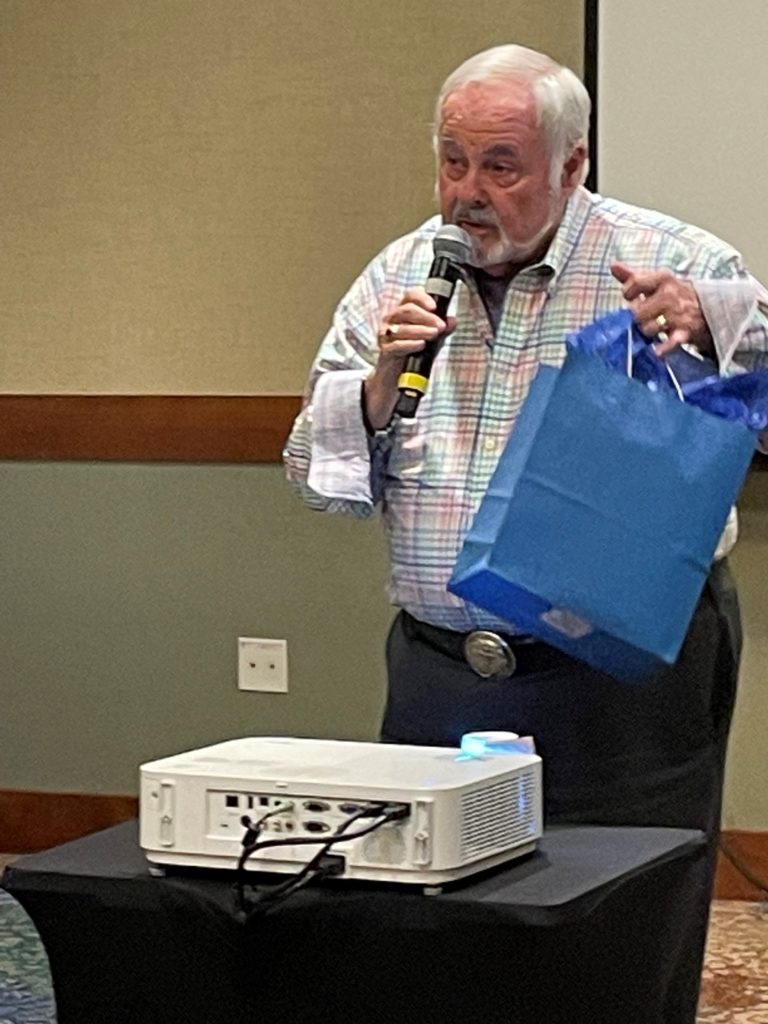
Snyder is perhaps best known for his work as an umpire at the U.S. Open, Australian Open, French Open and Wimbledon. He also served as the United States Tennis Association Director of Officials, Chief Umpire for the U.S. Open Championships and Director of the U.S. Open.
In 2017, Snyder lost the love of his life, Jeanne, who was his pen pal when he was in Vietnam and became his girlfriend when he came home. Her death came two weeks after the couple celebrated their golden wedding anniversary aboard the Pride of the Susquehanna.
Learn more about YAP at yapinc.org and follow the organization on Twitter @YAPInc.
YAP Fellows from Haiti and Romania Inspired by U.S. Community-Based Alternatives to Youth Incarceration and Congregate Residential Care
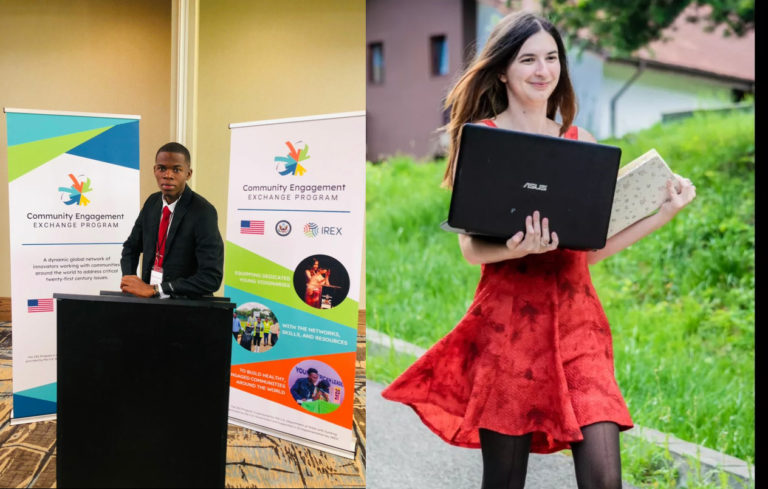
Thanks to two enthusiastic young people – one from Haiti, the other from Romania – more global leaders will be introduced to effective community-based alternatives to youth incarceration and congregate residential care.
Alexandra Gheorghica and Michael Aristil are wrapping up 12-week Community Engagement Exchange (CEE) Program fellowships with Youth Advocate Programs (YAP), Inc. YAP is a U.S.-based national nonprofit in 33 states and the District of Columbia that delivers community-based services as an alternative to youth justice, child welfare and behavioral health congregate residential care, and neighborhood violence.
The CEE program is implemented by IREX in partnership with the Department of State’s Bureau of Educational and Cultural Affairs. YAP Director of International Development Diana Matteson, who oversees the YAP fellowship program, acknowledged the nonprofit’s New Brunswick Program Director Rebecca Escobar and Los Angeles Program Director Brandon Lamar for serving as onsite hosts for the two fellows.

“It was always my dream to participate in an exchange program, to be exposed to the resources, skills and leadership potential,” said New Brunswick-based fellow Michael, who was raised in Haiti by his single mother until her death in 2018. “I started applying for exchange programs for years and I had failed in my attempts. By persevering and continuing to prepare myself I finally got this opportunity.”
As part of his fellowship, working alongside YAP staffer Patricia Louis, Michael came to understand how the YAP wraparound services model works to help young people and their families see and nurture their strengths to make positive life changes.
Alexandra, who came to the U.S. from Romania, has been spending her time working with YAP’s Los Angeles-based youth justice Advocate team. In her home country, she focuses on youth participation and empowerment in her work with the Active Development Association and as part of the European Youth Village Programme, which offers youth in rural areas tools to bring change, strategically address local issues, and create new opportunities for other young people.

“During my work in the States, I observed similarities in the challenges American and especially the Black and Hispanic youth and youth with fewer opportunities face,” she said, adding that they are “often subjects of systematic discrimination, stereotypes, and not being considered a relevant voice in their communities.”
CEE is supported by U.S. tax dollars to promote global civic engagement and provide meaningful connections so that fellows’ home communities can benefit from global collaboration.
Michael hopes to introduce aspects of YAP’s youth and family wraparound services model to support students he works for the Heliotrope Foundation as part of afterschool tutoring programs in Haiti.
“In the afterschool program, we provide the kids with the opportunity to come, learn, and play in a fun and caring environment — psychosocial activities, creative games, art, cooking lessons etc.,” he said. “The tutoring program on the other hand is designed to help the elementary school students with homework and provide them with weekly classes to help them in the subjects they are having difficulty with — Haitian history and culture, French, Haitian creole, math, reading etc. — especially because political instability and violence constantly paralyzes the functioning of school there,” he added. For example, Michael explained how school was supposed to be resumed in Haiti since September 5th, but due to the conditions up until now they are closed.
“Part of the insights from YAP I’m looking ahead to incorporate in the programs I run are to better focus and assess the interests, strengths, and areas in which the kids need improvements and work in closer collaboration with their parents to help the kids set goals and work towards achieving them,” he said. “Working with kids on a large group setting was good in some ways, but I have learned an important perspective that’s worth trying.”

Alexandra recently completed university studies and will continue full-time with the Romania Active Development Organization. The opportunity will enable her to train a network of leaders in disadvantaged communities who can strengthen their communities with new tools.
Alexandra said she plans to bring the energy and motivation from her experience in the States to in the rural communities in her home country.
“I am looking forward to returning and continuing to develop myself as a mentor who can train youth workers in their own villages to bring opportunities to support their communities, apply for their own funding, and work with authorities” she added.
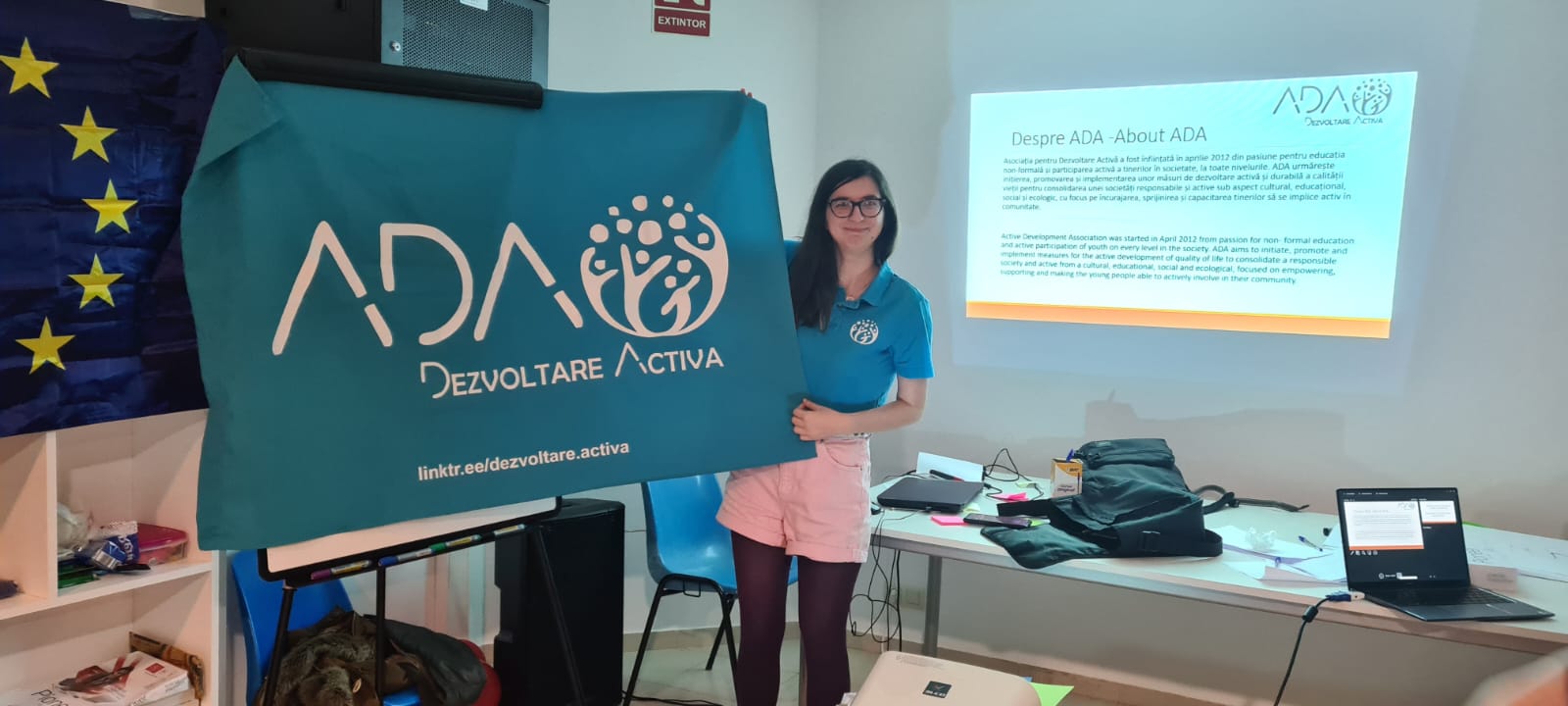
Michael is not certain how he will share his YAP knowledge when he returns to Haiti. But he is hopeful, as he has been for years, starting each day with his morning ritual of listening to Mariah Carey singing, When You Believe.
“Not only should we raise the hope of the kids, I also believe we should create more places where youth throughout the country can find the support they need to realize their potential and to help them advocate for themselves,” he said.
Learn more about YAP at www.YAPInc.org and follow the nonprofit on Twitter @YAPInc.
Research for this (book, article, video, etc.) was supported in part by the Community Engagement Exchange Program, a program of the Bureau of Educational and Cultural Affairs (ECA) of the United States Department of State, implemented by IREX. The views expressed are the author’s own and do not represent the Community Engagement Exchange Program, the U.S. Department of State, or IREX.
YAP’s National Violence Prevention & Community Safety Team Meets with Austrian Delegation
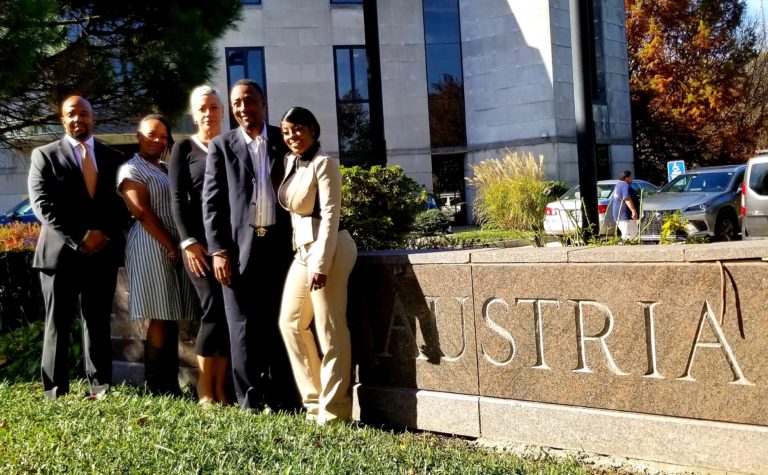
Washington, D.C. –The National Violence Prevention and Community Safety Team of Youth Advocate Programs (YAP), Inc. met with graduate students from Donau Universität in Vienna at the Austrian Embassy in the nation’s Capitol to discuss safety, policy, advocacy and systems change.
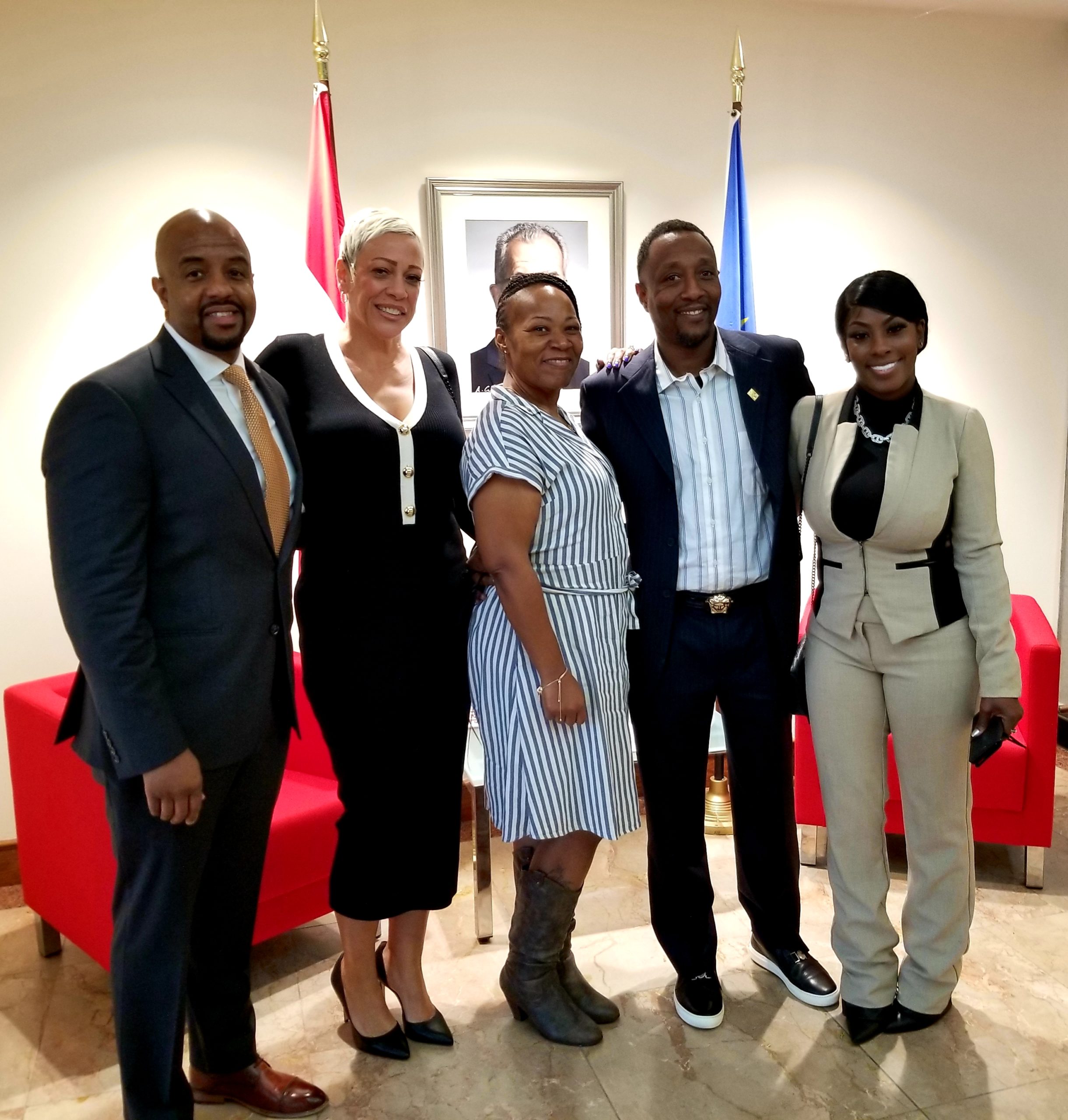
YAP is a national nonprofit in 33 states and Washington, D.C., that partners with youth justice, child welfare, behavioral health, and other systems to provide community-based alternatives to youth incarceration and congregate residential placements. YAP also partners with public safety systems to combine the nonprofit’s unique wraparound services approach with other evidence-based models to reduce violence.
Delegates included government, private sector, non-governmental organizations, academia, and one Ukrainian citizen.
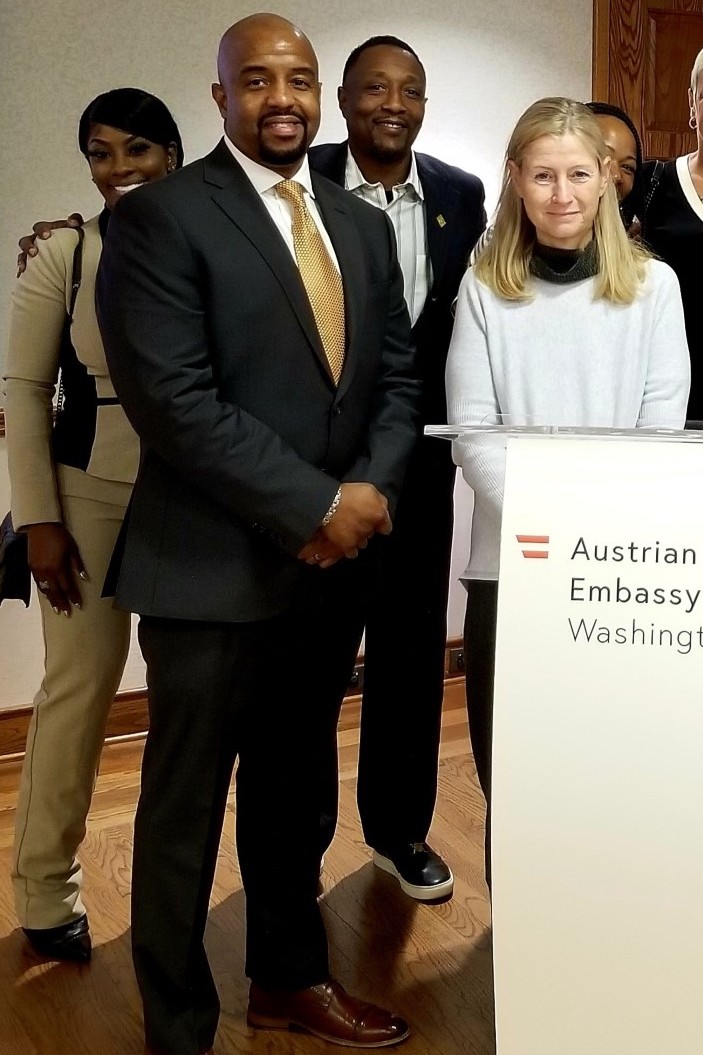
National Director of Violence Prevention Fred Fogg shared with the delegation how YAP is working to interrupt violence in cities nationally including in the Carolinas, Texas, Maryland, Illinois and New Jersey, among others.
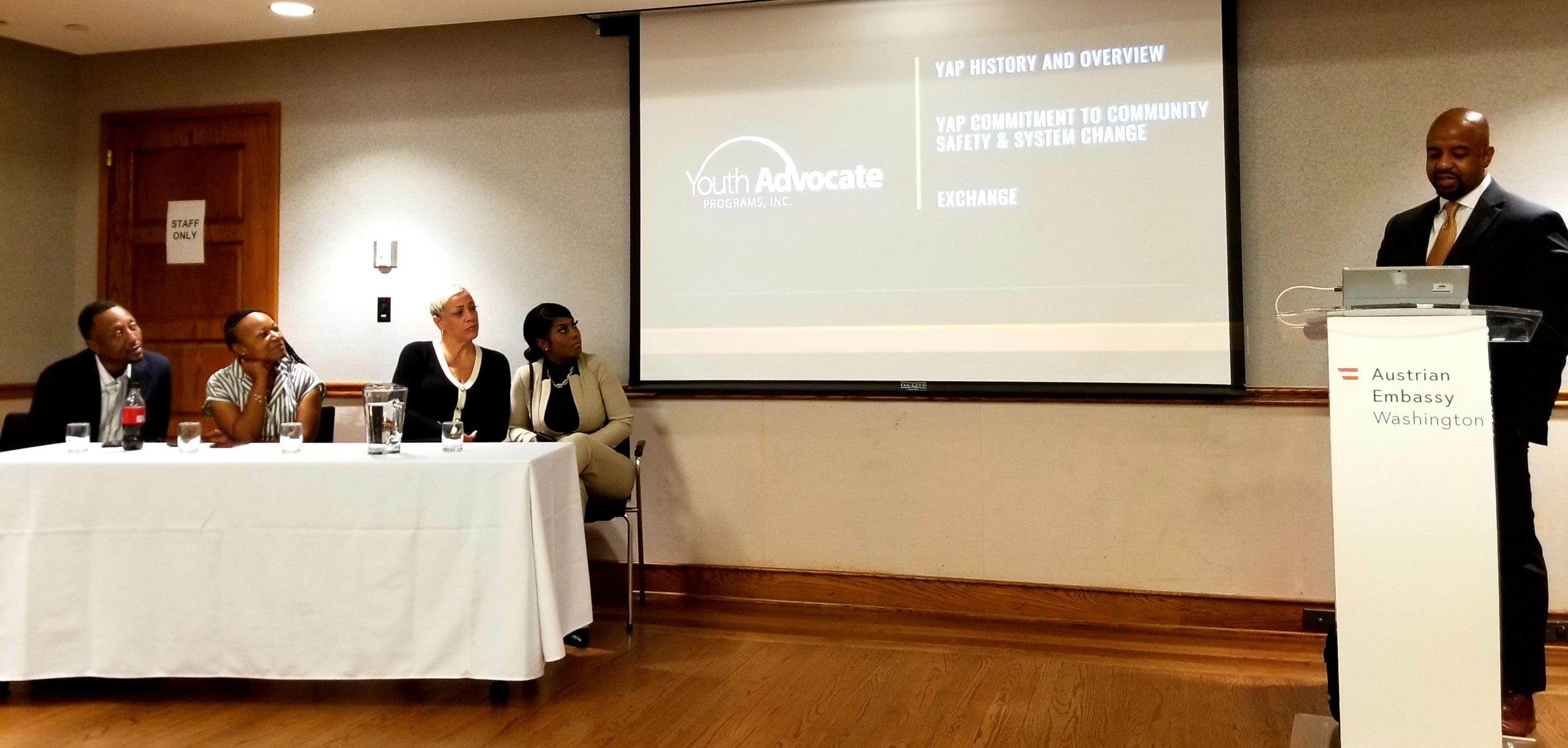
The meeting was set up by YAP’s Director of International Development Diana Matteson with support from Charles Bentil, recruitment specialist and program coordinator for one of YAP’s violence prevention programs. The programs hire and train formerly incarcerated individuals to serve as credible messengers to support other justice-involved individuals and others who are at the highest risk for engaging in violence.
“YAP’s commitment to community safety programming and system change was well-represented by the local team and National Director Fred Fogg at the Embassy of Austria in Washington D.C., in an exchange with a delegation of government and private sectors leaders from Vienna, Austria,” Matteson said. “Academics who had studied causes of high rates of community violence in the U.S. and challenges faced by returning citizens leaving incarceration left the exchange with unique insights on how innovative programming and system change work are being done every day by YAP to address them.”
To learn more about YAP visit yapinc.org and follow the nonprofit on Twitter @YAPInc.
YAP Mecklenburg County Hosts ’Paint and Chill’ for Moms of Program Participants

Charlotte, N.C. – Some moms of Mecklenburg County Youth Advocate Programs (YAP), Inc. program participants showed up for a relaxing evening — painting, sipping cider, and enjoying a pre-Thanksgiving meal.
Hosted by Mecklenburg County YAP’s Youth Justice program, Paint and Chill, was sponsored by LISC Charlotte, a community development organization making economic equality a reality for all Charlotteans.
YAP is a 47-year old non-profit that is located in 33 states and the District of Columbia that provides community-based services as a more effective alternative to youth incarceration and congregate residential care. The Youth Justice program is a partnership with the court system, which refers participants to YAP. Each young person is assigned a neighborhood-based YAP Advocate who champions for them and their families, guiding them to achieve positive outcomes.

“My son was having some trouble in school and outside of school,” said Q Henderson, whose 15 year-old son is in the youth justice program. “I was directed to YAP to help him make some better decisions. He’s a lot better than when he started out. This was his first year of high school and it was a little rough for him but when he got some outside resources it kind of really help to reel him back in a little bit.”
Henderson said YAP Advocate Jahwan Edwards has taught her son a lot of things from a male perspective that she isn’t able to.
“My son knows that Jahwan focuses personally on him during their one-on-one time,” Henderson said, adding that he’s taken him to the gym, out to eat and to meet other young men his age.
YAP Program Coordinator Makita Gordon put the Paint and Chill event together to celebrate moms whose children are making progress as YAP Youth Justice Program participants.
“You forget about yourself, especially when you’re a mom, because it’s all about the kids. I just wanted to create something that was all about the moms.,” she said.
Gordon, who interacts with the parents and guardians of the program participants at intake and follows up with them weekly to access their needs, said she chose a Paint and Chill affair because it has personally helped her relief stress in the past and she wanted to introduce the parents to something that they might not have been exposed to before.
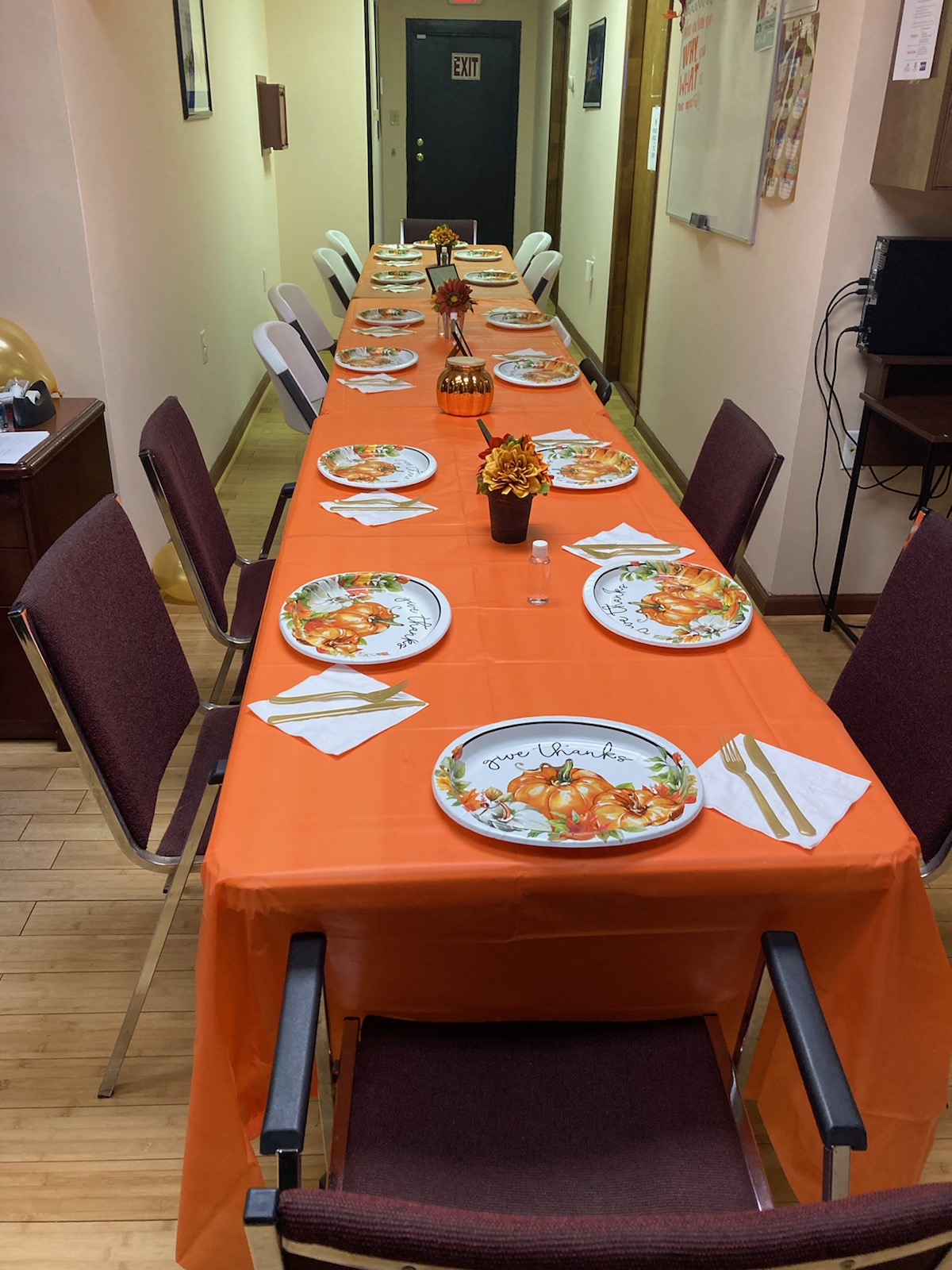
“The moms are the ones who are in court, they are the ones who have to keep up with all these programs, deal with people visiting in-and-out of their homes, and the moms forget about their own self-care because either their child is locked up or they’re worried about them being locked up or they’re in the streets and worried about whether or not they’re going to survive,” Gordon said.
Gordon enlisted the help of Tanzania Stewart of Creative Society to help guide the moms in painting.
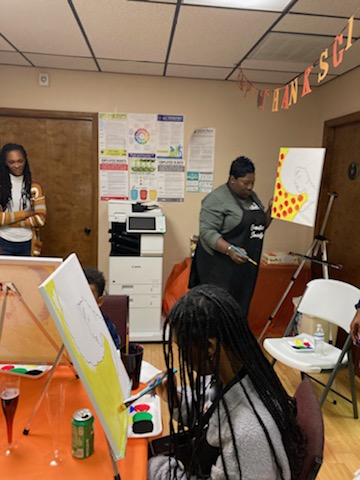
“Painting is a stress reliever because you put all your stress on that canvass, turn on some music and it just takes you away,” Stewart said. “You get wrapped up in your picture. The best part is that people don’t have to follow my color pattern, they can do their own thing.”
Gordon hopes to hold a Paint and Chill, for program participants next.
“Painting is like a coping mechanism in a sense because I’ve been through some things in my life,” Gordon said. “It wasn’t until I did a paint and sip that I found out what painting could do for me. I don’t know how to paint, draw or any of that, but when I went and did it, it just gave me so much confidence. It really brings assurance to feel like you accomplish something through art.”
The event took place at YAP’s Charlotte office on Beatties Ford Road.
To learn more about YAP visit yapinc.org and follow the nonprofit on Twitter @YAPInc.
With Help from a New Pilot Program, People Maxing Out Their Prison Sentences Celebrate Re-entry Successes
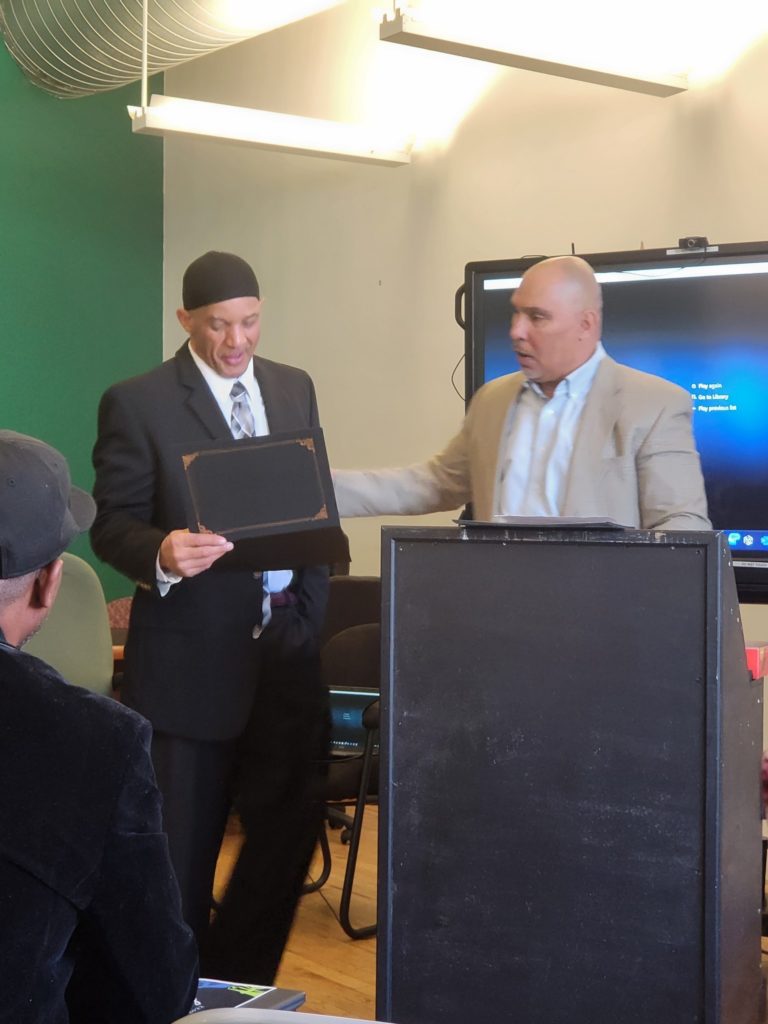
Newark, NJ — Essex County, New Jersey Youth Advocate Programs (YAP), Inc. hosted a special graduation ceremony this month for 30 participants of a pilot program that supports individuals leaving prison when their sentences “max out.” The program is a partnership between YAP and the New Jersey Department of Corrections (NJDOC), which connects individuals to the program up to 180 days before their release date.
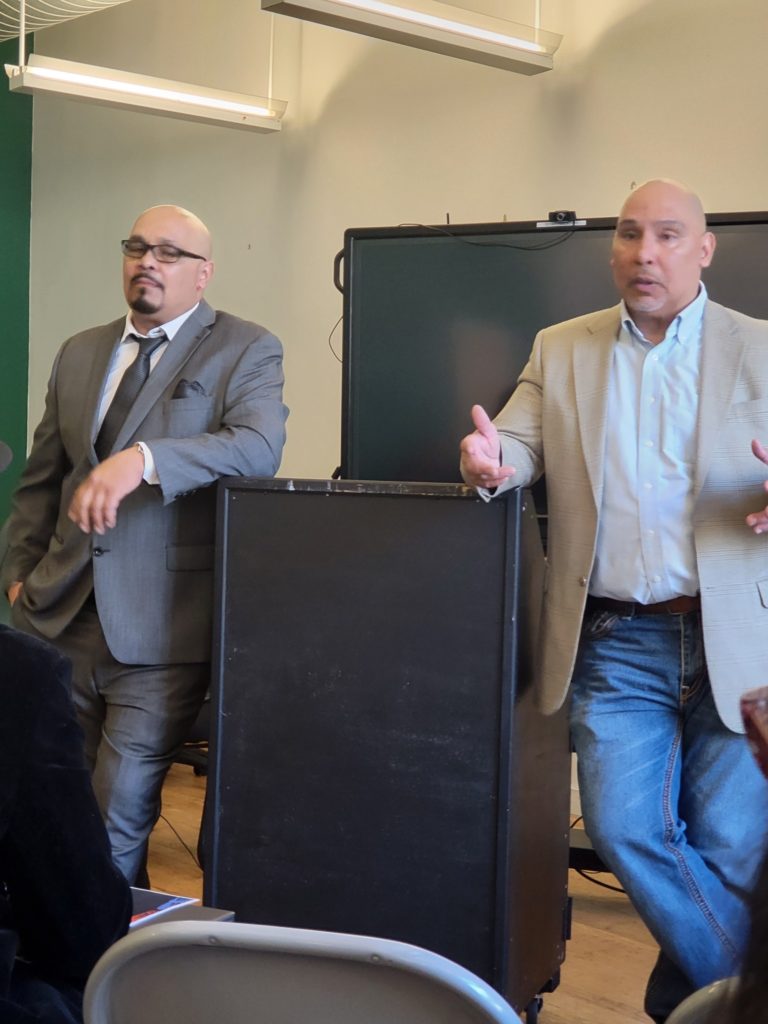
“When you max out, you return to society often after many years in prison, with no supervision, but also with no support,” said Program Director Edwin “Chino” Ortiz who oversees the pilot, working alongside his brother, Program Coordinator Carmelo “Melo” Ortiz. The Ortiz brothers maxed out of prison in 2016, each after serving 30 years. When Edwin was 19 and Carmelo was 20, they were convicted on charges related to the death of man during a robbery.
Incarcerated people often choose to max out rather than taking a chance on a parole hearing where additional time might be added to their sentences, the Ortiz brothers said. They added that 50-75 percent of people leaving prison in New Jersey are technically maxing out.
“I knew Chino and Melo from prison and worked with them before I got out,” said 51-year-old Maurice Romero. “When I got out, they brought me to the office, gave me a huge backpack with clothes, gift cards, everything I needed. They took me to the bus station to get bus cards, helped me get reduced rent for the apartment, and gave me suits for job interviews.”
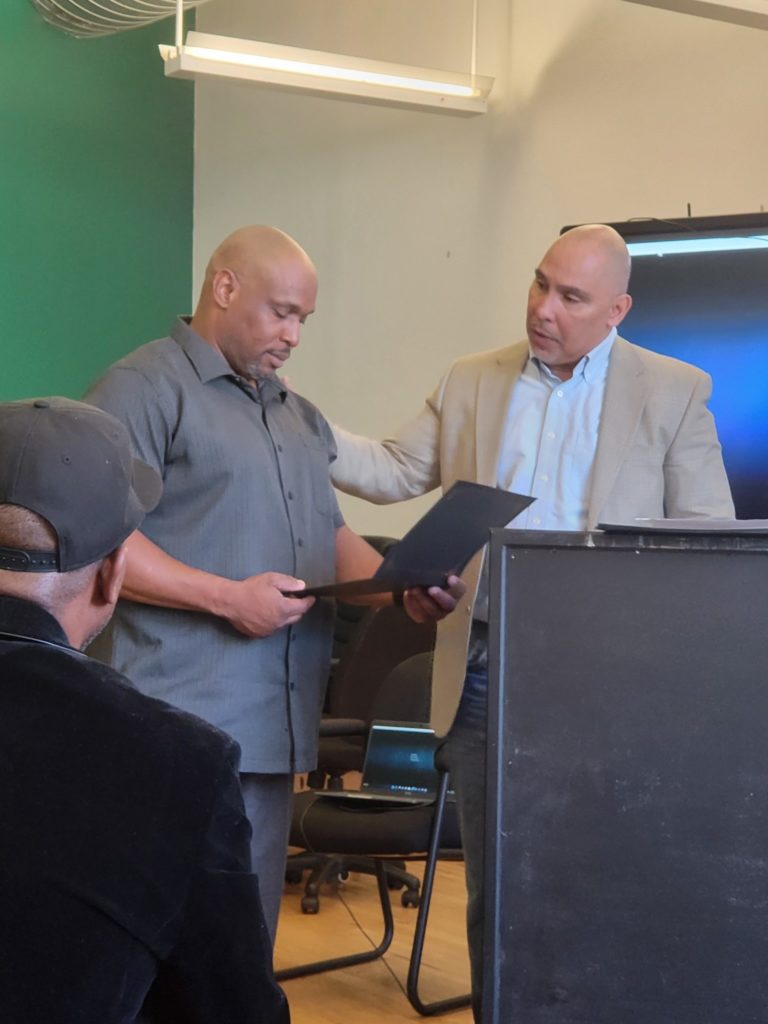
Romero returned to Newark in April after serving 36 years in prison for purposeful or knowing murder and felony murder. At age 15, he accompanied two boys to a robbery that he quickly fled from when he realized it was a home invasion of an elderly couple. When police arrested him the next day, he learned that the wife was raped before being killed by one of the boys who pled guilty and remains in prison for those and additional crimes committed during his incarceration. Romero, who now has a full-time job and an apartment, and is pursuing a master’s degree in criminal justice, credits the YAP re-entry program for preparing him for his transition, transporting him from prison, assisting him with getting his ID, and helping him make the emotional adjustment that comes with living for the first time as a free man.
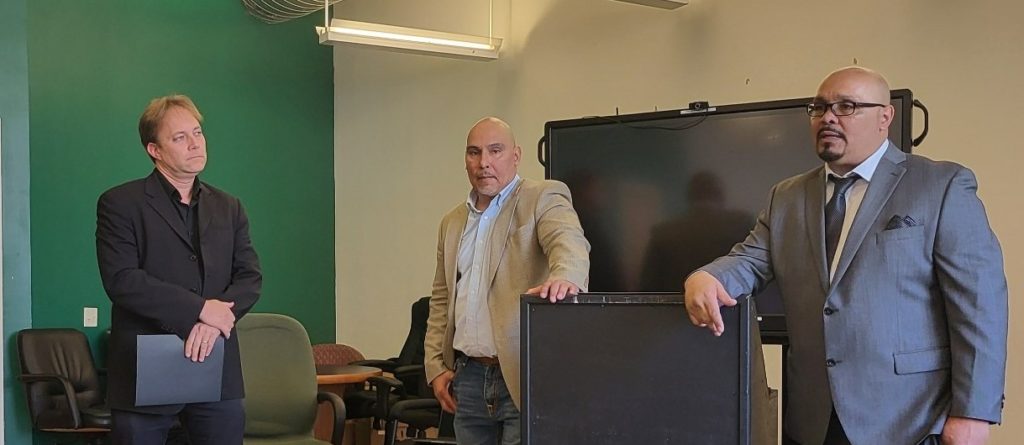
In addition to presenting certificates of completion to participants, the ceremony recognized local supporters. “Reverend Seth Kaper-Dale received a certificate of appreciation for his unwavering support,” said Carmelo Ortiz. “His organization – The Reform Church of Highland Park Affordable Housing Corporation – supports our program with housing opportunities for our participants. They rent apartments and sublease it to our participants at affordable rates.”

YAP staff Advocates meet program participants at the prison gates on the day of their release and transport them to emergency housing. But before that, while they are still incarcerated, they meet with their YAP Advocates to create strength-based individualized service plans. Later, YAP staff are at each program participant’s side to help with applying for ID cards, accessing food pantries, and connecting with job training, healthcare resources, employment services, educational programs and recreational activities to strengthen family bonds. Participants also take part in weekly support group sessions and benefit from mental health and substance use treatment and restorative justice and other services that provide ways to give back to their communities.
First-year funding for the program will enable YAP to serve up to 70 NJDOC referrals. However, news of the re-entry team’s work has been spreading among men and women who have been in the community for months, even years after maxing out of prison. Adhering to the 47-year-old nonprofit’s No Reject, No Eject policy, the YAP team has also been connecting these “walk-in” program participants with re-entry tools and resources and has invited those who have been successful to also take part in the graduation ceremony.
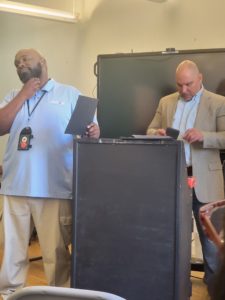
YAP is a 47-year-old national nonprofit in 33 states and the District of Columbia that partners with youth justice, child welfare, behavioral health, and other systems to provide community-based services as a more effective alternative to youth incarceration and congregate residential placements. In recent years, YAP has also been combining its evidence-based wraparound services model with violence intervention approaches to help communities curb violent crime.
Learn more about YAP at www.YAPInc.org and follow the organization on Twitter @YAPInc.
With Tools from His Advocate, 15-Year-Old Tucker Now Advocates for Himself and Others

Prescott, Ariz. — Ten months ago, 15-year-old Tucker could never have imagined being where he is now – off probation with his friends, family and Prescott, Ariz. community members celebrating his achievements.
Tucker recently completed services at Yavapai County, Ariz. Youth Advocate Programs (YAP), Inc. YAP is a national nonprofit in 33 states and Washington, D.C. that partners with youth justice, child welfare, behavioral health, and other systems to deliver evidence-based services in families’ homes and communities as an alternative to placement in youth prisons and congregate residential care facilities.
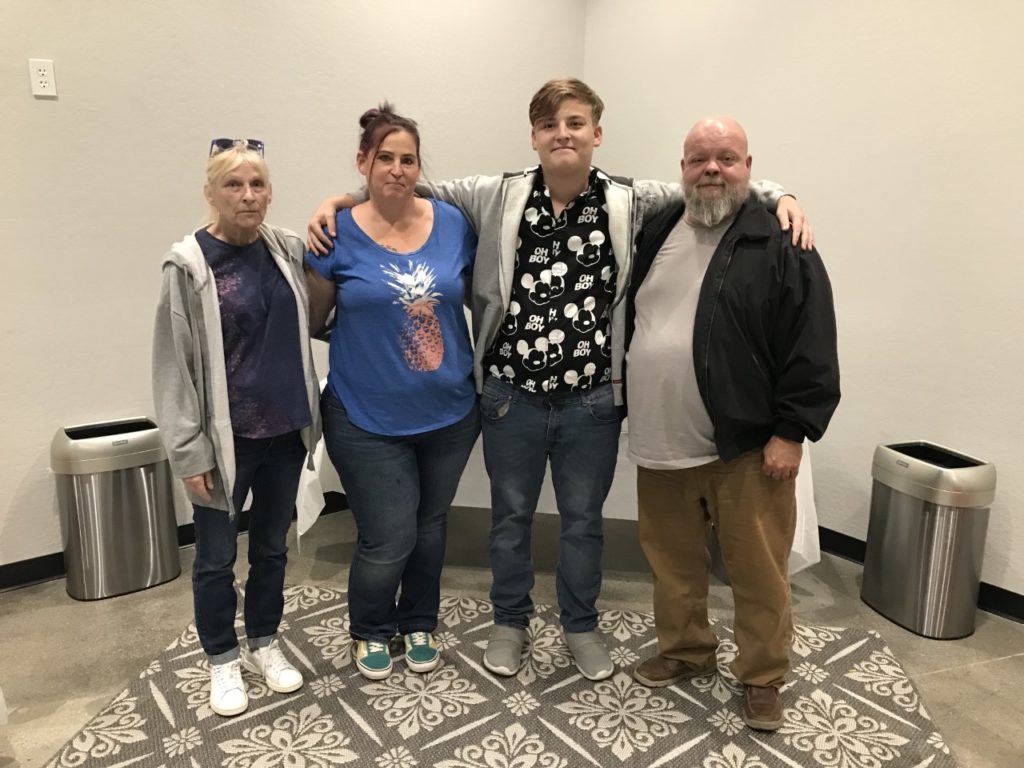
“Before all this, I used to get angry really, really quickly. Since all this has happened, it doesn’t happen as often,” Tucker said.
YAP hires neighborhood-based Advocates who are trained to empower program participants to see and nurture their strengths while connecting them and their parents/guardians and families to educational, economic, and emotional tools to strengthen the youths’ foundation.
Tucker had been on probation for more than a year when he became a YAP participant.
“I met a young man with very little impulse control. Not a good sense of physical and personal boundaries and anger issues. There was also a lot of fear and insecurity with being on probation,” said Tucker’s former YAP Advocate Eric Schulze.
Yavapai County Juvenile Probation Department began referring youths to YAP in 2020 after receiving a program startup grant awarded through the Safely Home Fund, a YAP partnership with Georgetown University’s Center for Juvenile Justice Reform. YAP received an Arizona Governor’s Office of Youth, Faith and Family Office of Juvenile Justice and Delinquency Prevention Title II Formula Grant in 2021. That funding enabled YAP to serve 10 youths through October 2022 with the Arizona Community Foundation covering costs of serving two additional program participants.
In the nine months that Tucker was in the program, Schulze spent time with him and his family in their home. He also met with Tucker at school and took him bowling, hiking, and kayaking with other program participants.
“I was getting out of the house and doing stuff. When you’re on probation you’re stuck,” Tucker said.
Schulze saw Tucker eagerly learning new skills while also taking time to motivate and build up his peers.
“It’s been encouraging to see him take on new opportunities,” Schulze said. “He has always had an amazing sense of humor and has known he operates a little different within the world. And he’s ok with being that different person and letting himself shine.”
As Tucker began focusing on his strengths, Schulze encouraged him to take advantage of tutoring and other learning resources at his school.
“This year, I’m doing the best in school than I ever have,” Tucker said. “I’m really good at math. It’s been my best subject – that and homeroom.” Tucker describes homeroom as “a family within a family,” where his classmates shared with him his excitement of being off probation.
Schulze also connected Tucker to the Prescott Valley Park Collective, a community nonprofit, where he satisfied his community service hours and stayed on through YAP Supported Work, where program participants earn income while getting on-the-job experience.
“One of the people I worked with – his name is Coach – it used to take him an hour and a half to clean the playground,” Tucker said. “With me helping him, it takes 45 minutes. It made a difference for him because he got to go home early. You get joy with helping people. I personally try to make everyone feel better.”
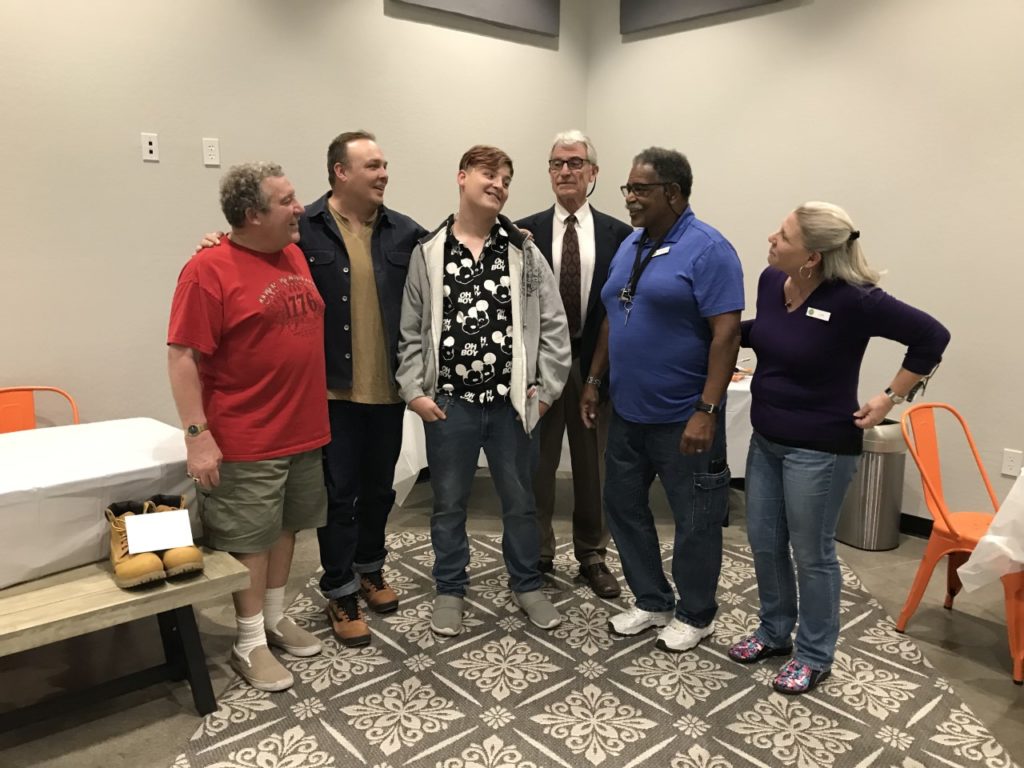
Earlier this year, Tucker learned that a planned promotion for his Advocate was put on hold when some anticipated program funding didn’t come through.
“I kept nagging her [Yavapai County YAP Program Director Patty Delp] to give it to him,” he said.
While embarrassed by Tucker’s campaigning, Schulze was proud to see that after months working as his YAP Advocate, the tables had turned with Tucker advocating for him.
“The magic in our model is its simplicity,” Delp said, adding that nine of the 12 youths receiving services over the past year successfully completed the program requirements and all celebrated major milestones.
“These kids are coming to us from the system, and we start our work by looking underneath the trauma that came before the acting out,” Delp said. “These are not bad kids; they’re young people who have had a tough go at it.”
Tucker’s former probation officer Dan Lammers was among those attending his YAP graduation. “We can work together to help kids that are in the system, and the system is not bad or overbearing when the right resources are used to assist in helping our kids move forward,” he said.
Tucker is completing his fall semester with good grades, work experience, a driver’s permit, and new respect and admiration from his family, friends, and community. Meantime, Schulze has been promoted from Advocate to Program Coordinator; and Delp is pursuing funding so that the program can continue serving justice-involved Yavapai County youth for years to come.
Learn more about YAP at www.YAPInc.org and follow the organization on Twitter @YAPInc.
Mecklenburg County Welcomes the Community During Recent Open House
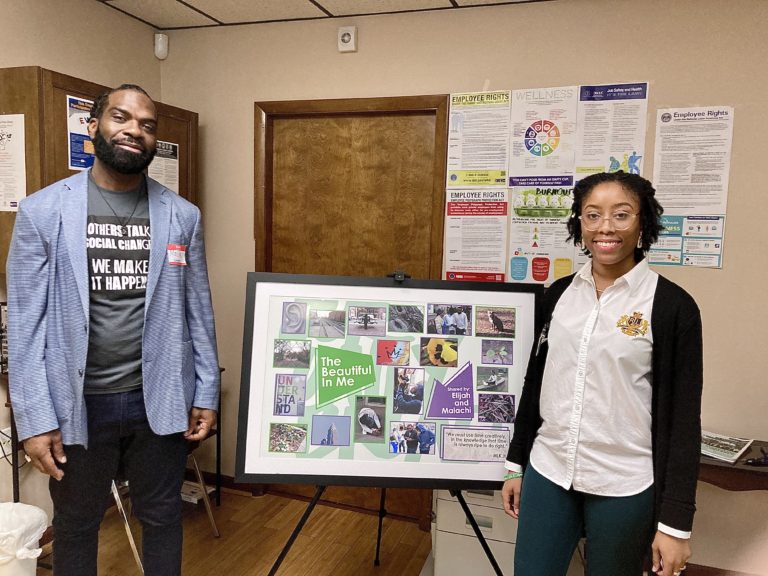
Charlotte, N.C. – Mecklenburg County Youth Advocate Programs (YAP), Inc. hosted an Open House on Oct. 26 to welcome program participants, their families, and members of the Beatties Ford Road neighborhood.
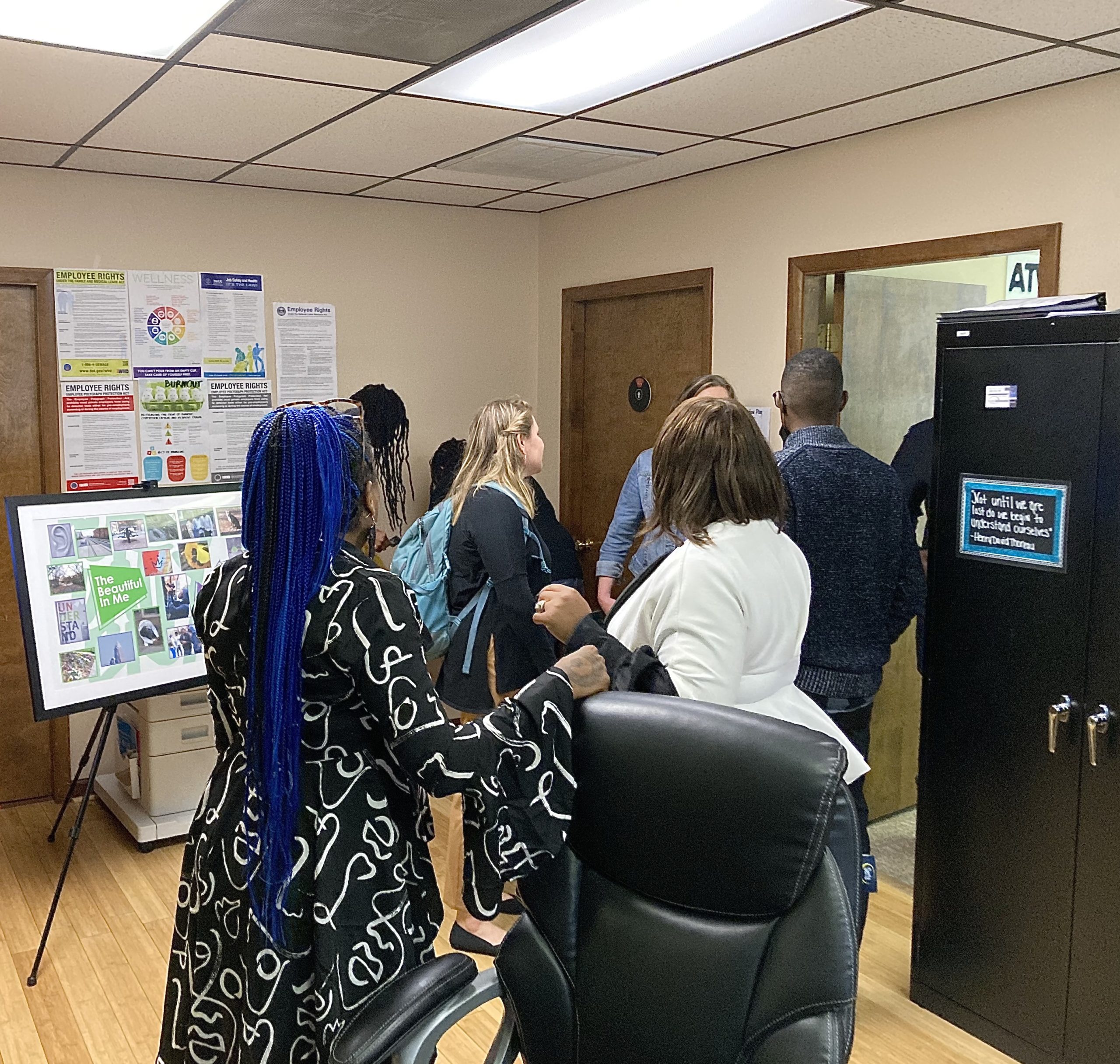
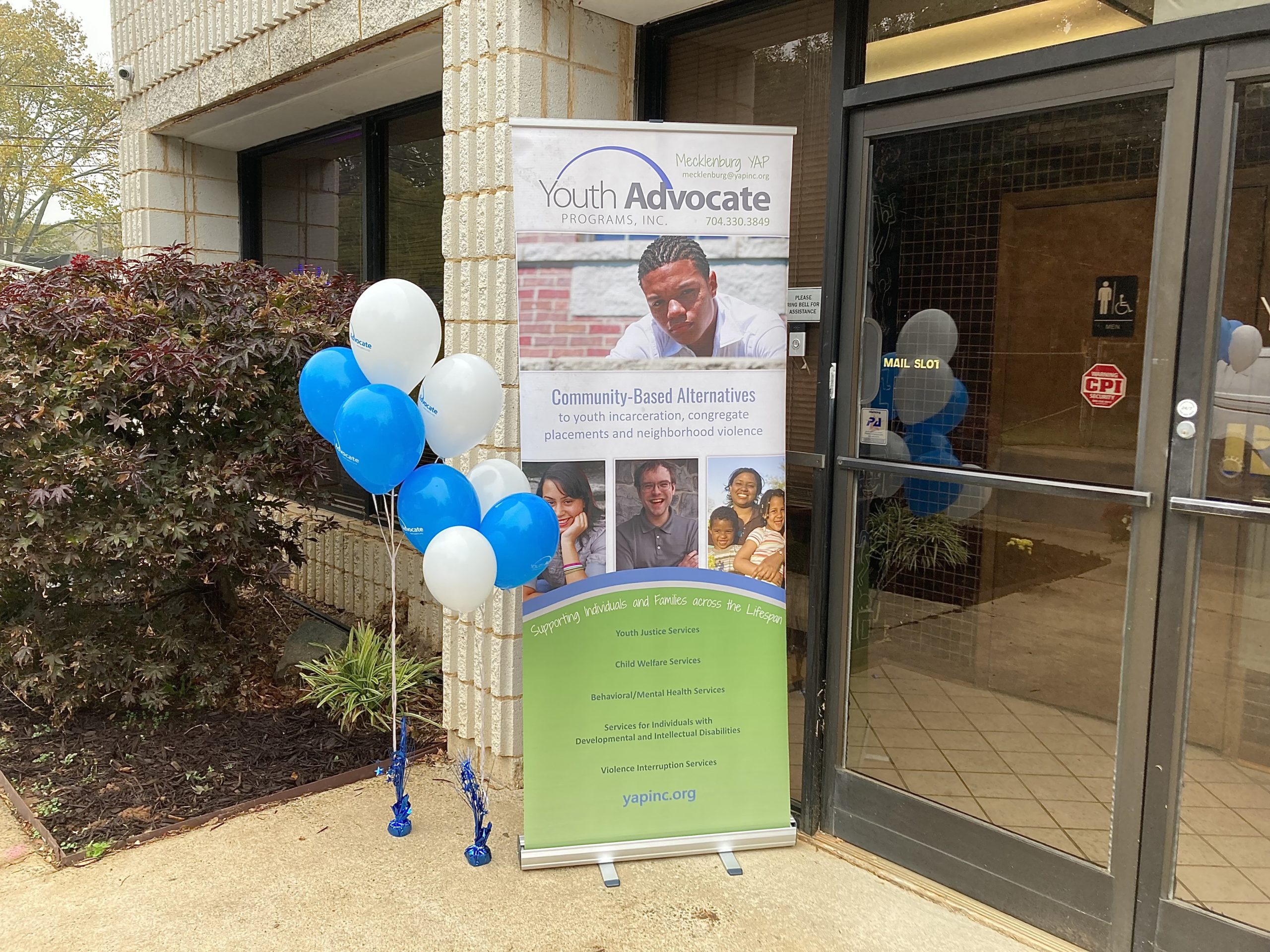
The event allowed the community to meet members of Charlotte’s YAP staff including those from the national nonprofit’s Mecklenburg County Youth Justice program and the organization’s Violence Intervention (Alternatives to Violence or ATV) program team.
The YAP Youth Justice Program partners with the court system, where through referrals, program participants get a neighborhood-based Advocate who champions for them and their families, guiding them to achieve positive outcomes. The program is led by Director Malik Glover and Assistant Director India Harrison.
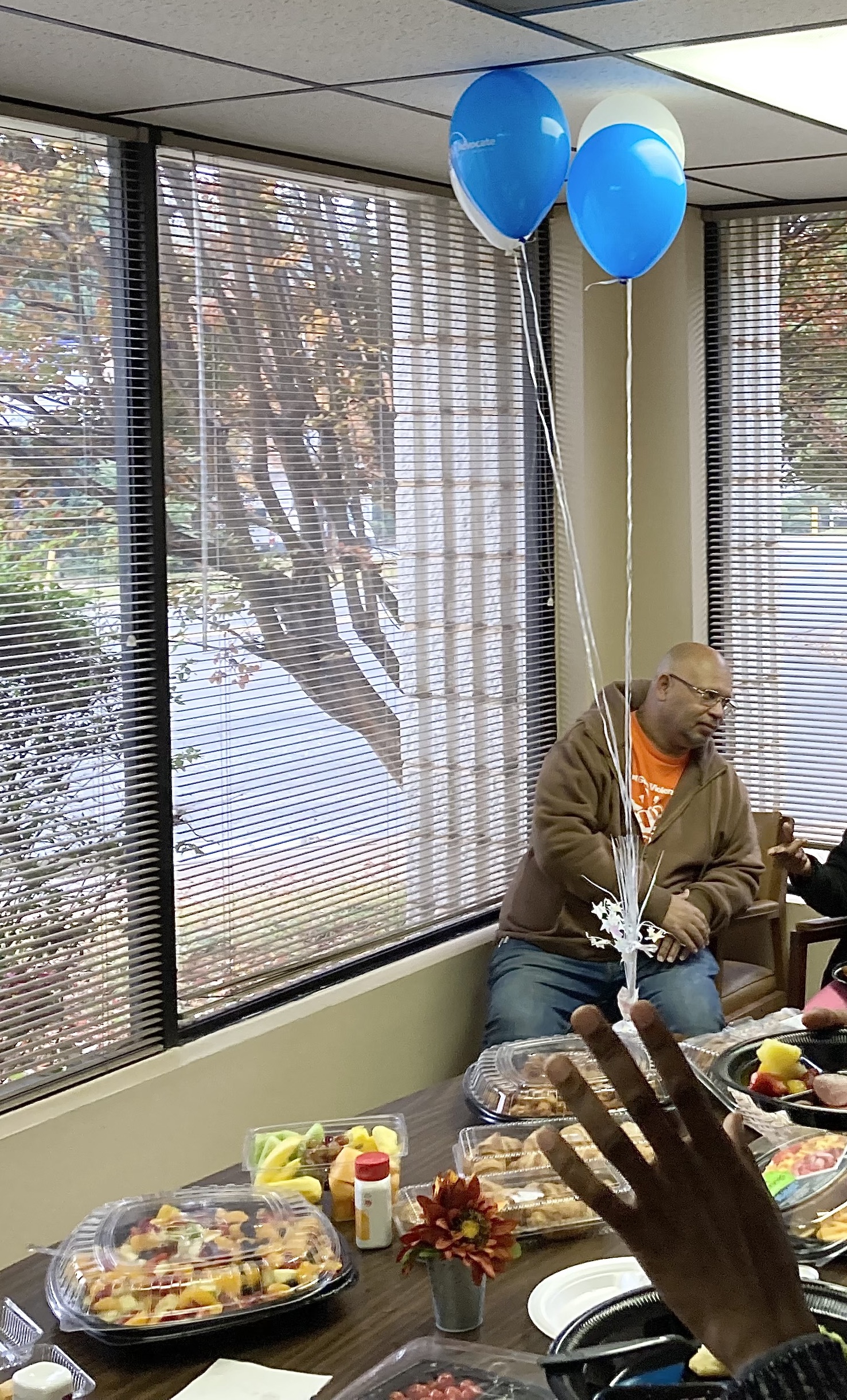
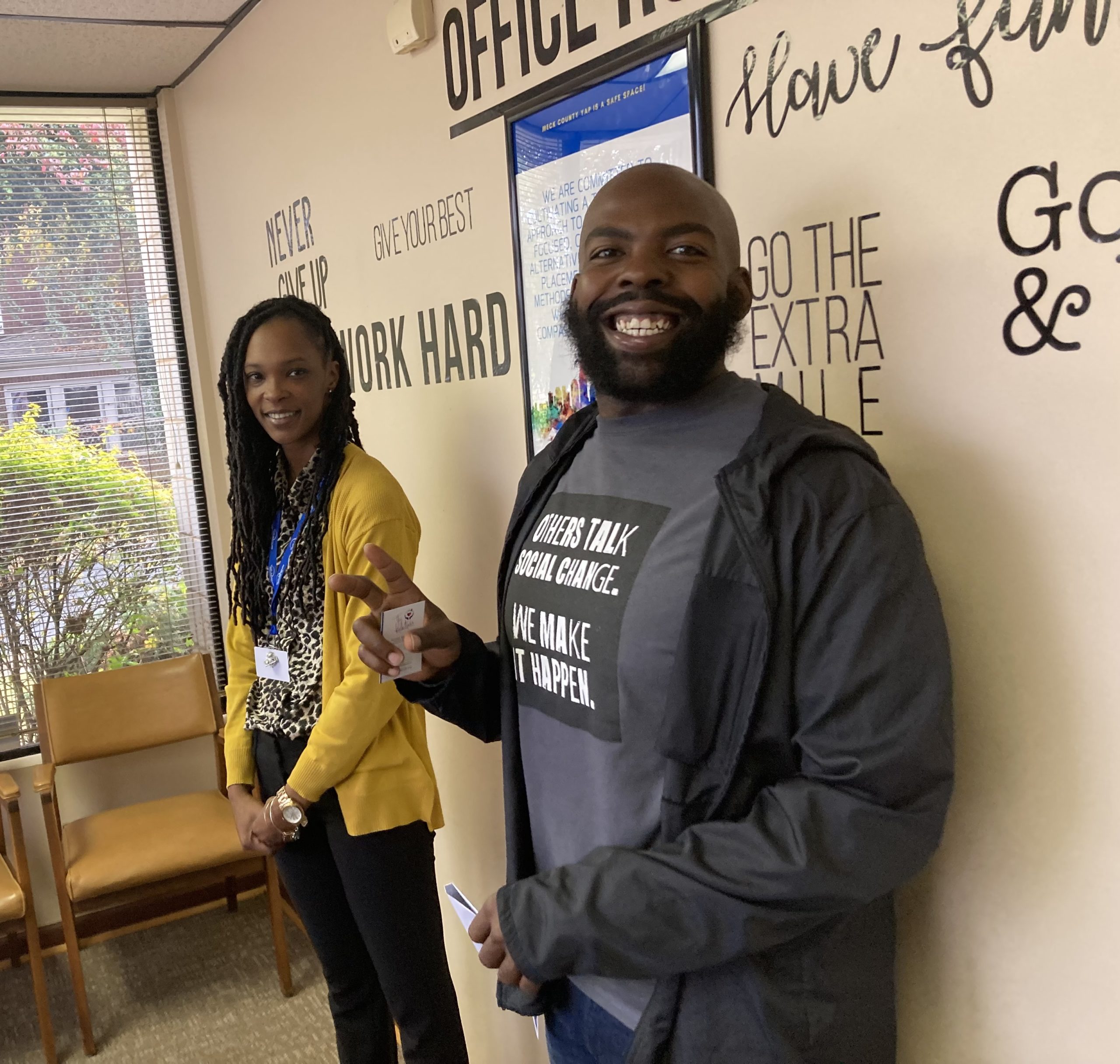
The City of Charlotte and Mecklenburg County, in collaboration with Cure Violence Global (CVG) and YAP launched ATV a year ago in response to reducing violence in the Beatties Ford Road corridor. ATV Site Supervisor Earl Owens and that program’s team members, all of whom are deeply rooted as volunteers and activists on the Beatties Ford Road corridor, were also in attendance.
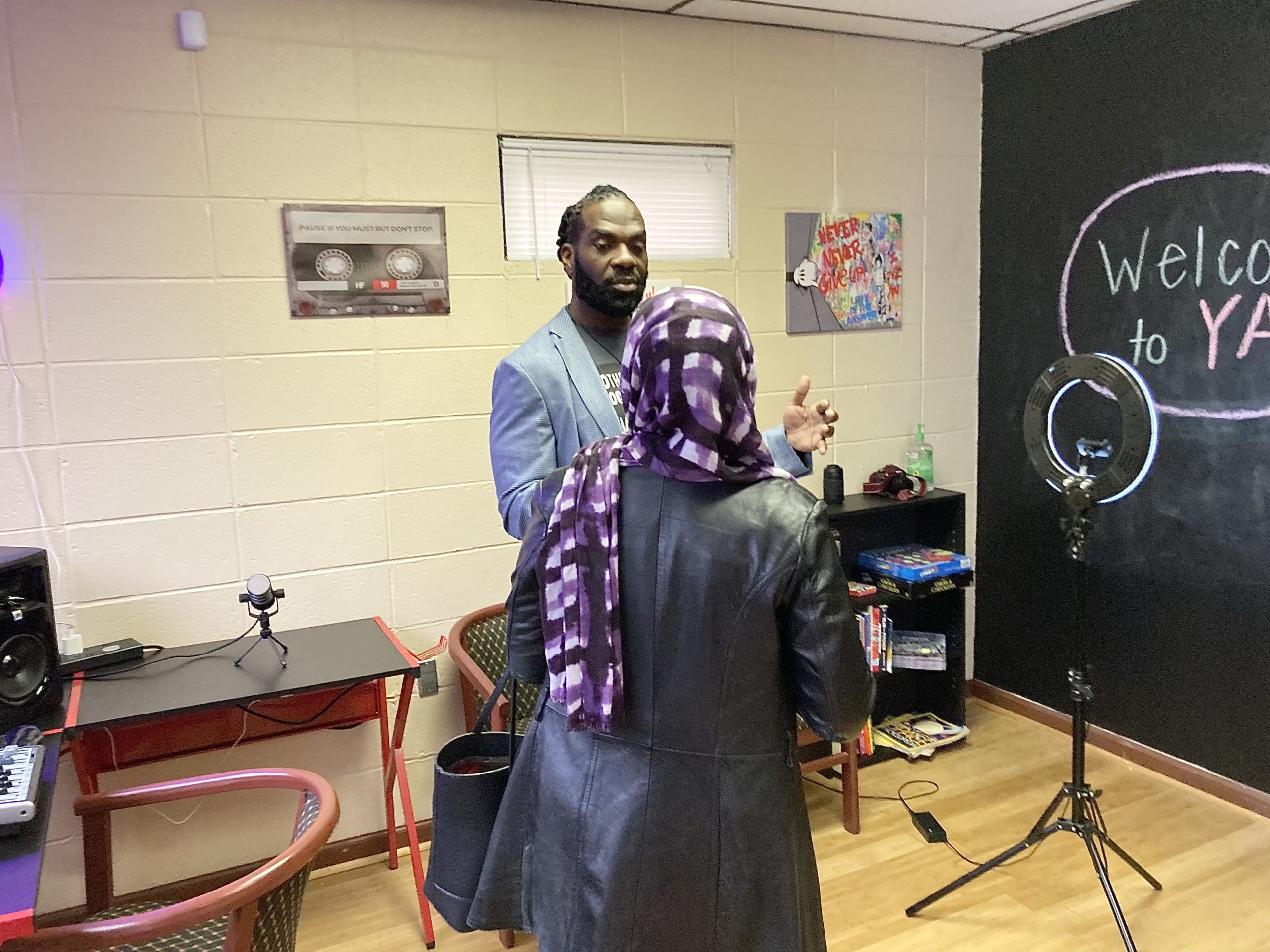
The Charlotte team is available for support and can help connect youth, families and residents to economic, educational, and emotional tools to achieve positive goals. The afternoon included light refreshments, neighborly support, and an opportunity to view YAP’s new office location on Beatties Ford Road.
YAP is a national nonprofit in 33 states and the District of Columbia that provides community-based services as a more effective alternative to youth incarceration and congregate residential care. YAP combines its wraparound services model with other evidence-based approaches to also provide alternatives to neighborhood violence.
To learn more about YAP visit yapinc.org and follow the nonprofit on Twitter @YAPInc.
Charleston and North Charleston Lowcountry Rising Above Violence Team Hosts Open House
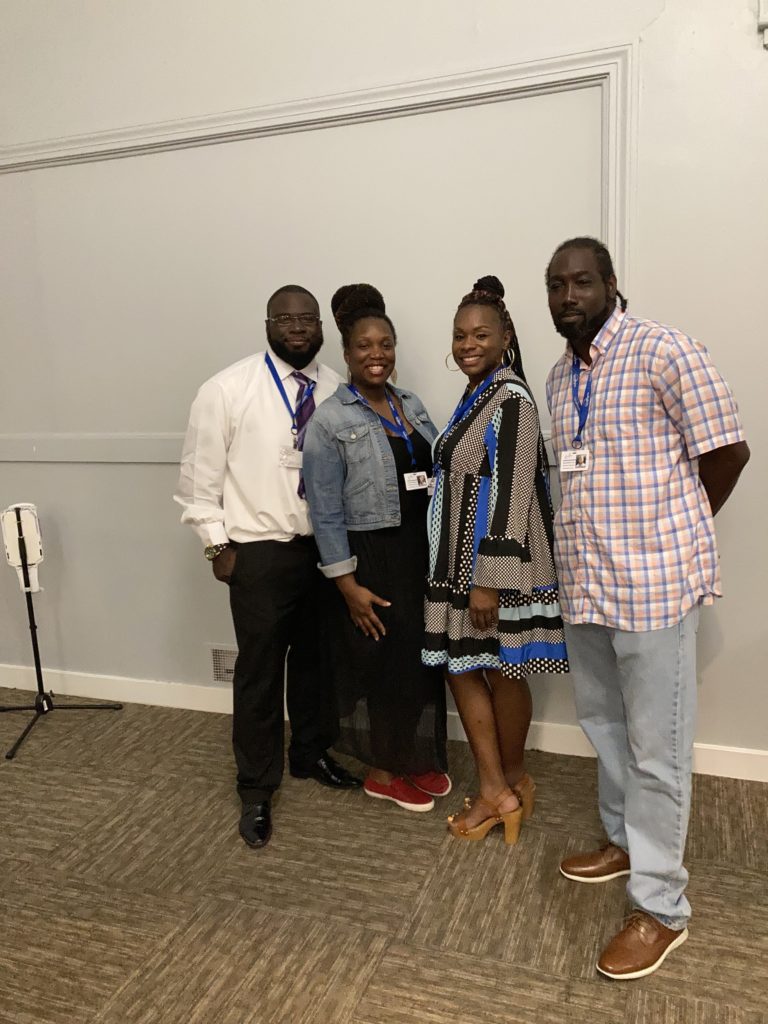
YAP Lowcountry Rising Above Violence Open House Photo Album
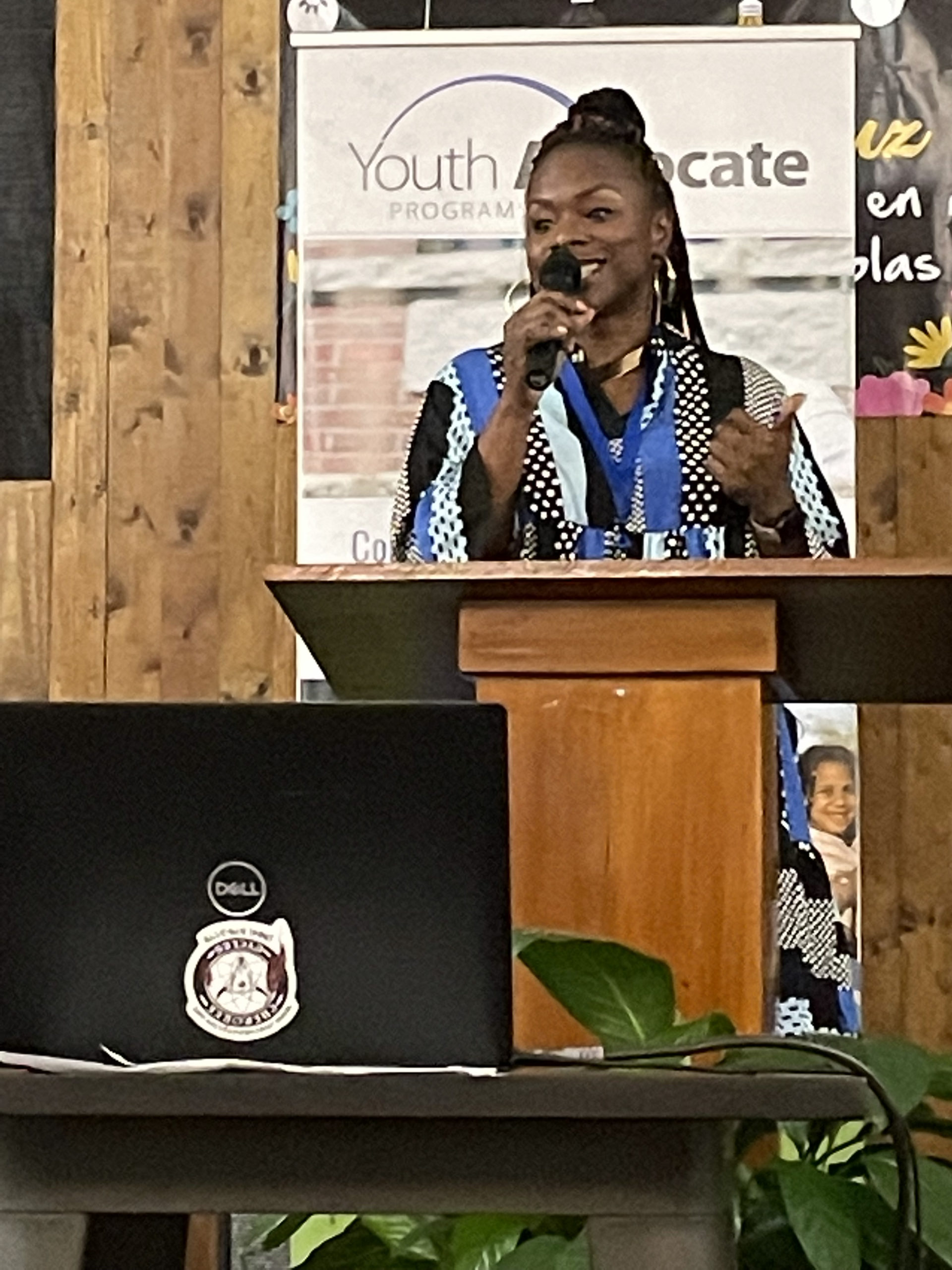
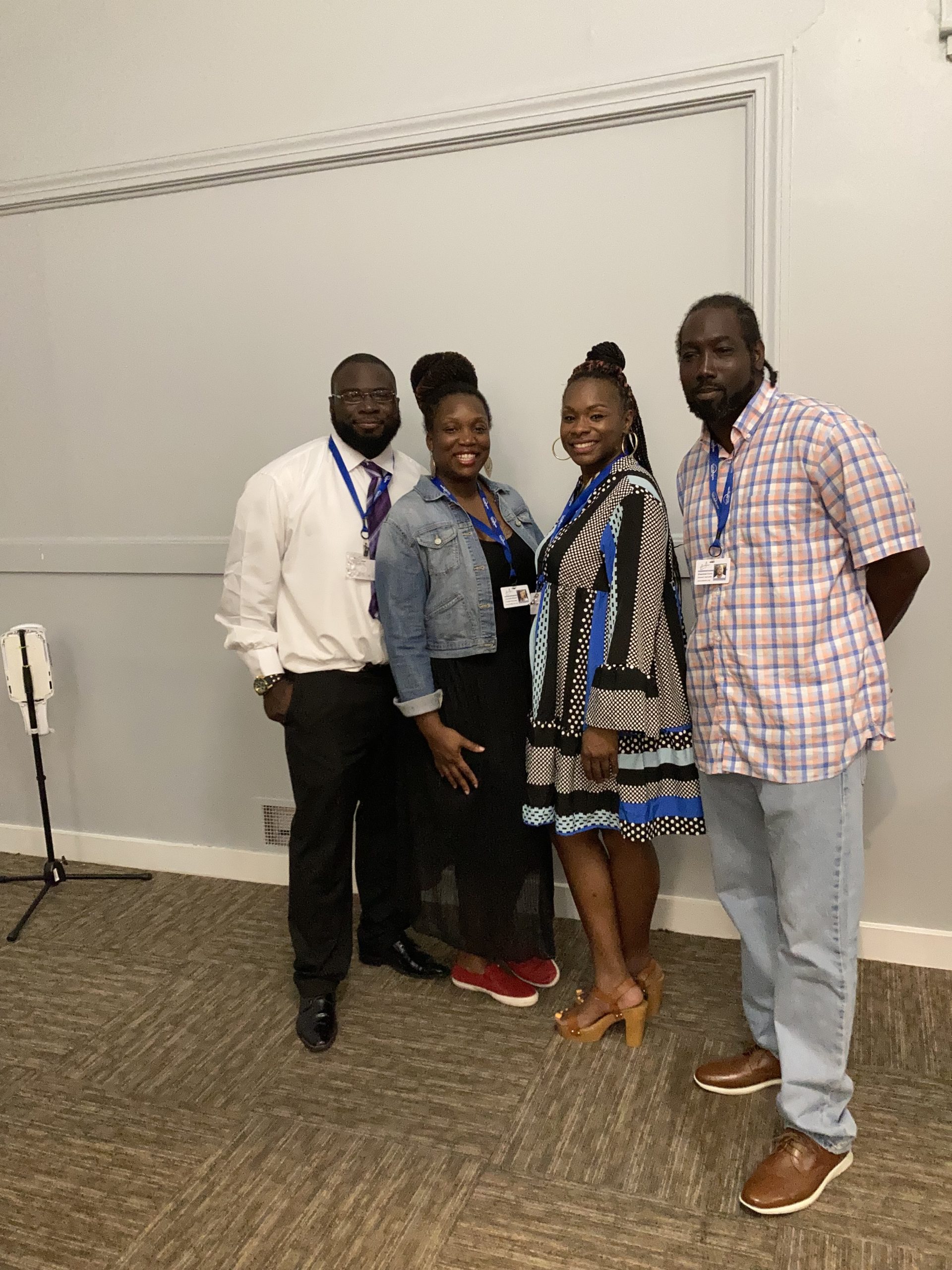


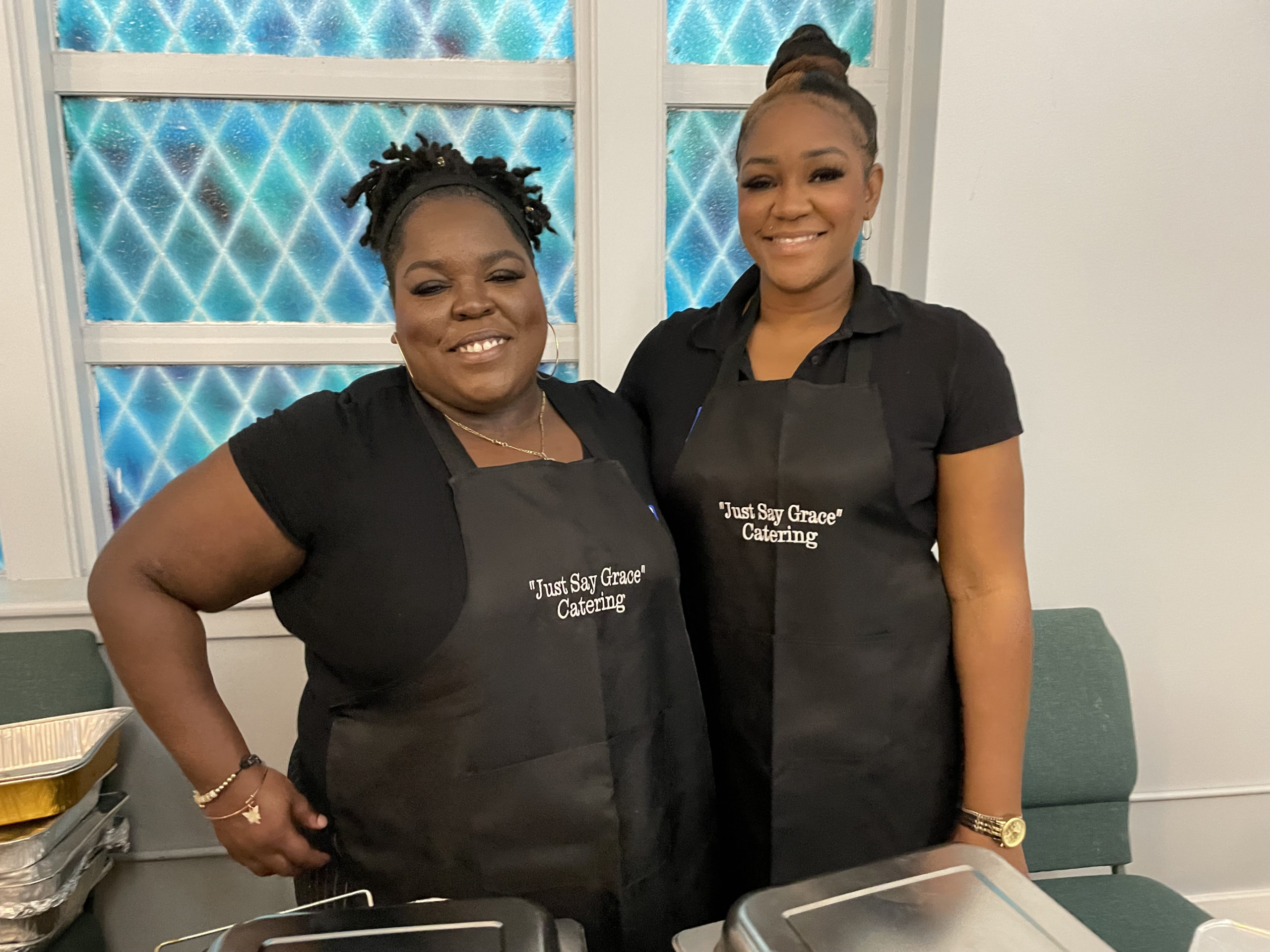
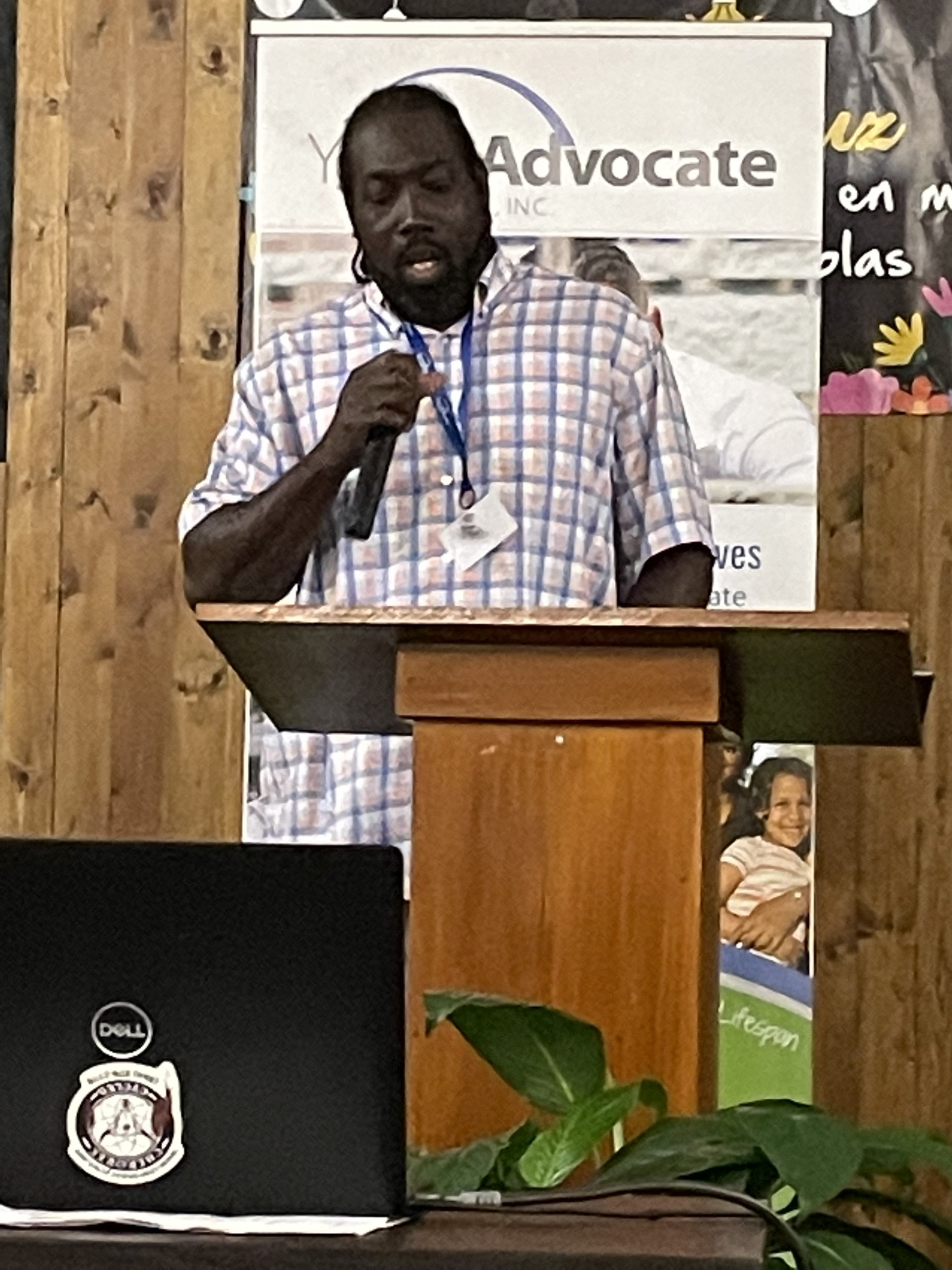


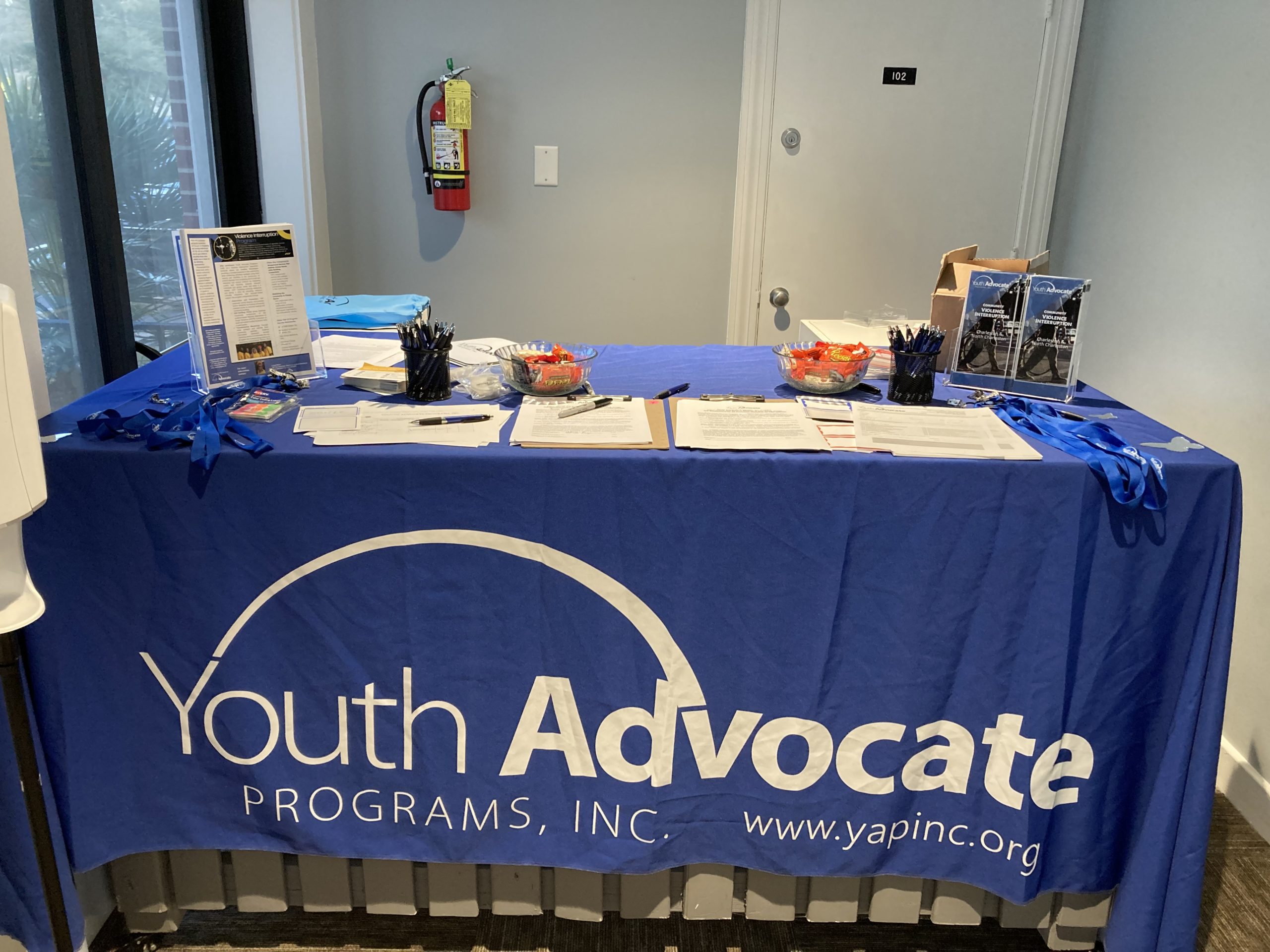
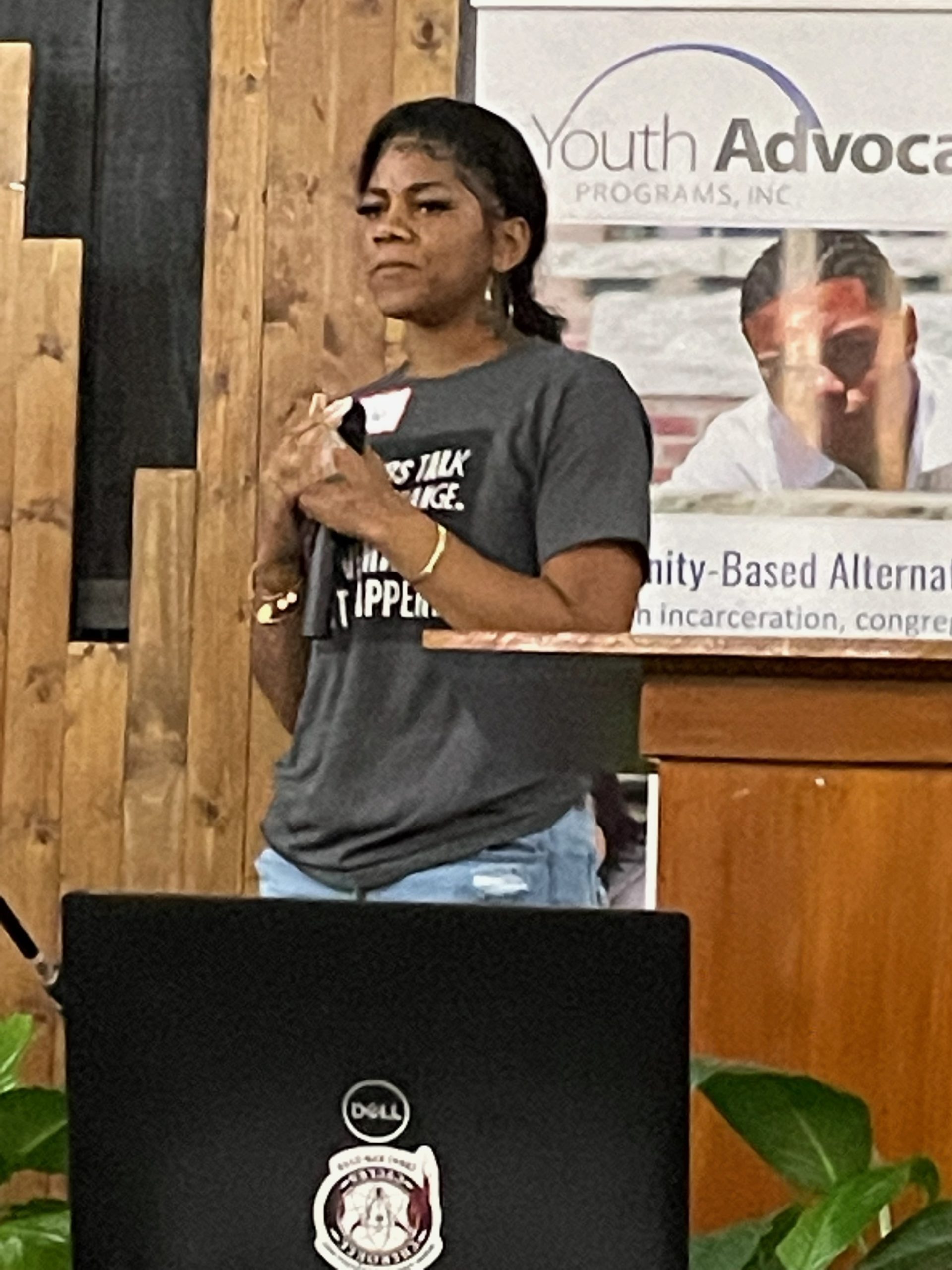
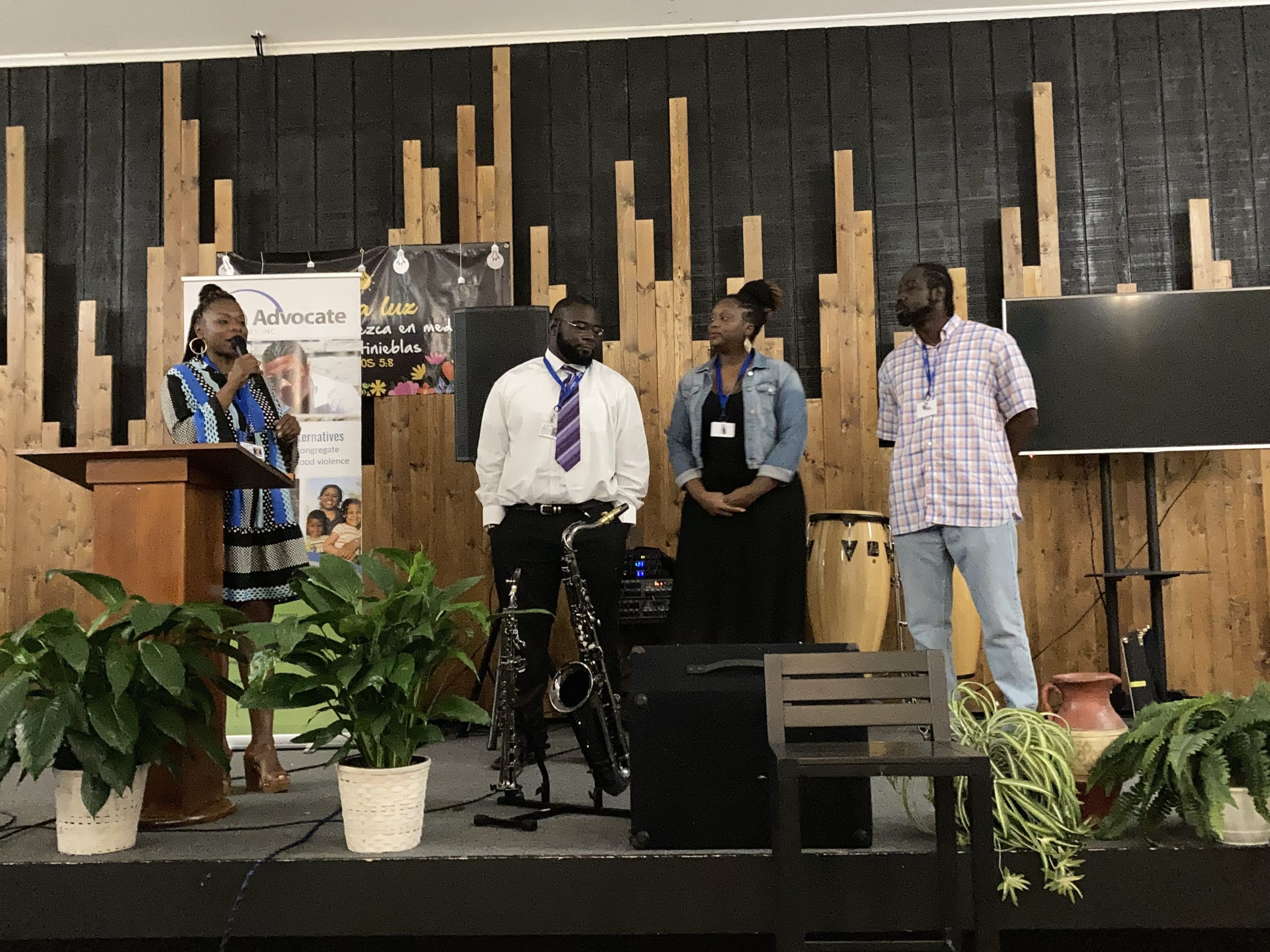
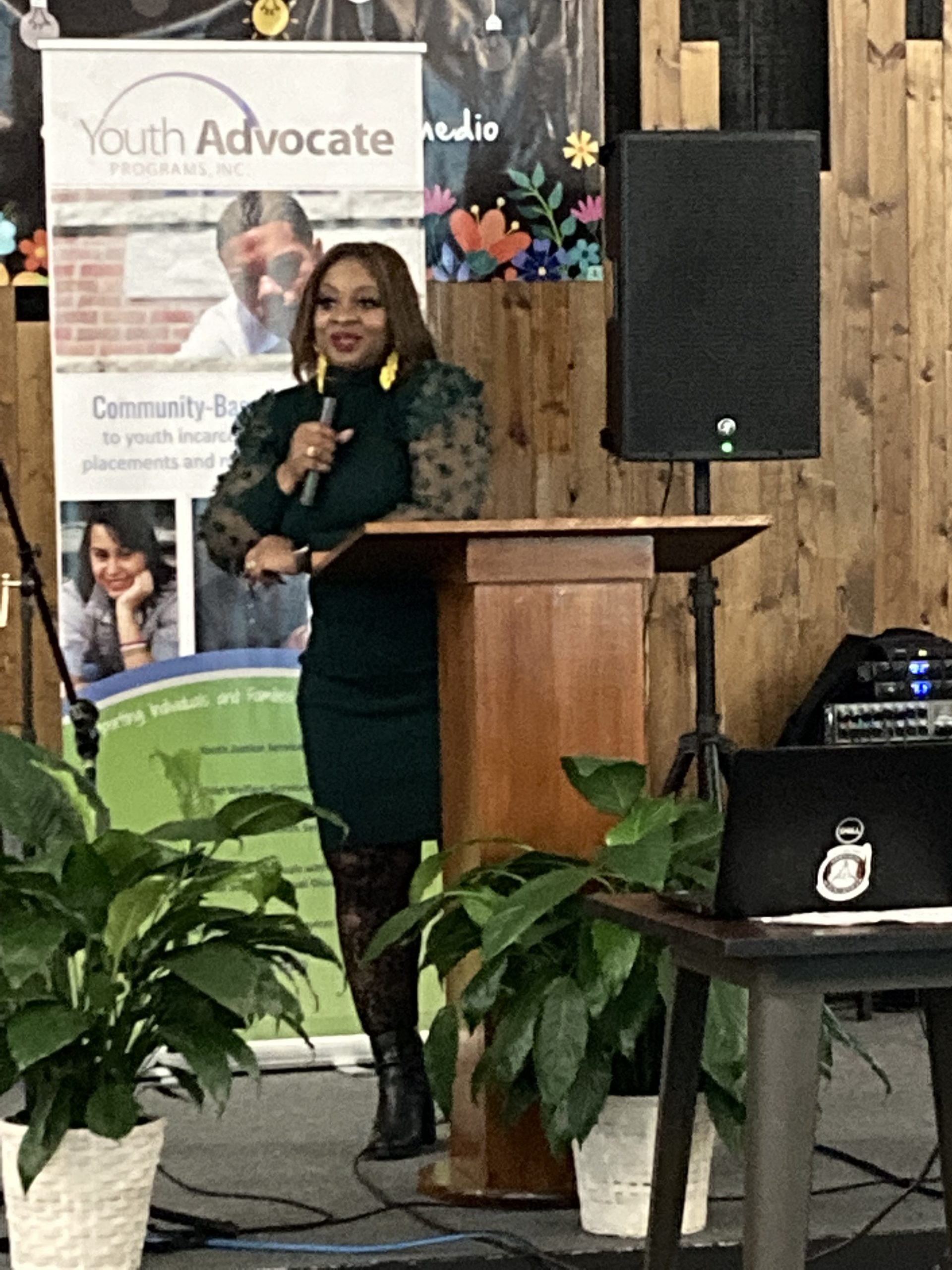

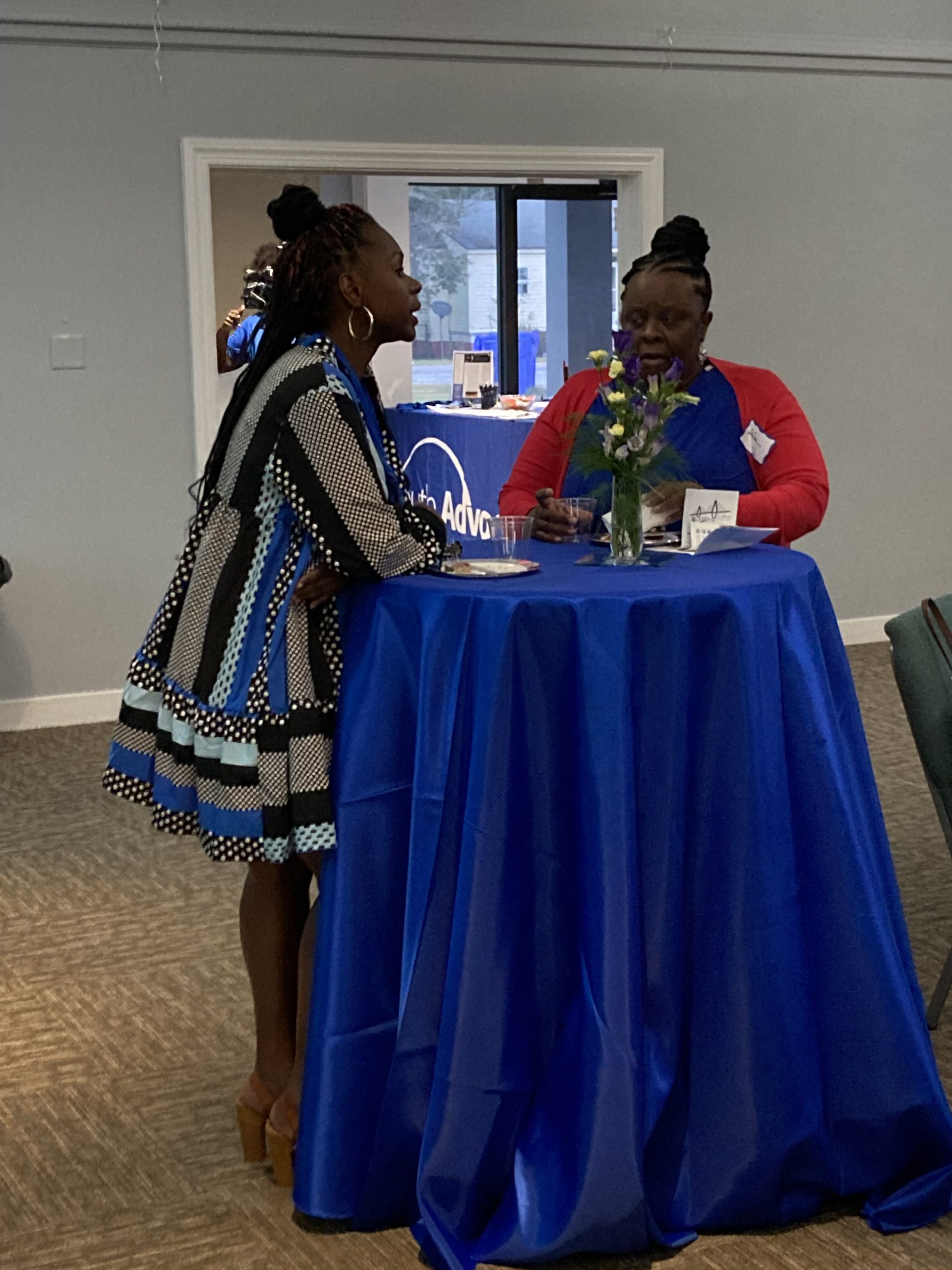
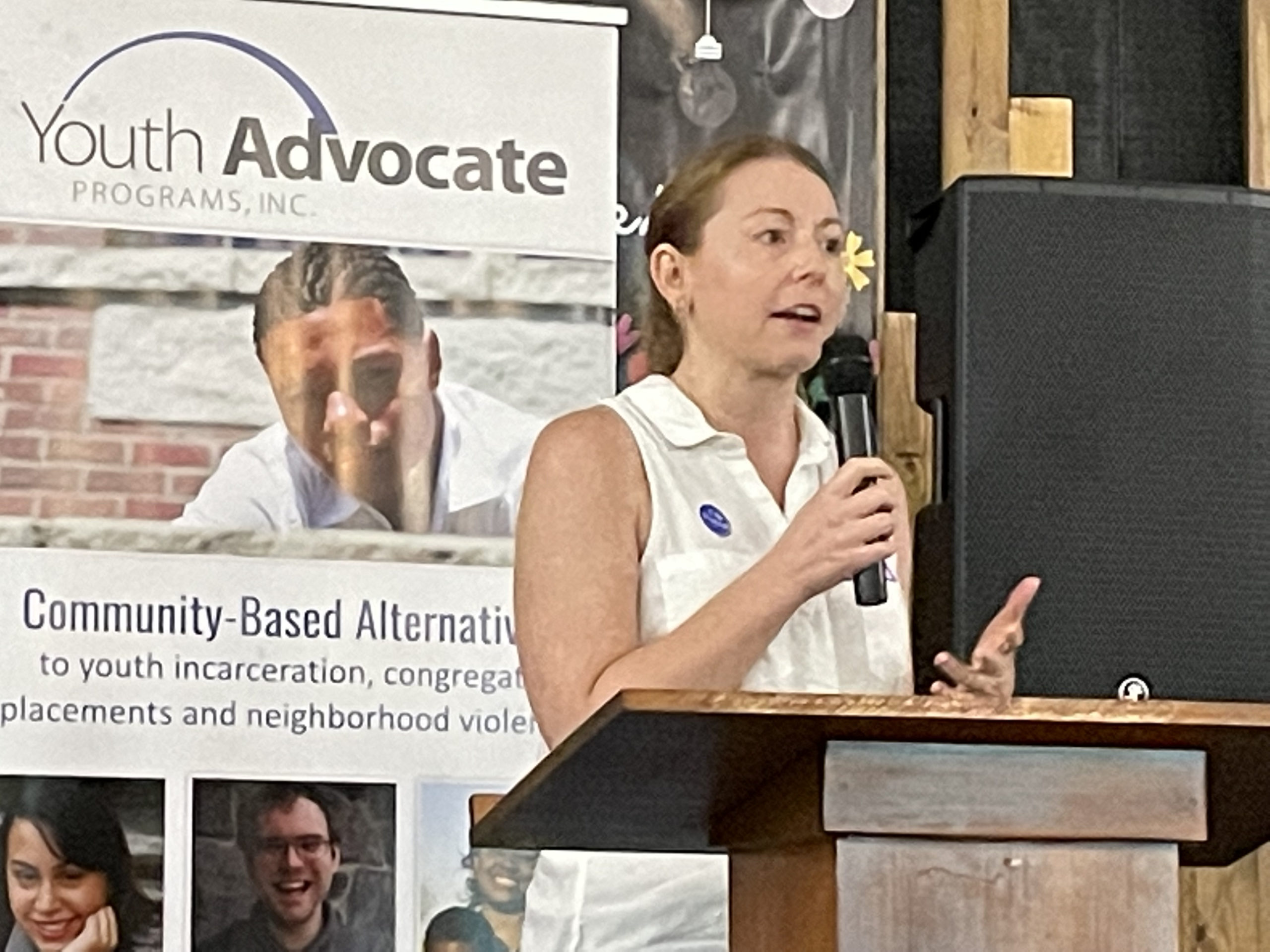
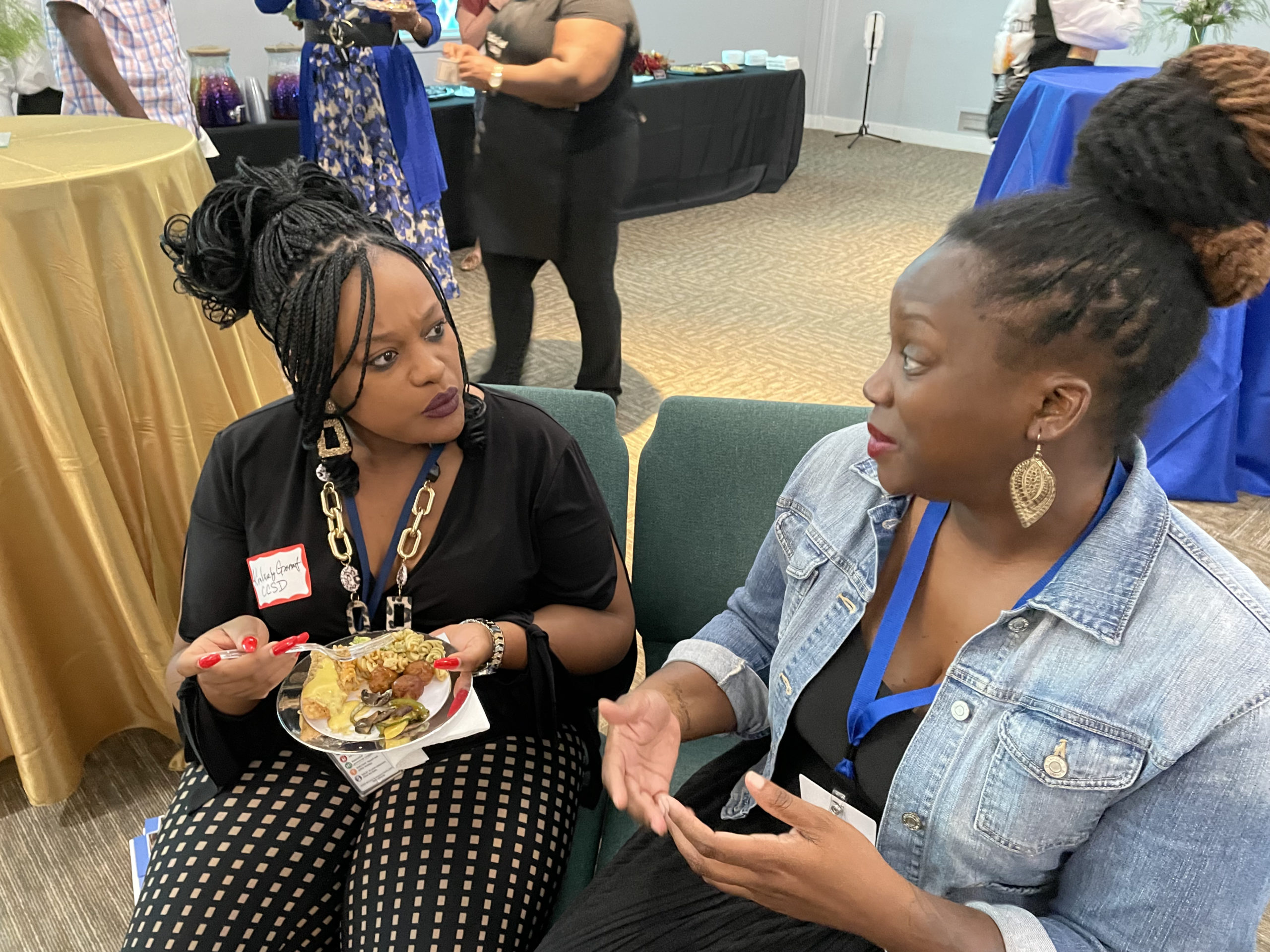
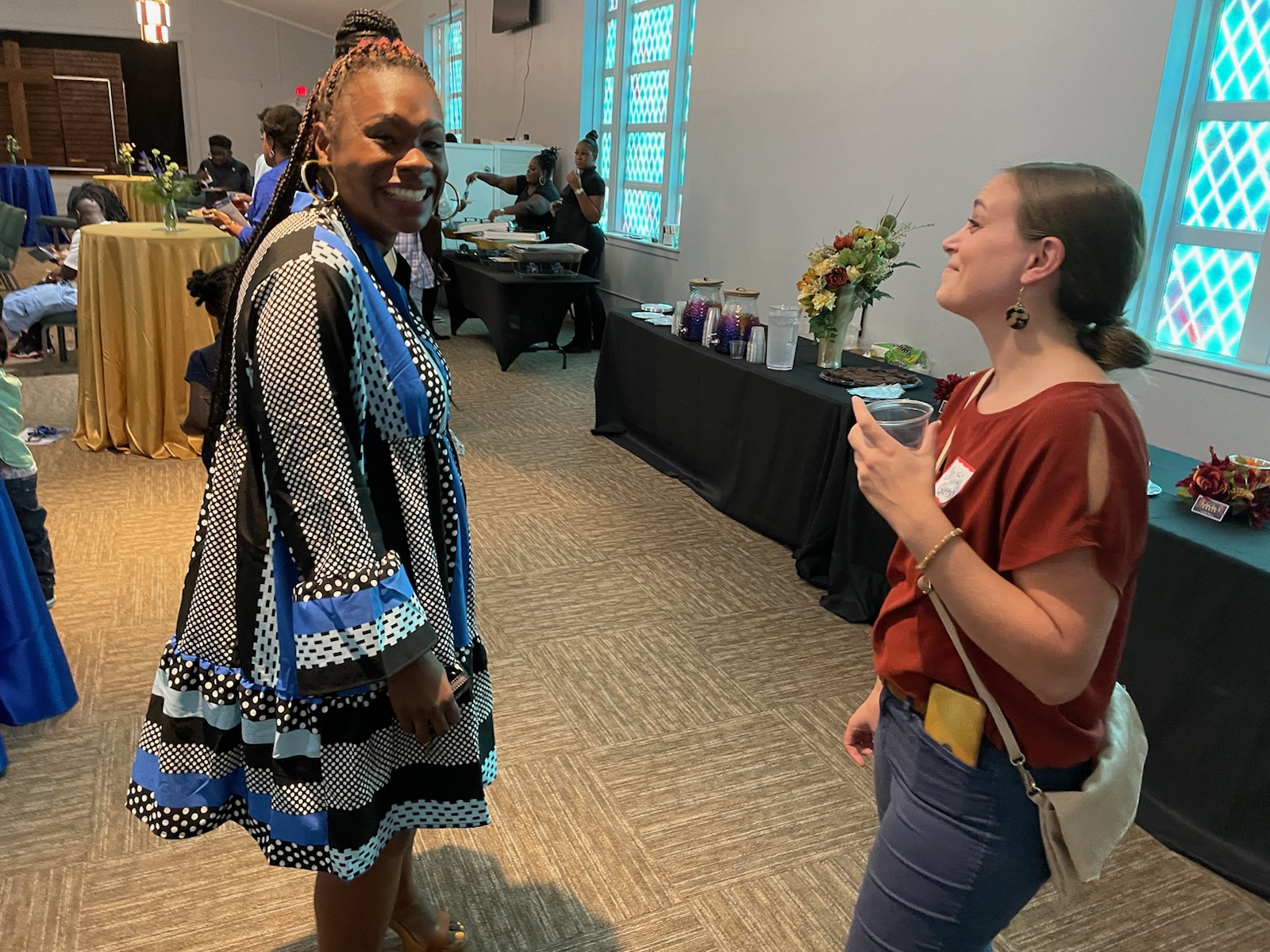
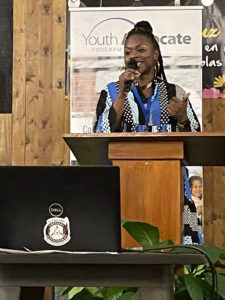


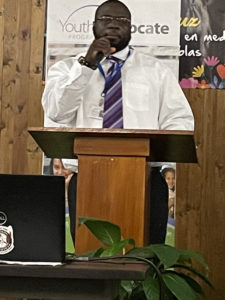


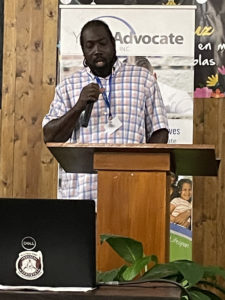
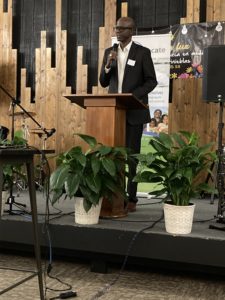
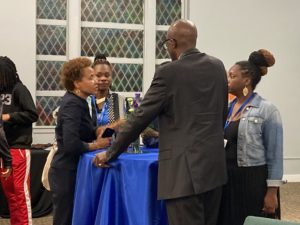
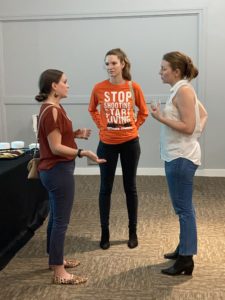


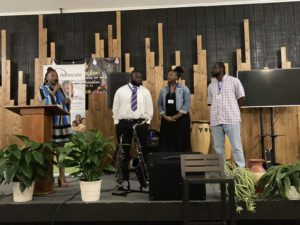

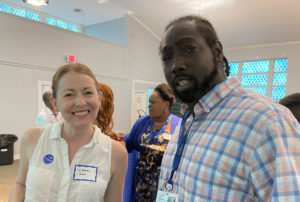
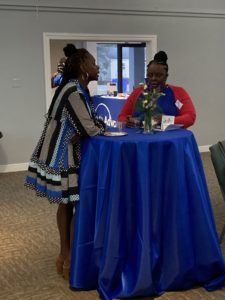
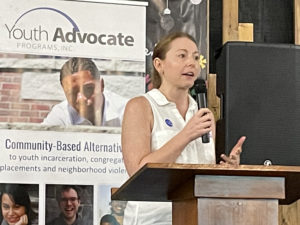

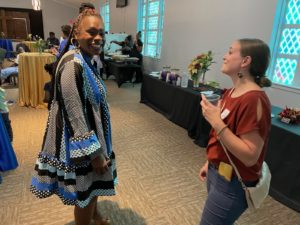
YAP Charleston County, S.C. – Lowcountry Rising Above Violence, Charleston’s new community violence prevention and intervention program, hosted an Open House to introduce themselves and the services they offer.
The program is staffed by employees of Youth Advocate Programs (YAP), Inc. through a partnership with the Medical University of South Carolina (MUSC). Funded by the Office of Juvenile Justice Prevention (OJJDP), the program is designed to help curb violence among young people ages 10-18 in Charleston and the North Charleston neighborhoods.
The program uses the Cure Violence Global model to detect and interrupt conflicts; identify and treat individuals at the highest-risk of violence engagement; and change social norms, while also delivering YAP wraparound services that empower youth and families with tools to nurture their strengths and put/keep their lives positive trajectory.
YAP is a national nonprofit in 33 states and the District of Columbia that delivers community-based services as a more effective alternative to youth incarceration and out-of-home placement. In recent years, YAP has combined its evidence-based model of hiring and training neighborhood-based staff with shared experience with other evidence-based approaches to help cities curb violence.
The YAP Charleston County team includes Site Supervisor Latoya Rivers, Credible Messenger Chantelle Mitchell and Violence Interrupters Shantone Curry and Cornelius Chisolm.
The team extends special thanks to Midland Park Ministry Center Pastor Jerry Zapata, Just Say Grace Catering by Sylvia Evans, Saxophonist Earl White, Jr., and Flowers by Eddie.
To learn more about YAP visit yapinc.org and follow the nonprofit on Twitter @YAPInc.
Instead of Incarceration, Karemma Got an Advocate and Turned Her Life Around
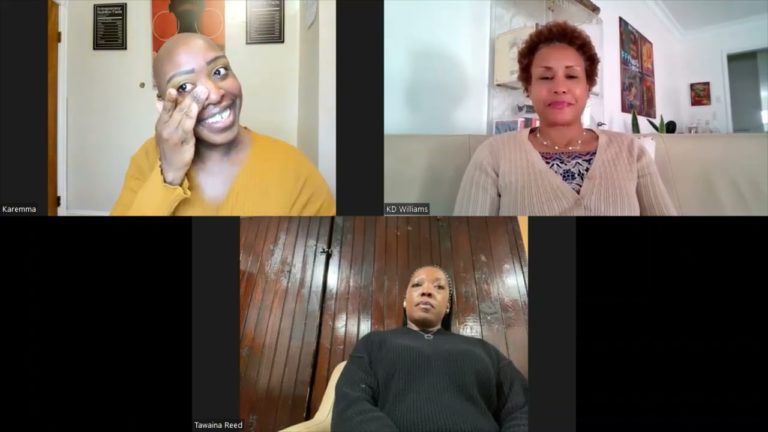

Karemma, a former program participant with Philadelphia Youth Advocate Programs (YAP), Inc., wants people to know that she’s living proof that there are effective alternatives to youth incarceration. YAP is a national nonprofit in 33 states and the District of Columbia that provides community-based services as an effective alternative to incarcerating or placing youth in congregate residential care. At a recent Philadelphia meet-and-greet, Karemma shared her story with Office of Juvenile Justice and Delinquency Prevention (OJJDP) Administrator Liz Ryan.
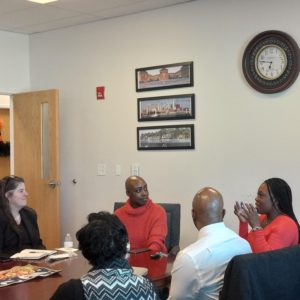
Later, she and her former YAP Advocate, Ms. Tawaina, met with theneighborhoodadvocate.org for a video interview. Learn more about YAP at YAPInc.org and follow the nonprofit on Twitter @YAPInc.
For Over 30 Years Patty Rosati Has Helped Lead the Fight for YAP’s Youth and Families

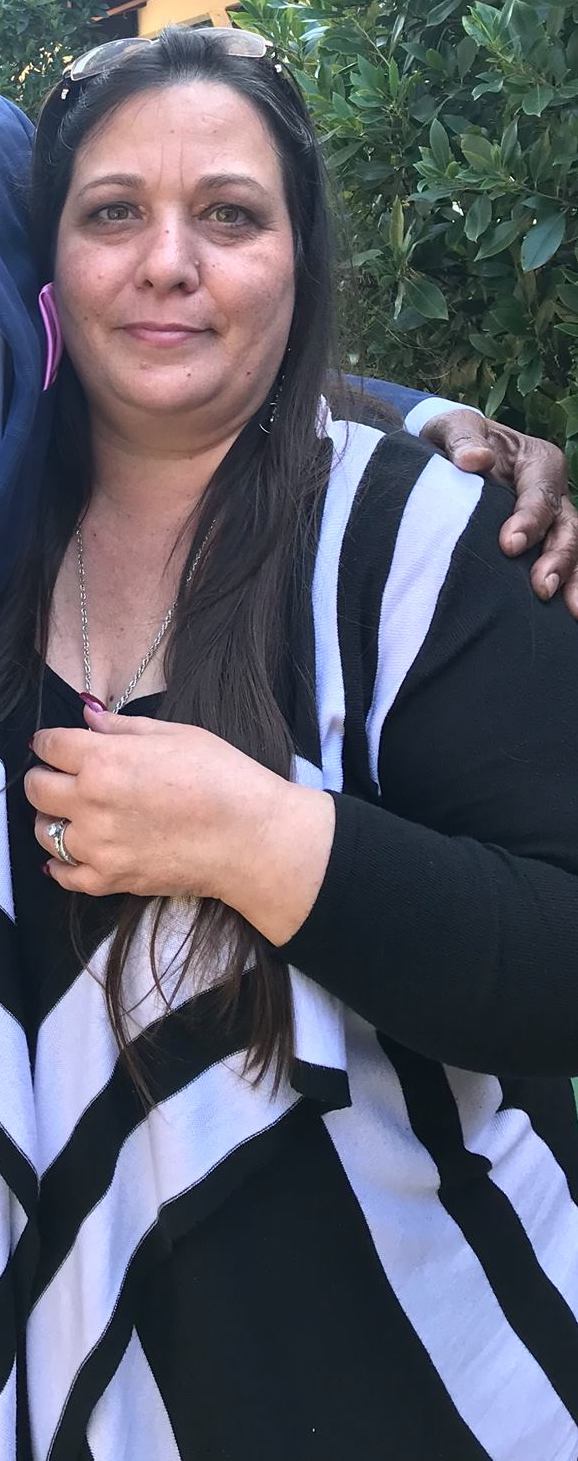
Patty Rosati is a no-nonsense leader who has been carrying out the mission of Youth Advocate Programs (YAP), Inc. for over three decades.
She started with YAP in Philadelphia, before serving as Regional Director of the Southwest and was then promoted to Vice President of the area. Most recently she was tapped as YAP’s Chief Impact Officer where she will lead several strategic initiatives across the national nonprofit and report directly to YAP President Gary Ivory.
“Patty will help to coordinate projects of strategic importance and she will help ensure, along with others, that YAP is a high impact organization by assuring that initiatives are done well and on time,” Ivory said. “This fits nicely into our emphasis on performance management and continuous quality improvement. I am pleased to have Patty work alongside me to advance YAP’s mission.”
 YAP serves 33 states and the District of Columbia, and has a 47-year history of providing community-based alternatives to youth incarceration, out-of-home child welfare, behavioral health, and intellectual disabilities placements. The mission of YAP is to provide care for youths and their families by connecting them to economical, educational and emotional resources so that they and their communities have safe alternatives to institutional placement.
Rosati called her transition “bittersweet” and feels fortunate to be playing a bigger role in helping the agency expand and provide excellent services to YAP’s youth and families. Rosati’s new duties will move her away from her team where she oversaw youth justice, child welfare and workforce programs in Nevada, Arizona, California, Kansas, Colorado and Utah.
YAP Yavapai County, Arizona Program Director Patty Delp said Rosati was the best leader and mentor she’s ever worked with in her career.
“It has been such a pleasure working with Patty Rosati. She brings her experience, intelligence and encouragement to our youth and families with every encounter,” Delp said. “Hands down, I have no doubt that with Patty’s support we will build sustainability and be here to do this important work for the long haul. Thank you, Patty, and best wishes in your new leadership role.”
YAP Southwest Regional Director Nyeri Richards agrees with Delp, adding that Rosati “leads with ethics and morals; above all, always displaying compassion and provides sound guidance from an impartial lens.”
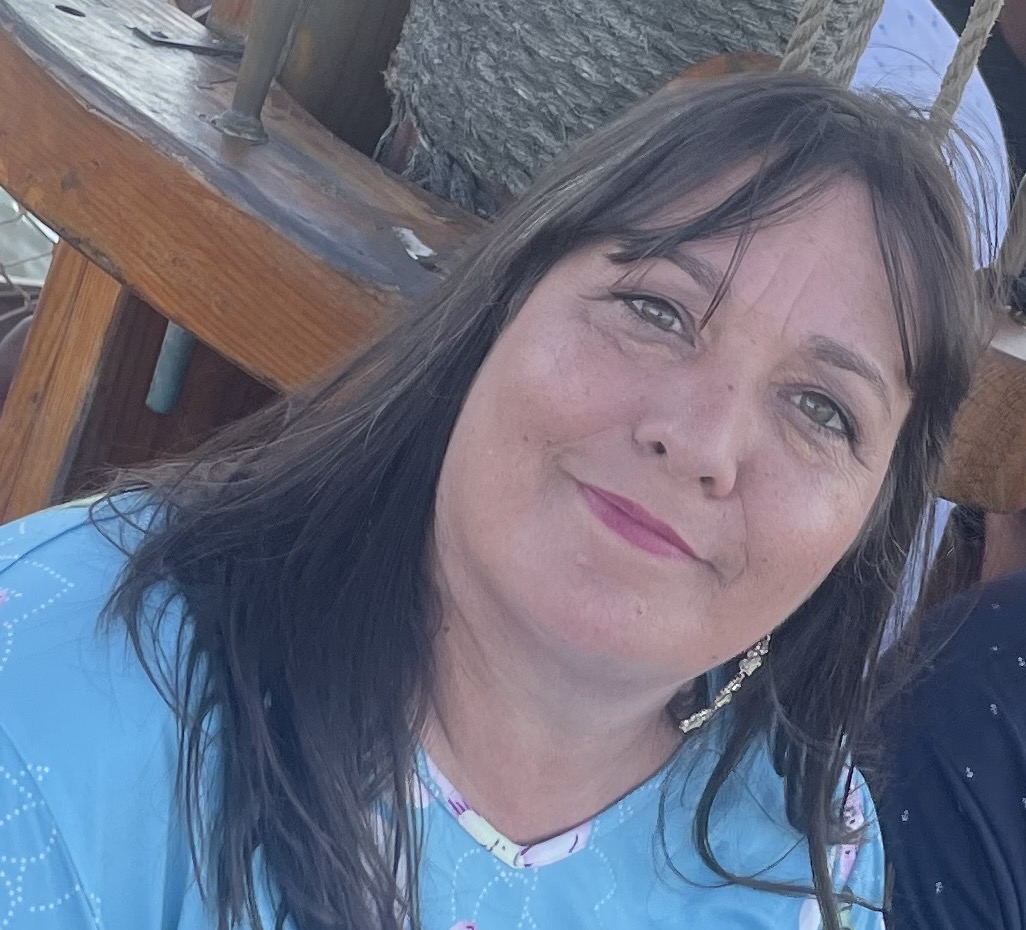
“When you see someone with such a commitment to the mission, agency, and her team receive her flowers, you can’t help but be emotional,” Richards said. “I am proud to have served under her and to call her my mentor.”
In addition to her dedication of YAP’s mission, Ivory said Rosati rose to leadership roles because of her amazing skills and tireless work ethic.
“Patty knows YAP’s model well and has been relied upon to train other leaders across the organization,” he added. “She will continue to work with leadership nationally.”
Learn more about YAP at www.YAPInc.org and follow the organization on Twitter @YAPInc.
Credible Messengers Help Utah Youth Justice-Involved Kids Thrive
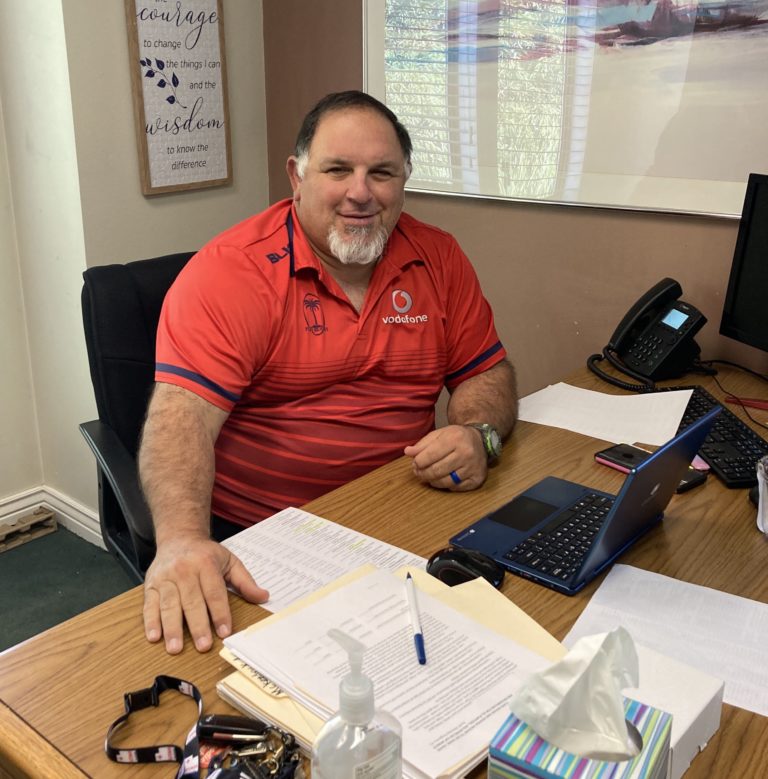
Utah – Helping a program participant get a conspicuous tattoo covered up and assisting another youth with getting a mole removed from his face – are just some of the ways Utah’s Youth Advocate Programs (YAP), Inc. credible messengers go above and beyond to help program participants.
The Utah YAP Credible Messenger program connects youth justice system-involved young people with credible messengers, also known as Advocates, who are trained to help program participants see and nurture their strengths. The credible messengers provide individualized services to the youth and their parents/guardians, connecting them to economic, emotional, and educational tools to help them thrive. Utah’s program spans across four counties — Weber, Salt Lake, Davis, and Utah County.
YAP is a national nonprofit in more than 100 communities in 33 states and the District of Columbia that provides community-based services as an alternative to youth incarceration, congregate out-of-home placement and treatment. YAP also partners with public safety systems to combine the nonprofit’s unique wraparound services approach with other evidence-based models to reduce violence. Utah’s Credible Messenger program is a partnership with the Division of Juvenile Justice and Youth Services, which refers youth to YAP for community-based services.
“We have a great relationship with our referring authority,” said Director Nathan Badell. “They are totally committed to helping the youth of Utah reclaim their lives and put their past behind them and move on.”
The program has five full-time and five part-time staff members, most of whom are from the neighborhoods where the YAP participants live.
“The people we have working here are committed to youth,” Badell said. “It’s not your typical credible messenger program,” he added, explaining that the staff’s credibility comes from their shared lived experience with program participants for whom they provide wraparound advocate services.
“Utah’s DJJS has some of the most progressive and passionate staff I have had the pleasure of working with in my 33 years here at YAP,” said YAP’s Chief Impact Officer Patty Rosati who oversees Utah. “They truly get it, and they know their kids deserve ‘a seat at the table.’ I am so impressed by Brett Peterson (Director of Utah DJJS) and his entire leadership team. They know all their youth by name and situation.
YAP Advocates or credible messengers are invested and go out of their way to help the youth and their families, says Office of Community Programs Director Rachel Edwards of DJJS.
“For example, Nathan Badell went and purchased a graduation dress for a youth who earned her diploma and was able to attend the graduation ceremony as well. It has been a great partnership.”
Jill McKinlay, program director of DJJS’ Office of Correctional Facilities said they have been impressed with the credible messengers and their relationship and rapport with the youths.
“One specific example of this is during our Youth Parole Authority Hearings, credible messengers are oftentimes there to support and advocate for our youth,” McKinlay said. “This can be a stressful time for these youth and the presence and support of their credible messenger is really noticed and appreciated. It’s one more person in their corner cheering them on.”
Advocating for Youth and Families
Badell was born in Chicago and grew up in Delaware. He attended college in Utah, and returned to Delaware for 25 years before moving back to Utah. Before joining YAP, most of Badell’s experience was working with foster youth, former foster youth, and young people in traditional and independent living.
“One of the most frustrating things for me personally was we would take care of these children and help build their resilience and my biggest issue was the youth made progress, but the families hadn’t,” he said. “The kids were removed from these unsafe conditions then they were returned to the same dysfunctional families they were removed from.”
That is the main reason, Badell said, that he enjoys working with YAP because it not only helps youth, it also helps their families; that the organization’s mission aligns with his personal beliefs.
“I always felt like we could do more to help the families. Why can’t we invest in the family? It’s a lot cheaper to do that than it is to do foster care,” Badell added. “The government never does a good job at raising kids or families. That always bothered me.”
The Delaware native said he can’t believe it took him so long to find YAP.
“For a lot of these kids their families are hardworking blue collar families and the youth either made a mistake or got involved in gangs or hustling both to support their families and to buy stuff,” Badell said. “I really enjoy what I’m doing, and I get to help several communities in Utah.”
Now that he’s got a year under his belt, Badell credits Rosati and Regional Director David Glenn, for being supportive and helping to coach him through his first 12 months matriculation at YAP.
Glenn said when youth leave secured facilities they often go back to homes and communities where they previously failed, adding, “Utah and YAP understand that relationships and planning need to start before release and continue through the community reintegration process. That’s what makes this partnership so amazing. We can help youth rejoin the community and thrive.”
Badell agrees.
“Helping families ultimately helps communities,” he said. “I am thrilled to be a part of this organization. I am fully committed to being a Yapper for life.”
Learn more about YAP at www.YAPInc.org and follow the organization on Twitter @YAPInc.