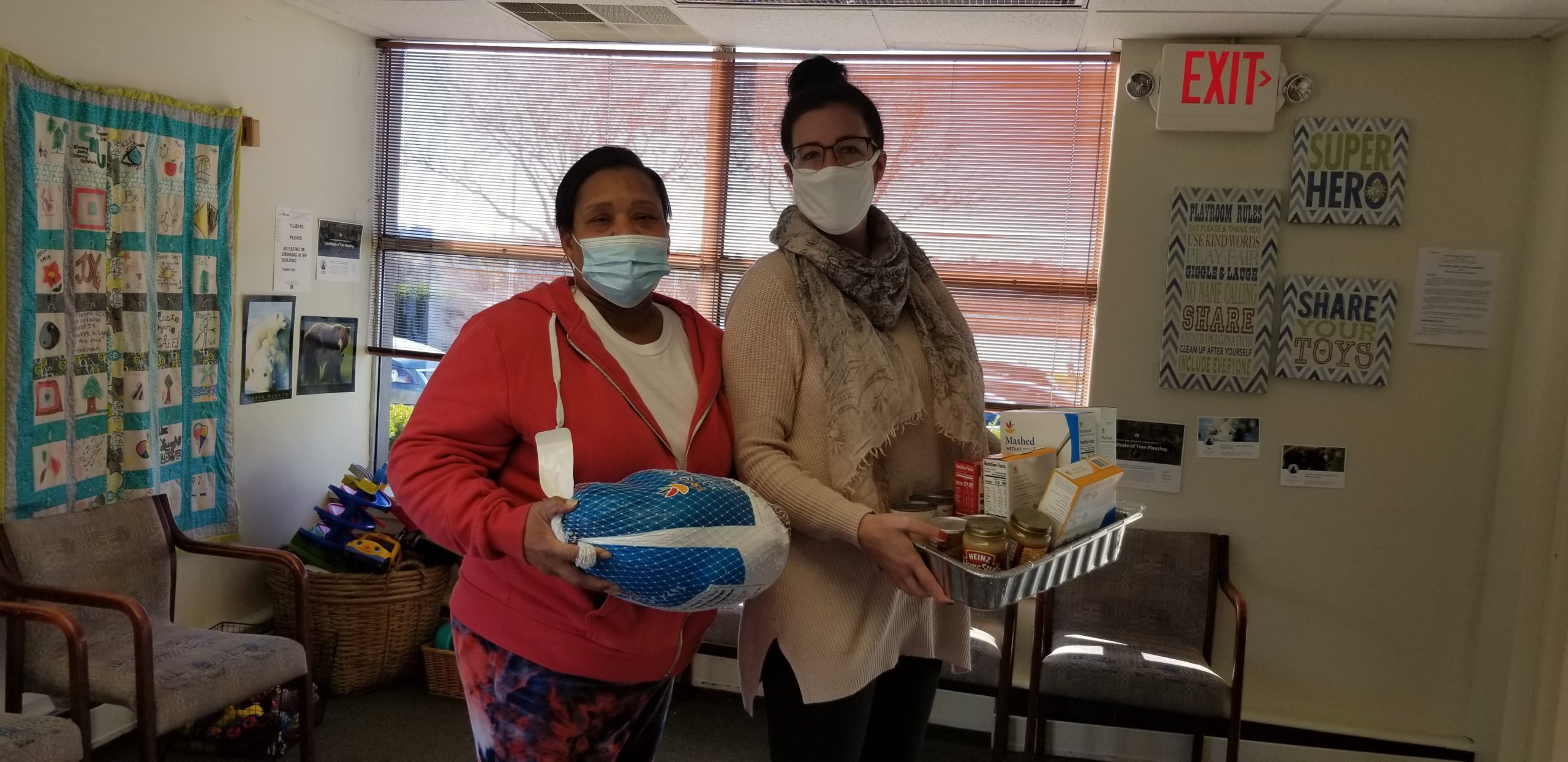
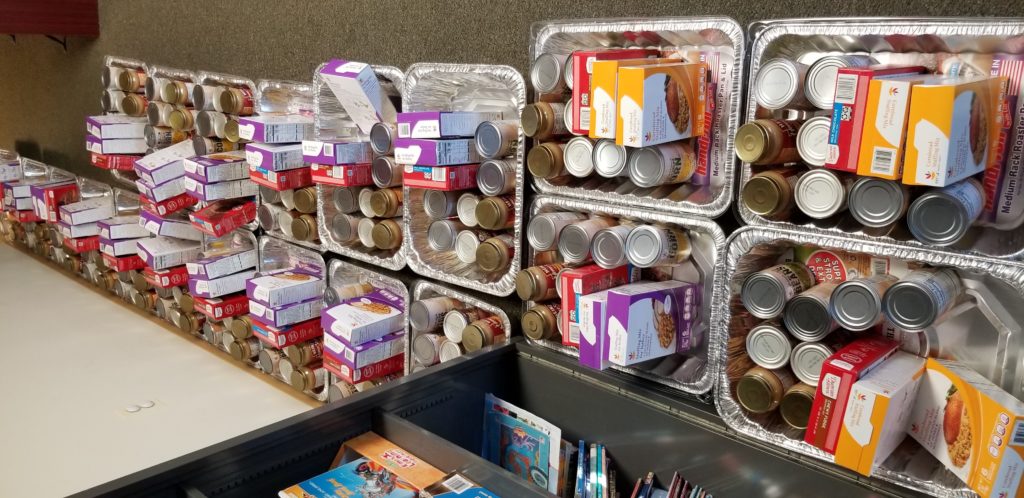
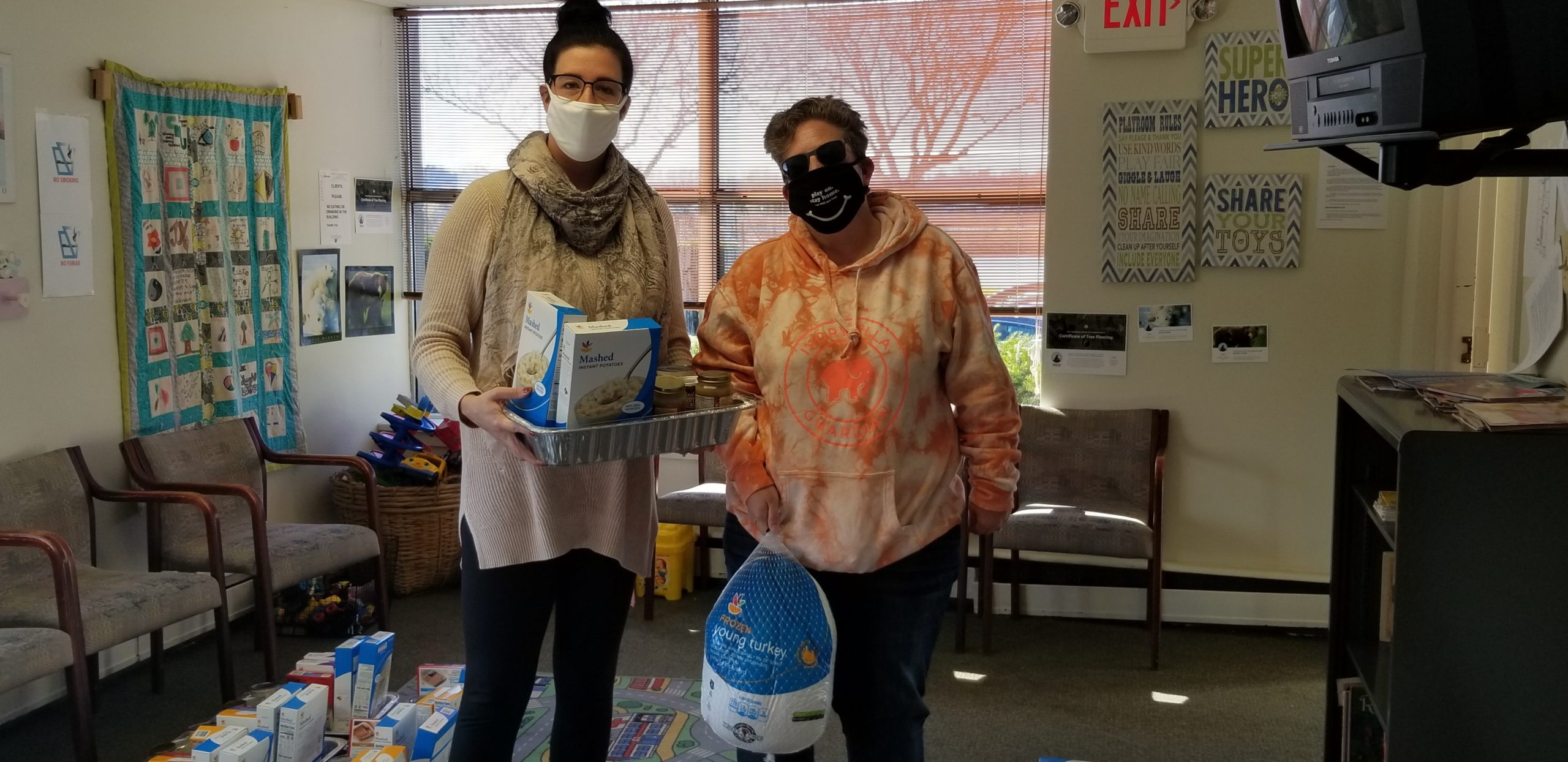
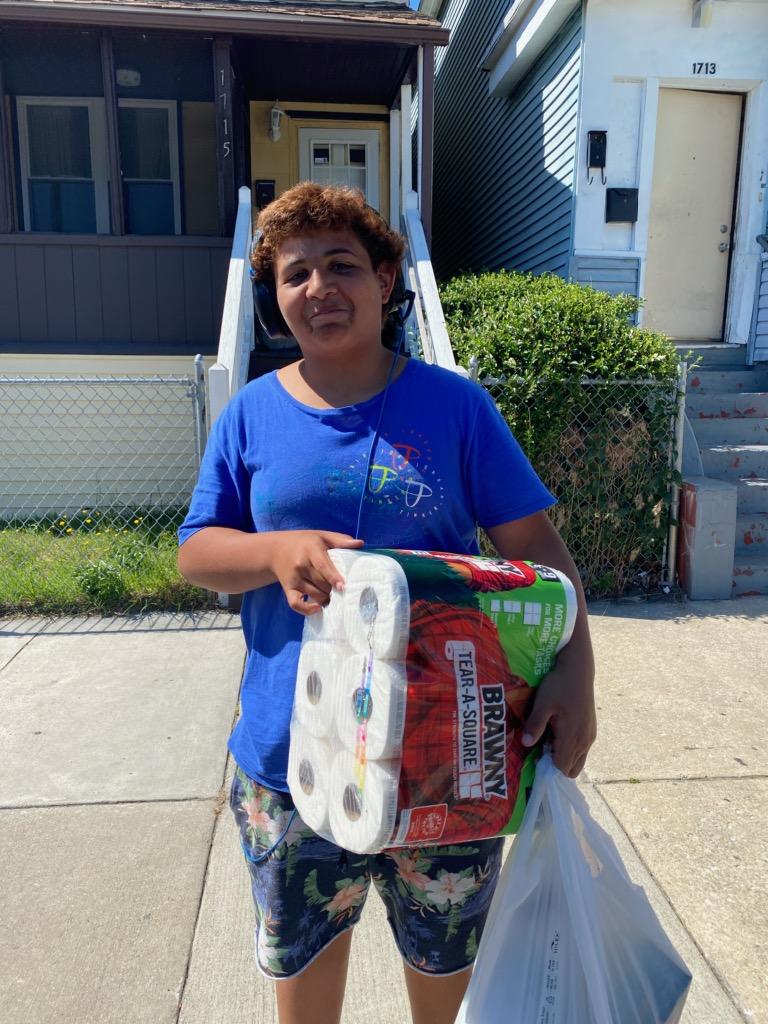
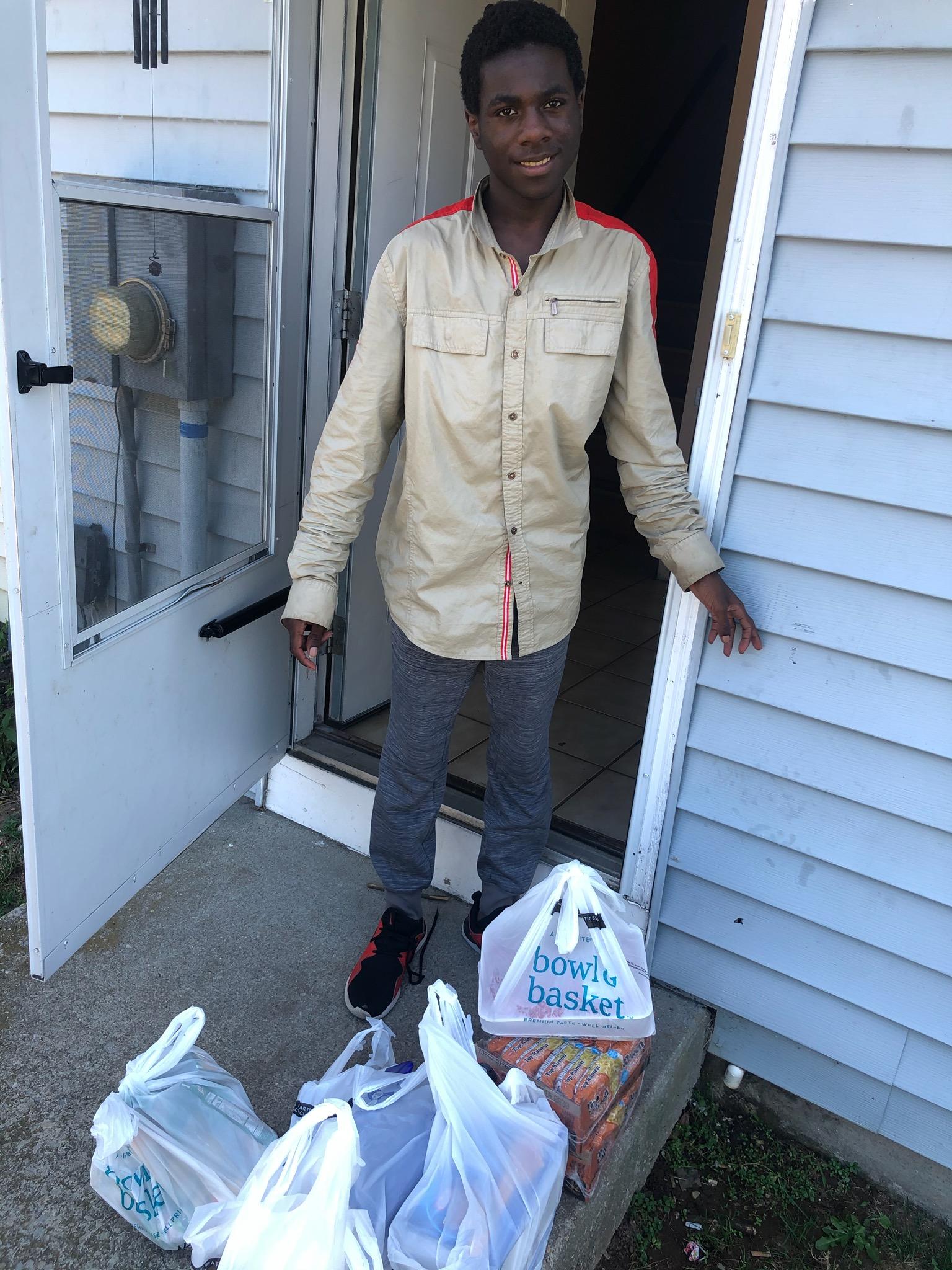
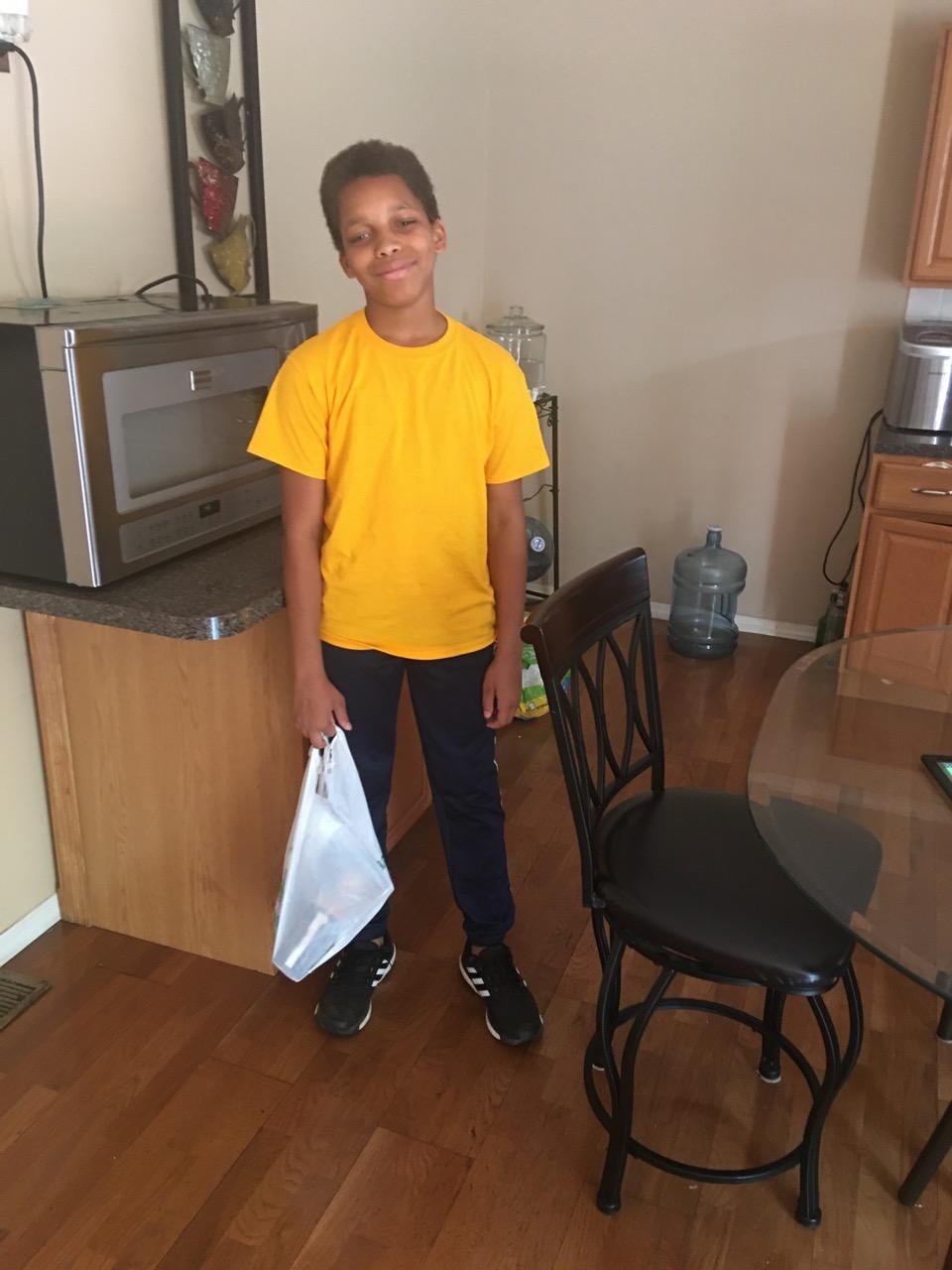
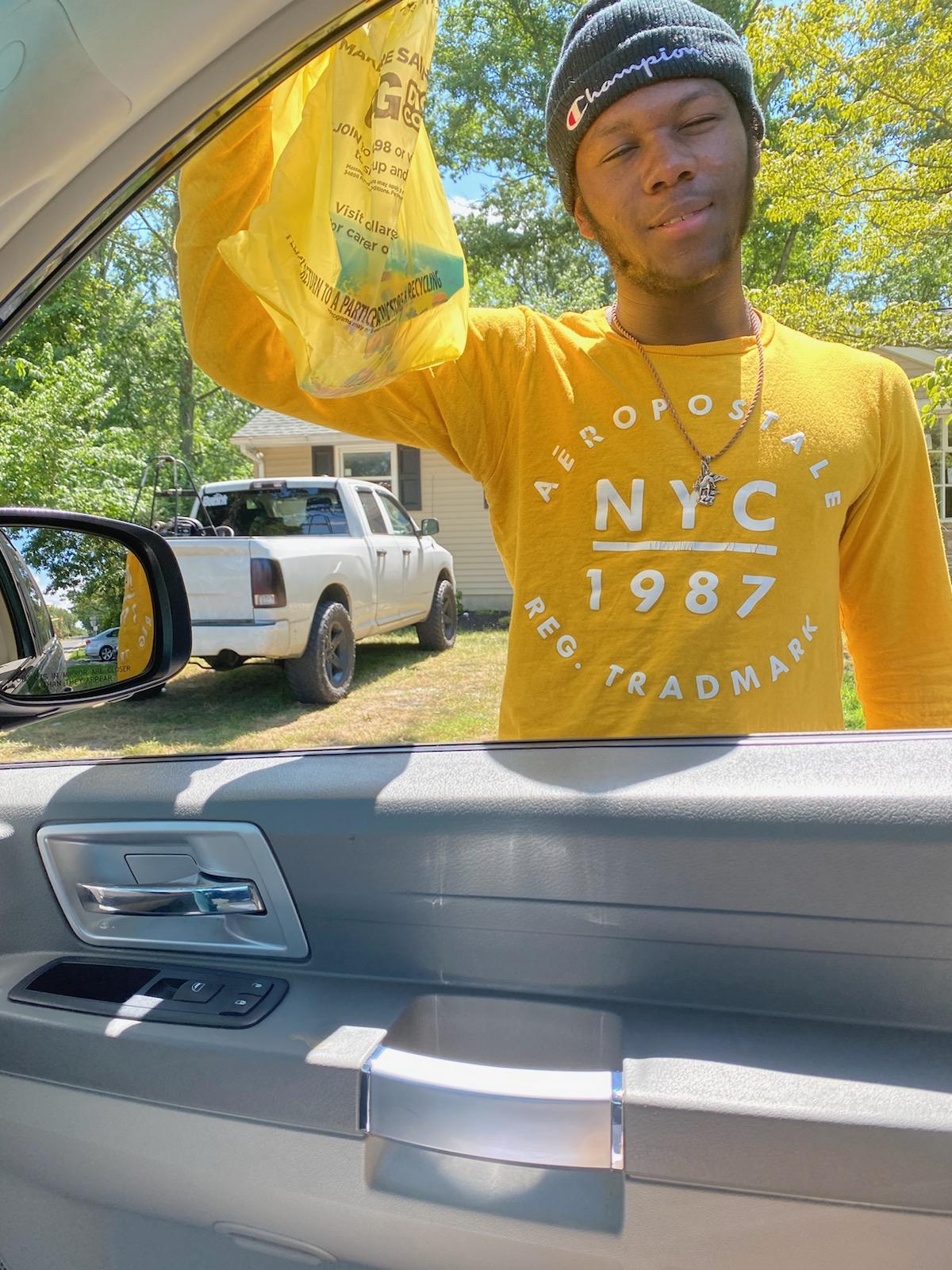
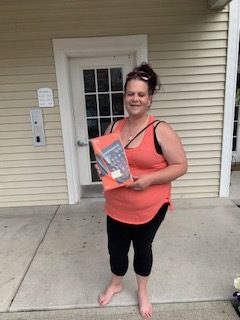
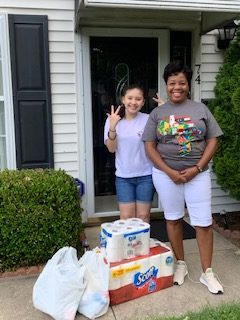
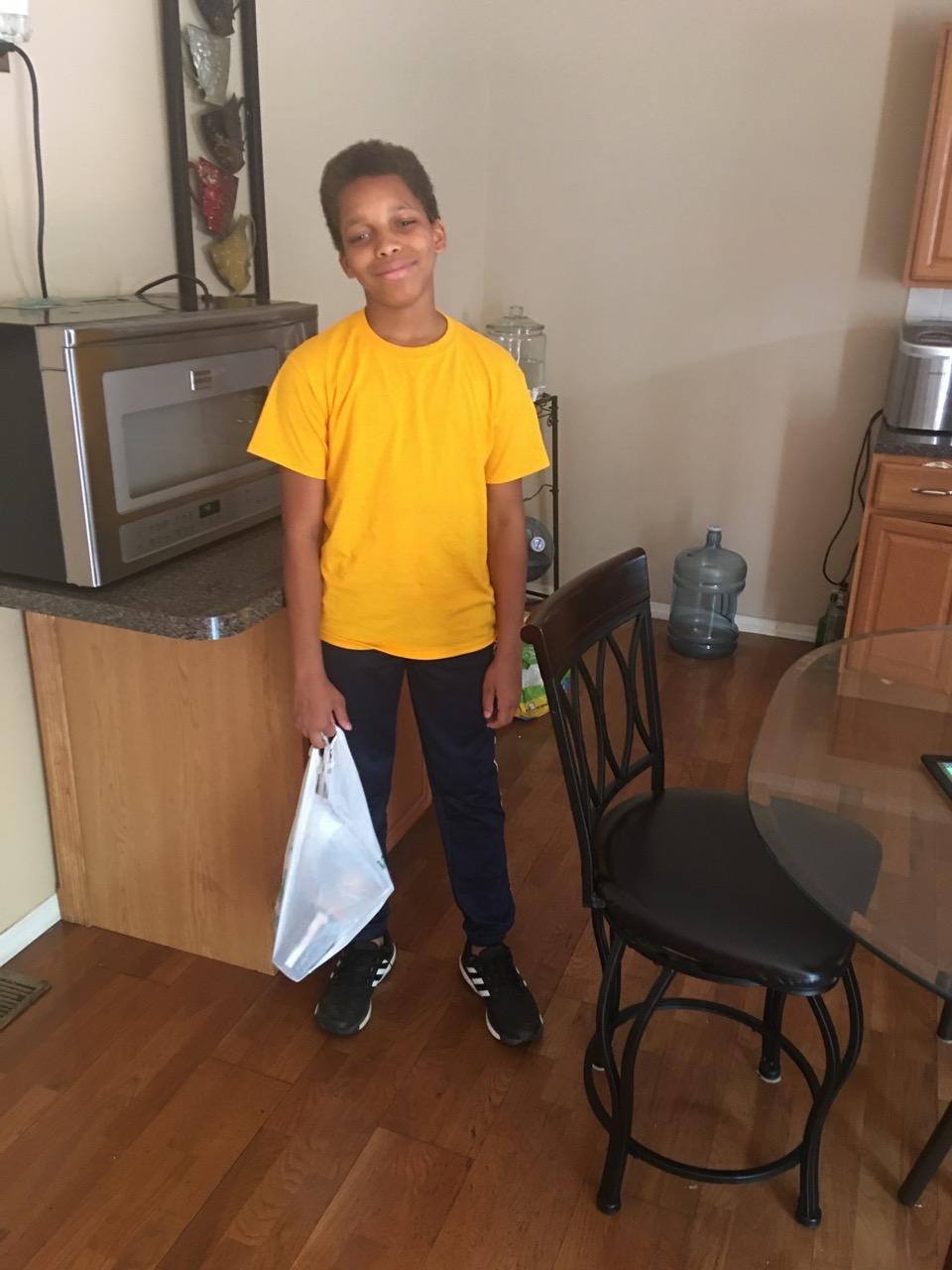
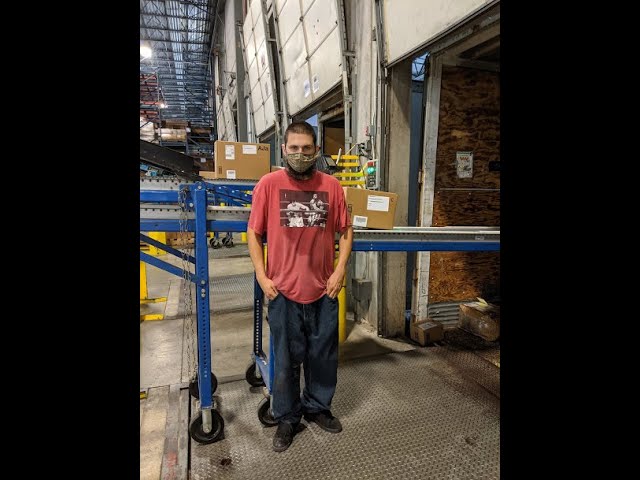
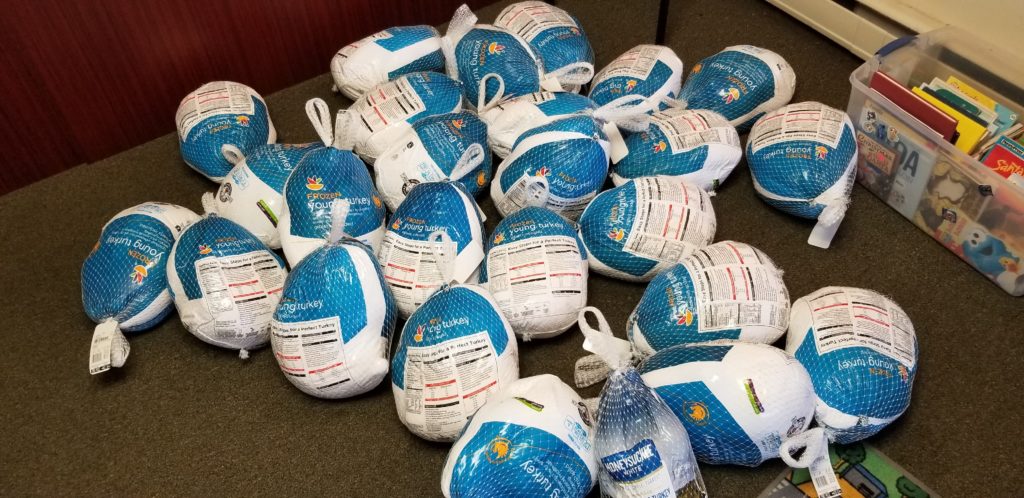
Some Central PA families will be safely home and eating well this Thanksgiving thanks to a special delivery from some Youth Advocate Programs (YAP), Inc. employees.
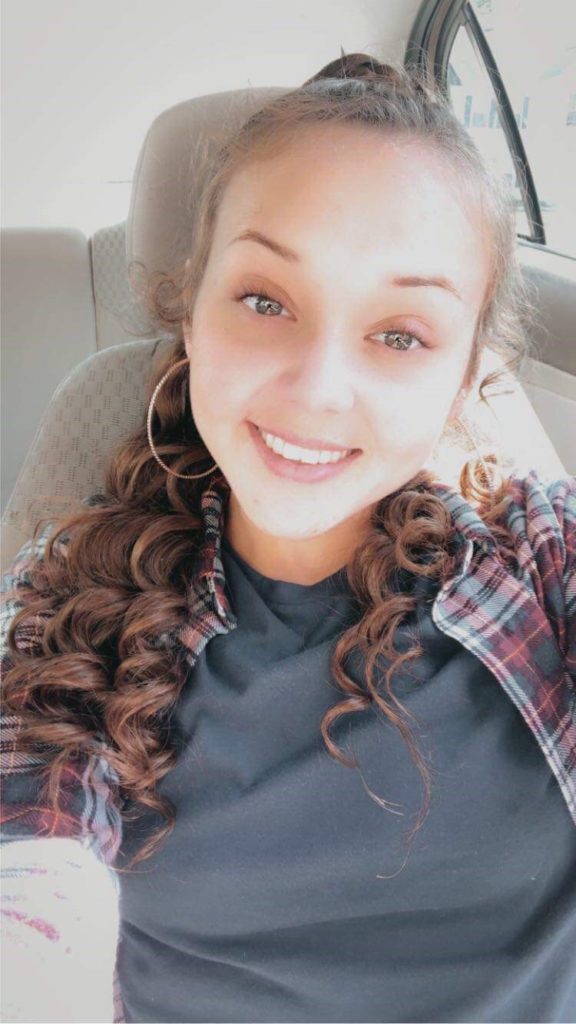
Tri-County YAP’s Donald Banks (L) and Kelly Joyce (R)
Headquartered in Harrisburg, YAP is a nonprofit in 29 states and the District of Columbia that provides community-based services as an alternative to youth detention, group homes and congregate treatment facilities.
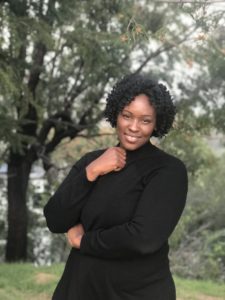
YAP Tri-County’s Terri Robinson (L) and Kelly Joyce (R)
The Harrisburg-based YAP Support Center, which is the administrative hub of the national nonprofit, worked with Tri-County YAP and the YAP Dauphin County Family Clinic to identify 25 program participants and their families who could most benefit from the Thanksgiving gift baskets.
“They were full meals, so it was awesome. Especially with the pandemic, we’re grateful to be able to provide them this year,” said Tri-County YAP Program Director Kelly Joyce, who gave shoutouts to the YAP Support Center, Chief Information Officer Cliff Kubiak and Chief Human Resources Officer Naomi Frazier for making the donation possible. “And no worries, we were socially distant before and after the pictures,” she added with a smile.
Tri-County YAP’s Kelly Joyce (L) and Rebekah Moss (R)
This month marks YAP’s 45th anniversary. For more information on YAP and how you can support the nonprofit’s work, please visit YAPinc.org.
By her 13th birthday, Destany had been in multiple foster homes, experienced sexual assault, and was convinced most adults are not to be trusted.
Destany at 18
Today, at 18, she’s living happily with her partner in Albany, NY, has a new job, and is looking forward to a bright future. Destany is grateful to Wayne County Youth Advocate Programs (YAP), Inc. for sticking with her through the tough times and empowering her with tools to turn her life around.
Reflecting back six years ago when she first met the YAP team, Destany recalls wanting none of what they were offering. She’d just moved back in with her father and paternal grandmother after nine months in foster care. She said social services had removed her from the home after she and a group of friends coerced a man to buy alcohol for them that she tried to hide in her bedroom.
Her first foster placement was with her maternal grandmother. She went to another foster home after reporting a sexual assault from a relative during a holiday visit. Destany said she ran away from that home when she watched her foster dad brutally beat his biological son. She said from there, she went to live with one of the most caring adults she has ever known. “She was the only person other than my [paternal] grandma who I felt safe with,” Destany said.
While she was happy when it was time to return to her grandmother and father, Destany said leaving the safety of the foster mother she’d grown to love was traumatic. As part of the reunification, the child welfare system brought in Youth Advocate Programs (YAP), Inc., a nonprofit in 29 states and the District of Columbia that provides community/family-based services that serve as an alternative to out-of-home placements.
“When the YAP people came, I ran into my room and locked the door. They were knocking for a half hour. I remember yelling, ‘I hate you. I’m not talking to you.’ I finally opened it when Stephany said, ‘I’m not leaving till you come out.”
Stephany Gravino would become Destany’s YAP Advocate. Her support team included Wayne County YAP Director Mike Crespo and Stephany’s co-workers, Brett DeJohn, Nate Hackett and James Schuler. YAP Advocates, based primarily in the neighborhoods of the young people they serve, help youth see their strengths and work with their teammates to connect them with tools to pursue their goals. At the same time, YAP Advocates provide parents/guardians with accessible resources to firm the family’s foundation.
“Stephany said, ‘just give me five minutes,’” Destany recalled. “We sat on my bed and started talking. She told me about herself first.”
Destany with YAP Advocate Stephany
While enrolled in YAP, Destany would get back on track for a few months. But she said she still had a negative perception of herself and continued to make bad choices, which eventually led to a blowup with her father. “I was getting myself into a lot of trouble. I was angry, hurt, lost. I got into a physical altercation and lied on him,” she said.
Once again, Destany was in foster care, this time with her godfather.
“I was there two years and things were going ok, until he went to prison for selling drugs. That’s when I went to my Aunt April’s.”
Her Aunt April is the sister of Destany’s father, who she still had contact with — mostly through visits to her grandmother, whose health was failing.
“My grandma was handicapped and couldn’t breathe without oxygen. She had a trachea and a colostomy bag. My dad took care of her. I’d help her take a shower and sometimes her bag would explode.”
When her grandmother moved to a nursing home, Destany continued to visit her. By then Destany was 16, growing sadder and angrier and not believing her life could ever get better.
“I broke my ex boyfriend’s girlfriend’s windshield,” she said. “I was on probation for truancy.”
Along the way, Stephany and her YAP team were there for Destany, refusing to give up on her. “Stephany was like a second mom. She was there almost every day. She did homework with me and everything,” she said.
Destany said Stephany and her team even found work for her, a part-time job in their office.
“I started working for YAP as the janitor. Stephany would pick me up from my aunt’s every day and take me to work with her,” she said. “It helped me be independent. I got my own money.”
Things were going smoothly for several months. Then Destany lost her grandmother and felt despair like never before. “I was like ‘screw this; screw everyone,’” she said. “I was cutting myself. I had so much anger, but I didn’t want to take it out on someone else. I felt I’d already hurt everybody I loved.”
Stephany and her YAP teammates intervened.
“We all sat down and all of us started crying. That’s when I was like, wow, they really care. It’s not just an act. This is someone who knows me, someone who cares,” she said. “It helped a lot. “They talked to me about grief. They said whatever I need, we’re here. They refused to let me push them away. They didn’t force themselves on me. I came back to them.”
With Stephany and her team, Destany looked into counseling groups and other resources.
“We found different ways to deal with my anxiety and depression,” she said.
As months turned into a year, Destany began seeing herself and her world differently. She grew closer to her family and began meeting new friends, including someone very special.
“I’d have her come to the office with me; she and [YAP Advocate] James [Schuler] are extremely close; he knows her dad,” she said.
Destanay thanks YAP for empowering her with tools to reach her goals
Seven months ago, Destany moved away from her small town to live with her girlfriend in an apartment in Albany’s Clifton Park neighborhood. She got a job at Red Robin, began studying for her GED and will soon apply to cosmetology school.
“It feels really good. We just bought a car – a Honda Accord. I’m finally saving money.”
Destany stays in touch with Stephany and the team and lets them know how she’s progressing. She also checks in on her younger sisters back home and is proud to be someone they look up to.
Las Vegas-based Clark County Youth Advocate Programs (YAP), Inc. Program Director Nyeri Richards asked her colleagues and some of the young people they serve to think about hope and resilience as they reflect on the first ten months of 2020. YAP is a community-based alternative to youth incarceration and out-of-home congregate placements in 29 states and the District of Columbia. The YAP community-based alternative model is based on hiring neighborhood-based Advocates and training them to empower youth by helping them identify their strengths. The Advocates connect youth and families with individualized toolkits that include accessible resources to help them achieve their goals. As an essential service, YAP continues to partner with youth justice, child welfare and other social services systems, providing support to program participants throughout 2020 virtually and — adhering to public health PPE and social distancing guidelines — in-person contact.
Special thanks to Youth Advocate Programs (YAP), Inc. Clark County, Nev. Program Director Nyeri Richards for this submission
Caleal
YAP program participant Caleal has applied for the YAP Tom Jeffers Endowment Fund for Continuing Education scholarship. The scholarship is one of the many resources the nonprofit makes available for program youth and their parents/guardians to add to the personalized toolkits needed to achieve their goals and firm their family’s foundation.
What brought me to YAP was me making bad decisions one after the other. I was hanging around some people I should not have been around at the time. We would go through cars, and snatch anything we see that we want to get to where we wanted to be. Since I have been in the YAP program, I have learned that there are many more ways to get to where you want in life without committing a felony or doing anything negative.
My experiences while being in YAP for the past 6 weeks were phenomenal. It is a great jumpstart into the real world. Your [Advocate]-mentor can teach you and tell you about how to make a way in life, or even seeing the light in the darkest situations. When I am with my mentor, we usually have interesting days. For the first couple weeks it is odd having to be with someone 2 days out the week and not know them at all, but after a while it gets normal and amusing. You can do all type of things with your mentor. It can range from going to try different food places you have never been to, or even going to car shows which I really enjoy because I am definitely a gear head.
You can learn miles and miles of things while you are in the YAP program. Your mentor can teach you skills and tools you would need to excel in anything of your choice. I learned that there is always a positive in any situation that you are in. For an example, me going to the detention center would be the bad in the situation, but the positive in the situation would be me getting a mentor and taking a U-turn to do right and not wrong. My mentor has probably taught me more things that I need to succeed in life than I have learned in high school. One thing that will certainly stick with me from going through this program is to make sure you are polite when you meet new people, or new connections you can use, because later on in life if you needed to give them a call about anything they would usually help you.
In Conclusion, having a mentor is an immensely helpful extra step that I had the opportunity to take. From what brought me to getting a mentor was not a great thing, but the outcome of me having one was fantastic. I have grown so much as a person from having a mentor, it taught me to open up about certain things, and not to keep stuff inside too much because it can harm you mentally then slowly physically. Everyone In my opinion should have a mentor not only because they help you improve yourself, boost your self-confidence, and finally give you the tools you need to succeed in life.
This scholarship can help me drastically with my tuition of the college I am attending next school year. The college I am going to is UTI (Universal Technical Institute). The campus is in Long Beach, California.
Ariana, YAP participant
Ariana
2020 was a hard year. I would never go to school, my grades were so bad. But I’m happy that my mom made me realize I needed an education and needed to do something to fix myself. Also, going to jail helped me a lot. That’s no where you wanna be-real talk. But overall, 2020 was not the year for me but now I’m going to school. Well YAP helped ME realize I need to do better. I have more to live for then just walking around fighting and disrespecting people. I really want to thank my mom forever. She made who I am today.
Ja’Marion
Ja’Marion, YAP participant
I must say the year 2020 has not been my best year nor for my family. I came to the YAP program about four months into the pandemic and had just started my probation and really did not know that my home life was about to change for the next month or so. Apparently, something went wrong and we had to move from our place and stay at a hotel for two weeks, then had to move in with other family members and because it is 6 people in our family, we had to spit us up in two separate families’ homes. I learned that living with others can really be uncomfortable for everyone as time goes along,
Through the arguing and sly remarks that you hear from family members, you understand what is really going on. I must say that my mom showed great resilience during this time to ensure everyone was safe and taken care of while she worked and continued to look for a new place for us. I believe it was about six weeks and finally we were moving into our new apartment and that felt great.
I look back and am very thankful that my mother did not just give up and we all ended up in foster homes or split apart from each other. I also am thankful for my [YAP Advocate] mentor who is always positive and encouraging about life and how you can only control what you can touch, he tells me that all the time.
Mardreyanna, YAP participant
Mardreyanna
The year 2020 has been a bad year before Coronavirus took over the world. I didn’t go to school. I used to skip classes and just didn’t listen at school. I used to get suspended so some many times I would rarely make it a week. Since then, I changed a lot.
My number one support helped me a lot and that is my grandma. She changed my whole world and made me feel good in life. I used to be so bad and always showed a ‘don’t care’ attitude. But my grandma made my world a better place. Honestly, if it wasn’t for my beautiful grandma, I would not have changed to be a better person. But 2020 has reminded us this can be a messed up world. We done had many people die from Coronavirus and there are many other reasons but some of us got through it. I honestly feel it’s always some type of sickness that’s trying to take over our world but somehow we get through. We all made it!
When I first stepped in the YAP office, I was confused, shy and angry at my mom. Ms. Sharon helped me come out of all of that. Her and the other members of YAP made me feel welcomed and I stepped out of my comfort zone and started to see things different. The girl group was an inspiration to open up and do things another way. Now I’m comfortable with the people around me and patient with uncomfortable situations. Now there’s no such thing as giving up or looking back. YAP also helped me get a job that comes with a lot of benefits. Before I started this program, I was a whole different being, a bad example, and now I see everything as an opportunity to be and do good.
Nyeri Richards, Program Director for the Clark County Advocate Program
YAP Clark County, Nev. Program Director Nyeri Richards
During a time when the world feels like it’s in shambles, political tensions are at a high, and the revamping of our education system has left some feeling lonely and idle, it is easy to overlook the positives this year has brought about. Many would cynically laugh at the sheer sound of the word positive used during the Year of the Pandemic. Human touch and close proximity, once an important aspect of social connection now a taboo. With its sudden removal coupled with instant isolation, people found themselves yearning for a connection—even if just a simple one.
The year 2020 has left none unscathed. We have experienced many losses and witnessed chaos in ways we thought only Hollywood could replicate. Nonetheless, it has afforded us many gems we might have missed had our planet not taken a sick day. We are witnessing inverses and recluses finding commonalities in others, people once self-regarded now self-less and broken homes mending differences on the basis of valuing togetherness. I especially remember this during the days the room feels too quiet or the roads too still. I am part of awe and we are all in this together.
More so, we are learning to value the simplicities of each day. A humble smile penetrating through our mandated veils has become the prescription for unprecedented loneliness and fear. It is enough. I thank this year for the self-growth I would not have achieved had my life not been placed on pause and for its persuasive approach to healing the soul.
Elizabeth “Lizzie,” Echeverria, Clark County YAP Advocate
Elizabeth “Lizzie,” Echeverria, Clark County YAP Advocate photographed with her son, Damien
If you asked me, I would agree that 2020 could possibly be one of the most traumatic years the world has ever seen. Having to adjust to a new way of life in such a short period has disrupted all aspects of our lives. The way we work, the way we take care of our children, the way we get an education, and the way we interact and with our family and friends are just a few examples of how hard the pandemic has impacted our lives. Having to fight against “the invisible monster” the question that I found myself asking the most was, how can we find hope and resilience in the midst of not just the pandemic but also dealing with all other major issues the country is facing this year?
As for myself the hardest part of it all has been having to explain to my young son why life cannot be the same. I had to explain to him why he couldn’t see his friend or his teachers. The most challenging part was, when my own mother contracted the virus, and having to tell my son why he couldn’t be near his grandma or hug her was almost heartbreaking. Being away from our love ones did not make things any easier. It was becoming very difficult for me to try to take care of both of our mental health. The level of anxiety kept getting higher and higher. I came to understand that I wasn’t the only one going through this experience. I found hope and resilience through the people around me and ultimately my son. Seeing him smile kept me motivated to keep going and stay positive. I strongly believe that there is always some light at the end of the tunnel and even if our way of life never goes back to how it used to be, I know that I want to see myself there and those that I love there with me. It’s amazing the things love can make us conquer.
Krishinda McLendon, Clark County YAP Advocate
Krishinda McLendon, Clark County YAP Advocate photographed with David, a program participant
Moving to Las Vegas from California in July without having a stable job, during a global pandemic, and health crisis was very challenging for me. At that specific time in my life, I was pretty hopeless. Trying to find a job during a pandemic had proven to be stressful and at times, left me with a feeling of defeat. However, I persevered and did not give up on my search for employment. I continued my search until I was hired in August as a Youth Advocate for YAP.
All in all, I am so relieved and grateful that I continued my job search because I truly believe I have found my dream job. The best part about being an advocate for the youth is being able to show them a positive lifestyle outside what they have previously experienced. Despite the age of the child, everyone at some point experienced a difficult or challenging time. The great thing about my current position, I can provide that little hope of positivity and encouragement needed to keep them on the straight path.
With the encouraging support of my friends and family, I have been able to remain driven towards succeeding in my life and developing a career where I can make a difference. My perseverance has kept me hopeful through the pandemic and lead me to a position where I am so grateful for being a part of YAP.
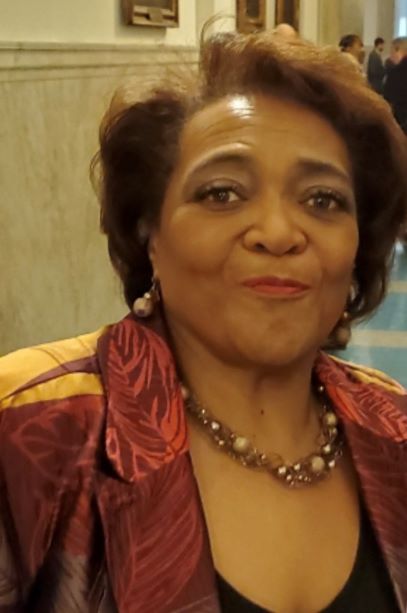
The Philadelphia Tribune has named Youth Advocate Programs (YAP), Inc. Board of Directors Chair Lynette M. Brown-Sow one of 2020’s Most Influential African Americans. Brown-Sow will accept the honor in a virtual ceremony, Thursday, Nov. 12, at 12 p.m.
The Most Influential African Americans award pays tribute to prominent individuals representing a variety of careers and experiences who possess leadership qualities necessary to make change in the region. Recognized this February by the Philadelphia City Council as a Living Legend, Brown-Sow is a well-known Philadelphia business leader. She has served on the boards of many organizations, including YAP, a nonprofit that provides community-based alternatives to youth incarceration and institutionalization in 29 states and the District of Columbia, with international programs in Guatemala, Ireland and Sierra Leone.
In addition to recognizing the Most Influential African Americans, the Philadelphia Tribune will present awards to “10 People Under 40 to Watch” and “Leaders, Movers and Shakers.”
The ceremony comes as the Philadelphia Tribune marks its 135th anniversary, making it the nation’s oldest continuously published Black newspaper.
On Sept. 30, 2020, Randall Sims, Regional Director, Youth Advocate Programs (YAP), Inc., testified before the Pennsylvania Juvenile Justice Task Force. Governor Tom Wolf, State Supreme Court Justice Thomas G. Saylor, and General Assembly leaders from both parties and houses established the Task Force in Dec. 2019, charging its members with providing data-informed findings and recommendations by March 31, 2021. The Task Force receives technical assistance from Pew Charitable Trusts and the Crime and Justice Institute.
Sims’ five-minute testimony appears below:
Hello, I’m Randall Sims, Regional Director for Youth Advocate Programs (YAP), Inc.
Four years ago, at age 16, Shyheem, returned home to Philadelphia from a state youth justice facility. Based on the reason for his incarceration, his experiences while locked up, and the length of time he’d been away from home, Shyheem’s probation officer knew the transition would be a challenge. So, he recommended — and the judge agreed — that Shyheem should be assigned to Philadelphia YAP to help him adjust.
Shyheem spent a few hours a day at our Philadelphia Day Treatment Center and true to the YAP model, our staff matched him with a YAP Advocate. YAP Advocates – most of whom live in the neighborhoods of the youth we serve, with shared lived experience — are paid, trained employees who deliver the individual and family “wraparound” services that are key to the YAP model. Shyheem’s Advocate helped him and his family create an individualized service plan. One of Shyheem’s goals was to get a job to earn the $4,323.50 he needed to pay in restitution in order to complete his probation.
Forty-five years ago, Tom Jeffers founded YAP with its headquarters in Harrisburg as a community-based alternative to youth incarceration. Today, the Pennsylvania-based national nonprofit serves 20,000 youth and families a year through partnerships with youth justice, child welfare, and social services systems in 150 counties in 29 states and the District of Columbia. Last year, in Pennsylvania, we served just under 2800 young people across 29 counties. About 1000 of YAP’s nearly 2500 employees are in Pennsylvania.
In 2004 after Tom’s passing, YAP employees began making contributions to build a scholarship fund in his name. That scholarship is one of the tools available to Advocates in helping program participants build individualized toolkits like the one Shyheem’s Advocate worked with him and his family to create.
We apply the evidence-based YAP youth justice model in our post-placement services, detention diversion, and gun violence prevention programs like Choose to Change, our partnership with Children’s Home & Aid in Chicago. The University of Chicago Crime Lab found the program reduces violent crime arrests among participants by 48 percent.
We also use the YAP youth justice model for family reunification and as an alternative to out-of-home placement of young people in group homes, treatment centers and developmental disabilities and autism care facilities.
YAP is filling service gaps for young people aging out of foster care, LGBTQ youth, commercially sexually exploited children, and young people impacted by substance use. We’re also using the model as the foundation for adult re-entry services and crime prevention programs where we are able to employ returning citizens.
The beauty of YAP is its simplicity. YAP-trained, employee Advocates help program participants identify their strengths and empower them and their parents or guardians with tools to achieve their goals and firm their foundation.
The YAP model is rooted in a desire to reform systems, including making them equitable for young Black and Brown people. This year’s protests of the death in police custody of George Floyd have brought new awareness to our model. YAP is the kind of cost-effective, community-based alternative to traditional public safety, child welfare and youth justice approaches that systems are looking for.
As noted in a Philadelphia Inquirer story about YAP, — and I quote here – “The average cost of a juvenile prison bed is $241 a day, but a slot in a community-based program costs less than $75 a day, according to the ACLU. At YAP, 86 percent of youth stayed arrest-free while in the program, a 2014 study found. In another 2014 study, researchers found that between six and 12 months after discharge from YAP, nearly 90 percent still lived in their community, and less than 5 percent were in secure placement, or detention.” End quote.
That brings us back to Shyheem. After several months of working with him, his YAP Advocate felt progress was too little and too slow. As per the YAP No Reject, No Eject policy, we didn’t give up. We matched him with another Advocate who felt that based on his own life experiences, he could make a breakthrough.
By late 2018, YAP Advocate Darnell began seeing things come together for Shyheem. Both the judge overseeing his case and Shyheem’s probation officer agreed that this once troubled youth was growing into a young man working towards a bright future.
In Spring 2019, Shyheem graduated from Excel Academy. He’d completed over 430 hours of community service at Inglis House assisting people with disabilities. He also worked at KIngsessing Recreation Center helping maintain the facility.
At his court hearing right before the city shutdown, Shyheem had completed his restitution and had an interview for a full-time job with a security company. On September 4th, the now 20-year-old Shyheem got word that Juvenile Probation has positively discharged him from custody.
At YAP, we believe every young person deserves what we all want — someone to believe in us against all odds — and an opportunity to prove them right. Thank you for taking time to hear about the YAP model.
For more information on YAP, please visit YAPInc.org.
When 26-year-old Erica heard that proposed cuts by New Jersey Department of Children and Families (DCF) will keep nearly one thousand youth from services that keep them out of placement, she took it personally. As part of its proposed COVID-19-related budget cuts, DCF proposes eliminating 55 percent of New Jersey Youth Advocate Programs (YAP), Inc.’s budget. YAP is a nonprofit that serves as a community-based alternative to out-of-home placement for young people in child welfare and youth justice systems. YAP’s neighborhood-based Advocates empower youth, parents, and guardians with tools that keep kids safely home and stable with their families or in resource foster homes. Erica is one of thousands of young people who have received YAP’s services in New Jersey since 1978.
Erica said Youth Advocate Programs (YAP), Inc. changed her life for the better
She sent YAP a letter to share with lawmakers, Governor Phil Murphy, and anyone who can influence them to restore YAP’s services and keep New Jersey families strong, safe and together. “Removing YAP from the lives of children and families whose challenges are even greater in light of the COVID-19 pandemic is a significant setback in a critical continuum of care proven to put kids on a positive trajectory,” said YAP CEO Jeff Fleischer. “In the not so long run, the result will be more dollars spent on expensive, often faraway residential placements and youth prison.”
Erica about 10 years ago when she was a participant in YAP, a community-based alternative to out-of-home placement
My name is Erica, I entered foster care at 14 years old after being sexually abused by my father, I was damaged emotionally. I went through 24 foster homes in 4 years, it was destroying me, but there was one thing I had through all of this, the YAP program and Milly. This program gave me a personal Advocate (Milly) and friends (the other kids in the program). When I had to start over new over and over again, I still had my friends from YAP. As foster children, we are already deprived, we didn’t receive the love and care from our families that we were supposed to. YAP gave us the opportunity to be kids, to go out and have fun with friends and not have to worry about anything. We got to feel like normal kids thanks to this program. Closing it down and firing all the workers is not the answer. Doing that is depriving foster children of the opportunity to be normal and have fun. These kids are already more susceptible to depression and other mental health issues, what do you think will happen when there’s no programs for them to get out and have friends and have a life? These children will be damaged for life. You may not think this is a very serious matter, but I do. This program and Milly changed my life for the better, I don’t know where I would be had it not been for her and the program. Please don’t take this away from our children, they need it more than you could ever know! Thank you for taking the time to read this, I really hope you reconsider your decision. – Erica
Learn more about YAP at YAPInc.org. Follow the national nonprofit on Twitter @YAPInc.
Kiara, a 15-year-old Lebanon County, PA high school student, begins her sophomore semester with a new appreciation for her passion, gifts and talents. She’s a participant in Lebanon County Youth Advocate Programs (YAP), Inc., a community-based alternative to out-of-home congregate youth placements.
Receiving support virtually amid the COVID-19 pandemic instead of in-person gave Kiara an opportunity to focus on something she’s always enjoyed — art — and to use it to channel her passion for justice. Kiara’s mobile therapist Meghan Sidelnick encouraged her to submit her work to an exhibition presented by Abilities in Motion in partnership with Goggleworks highlighting artists with disabilities. When the show accepted one of her pieces, Kiara began to realize and appreciate the value of both her passion and her talent.
Meet Kiara and Meghan in the short video in this post.
About four years ago, Robin, a then 39-year-old Atlantic County, NJ single mother of nine children, found herself overwhelmed.
“I was in a domestic relationship with a man who sold drugs and brought a lot of drama into my home.”
She said as a result, New Jersey Department of Children and Families (DCF) removed her children from the home. Two ended up in congregate placements. Four remained together in her neighborhood with a stable, loving foster family and two were placed in a temporary resource foster home in Cumberland County. She said her oldest was incarcerated.
While Robin was able to stay in touch with all her children, she wanted another chance at parenting – at home. When her sons in Cumberland County became participants in Youth Advocate Programs (YAP), Inc. — a community-based alternative to out-of-home placement — Robin said she got that opportunity.
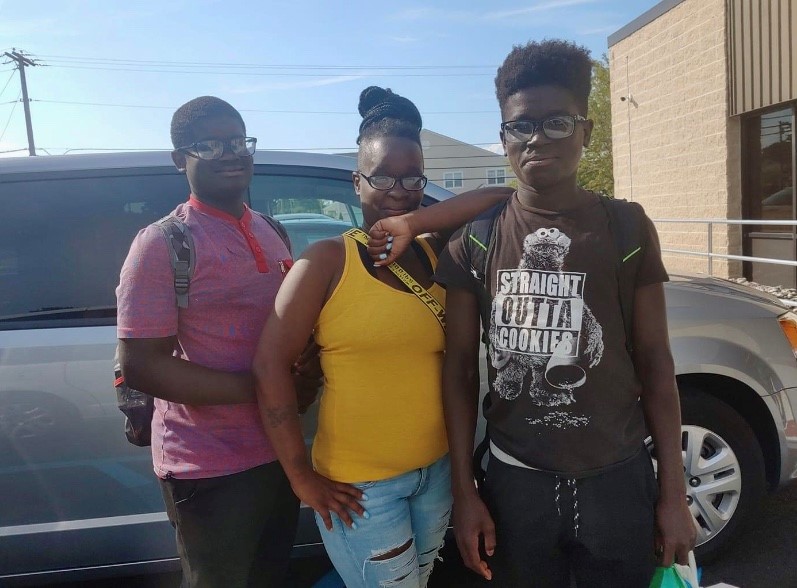
Robin with her sons, Kadin (L), and Kameron (R)
Kameron, then 14, and Kadin, 13, were working with John, a YAP Advocate trained to help young people see their gifts while connecting them and their parents/guardians with tools to achieve their goals. Robin said John empowered her with skills to earn the kids’ trust and respect.
“They’re awesome kids; but when I got them back, they [the boys] basically said it was my fault,” she said. “YAP helped me look at things different, putting my kids first. As time went on, they saw that I was doing the best I can.”
Kadin with his mom
Crystal, John’s YAP team member who specializes in life skills, also advocated for the family, including Robin’s children who remained in placement. “They’d mediate conflicts between me and my girls,” she said. “Crystal and John talked to them and me.”
Nearly 1000 New Jersey youth will lose their YAP services if proposed cuts by DCF are accepted by Governor Phil Murphy. For four decades, the state has relied on the nonprofit and its evidence-based intensive, in-home, wraparound advocacy model to keep youth with their families or stable in resource foster homes as an alternative to out-of-home placements and youth prison. Seventy percent of YAP’s program participants are youth of color, primarily Black and Latino. Seventy-five percent of the nonprofit’s staff are also people of color, with lived experience and knowledge of culture, language, and the resources of the neighborhoods they serve.
“Removing YAP from the lives of children and families whose challenges are even greater in light of the COVID-19 pandemic is a significant setback in a critical continuum of care proven to put kids on a positive trajectory,” said YAP CEO Jeff Fleischer. “In the not so long run, the result will be more dollars spent on expensive, often faraway residential placements and youth prison.”
On call 24-hours, YAP’s community-based Advocates provide intensive, strength-based, family focused, trauma informed, wraparound family support to fill critical gaps for youth who have individual and family challenges that are very complex. The Advocates address the root causes of the youths’ parental and family struggles. YAP employees rely on their teammates and community partners to connect young people and their families with accessible educational, life skills and employment resources. They ensure that lack of food; shelter; transportation for court hearings, doctors’ appointments, visits with incarcerated loved ones; and other challenges don’t impede progress. YAP Advocates also provide respite for parents and guardians when they need support.
Like other New Jersey nonprofits, YAP, which operates in all 21 counties in the state, was hit hard financially due to COVID 19.
“For the first time since 1978, New Jersey youth in need in our child welfare system will not have a program to provide the trusting relationships between local staff and youth and families, nor the support and resources, to stabilize youth in family settings and to prevent out of home placements.,” Fleischer said. “We are hopeful that the state legislature and or the governor’s office will restore the funds back to YAP and other nonprofits that were hit hard by COVID-19 and now, these harsh DCF cuts.”
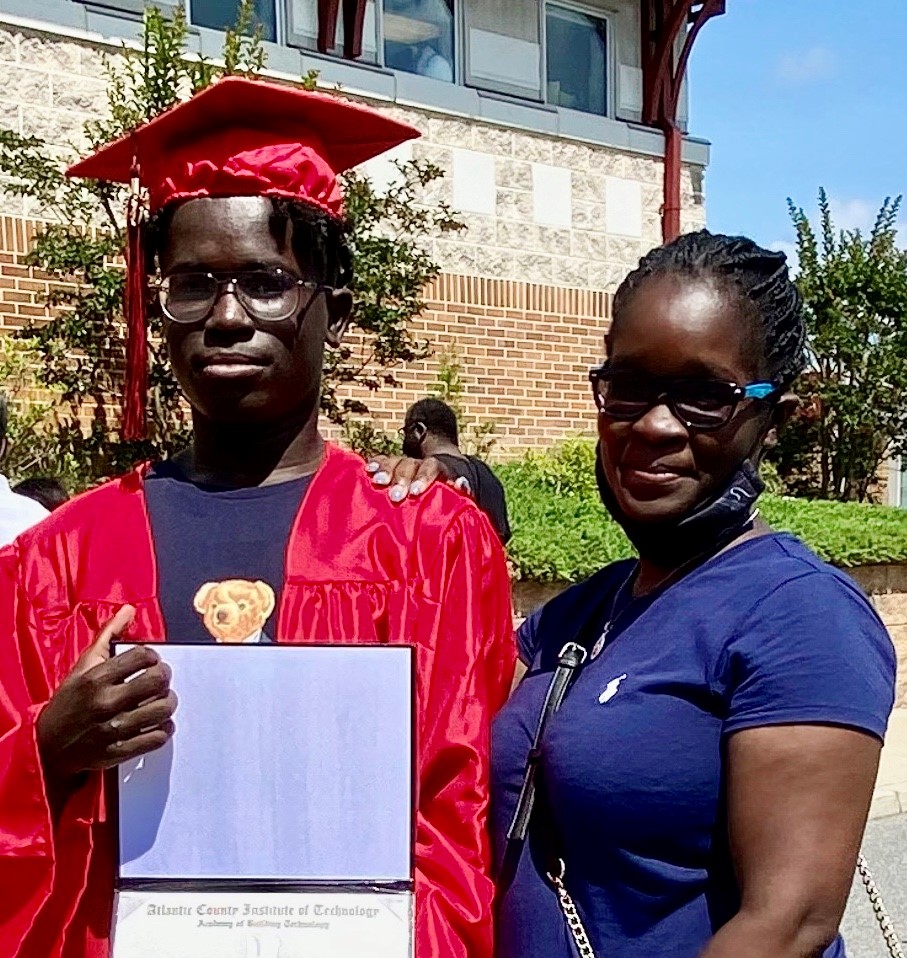
Kameron with his mom at his high school graduation
Kameron, now 18, and Kadin, 17, recently completed the YAP program. Kameron is working his first job and looks forward to studying film at Stockton University this fall. Kadin is interviewing for jobs and Robin said he’s “very helpful” around the house. “Both of them do dishes, clean the bathroom, anything I need,” she said.
As for her other children, Robin feels fortunate that the four who were together in a nearby foster home were eventually adopted by that family and a friend of theirs. The adoptions are open, enabling the children to have a relationship with their biological mom.
Robin said with support from YAP, she came to understand that she still has a lot to offer all her children. She said her interactions with them are healthier, which makes her happy.
Robin said because of YAP, Kameron and Kadin have a new outlook on life, and that she does, too.
“I always felt like YAP was on my side,” she added.
Grant Helps Youth Advocate Programs (YAP), Inc. Provide Services in Communities as an Alternative to Out-of-Home Placements
By Jasmine H. More, Youth Advocate Programs Development Coordinator, Private Sector Giving
A $75,000 grant from the New Jersey Pandemic Relief fund is bolstering much needed in-home services for youth and families who even before COVID-19, faced the kinds of complex challenges that often lead to family separation.
The grant to Youth Advocate Programs (YAP), Inc., supports the nonprofit’s work to serve child welfare systems-involved young people at home as an alternative to congregate care, residential treatment and behavioral health facilities placements.
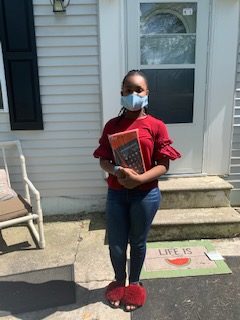
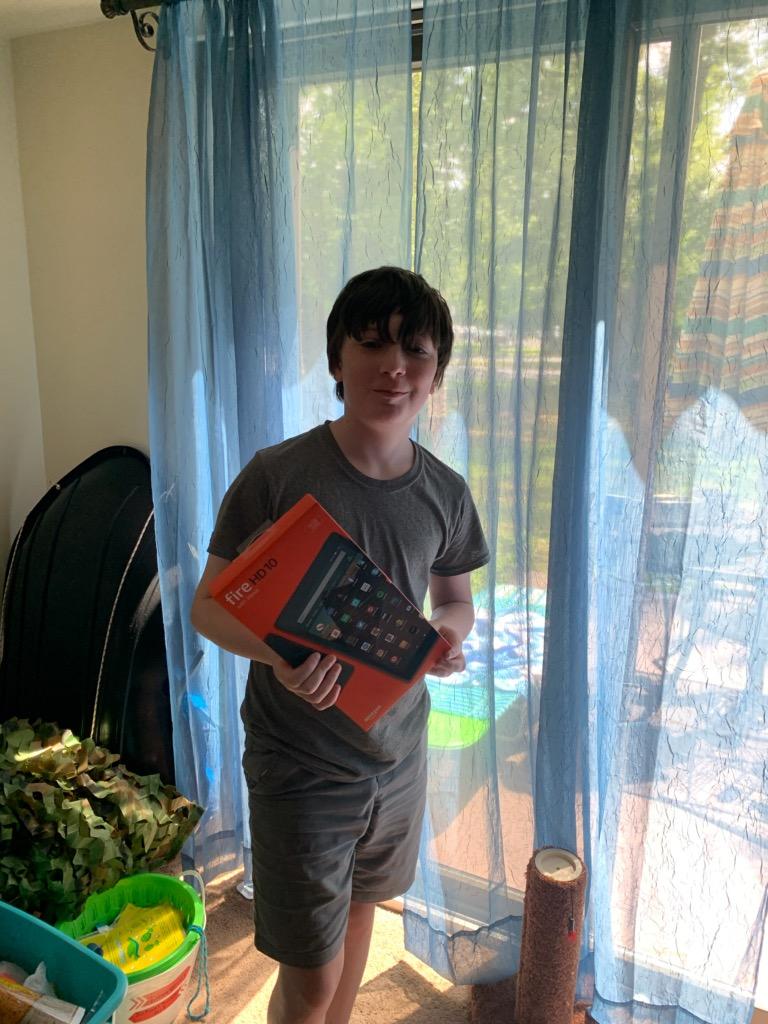
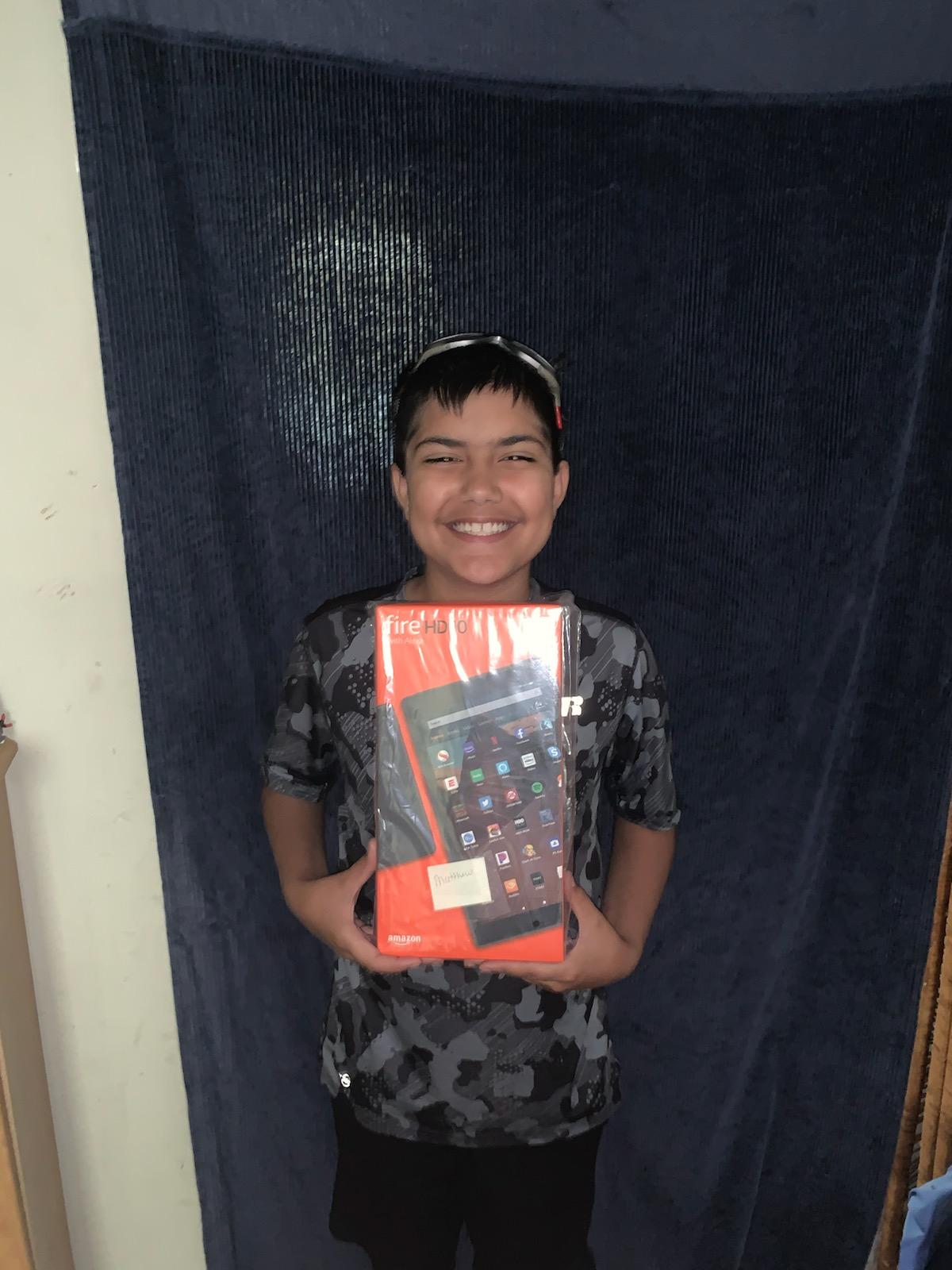
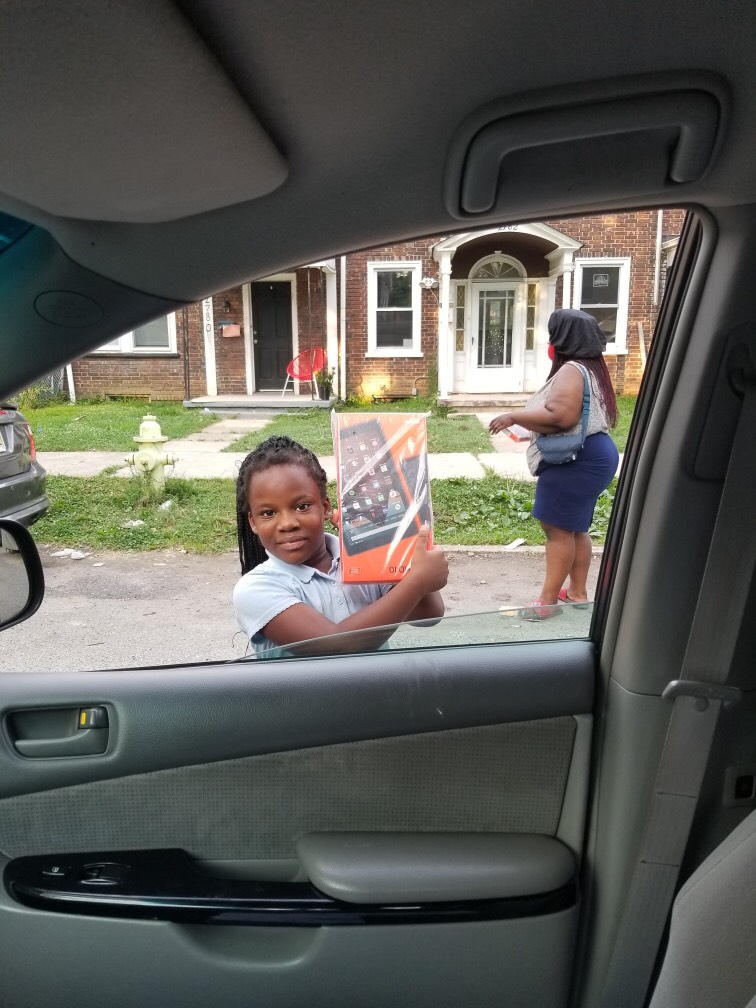
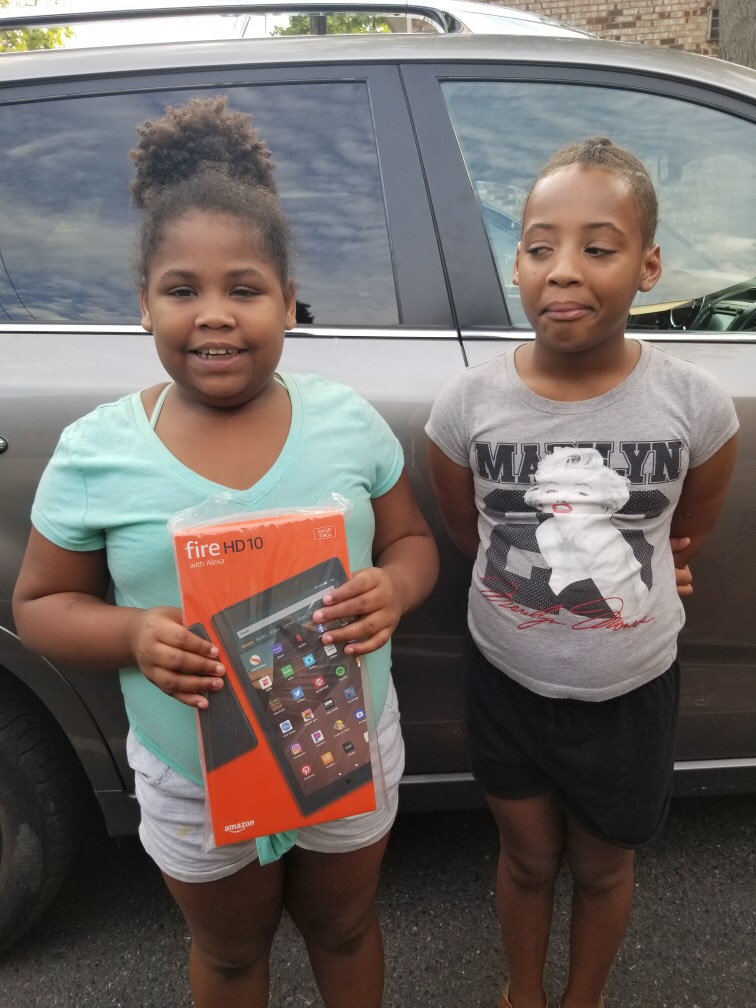
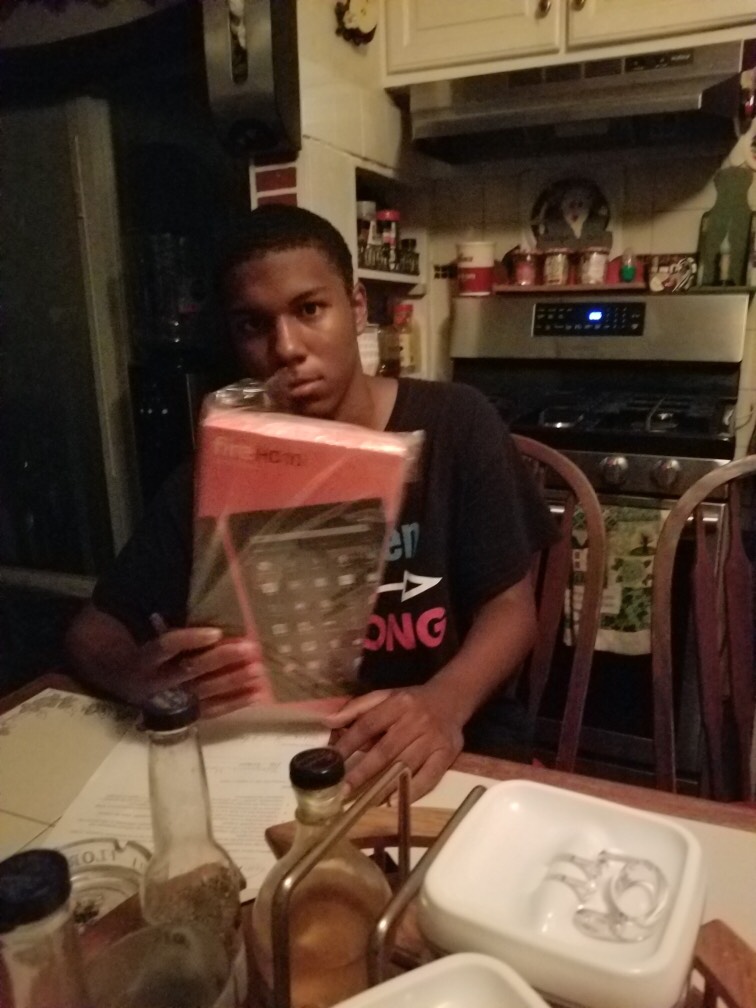
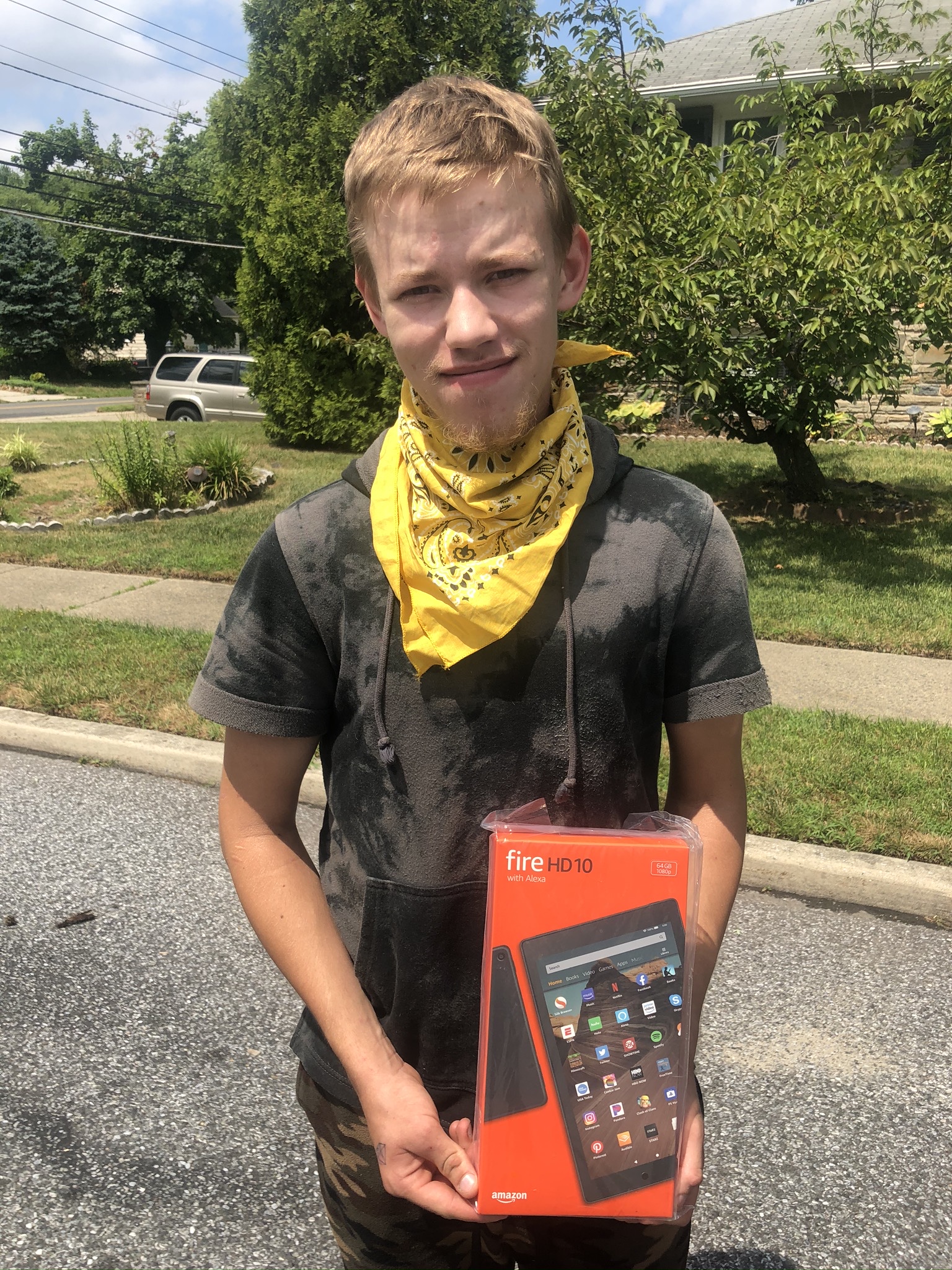
Due to the grant we received, families got so much more than just a simple gift card. Prior to the grant, many of the families we serve did not have access to technology. Because of the grant, we were able to provide our program youth with tablets. This not only helps YAP Advocates keep participants on track with their individualized service plans, it gives the youth one more thing to do to keep busy during these uncertain times. The grant has also provided YAP families with essentials, such as PPE, cleaning supplies, and non-perishable foods. Furthermore, the grant has made it possible for youth and families to continue to receive quality wraparound services that YAP is known for.
New Jersey Pandemic Relief Fund dollars support YAP programs in Atlantic, Bergen, Burlington, Camden, Cape May, Cumberland, Essex, Gloucester, Hudson, Mercer, Middlesex, Monmouth, Morris, Ocean, Passaic, Salem, Sussex, and Union counties.
Operating in all 21 New Jersey counties, YAP is a nonprofit organization with offices in more than 150 communities in 29 states and the District of Columbia. YAP is committed to the provision of community-based alternatives to out-of-home care through direct services. Since its founding in 1975, YAP’s expertise and passion have been in serving deep-end, multi-need and cross-system youth and families, with success across a continuum of needs and challenges. Learn more about YAP at YAPInc.org.
Jasmine H. More is Youth Advocate Programs (YAP), Inc.’s National Development Coordinator for Private Sector Giving. She also serves as Administrative Manager and Advocate at Hudson, Bergen & Passaic County – NJ YAP and New Jersey Pandemic Relief Coordinator.
With the increased risk of COVID-19 infections for individuals in congregate living, Youth Advocate Programs (YAP), Inc. strengthens its advocacy for community-based youth and family services alternatives. In 29 states and Washington, DC, YAP partners with youth justice, child welfare, education, behavioral health and developmental disabilities agencies to serve young people and families in their neighborhoods and homes.
Chris — YAP Lebanon, PA participant
YAP’s individualized service plans might include intensive mentoring from neighborhood-based Advocates, education and job training, behavioral health care, and assistance with basic needs. Lebanon, PA YAP’s services for young people with developmental disabilities have empowered 32-year-old Chris with skills to support himself, and in turn, serve others through the pandemic. Chris spoke to TheNeighborhoodAdvocate.org in our video interview.


 Some Central PA families will be safely home and eating well this Thanksgiving thanks to a special delivery from some Youth Advocate Programs (YAP), Inc. employees.