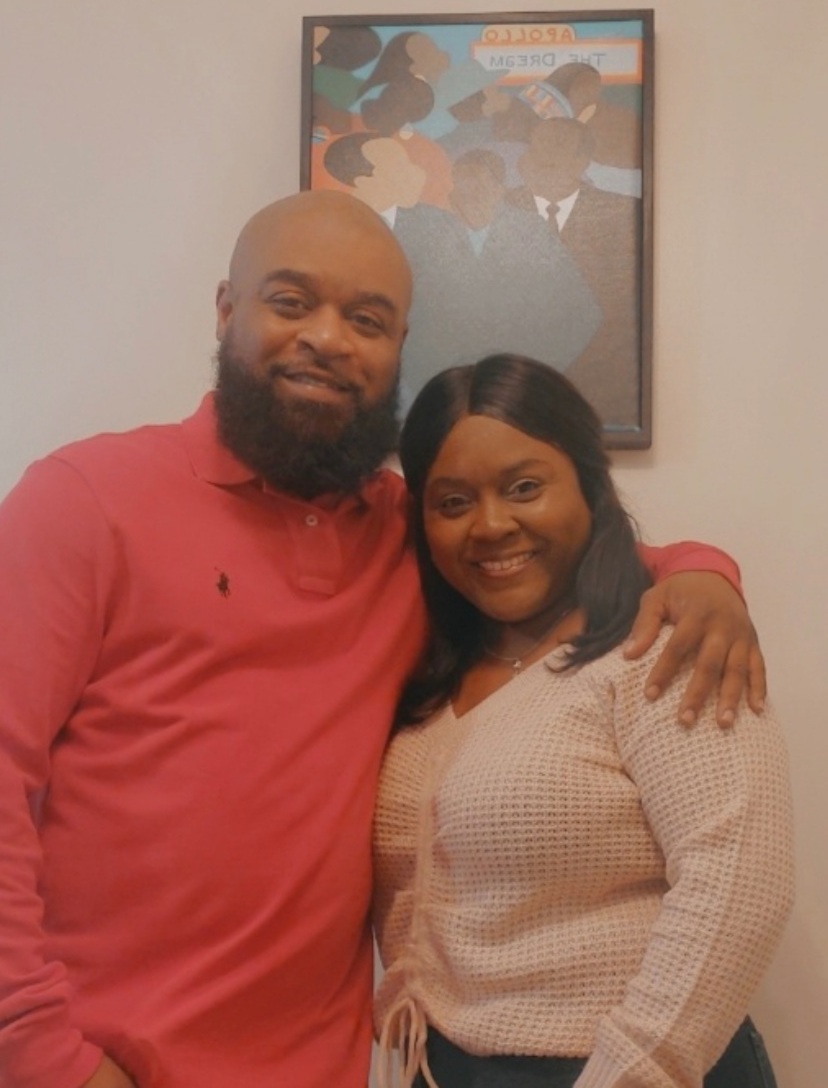
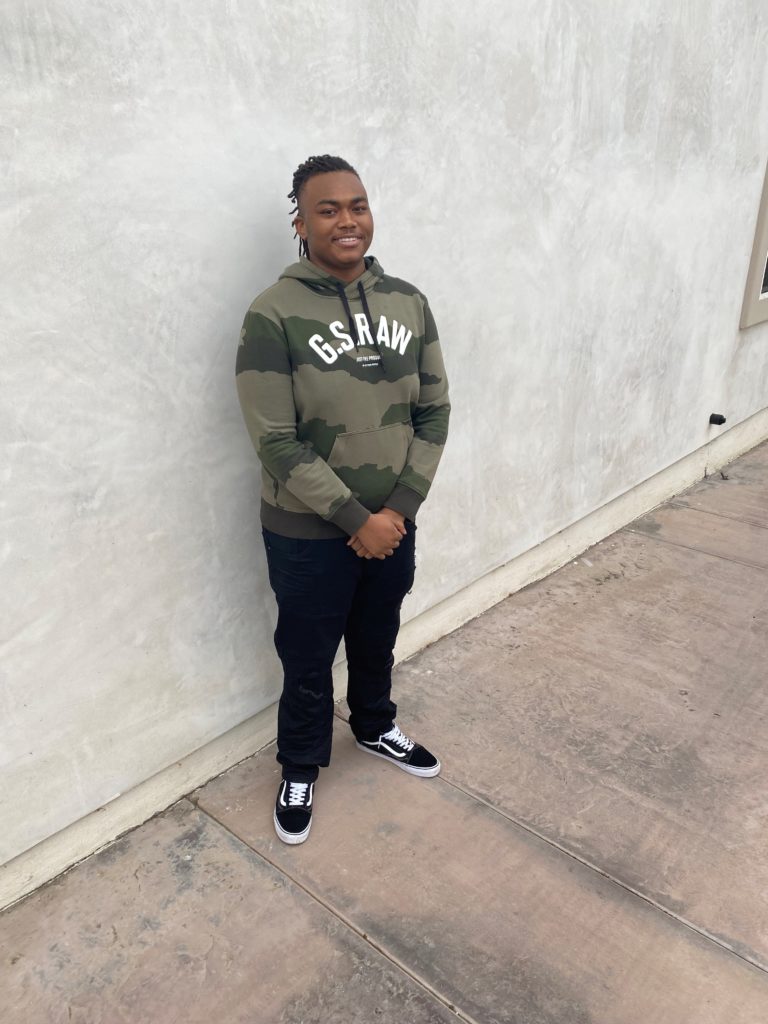
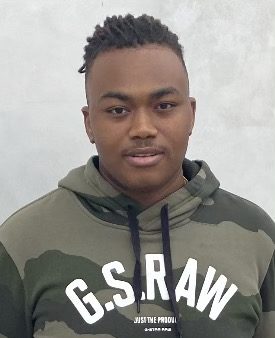
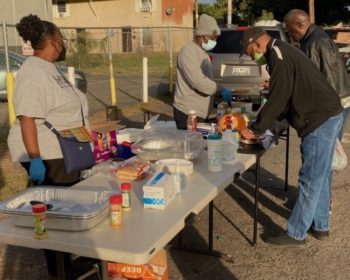
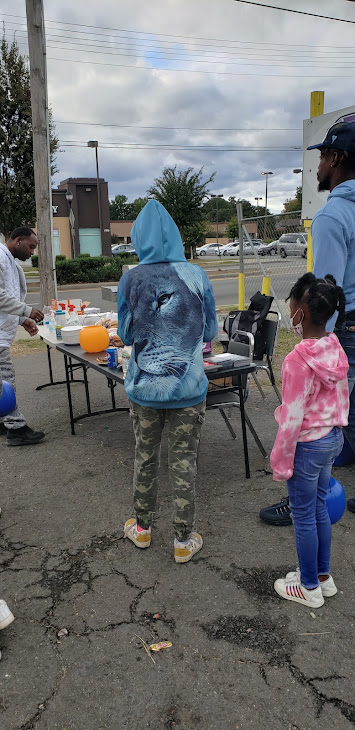
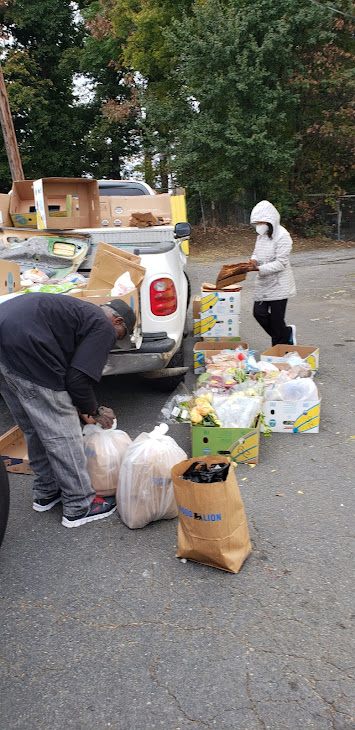
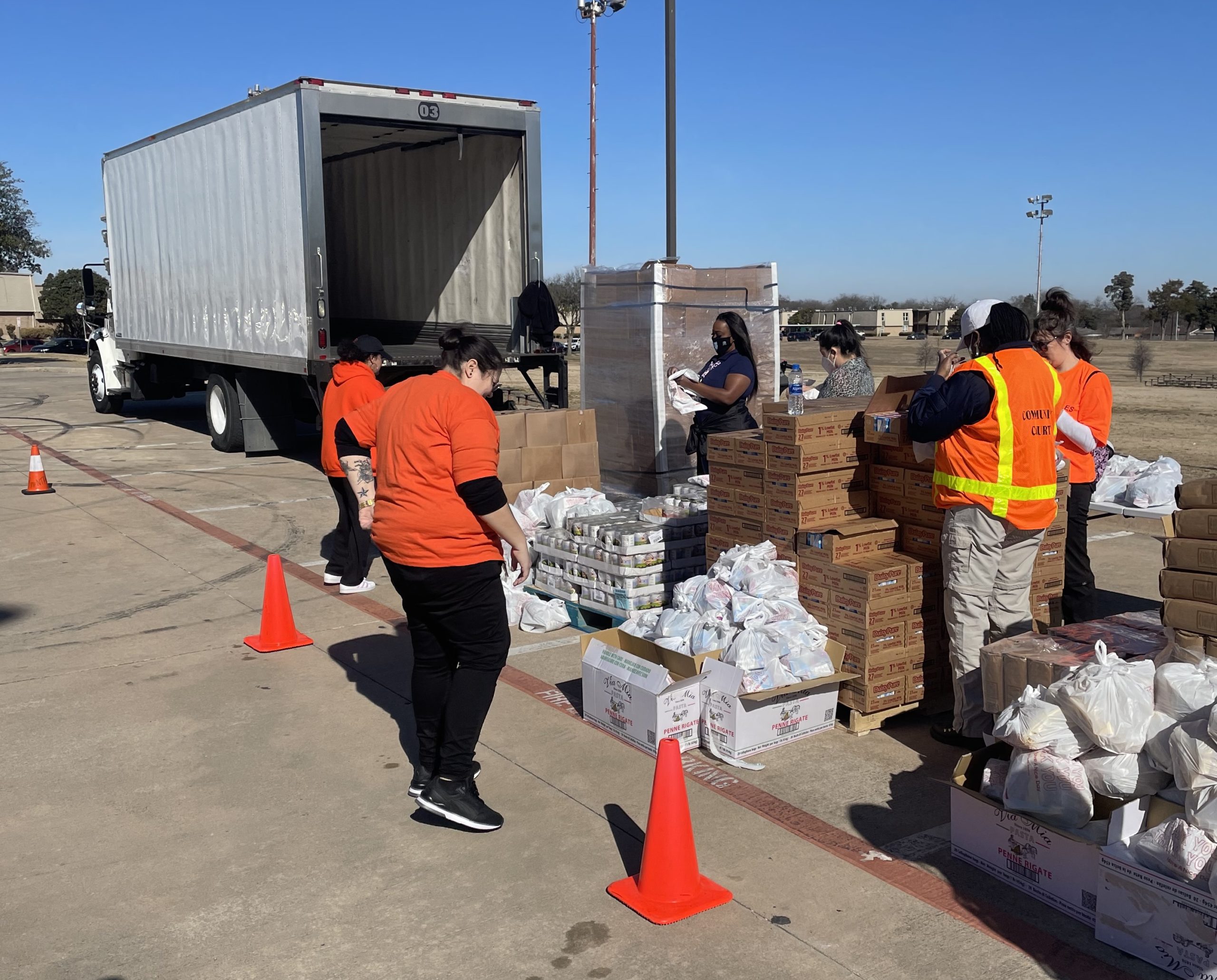
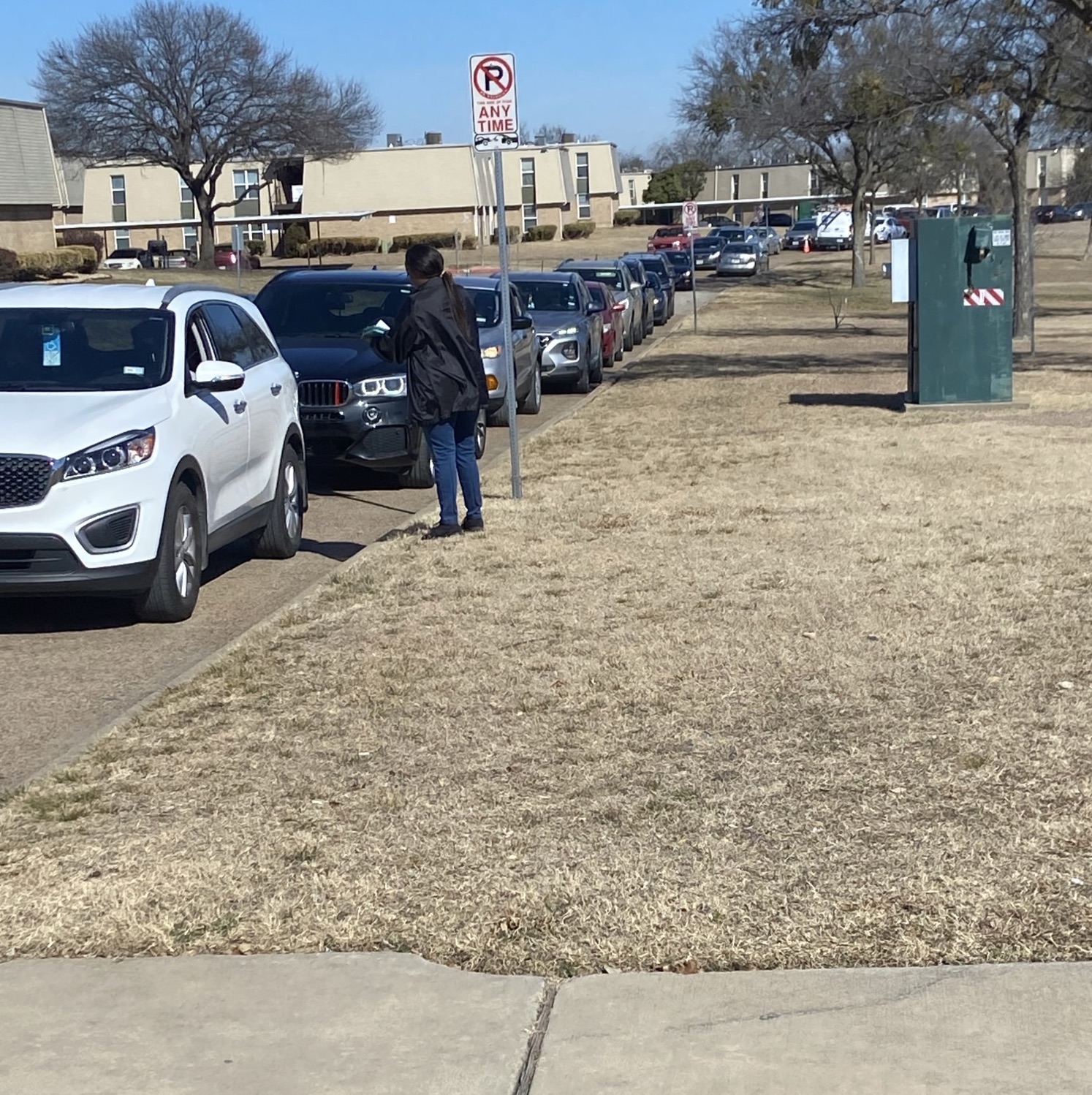
The Dallas Cred team and volunteers affectionately referred to as the “InCREDibles,” distributed food to 185 households and approximately 750 individuals in the community at the Thurgood Marshall Recreation Center, 5150 Mark Trail Way in Dallas. on Feb. 11, 2022.
Dallas Cred held the event in conjunction with Dallas Park and Recreation, the North Texas Food Bank, the Dallas Police Department and other supporters. Dallas Cred is one of Youth Advocate Programs (YAP), Inc.’s violence interruption programs across the U.S. A national nonprofit, YAP provides services in 32 states and the District of Columbia that serve as an alternative to youth incarceration; congregate child welfare, behavioral health and intellectual disabilities placements; and neighborhood violence. YAP advocates for and demonstrates that more effective systems change is possible.
Learn more about YAP at YAPInc.org. Follow the organization on Twitter @YAPInc.
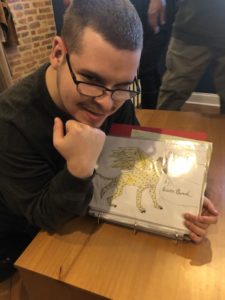
Gavin, a former YAP Behavioral Health program participant, shares his artwork during PSA production.
Youth Advocate Programs (YAP), Inc. has begun production for “But I’m Not,” a unique public service advertising (PSA) campaign designed to raise awareness of safe, effective community-based alternatives to youth incarceration and congregate care/treatment.
Developed in partnership with The CauseWay Agency and Picture Perfect Production & Editorial (PPP&E), the campaign will include digital, TV, radio and print ads that run with the tagline, “Others talk social change; we make it happen.”
A national nonprofit in 32 states and the District of Columbia, YAP partners with youth justice, child welfare, behavioral health, intellectual disabilities, and other systems to deliver neighborhood and family-based rehabilitative and other social services. YAP’s frontline Advocates, behavioral health professionals and intellectual disabilities staff receive training that teaches them to help individuals see their strengths while connecting them and their parents/guardians with basic-needs resources that firm their family’s foundation.
TV, radio and print “But I’m Not” public service announcement (PSA) ads feature three current and former YAP program participants who appear with frontline YAP staff members.
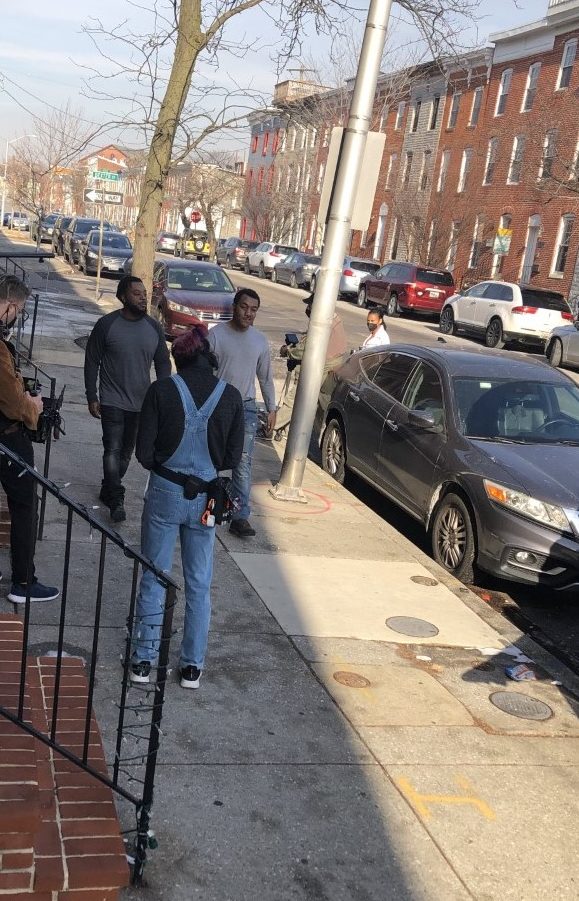
Former YAP Youth Justice Program Participant Tumani, who was recently hired as an Advocate, takes a walk with his former Advocate/now co-worker Jamal.
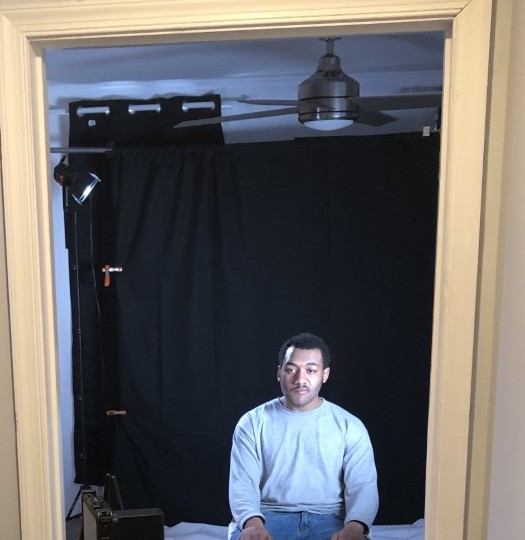
Tumani, age 22, a former YAP Youth Justice program participant, shares how as a youth, he committed crimes, even got shot. “But I’m not a criminal” he says looking into the camera.
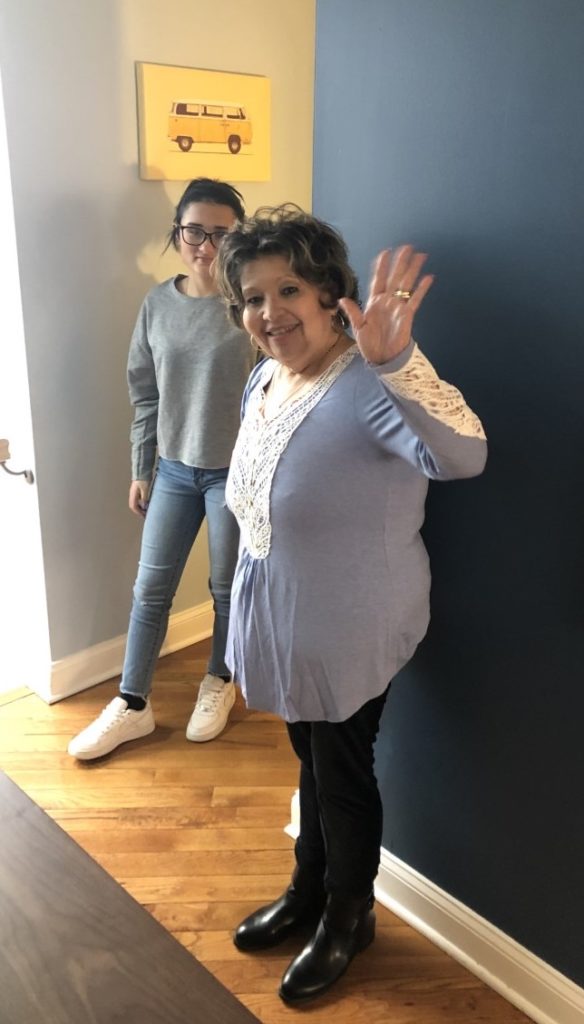
Former YAP participant Jaylyn poses for a picture during photo shoot for YAP PSA campaign.
Jaylyn, age 16, a former YAP Child Welfare program participant, shares how as a little girl, she experienced trauma, acted out, and made mistakes.
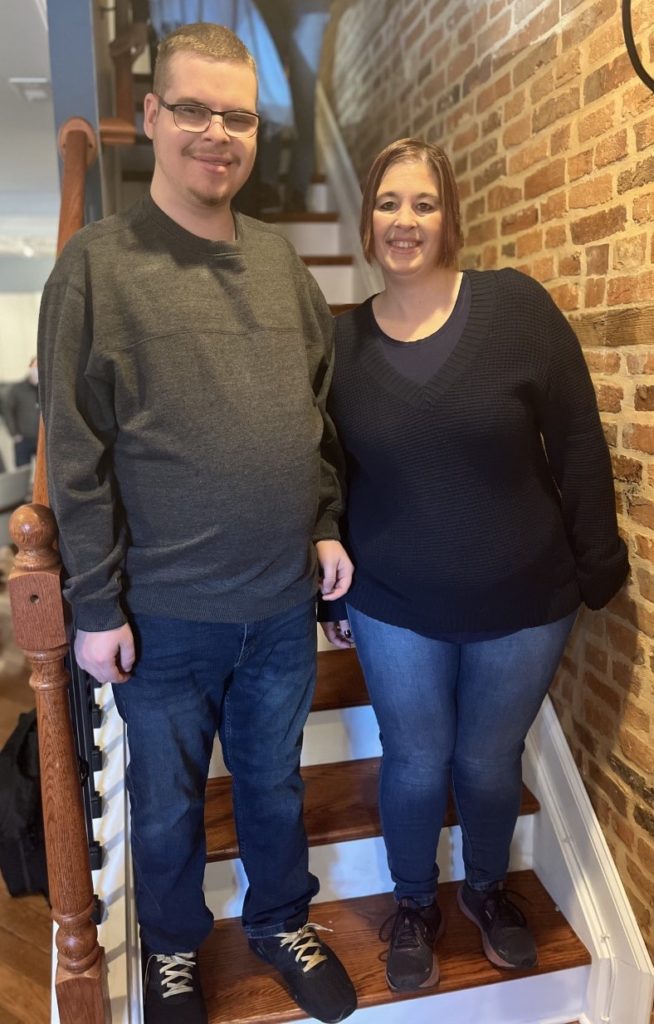
“But I’m not a mistake,” she says. Gavin, age 22, a participant in YAP’s Intellectual Disabilities/Autism program who also received YAP Behavioral Health services, shares how growing up, he was often told what he can’t do, so much that he has often lost hope. “But I’m not hopeless,” he says.
For the ads, Tumani is joined by his former Advocate, Jamal; Jaylyn is joined by her former Advocate, Milly; and Gavin is joined by Frances, a YAP Intellectual Disabilities Specialist Advocate who along with YAP Behavioral Health program staff, have supported him for several years.
Gavin, a former YAP Behavioral Health program participant now works with Intellectual Disabilities Specialist Frances Rimby.
At the end of the 60-second PSA, Tumani tells the audience that now he’s an Advocate, who like Jamal, is helping young people change their lives.
“This campaign brings to light how the power of YAP’s model is its simplicity. Each of our program participants shares how working with our amazing Advocates and behavioral health professionals, they were empowered to truly see and put into practice their unique strengths gifts and talents to help themselves and others,” said YAP Chief Communications Officer Kelly D. Williams. “I’m extremely excited that these public service announcements provide one more avenue for people to see how special YAP is and to highlight how the organization’s work is what social change looks like.”
YAP Advocate Milly prepares for photo shoot with former Child Welfare program participant Jaylyn.
“But I’m Not” seeks to build awareness of YAP as it works to serve more young people and families through expanded youth justice, child welfare, behavioral health, intellectual disabilities, and other social services systems partnerships. The national nonprofit is also expanding partnerships with cities and counties transforming public safety through violence interruption services.
YAP’s digital PSAs are already appearing in searches for people looking for mentoring, advocacy, social services and social justice jobs and partnerships. Video and radio PSAs under production this month will be available to TV and radio stations beginning late March when they will also post for sharing on YAP’s website at www.yapinc.org.
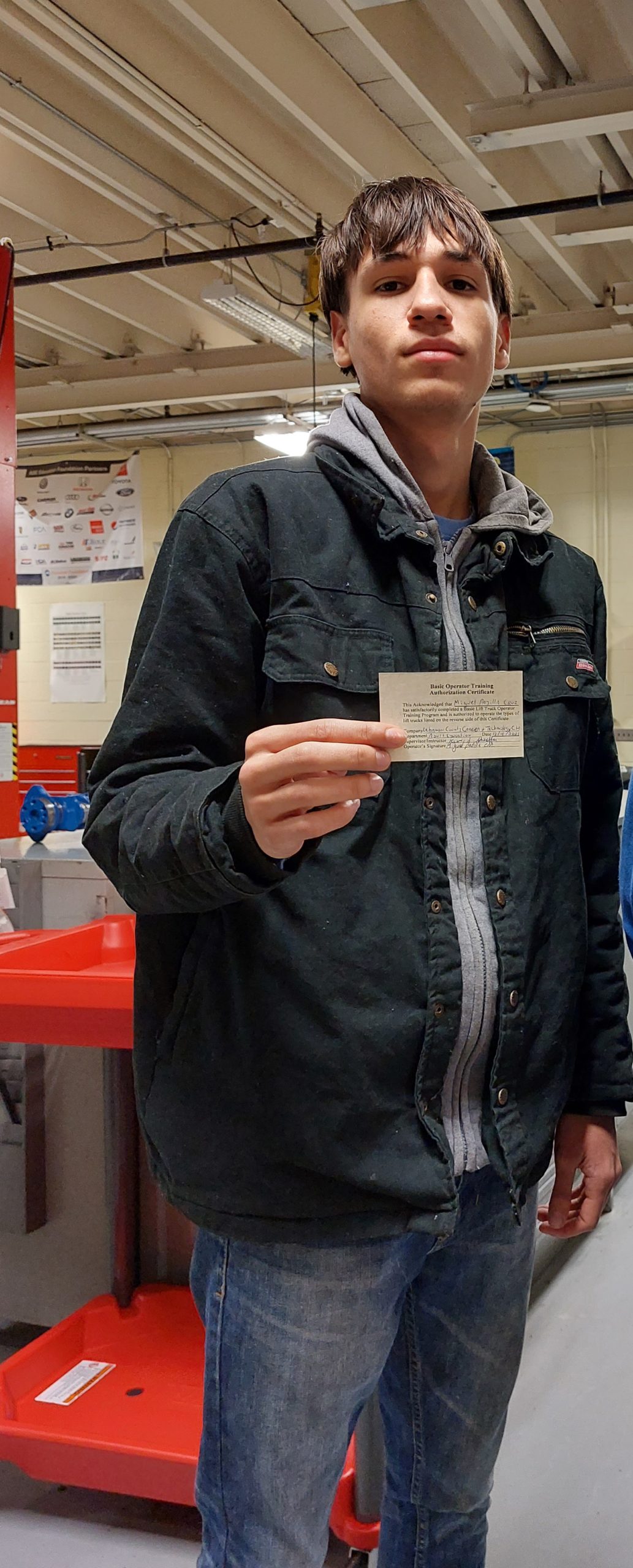
Lebanon County, Pa. – Eighteen-year-old Miquel is leaving Youth Advocate Programs (YAP), Inc., focused on his future with his forklift certificate in tow to help get him there.
“I am proud because it is something that is going to help me,” Miquel said about his accomplishment. “Now I plan on getting a job and getting my GED.”
YAP is a national nonprofit in 32 states and the District of Columbia that partners with youth justice, child welfare and other systems to provide trauma-informed community-based services as an alternative to youth incarceration, congregate placements and treatment, and neighborhood violence. The Lebanon County Juvenile Probation Office referred Miquel to YAP in 2019 after he was missing probation and was skipping school.
“He’s changed, there is growth; but he’s always been a good kid,” said YAP Community Treatment Advocate Jon Melendez. “He’s always been helpful and friendly. He went from being a kid to an adult.”
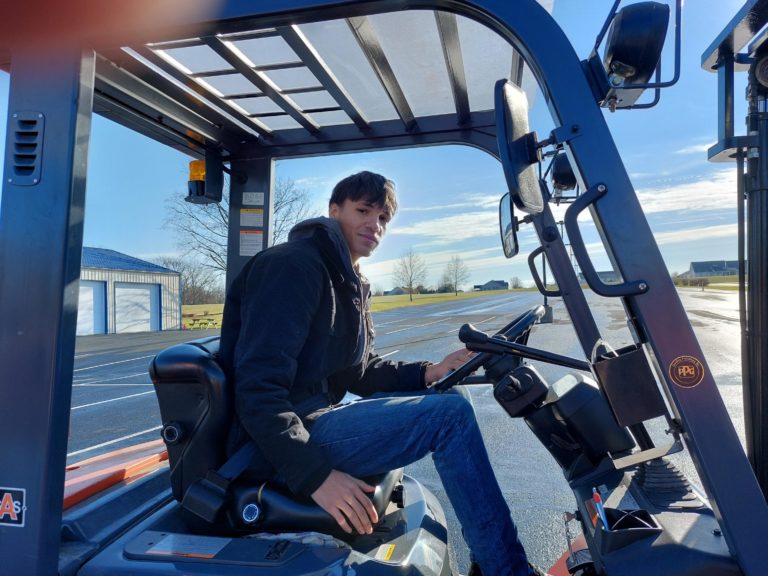
Miquel after earning his forklift certificate.
YAP Advocates and other frontline staff are trained to help young people identify their strengths and empower them and their parents and guardians with accessible tools to turn their lives around. One of the tools available to YAP participants in Lebanon County is Workforce Innovations and Opportunity Act (WIOA), where the qualifications for youth participation in the program are that they have two general barriers to employment.
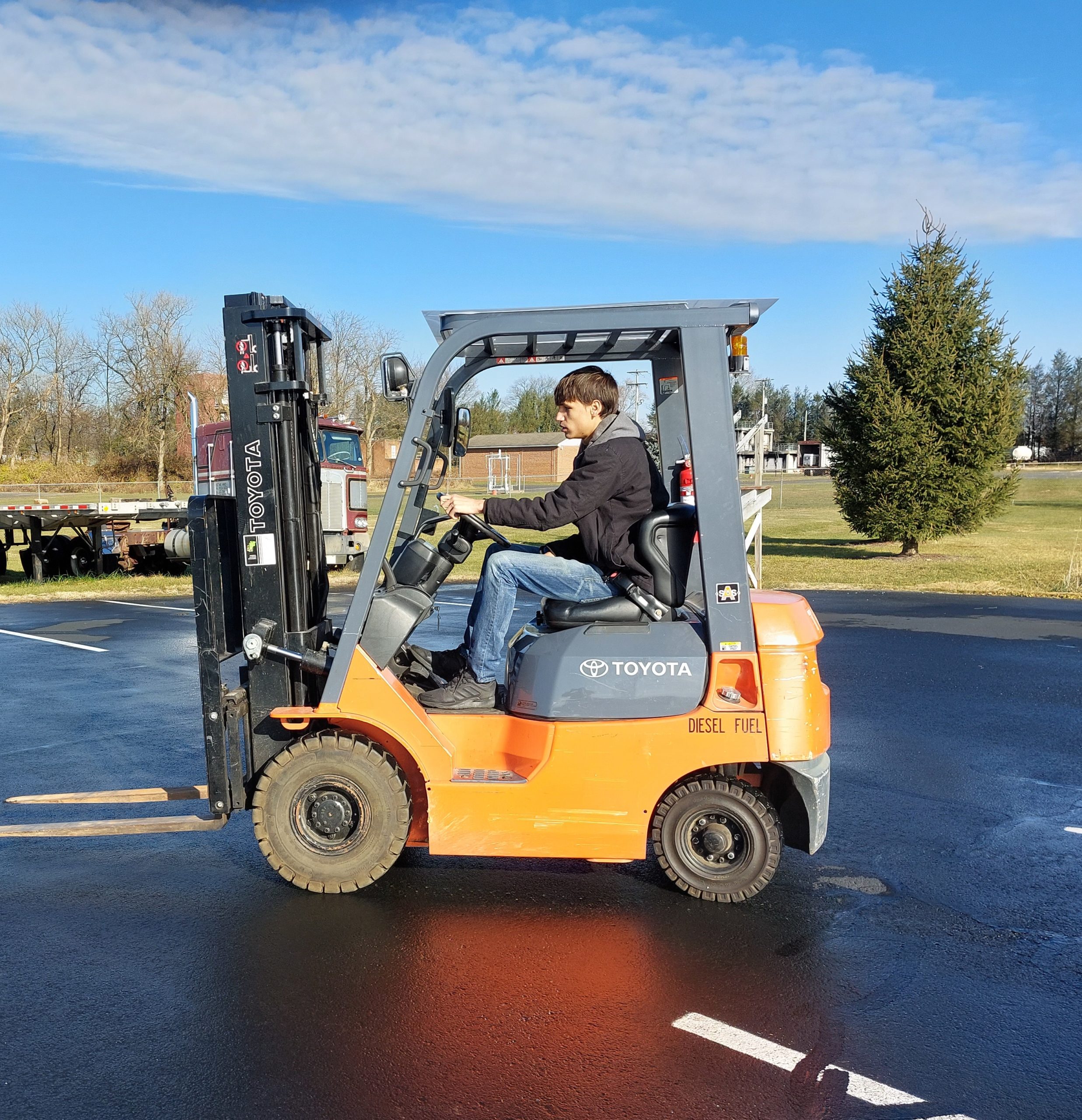
“We try to prepare them for any certifications and anything we can help them get once they turn 18. Forklift is one of the certifications they could pick out,” said YAP Program Coordinator Dee Cook. “The certification was a one-day experience for everything, and Miquel walked out of there with a forklift certificate. Once he tasted that success, I knew he would be fine.”
Cook, who met Miguel last summer, remembers looking in on him during his day-long certification training experience, which included a written test. At one point, she saw him cheering on other participants and showing others how to properly use the forklift.
“I could not believe how he was not only coming around and doing this himself, but he was also supporting others,” Cook said. “It was just the neatest thing for me to watch. I know he felt good.”
Melendez shares Cook’s happiness about Miquel’s achievement, adding that the young man has an opportunity to make good money.
Miquel driving a forklift.
Miquel will begin working at a warehouse this month through YAP Supported work where a local employer provides work experience, and the nonprofit pays the program participant’s wages. Meantime, Miguel will also have an opportunity to participate in YAPWORX, where YAP program participants meet with employers to learn about career options, get support with building a resume, and gain social capital, a network of caring contacts who can help them improve their economic mobility.
Miquel, who finished YAP’s program in December, said he’s going to miss laughing and joking with Melendez but plans to keep in touch.
“I am going to miss him because he was consistent,” Melendez added. “You knew what you were getting with him.”
Youth Advocate Programs (YAP), Inc., in Tarrant County, Texas helped provide Christmas gifts to program participants and their families with the help of Nolan Catholic High School.
YAP, a national nonprofit in 32 states and the District of Columbia, provides community-based youth justice, child welfare, behavioral health, intellectual disabilities/autism, and violence interruption services. Program participants and their families receive wraparound services that connect them to accessible trauma-informed strength-building tools to achieve their emotional, educational, and economic goals.
For more information about YAP, visit www.YAPInc.org. Follow the organization on Twitter @YAPInc.
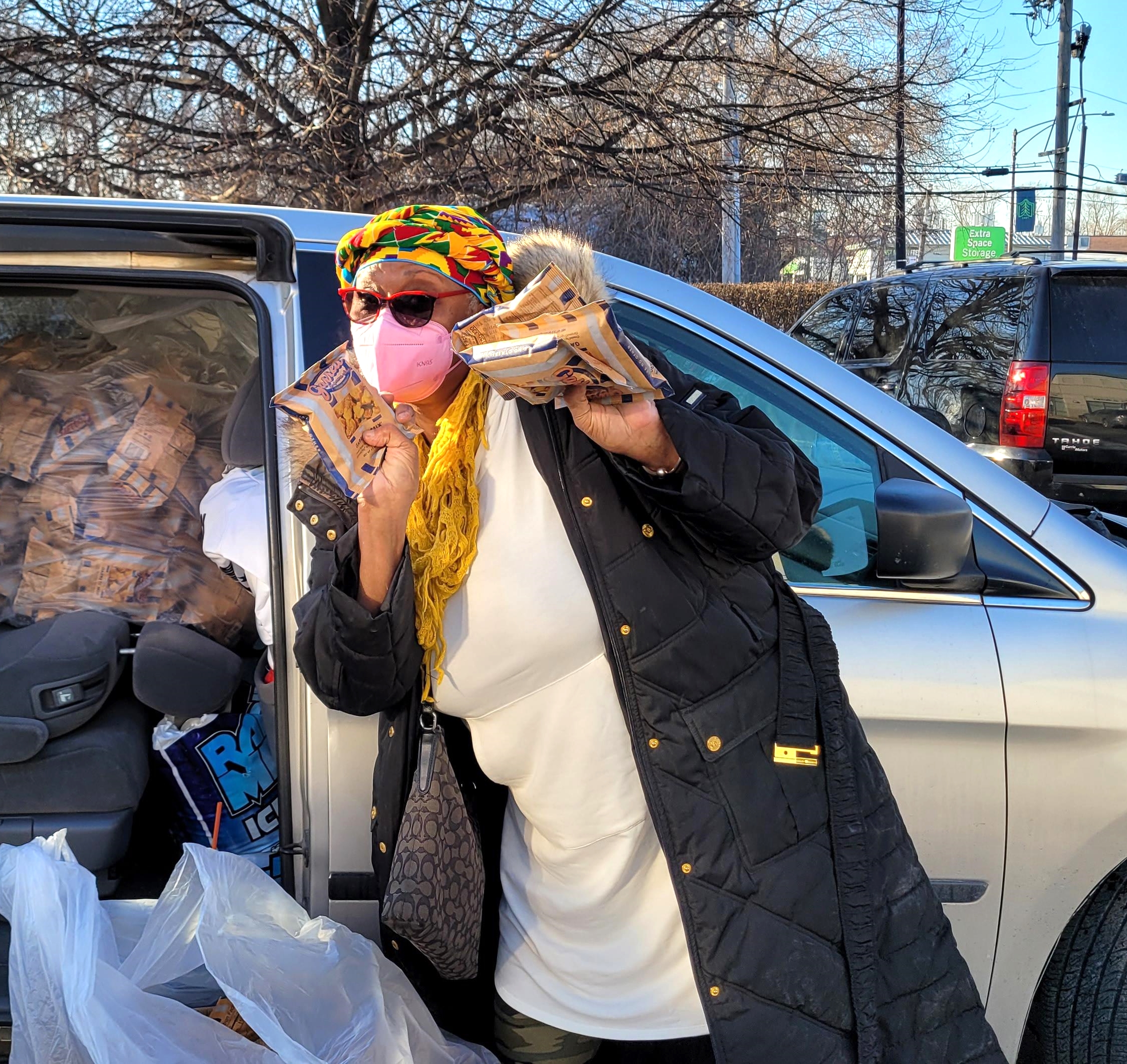
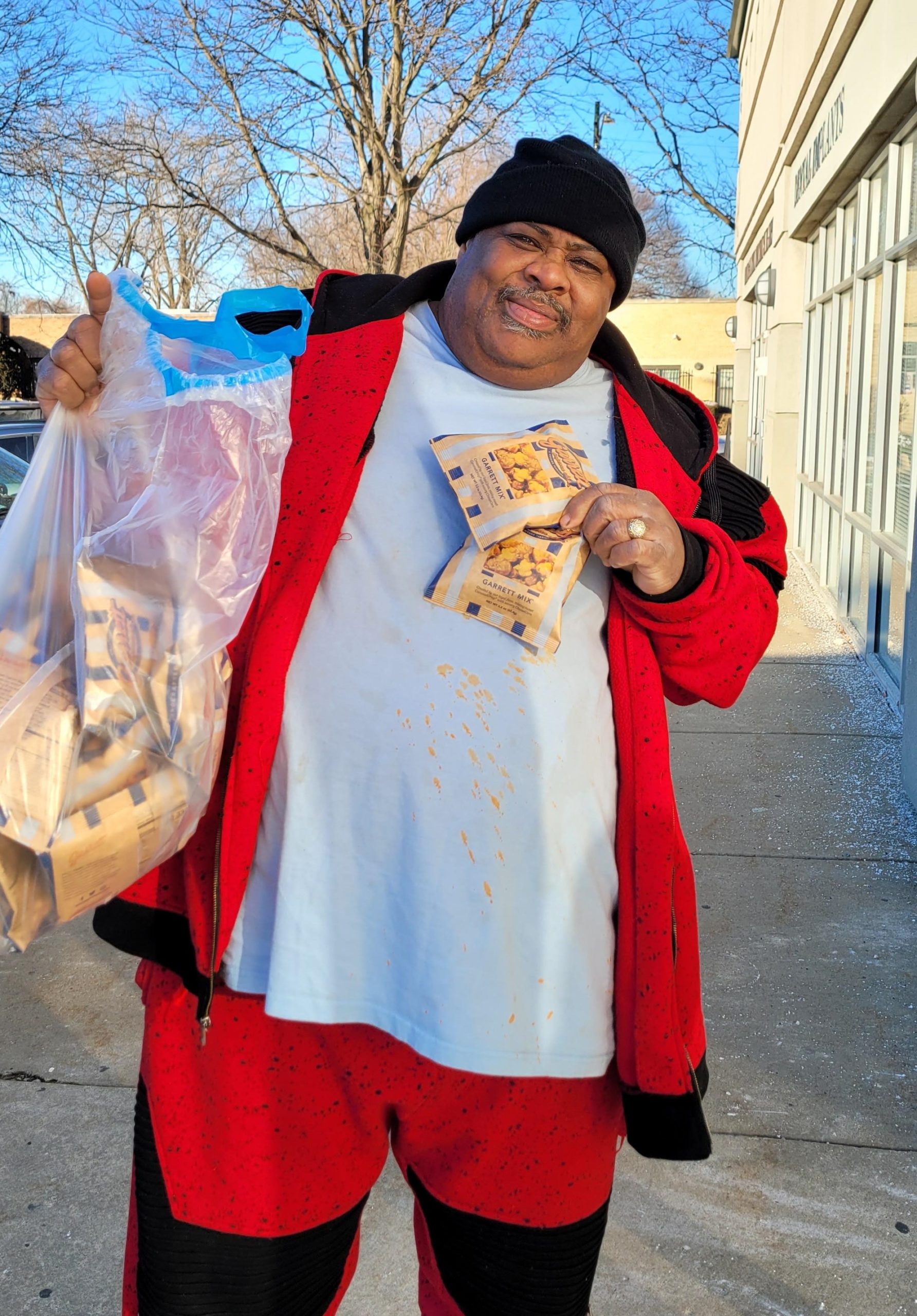
The nonprofits making the delivery include Youth Advocate Programs – or YAP — which partners with Children’s Home & Aid to deliver Choose to Change wraparound and trauma-informed behavioral health services. Joining YAP for the popcorn delivery are New Life Centers and Lifeline to Hope, Inc., two nonprofits that will help CPS reach up to 1,000 students with Choose-to-Change informed programming by the end of 2022.
YAP’s Street Outreach and Violence Prevention Director Kenneth Lewis said the nonprofit employees making the Garrett Chicago Mix deliveries are catching up with Choose to Change students and their families and neighbors at home, church, community centers, barbershops, and other gathering spots throughout the community.
The donation was made possible through talks with Garrett and CPS Chief of Safety and Security Officer Jadine Chou.
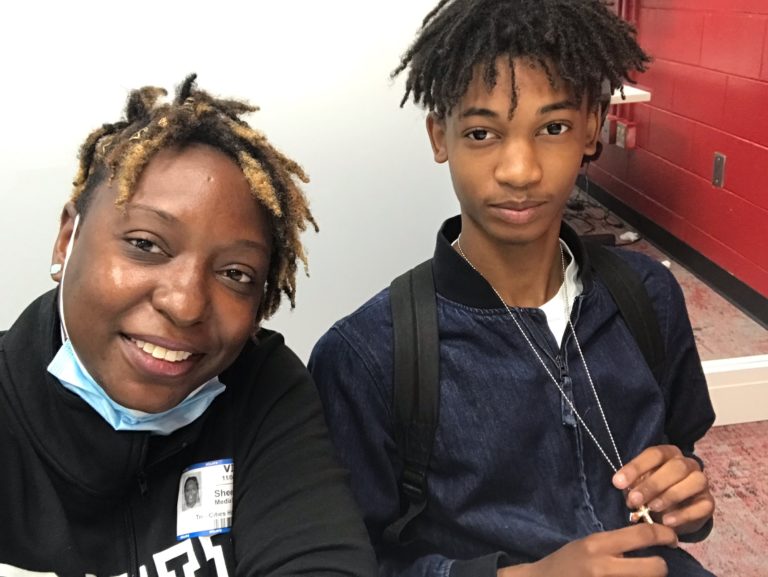
Atlanta, Ga. – “I really enjoy being an Advocate,” said Sheena Cole. “There’s a lot of kids out there who are just lost and need guidance. It definitely takes a village.”
Cole is an Advocate for Youth Advocate Programs (YAP), Inc., a national nonprofit that provides community-based alternatives to youth incarceration, out-of-home child welfare placements, congregate care facilities, and neighborhood violence. YAP is in 32 states and the District of Columbia. In Georgia, YAP has been in Chatham County for nearly a decade but in Fulton County, YAP is a new addition, launching a little more than a year ago.
Cole has been a Lead Advocate and Administrative Manager since the YAP Fulton County office’s opening. Previously, she was an Administrative Manager with YAP in Baltimore. Cole said in the time she has been with Fulton County YAP, she’s witnessed youth become more upbeat and less depressed, open up to her, and most important, trust her.
“It makes me feel like I did something,” she said. “I like having teachable moments with youth.”
YAP’s community-based alternative is a simple evidence-based model that relies on Advocates like Cole, most of them neighborhood-based, who receive special training to help program participants see their strengths and connect them to accessible tools to help them reach their educational, economic, and emotional goals. Additionally, YAP helps parents and guardians by connecting them with basic needs resources – to help them firm the youth’s foundation.
A mom herself, Cole said her relationships with youths’ parents is extremely important.
“When something happens, they call me,” Cole said of the youth participants’ parents. “Even if they need to vent, they know they can call me. Everybody talks to me, and I talk to them.”
Cole has taken her Atlanta program participants to historic and impactful places including a local Black owned gallery, the National Civil Rights Museum, Dr. Martin Luther King’s birth home and Dexter Avenue King Memorial Baptist Church, which King once led. The trips help keep youth excited and build trust.
“YAP is always open to letting us try different things to connect with the youth,” Cole said. “Some of them are so used to their own environments that they’re not used to anything outside of it.” Cole has also taken youth to neighborhood boxing classes and introduced them to documentaries they can watch at home with their families.
Fulton County YAP Director Haasan Smith described Cole as the carburetor of the program in Atlanta, adding that all of the Atlanta Advocates have the great ability to build a rapport with youth and families, and exercise empathy and understanding when working with them.
“Sheena is always willing to help, provide assistance with staff and families, and is always searching for resources or other needs for the families we serve,” Smith said. “Her ability to balance her professional life and her life as a mother is handled by her very well; not to mention how being a mother helps her to better understand and respond to the youth we serve as well as their parents.”
For Cole, being an Advocate for youth and families with complex needs leaves her with a good feeling. It also works for her need for balance in her own life.
“Being an Advocate is unique and special,” Cole said. “Sometimes, it’s really like a 24-hour job, especially if that other parent is [struggling and] absent from the youth’s life. You have flexibility to be able to work with youth whenever they’re available.”
If you’re interested in becoming a YAP Advocate, visit www.YAPInc.org. Follow the organization on Twitter @YAPInc.
Ashley Randall and Delaney Harris turn pain into passion for helping others
Lexington, Kentucky – Ashley Randall and Delaney Harris have experienced most of the things the youth and their families they serve have. That’s what makes their bonds with those in their programs so special. Both experienced trauma as children that spurred them into advocating for young people.
Randall serves as Kentucky Youth Advocate Programs (YAP) Inc.’s Program Director for the Alternatives to Detention, Prevention/Diversion, and School Based Mentoring Programs. Harris, Randall’s coworker, oversees the nonprofit’s School Based Mentoring Program in Fayette County, Kentucky. YAP is a high-impact social justice nonprofit that partners with youth justice, child welfare and other social services systems in 31 states and the District of Columbia to provide community-based alternatives to youth incarceration, out-of-home placement, and neighborhood violence.
Randall says as a child, she suffered from sexual, physical, and emotional parental abuse. Born in Illinois, Randall’s parents abandoned her and gave guardianship of her to a family friend in Missouri. Her father got custody of her at age 8, moving her to Illinois, before she was sent to live with her biological mom in Memphis whom she had not seen since infancy. While in Memphis, Randall attended several schools where she recalls being the only white student and teased because of it.
Ashley Randall.
“I went to three different schools in three months,” Randall explained. “Then a young girl befriended me, but she was really trying to traffic me for her uncle. I was living an absolute miserable life.”
Randall also ended up living in Wisconsin for a week with her mom before they moved back to Tennessee. She would eventually live with her maternal grandfather in Kentucky for two years before he passed away. Guardianship was taken from her mother and father. Eventually a couple she babysat for received guardianship of her for three years before she got pregnant at 16 and moved out on her own.
“I was one of those YAP kids,” Randall said. “I was scared about where I was going to live.”
Like Randall, Harris had a difficult childhood. At age 11, she was sent to a juvenile detention center for running away from home. She said she remained in the foster care system until she was 17 where she and her only sibling were separated, living in different group homes. While in the system, Harris said she suffered from abuse, was discriminated against because of her sexuality, and experienced many other trauma related incidents.
“I was put in nine different homes and I ran away from eight,” Harris said. “When I exited foster care my dad committed suicide and then just a few years later my mom died of cancer. I’ve been on my own since I was 17.”
Born in Little Rock, Arkansas, Harris also lived in Phoenix until she was 8, then returned to Arkansas until she was 12, and then moved to Kentucky where she lives now.
“I was in 14 different high schools by the time I was supposed to be a senior,” she said. “Nobody was transferring records. I had to drop out and get my GED.”
Delaney Harris.
Growing up in foster care had a tremendous effect on Harris’ social skills because as a teenager she wasn’t allowed to have a cell phone or utilize social media.
“Before foster care I had a lot of friends and was very social, but when I came out I didn’t have any friends,” Harris said. “Nobody wants to be friends with someone who can’t hangout or text on the phone.”
Her background is what sparked her to seek employment at YAP. She previously worked as a preschool teacher, but her mother’s death prompted her to make a career change.
“I was an at-risk teenager so it’s definitely rewarding to be able to work with kids this closely in some of the same circumstances that I found myself in as a kid,” Harris said. “I had a lot of social workers, but I never had somebody that was just there for me. I didn’t have anyone advocating for me or wanting to hear my side of the story. That’s a big reason why I do this job, is to be someone who I needed when I was younger.”
Harris and her ex-wife adopted a daughter who was in foster care and she also became a licensed therapeutic foster parent.
Randall is married with six kids. She and her husband are also former foster parents. Harris and Randall share a close bond as both friends and colleagues.
“Ashley and I started together at YAP basically at the same time,” Harris said. “We have walked in the fire and the rain together. We have been in crisis situations until 2 a.m. On more than one occasion I’ve seen (Ashley) put herself out there for our kids.”
Randall said working at YAP is a personal mission for her and Harris.
“We serve a population of youth that otherwise don’t get the additional support that they need,” she said. “We wrap around the kid and the family. I just don’t think there’s anything else out there like that. We hone in on the kids’ strengths and their interests. We help strengthen their family unit.”
YAP’s Midwest Regional Director Jamaal Crawford said Randall and Harris are dedicated to the mission of YAP and are passionate.
“Ashley goes above and beyond in providing the best quality of services to our youth and families,” Crawford said. “She cares about her community and wants to be a part of making it better. Delaney continues to show investment in her work by putting 110% in everything she does. She is a positive role model for the Advocates she works with as the youth that she works with.”
Randall said her adoptive parents encouraged her to take everything negative she’s been through and turn it into something positive.
“That’s what I’ve tried to do,” Randall added. “This work is so rewarding, even if I can just help one kid. We will be serving our community and YAP as long as YAP will allow us. We’re passionate about it.”
Harris agrees.
“We’re not just a bunch of stuffy adults that are in the office telling you what to do,” Harris said. “It’s important that we can relate to these kids. I’ve walked this path and been there and now I can help them also walk through it.”
Learn how you can join the YAP team or support the nonprofit’s mission at www.YAPInc.org. Follow the organization on Twitter @YAPinc.
Los Angeles, Calif. – Tamika Quillard, who wasborn and raised in Baltimore, and now lives in southern California, believes in the mission of Youth Advocate Programs (YAP), Inc. In fact, for her, it’s personal.
YAP is a national nonprofit in 31 states and Washington, DC that partners with youth justice, child welfare and other systems to provide services in communities instead of placing young people in institutions like jail or congregate treatment or group homes. YAP Advocates and other frontline staff are trained to help program participants see their strengths while connecting them and their families with tools to firm their family foundation.
Quillard said from age 7 to 12, she was placed in foster care when her mother was confronted with complex challenges and felt it would be best for their wellbeing.
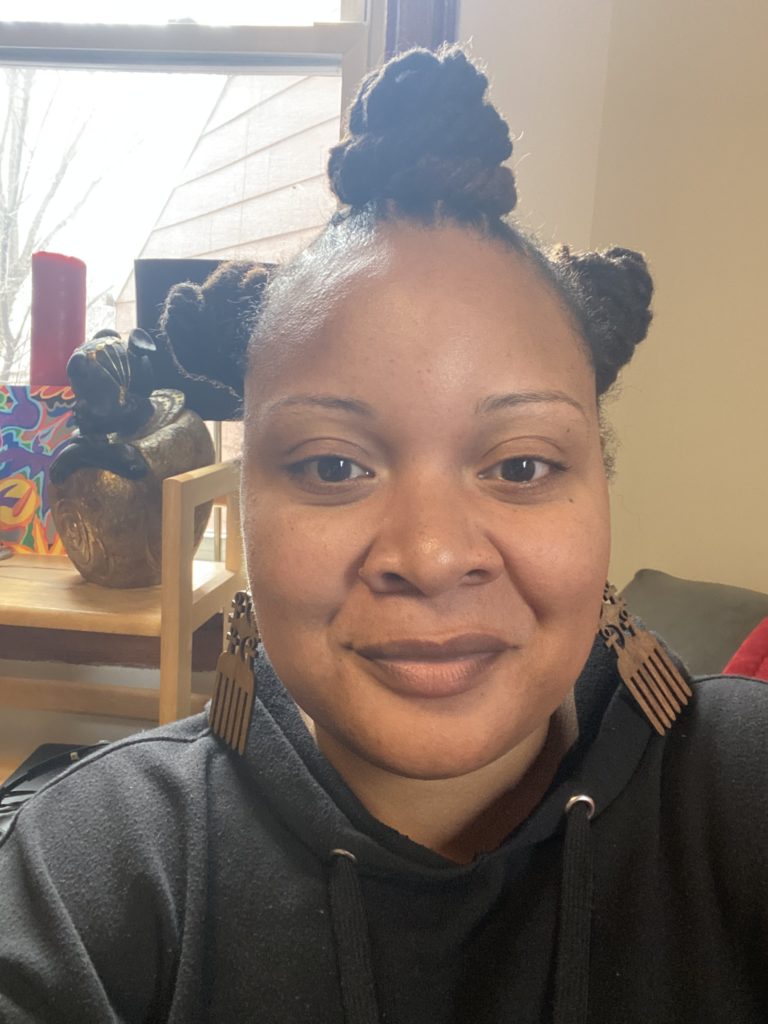
Tamika on vacation in Cuba.
Quillard says, the family she lived with had a lot of good structure, but that she was one of seven children in the care of the couple who were in their 60s.
By the time Quillard and her brother returned home, her mother had remarried and had other children. She has no ill-will toward her mother for taking care of her health, safety, and stability.
“I’m not upset at my mom for taking care of her wellbeing at the time; in fact, now that I’m a mother, I realize how important a mother’s mental health is,” she added. “The daily challenges that most mothers of color have to go through is daunting. All of us really, not just mothers.”
Quillard, who leads YAP’s social media efforts, says if the nonprofit was available to her family when she was a child, perhaps an Advocate could have provided her family with some wraparound services so that she and her brother could have remained at home.
“There was a YAP then, but she just happened to be the caring mother who lived down the street,” Quillard said referring to neighbors looking out for kids in earlier years. “That sense of community doesn’t exist anymore, but YAP fills that hole. In the 70s and 80s, neighbors would say ‘I’m taking all the kids on the block fishing.’ It takes a YAP Advocate to do that now. YAP picks up where those earlier caring neighbors left off.”
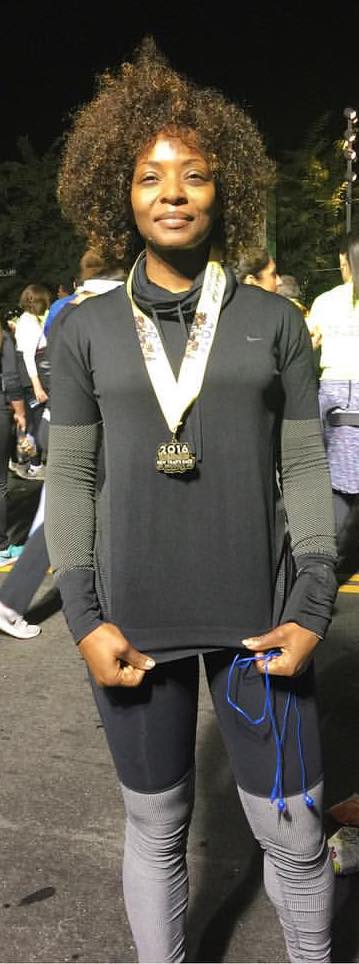
Tamika after she completed a marathon in 2016.
An early stand out for drawing and design skills, Quillard auditioned and was accepted into the prestigious Baltimore School for the Arts alongside stars Jada Pinkett and Tupac before continuing her education at Moore College of Art and Design in Philadelphia, the only undergraduate women’s private art and design school in the U.S. After graduation she landed a job at Black Entertainment Television (BET) in Washington, D.C., where she worked for seven years. She then relocated to Los Angeles and freelanced with the cable television network for another 10 years.
Tamika as a baby.
A mother of two, Quillard’s childhood is an example of why working at a place with a mission to help young people and their families is imperative to her. She said it has been a lifelong goal to change the narrative about foster youth and youth involved in the justice system because they are valuable, and they matter.
“My childhood used to be a source of shame and embarrassment, but now it is a source of inspiration and endurance,” she added. “Because of my lived experience, I feel like I know exactly where the head of these kids are. You’re always 50 percent desperate for stability, 25 percent hopeful and another 25 percent responsible about doing what you got to do. Our childhoods are a short moment of time in our lives. How and where we are born doesn’t dictate where you are going.”
Learn how you can join the YAP team or support the nonprofit’s mission at www.YAPInc.org. Follow the organization on Twitter @YAPInc.
Chicago, IL — Carla Felton sees herself in many of the young people she works with. She’s Assistant Directorat Chicago Youth Advocate Programs (YAP), Inc., where she’s on theChoose to Change (C2C) team. A national nonprofit in 31 states and the District of Columbia, YAP provides community-based alternatives to youth incarceration, out-of-home congregate care, and neighborhood violence. C2C is a partnership with YAP and Children’s Home & Aid evaluated by the University of Chicago Crime Lab and Education Lab, which found it reduces the impact of trauma on youth living in neighborhoods impacted by high levels of violence.
“Unfortunately, untreated trauma led to a lot of suffering and struggling [for my family], which meant a painful childhood for me that included chronic school absences and changes, depression, frequent moving and periods of homelessness,” Felton said. “At our lowest, I remember sleeping on a mattress in a church basement.”
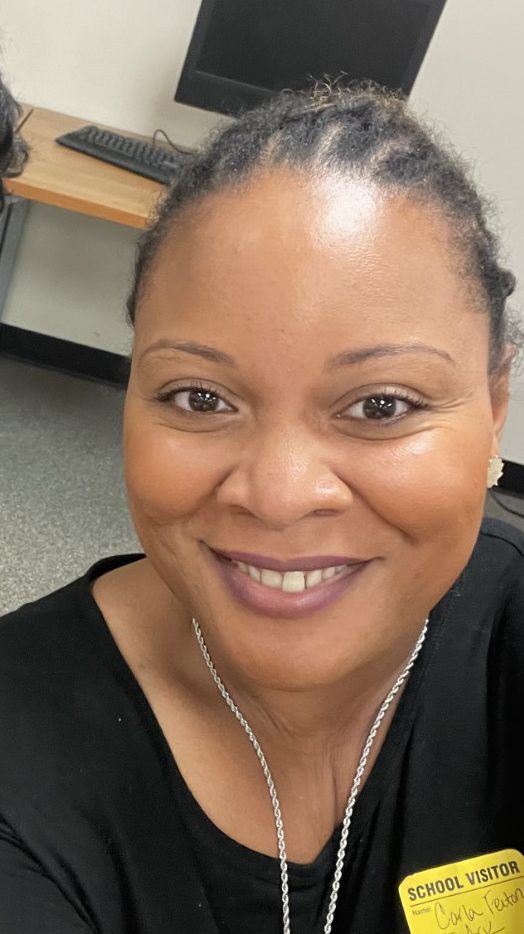
Carla Felton knows first-hand the trauma experienced by the young people she works with
Choose to Change serves students who may have justice system involvement, and/or have been exposed to violence, or like Felton when she was a CPS student, experienced high levels of trauma with poor school attendance.
“There were times when I didn’t go to school at all,” Felton said.
In October, Chicago Public Schools (CPS) announced that increased funding for the program will enable YAP and Children’s Home & Aid to expand services and train four smaller nonprofits to provide C2C-informed programming.
“There is nothing more important than the safety of our children, and the pandemic has had an adverse impact on our young people, especially in the area of their safety, which is why we are taking further steps to ensure our children are safe and inside of the classroom where they belong,” said Mayor Lori Lightfoot. “This expansion will not only change the lives of our participating youth, but it may also save lives.”
For its part in C2C, YAP applies its national model of providing neighborhood-based Advocates who deliver intensive wraparound services that include mentorship, connecting participants with jobs and resources, and helping families meet basic needs. Children’s Home and Aid provides weekly group therapy sessions, which program participants attend with their YAP Advocates. University of Chicago Crime Lab and Education Lab data have found C2C reduces violence and improves school attendance among participants.
“The impressive results of the Choose to Change program demonstrate that it will be an important strategy to safeguard our students from the harmful effects of trauma,” said CPS CEO Pedro Martinez. “While we are overjoyed to have returned to in-person learning, we know that our students are coping with issues beyond the classroom and it is imperative that we look to programs like Choose to Change to help ensure that we are supporting all of our students, especially in the area of promoting their emotional well-being.”
Felton is excited about the possibility of more young people receiving trauma-informed services, saying that C2C helps struggling youth and their parents connect with tools to help them get their lives on a positive track. She said resources are very individualized and might include tutoring, job resources, help with groceries or utilities, or connections to extended family members, which she said was a lifesaver for her as a child.
“My aunt once gave me four quarters and told me to use them if I ever had an emergency,” she said. “In pain and feeling helpless one day when I was 12, my mother took my brothers and me to the police station and said she could no longer care for us. I went to a pay phone and called my aunt who ran to the station to step in.”
Felton completed high school at SennAcademy where she met another student, who had been placed in foster care with a family not related to her. While she missed the opportunity to live with her mother, stories from her classmate made her feel fortunate that she was at least with family and still in her mom’s life.
Felton said she was ultimately adopted by her aunt and that with support from a community resource, the Loyola University Upward Bound Program, she began to combat the impact of the traumatic experiences of her childhood.
“I had the experience of a great mentor and campus life, which helped prepare me for college,” she said. “It took sometime for me to finally complete college, but I eventually graduated with my master’s degree in nonprofit administration.”
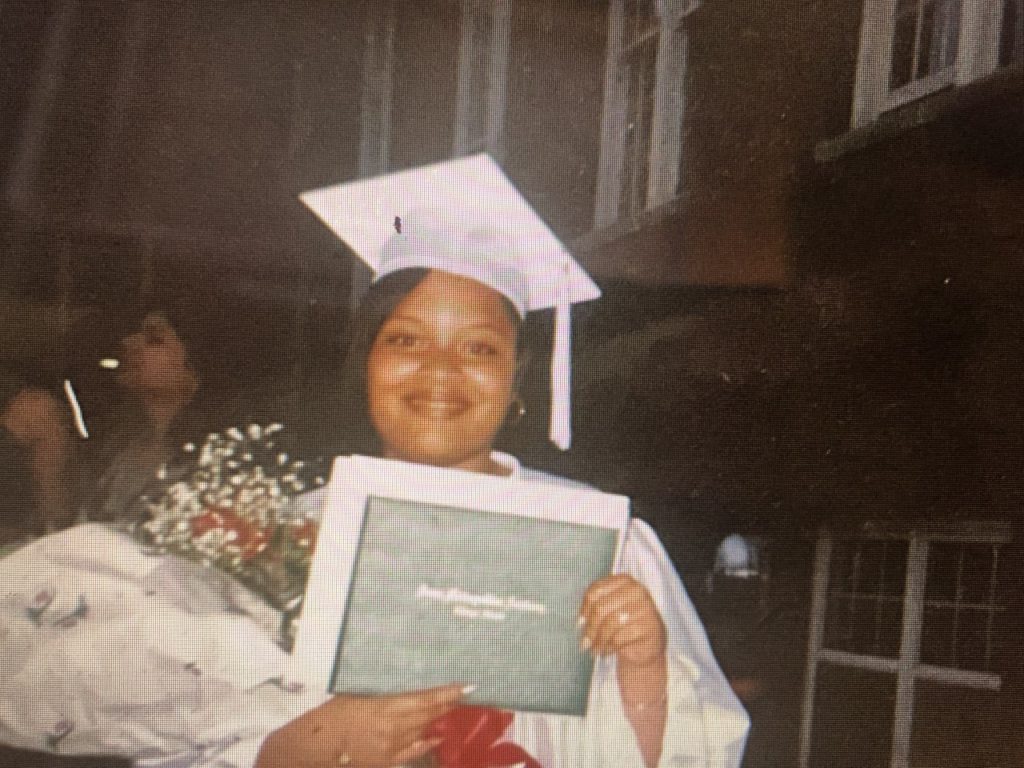
Carla at her high school graduation
Prior to joining the staff at YAP as an Advocate, Felton worked first as a volunteer at Deborah’s Place, later managing the organizations’ housing programs for homeless women. She said that experience helped her understand the value of service providers having shared experiences with program participants.
“I had the same experience as the clients, so naturally, I served them with dignity and respect,” she said.
Over the years, Felton stayed in touch with her high school friend, who later went to work for YAP and introduced her to the organization.
“During my first training, I said ‘Yup; they get it. YAP understands the power of strengthening and supporting families. We need this as a community. I started off as an Advocate, eventually moving to a Lead Advocate, then being promoted as an Assistant Director,” she said. “I always tell my team of Advocates, I work for you. I am here to serve you. I want to make sure you have what you need to be Advocates to our amazing youth. They deserve it. I don’t play; if you want to be on my team…you better be serious. Our young people need Advocates.”
The four community-based programs that will receive training to provide C2C-informed programming include Bright Star Community Outreach in Bronzeville, New Life Centers of Chicagoland in Little Village, Lifeline to Hope in West Garfield Park, and BUILD Chicago in Humboldt Park. In addition, later this year, CPS will issue a call for proposals for additional community-based organizations in communities with high rates of violence to implement the program.
To learn more about C2C and how you can support the program, please visit www.ChoosetoChangeChicago.org. To join YAP, either to work on the Chicago C2C team or the organization’s youth justice or child welfare community-based-alternatives to placement programs across the U.S., please visit www.YAPInc.org. Follow YAP on Twitter @YAPInc.
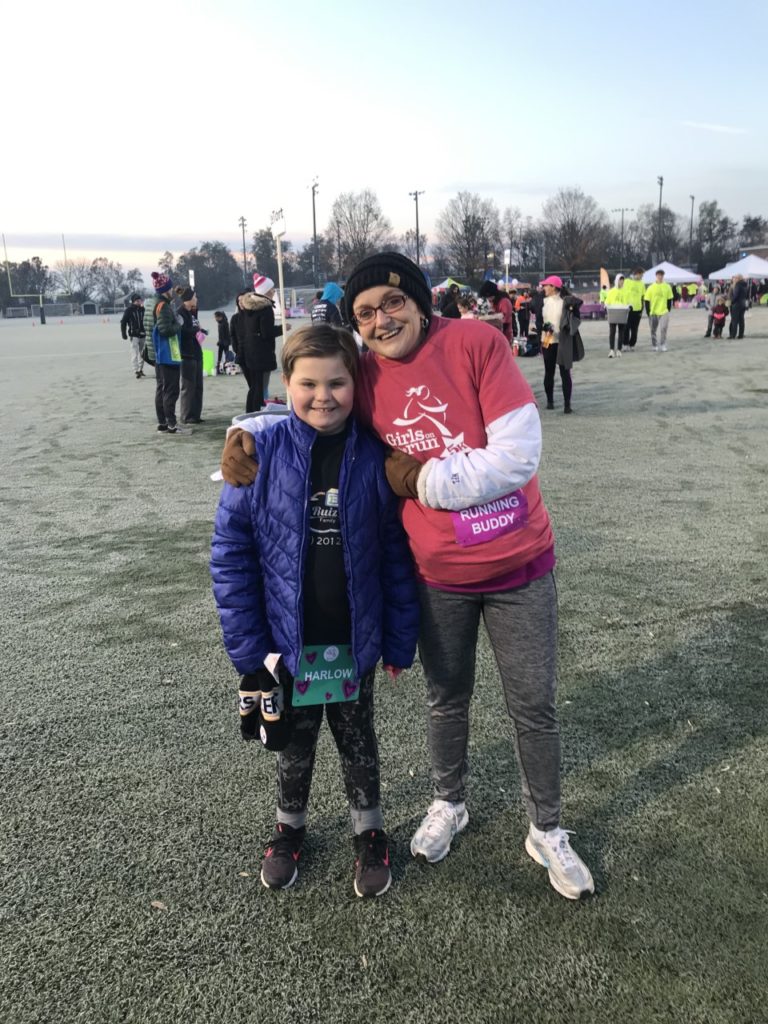
Lancaster County, PA — A couple of weekends ago, Amber learned the true meaning of being an Advocate for Harlow, a program participant in Lancaster County (PA) Youth Advocate Programs (YAP), Inc. YAP is a 46-year-old national nonprofit in 31 states and the District of Columbia that provides community-based alternatives to out-of-home congregate care and child welfare and youth justice placements.
As Harlow’s Advocate, Amber uses her YAP training to help the eight-year-old see her strengths and connect her to tools to achieve positive goals. After learning about Lancaster’s Girls on the Run 5K event, Amber worked with Harlow’s mother to encourage her to participate.
“Girls on the Run is focused on building girls’ confidence and helping them see their unique ‘star power’ strengths,” Amber said.
Preparation for the race required about three months of group training. A few weeks in, Amber learned Harlow had been breaking some rules.
“She was consistently eloping and causing the staff to have to disrupt the lesson,” Amber said.
Harlow, YAP Participant
YAP Advocates are trained to relentlessly help young people see their strengths and connect them with tools to achieve their goals. At the same time, they work with program participants’ families to provide resources needed to firm their foundation. Amber saw Girls on the Run as a powerful tool in Harlow’s toolkit.
“I’m in no way, in shape or form [for a 5K] but didn’t want her to miss out on this wonderful program,” Amber said. “I then agreed to spend the next eight weeks training for this run with Harlow.”
It meant spending every Monday and Thursday with her, physically getting ready for the run while encouraging Harlow along the way.
“This program is full of girls empowerment and lessons on how to address conflict and different behaviors all while doing the running to train for the event,” Amber said. “The coaches are tremendously amazing people and full of encouragement, positivity and patience.”
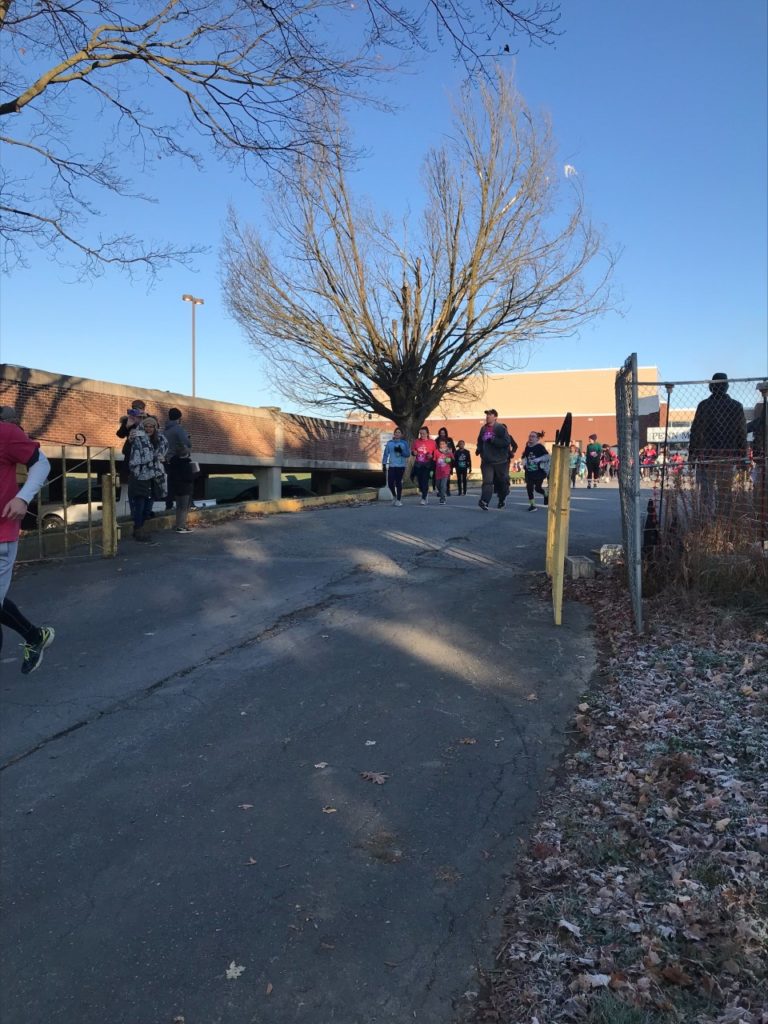
Girls on the Run Race Day
Amber said the experience gave Harlow the attention she needed. While she has been with YAP for three years, she said the training also helped her, strengthening her understanding of what it takes to provide individualized services needed to yield positive outcomes.
“I had a blast as well as learned many new great tools to put in my toolbox for my work.”
The lessons did not come easily. Race day posed some of the biggest challenges.
“The run was quite a struggle, as Harlow started off very excited and at full speed when we first began. She made it through the first mile and then wanted to give up. By the time we got to the second mile, she literally stated, ‘I don’t care anymore, and I don’t want to finish,’” Amber said. “I reminded Harlow that she is a part of a team and that Miss Amber and her parents and sister all came out to support her and that she can show them all her gratitude by completing the race and that if she completes, she is going to feel proud of herself.”
Amber was worried when her pep talk didn’t turn up Harlow’s energy. Then she noticed something. The harder she worked to move forward the more Harlow tried to keep up.
The event provided lessons for Amber and Harlow
“We finished and she was very excited then and did admit that this was worth it. This is all about Harlow and her success and how hard she worked to get through this,” Amber said. “It was quite a lot of exercise and she truly had to push herself to get through this. Seeing the growth and empowerment that all of these girls are taught was truly a gift that will keep on giving and for that I couldn’t be more grateful to experience this.”
Like other Advocates and frontline workers at the national nonprofit, Amber is driven by the YAP’s “no reject; no eject” guiding principle.
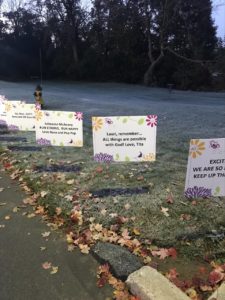
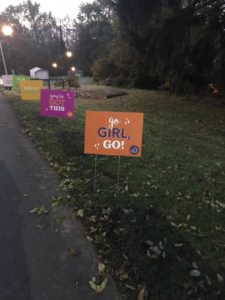
Signs of encouragment lined the course
If Harlow didn’t understand this before the race, she no doubt gets it now. She stayed the course, and her Advocate was with her every step of the way.
“She knew that Miss Amber was under no circumstances going to let her give up,” Amber said.
Learn more about YAP at YAPInc.org and follow us on Twitter @YAPInc.
Nonprofit Employer Lets these Siblings Share their Family Values with Others
Harrisburg, Pa. – Born and raised in Pennsylvania’s capital, Dominque Morgan, and Don Urrutia are siblings who share a passion for making a difference in the community they grew up in. Today, as adults, they still live not far from one another in Harrisburg, the headquarters of Youth Advocate Programs (YAP), Inc., where they both also work.
YAP is a high-impact social justice nonprofit that partners with youth justice, child welfare and other social services systems in 31 states and the District of Columbia to provide community-based alternatives to youth incarceration, out-of-home placement, and neighborhood violence. Mostly neighborhood-based frontline YAP Advocates and behavioral health professionals are trained to help program participants see their strengths while working with their families to firm their foundation.
Siblings Don Urrutia and Dominque Morgan.
“I got into some trouble when I was younger so I can relate to having to dig yourself out of a hole. Damage is done to these kids before we even have the opportunity to meet them, Urrutia, 47, said. “YAP gave me an opportunity when my resume didn’t strongly reflect that I deserved one. With my sister working at YAP, I would see (the organization) active in the community and my gut told me this is a good opportunity to align myself with. I was very appreciative of the chance.”
Urrutia is the Assistant Director of the Dauphin County Community Treatment Center, a partnership between YAP and Dauphin County Probation Services. Urrutia is fast-approaching four years with YAP. He helps youth, ages 14-18 who have been referred to YAP through the courts, through recreation, social interaction, picking up or dropping them off, facilitating group therapy or more. Coming up on her 15th year at the nonprofit, his sister works at Tri-County Behavioral Health, a separate YAP program, as a Behavioral Health Consultant. In her role, she supervises behavioral health staff, and helps to provide wraparound support for teachers, youth participants, and their families.
“It’s hard to find African Americans in our community that can relate with our youth,” said Morgan, who feels that people who have the passion for the work might not know they would be considered, recalling the hesitancy her brother felt before he applied. “He was kind of leery, but he went in for an interview, got the job and accepted the position. He has done well, and he has moved up since he has been on board.”
More than half of Harrisburg’s population is African American, according to the U.S. Census Bureau’s 2019 statistics. Morgan said it’s important for youth and families to see representation with the people they serve.
“I am a first-generation college student, and I don’t mind sharing that with anyone,” said Morgan, who received her undergraduate and graduate degrees at Hampton University, an Historically Black College/University in Virginia. “Seeing your own is important.”
Urrutia agrees that representation matters. He said that some people are afraid of the youth, but he’s never felt that way.
Don Urrutia and Dominque Morgan when they were children.
“I just always felt comfortable and it’s a natural fit to service the boys,” Urrutia said. “My goal is to spark young men’s mind, to get them to understand how the world works, and inform and enlighten them on things that they won’t be taught in high school.”
The work, while rewarding, hasn’t always been easy for Morgan and Urrutia who have both been devastated over the years after losing a few program participants to violence. Morgan lost two young men, one age 20 whom she worked with from kindergarten through fifth grade. The other youth, who was 18 at the time of his death, was supposed to graduate from high school this past May. Morgan had worked with him from kindergarten to eighth grade. Both were murdered.
“To watch them go so far, be discharged because they met goals and have their life taken, it was tough,” Morgan, 45, said. “That’s why I think that the program my brother runs is so necessary because the violence is getting worse in this area.”
Urrutia also had a youth in his program who was killed. He had just taught the young man how to tie a tie.
“He was an awesome kid. It was a shock to the center,” Urrutia said of the youth. “It really reaffirmed how important this work is.”
Before joining YAP, Morgan spent six years in education, first as a teacher and then in an administrative role where she noticed a lot of children with behavioral issues. In turn, she sought out to work with children directly through therapeutic services.
“I have a passion working for children; I have a social workers heart,” Morgan said. “I often see how inner-city children are left behind. I service all areas, but throughout my years at YAP, I’d say 90 percent of my caseload has been with inner city clients. It’s rewarding work. Everyone has to work together, and they have to want the services to work.”
Morgan takes her time in getting to know the youth, their families, teachers and even principals, which she says is imperative in developing a relationship with program participants to earn their trust.
“I am only 5 feet tall,” Morgan added. “I don’t stand very tall, but they respect me. I have no issues with being disrespected or having my personal space being invaded because I’ve had them since they were so young.”
Additionally, Urrutia, who is also a barber, cuts program participant’s hair and was instrumental with helping his team create a call-in number to conduct virtual group sessions during the height of the pandemic.
“I wear working at YAP as a badge of honor…my decision making, who I associate with, I am always thinking about my family name, my career and the company’s name. It feels good and is rewarding to both work professionally and give back within the community that (my sister and I) were both raised in,” said Urrutia, who attended Norfolk State University, another HBCU.
Dominque Morgan cheers with the Alumni squad at Harrisburg High School.
Both Morgan and Urrutia are thankful for YAP. Those who work with them say the feeling is mutual.
“They’re great examples of the power of recruiting staff from the same community as our kids,” said Bob Swanson, the YAP’s Regional Director of Central Pennsylvania. “Both are born and raised in Harrisburg, have deep ties to the community, and strongly value their communities with a special heart for our kids and families.”
For more information about YAP, please visit www.YAPInc.org. Follow YAP on Twitter @YAPInc.
Compton, CA — At age 19, George looks back to the person he was three years ago and is grateful that he had a chance to turn his life around. He thanks Reggie Cooper, his Advocate, for believing in him and more important, making sure he believes in himself.
Reggie Cooper, George’s Youth Advocate Programs (YAP), inc. Advocate
Cooper works for Youth Advocate Programs (YAP), Inc., the national nonprofit in 31 states and the District of Columbia that partners with youth justice, child welfare and other systems to provide community-based alternatives to youth incarceration, congregate placements, and neighborhood violence. YAP opened an office in Los Angeles in late 2019, partnering with Shields for Families for referrals.
George feels fortunate that he was offered a community-based alternative to incarceration, where the opportunities he has received through YAP would have been nonexistent. He’s also glad that he gave Cooper a chance, saying he was hesitant when they first met, even suspecting that he might have been an undercover police officer instead of a YAP Advocate.
“People will fake a relationship,” he said.
George was hesitant when he first met Cooper.
But true to YAP’s “no reject, no eject,” never-give-up approach, Cooper persisted; and it worked.
“I actually talked to him. He came to the crib,” George said. “I was like oh, Reggie’s cool.”
YAP’s cost-effective, evidence-based model is simple. The nonprofit hires culturally competent Advocates, most of whom, like Cooper, live or grew up in or near the neighborhoods they serve. The Advocates receive training that helps them empower program participants to see their strengths while connecting them and their parents and guardians with tools to firm their family’s foundation. Among promising Office of Justice Programs (OJP) youth justice diversion initiatives, YAP’s alternative-to-youth incarceration programs serve many young people whose histories include serious offenses, multiple arrests, and lengthy out-of-home placements. John Jay College of Criminal Justice research found 86 percent of program participants remain arrest free, and six – 12 months after completing the program.
George prefers not to talk about what led him to YAP, seeing it as part of a past he is determined to leave behind. With support and encouragement from Cooper, he’s now dual enrolled in high school and an electrical line technician trade school program. His Advocate also helped him apply for a scholarship for a trucking program. He now has positive options that prior to his arrest, he would have never imagined.
“I saw George’s strengths right away,” Cooper said. “He’s smart and focused. It was just a matter of connecting him to the right tools to help him use his strengths to set his life in a new direction.”
Reggie turned his life around and returned to his community to help others do the same.
Like George, Cooper knows firsthand that change is possible. Growing up in Inglewood, he was involved in activities as an adolescent that could have also landed him in prison. Things got so bad that his mom moved the family to St. Louis where her son could have a fresh start. Cooper made changes in his life and earned a bachelor’s degree from the University of Missouri St. Louis.
Cooper told George about his Inglewood childhood, which helped them bond. But George said what really did it was when he learned that the two have the same taste in music, with both of them naming Meek Mill and the late Lil Snupe among their favorite rappers.
George is on track to receive his diploma early next year. Beyond that, he will take advantage of the many options that his YAP Advocate is connecting him to.
George is grateful that through YAP, he has options for a bright future
He also plans to follow Cooper’s example of giving back to his community, beginning with sharing his story with the hope that it will help the program expand in Los Angeles and give other young people tools to help others see their strengths and improve life for themselves and their families.
To learn more about YAP and how you can join the organization or support its work, please visit www.yapinc.org. Follow the organization on Twitter at @YAPInc.
Saginaw, Michigan – At 16, he said he finally understands that it pays to listen to his parents. It’s a lesson that came when months in juvenile detention and group homes failed to change his behavior. The youth, whose name this publication is withholding for confidentiality purposes, said it wasn’t until he met Brian Palmer with Michigan Youth Advocate Programs (YAP), Inc. that he began to see his strengths and work with his parents to achieve his goals.
“I was in trouble before YAP,” the youth said. “Now I am working on listening a lot more right now and helping around the house. (Brian) helps me with everything.”
YAP, a national nonprofit in 31 states and the District of Columbia, provides community-based alternatives to detention, youth prison and other away-from-home congregate placements.
YAP Michigan Advocate Brian Palmer.
“He’s a lot more open now. He’s had issues with his anger, but he’s working really hard toward that,” Palmer said. “I love interacting with the kids and knowing that I can actually help them change for the better.”
The Michigan Department of Health and Human Services (MDHHS), refers youths at moderate to high-risk of being placed in residential facilities to the community-based alternative. With its “no-reject, no-eject” policy and track record with its evidence-based model, YAP accepts all program partner referrals.
Since launching in Michigan in late 2020, YAP has served youths in Saginaw, Mecosta, Osceola, Ogemaw, Roscommon, Isabella, and Clare counties. MDHHS brought YAP in with start-up funding from the nonprofit’s Safely Home grant, made possible through a generous donation to the nonprofit from Ballmer Group.
YAP’s culturally competent, mostly neighborhood-based Advocates help young people identify their strengths and empower them and their parents with accessible tools to turn the youths’ lives around. In addition to supporting the program participant, Palmer also served as an Advocate to one of his brothers and works with the entire family to ensure that all seven children’s basic needs are met, firming the family’s foundation.
“I taught them how to barbecue, fish and let them cook lunch for us,” Palmer said. “It’s a good coping and life skill to go out and make dinner for yourself.” “Central Michigan lends itself to fishing and outdoor activities that teach patience and other good coping skills, he added.
“Before (the boys) got into the program, they were agitated and they didn’t listen very much because they thought they could do what they wanted to do which is what most teenagers do nowadays,” the youth’s stepdad George Crawley said. “Now YAP seems to be helping. If we need someone to talk to or for advice, they are right there. They work with the whole family.”
Learn more about YAP at YAPInc.org. Follow the organization on Twitter at @YAPInc.
Charlotte, N.C. – A regular presence in the Beatties Ford Road Corridor is what helps bring trust to the Charlotte-Mecklenburg County Alternatives to Violence team.
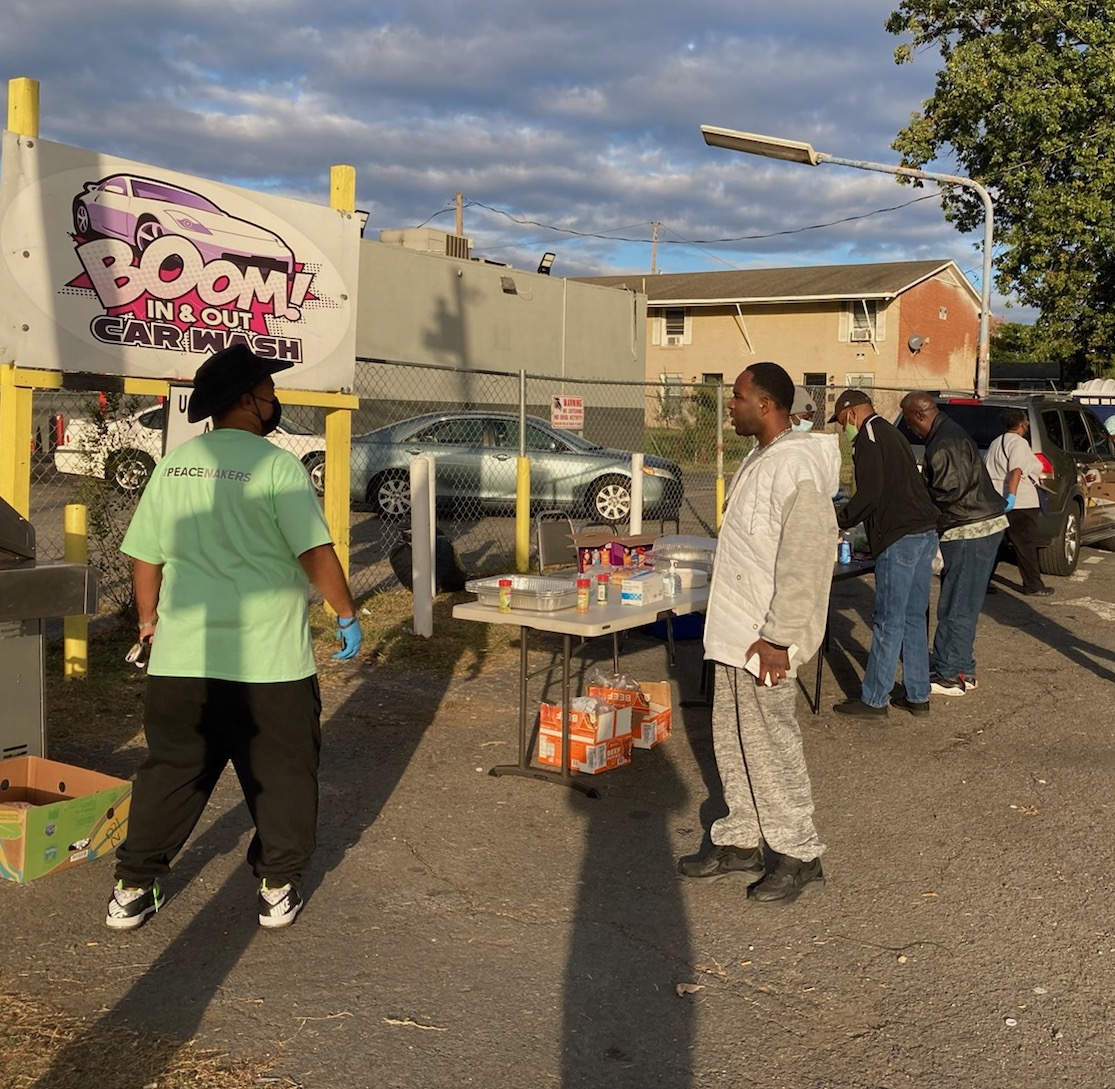
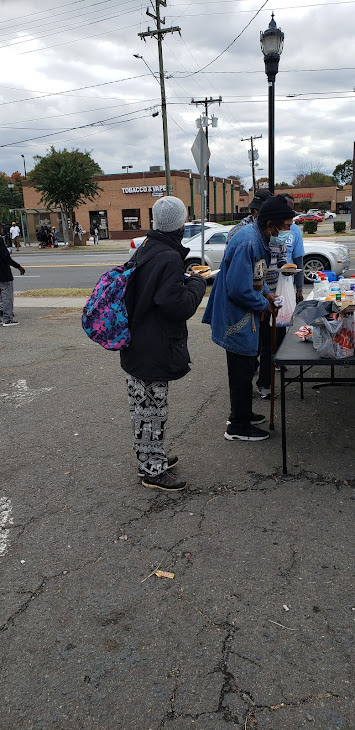
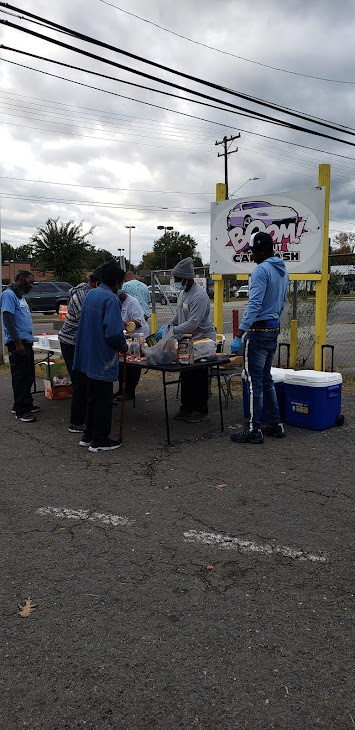
On Saturday, Oct. 30, the ATV team spent the afternoon grilling hot dogs and hamburgers, passing out personal protective equipment (PPE), educational materials and greeting anyone who stopped by to say hello at a Community Day event they hosted at the Boom In & Out Carwash on Beatties Ford Road.
“People were pulling up and stopping in their cars,” said Belton Platt, the Youth Advocate Programs (YAP), Inc. Site Supervisor of ATV. “We were being there for the people. I believe in consistency. My team is so passionate about the work over there.”
Charlotte ATV Site Supervisor Belton Platt (left) and team member Jamal Davis (right) during ATV’s Community Day.
ATV is a partnership with YAP, the City of Charlotte, and Mecklenburg County, in seeking to provide alternatives to violence by mediating disputes and connecting individuals who might otherwise be involved in violence to accessible individualized economic, educational, and emotional alternative-to-violence wraparound services and tools.
The work started in the summer, and since then the team actively walks the corridor daily deescalating violence, providing help and speaking to residents. ATV also holds monthly events to establish trust and familiarity within the community. The team hosted a Community Peace and Love Fest in September.
“It benefits the mission of YAP and the ATV program, and that is building relationships in the community and furthering our credibility inside the community,” Platt added. “We were able to connect people with different resources (during the event).”
In addition to serving hot dogs and hamburgers, ATV provided chips, coleslaw, drinks, and distributed food boxes for families in need.
“Around the end of the month people don’t have food,” Platt added. “By the end of the month people are struggling and trying to make it. We wanted to be a blessing to the community. As we continue to do this work, I believe it is making tremendous end roads.”
YAP is a national nonprofit in its 46th year of operation committed to providing alternatives to youth incarceration and congregate placements. In communities in 31 states and the District of Columbia, YAP provides community-based services as an alternative to youth detention, prison and other out-of-home treatment, therapy, and care. For the past six years, YAP has been applying its unique operating principles to the Cure Violence disruption model to introduce violence interruption programs to cities across the U.S.
In addition to the ATV program, YAP also has a youth justice program, which works with youth and their families to provide alternatives to incarceration, and wraparound services such as employment, housing, and behavioral health.
Learn more about YAP at YAPInc.org. Follow the organization on Twitter at @YAPInc.
North Texas — These days, when 16-year-old Terry faces a challenge, he breathes deeply and forces himself to think of something that makes him happy. The exercise is part of an emotional toolkit he assembled three years ago while receiving behavioral health services from Youth Advocate Programs (YAP), Inc.’s Bryan Humphrey.
“Three years ago, this wouldn’t have been Terry. With some of the things he’s gone through, he would have flipped out on someone,” said Vanessa, Terry’s mother. “When he gets frustrated, he can talk it out now and I’m so proud of him.”
Terry with his mom, Vanessa
A national nonprofit in 31 states and the District of Columbia, YAP partners with youth justice, child welfare, and behavioral health systems to provide community-based alternatives to youth incarceration, out-of-home placement, and residential treatment. YAP has been in the Dallas Metroplex for two decades, providing alternatives to detention, gang intervention, substance abuse prevention, and mental health services. The organization also recently became a provider of a violence prevention program called Dallas Cred. While YAP’s youth justice and child welfare program participants are referred by systems partners, recipients of the nonprofit’s violence prevention and behavioral health services can access YAP’s services directly. Individuals and families enrolled in Texas Medicaid or who have Children’s Health Insurance Plan (CHIP) can access YAP’s behavioral health services at no charge to them.
“YAP’s services are unique and therefore changing the trajectory of the lives of young people who are too often negatively impacted by incarceration and other congregate placement and treatment,” said YAP President Gary Ivory.
Tarrant County, Tx Youth Advocate Programs (YAP), Inc. Qualified Mental Health Professional Bryan Humphrey.
YAP’s evidence-based program model includes matching program participants with culturally competent, mostly neighborhood-based service providers who meet them where they are — in their homes or wherever they feel comfortable. Through its North Texas services, YAP is addressing a growing behavior and mental health crisis.
Terry said that during his darkest moments, he considered taking his life more than once.
“I was not motivated. I felt suicidal,” he said.
Before connecting with Humphrey, Terry saw a couple of mental health counselors but could not make a connection. Then a nurse told Vanessa about YAP. “And along came Bryan,” she said.
“When he first came over, he had on a Brooks Brothers suit. But the next time, he was wearing jeans and I thought, ‘OK, he’s just like us. “He can relate to my son as a young Black man. He even came over for dinner once and ate with us. That’s something I know most therapists would never do.”
Terry remembers that first day, too, saying that it didn’t go well at all.
“At first I thought he was like everybody else. “He had on a suit. I talked to him but didn’t connect; I wasn’t sure where he was coming from.”
Terry bonded with Humphrey on the basketball court
Soon, the location of their meetings changed. Humphrey started dressing to impress — in head-to-toe basketball gear. Each session at the neighborhood park started with a game where Terry jokingly said he realized there were a few things he could teach his counselor, too. But he agreed with Humphrey that a lot of serious business was also handled on the court.
“Working with him over time, I was able to get Terry to see that behaviors have consequences and that through coping techniques, he can keep himself from reacting in a way that will only make his challenges worse.”
Terry was struggling with lingering behavioral health challenges triggered by a life-altering traumatic series of events that had begun months earlier.
“I was at my middle school graduation and was looking around for my mother,” he said. Vanessa had been arrested after a computer repair technician saw someone else’s identity information on her secondhand computer. Terry remembers suddenly living with his father with no explanation.
“I kept asking, ‘Where’s mom?’ But no one would tell me. I had to figure it out. I was really sad,” he said. ‘My mom is a big support; I wanted her to see my achievements. I wasn’t able to talk to her. I didn’t know what was going on. I had a big whirlwind of emotions.”
Terry said he stopped applying himself at school. He pretended to be ok and became the class clown.
“Her being locked up; I locked up my emotions,” he said. “I had to hide it.”
When he could no longer hide it, he lashed out at his father.
“I got mad at him a lot. I had a lot of hatred. I blamed my dad.”
When his mom was released 53 days later, Terry learned she had lost her job and their home, which further fueled his anger. Then one day, an altercation with his father got physical.
“When I did what I did to my dad, I wouldn’t forgive myself,” he said. Bryan helped me with that, and he made me see the point of view of my dad and everyone else.”
Terry said each time with Bryan left him with a coping tool.
Terry in 7th grade
“He opened my mind. There were new lessons every time,” he said. “One of the first lessons that sticks with me is breathing. Taking in air when you’re angry and thinking of the things that make you happy instead of focusing on that thing that makes you mad.”
Vanessa saw her son making changes, opening up, and becoming the Terry she missed. Meantime, she said Humphrey also equipped her with skills to better guide her son’s journey.
“Bryan taught me to listen and not be so quick to jump the gun,” he said.
YAP discharged Terry from the program after a couple of years. Since then, he says there have been many times where he has had to pull from the toolkit that Humphrey helped him assemble. He recalled how early in 2020 just before the pandemic set in, he sustained an injury during a high school basketball game that left him unable to walk.
“[Before the injury] I’d been thinking that if I worked hard enough, I could go overseas and play after high school. Now I was in rehab for three months. It was hard,” he said. “But I never got down on myself. I stayed moving forward.”
Now a junior in high school Terry is catching up in school, back to practicing basketball and working part-time at a neighborhood grocery store.
Terry at his part-time job
“Sometimes he can still be a teenager. But now I have my son back — that sweet demeanor has returned. He’s now helping his sister when she’s going through things. The kid’s phenomenal,” Vanessa said. “The other day at his job, someone gave him a $50 tip, and he’s already getting a promotion to cashier. It’s awesome. I thank the Lord for YAP.”
YAP is hiring qualified mental health professionals, neighborhood-based Advocates, and other frontline workers. To learn more about YAP’s services and how you can join the organization’s staff in North Texas and across the nation, please visit www.YAPInc.org. Follow YAP on Twitter @YAPInc.
Note: Qualified Mental Health Professionals have a Bachelor’s in a human service field (psychology, social work, medicine, nursing, rehabilitation, counseling, sociology, special education, etc.) They have experience working with youth who have had a diagnosable mental, behavioral, or emotional disorder that limits the child’s role or functioning in family, school, or community activities

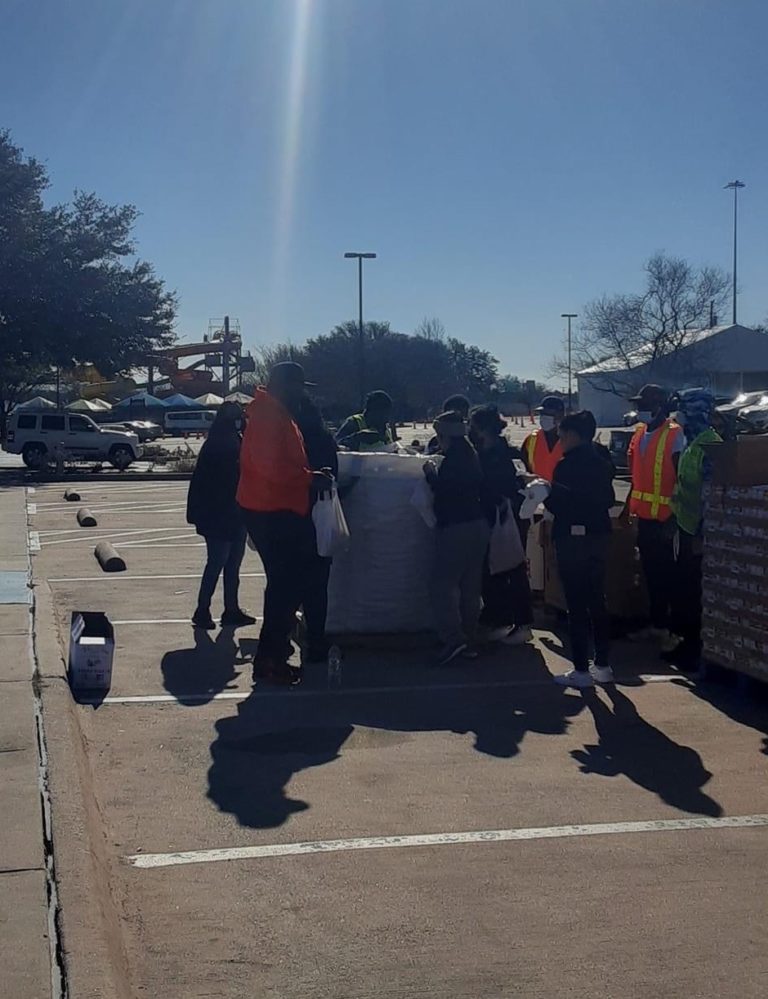



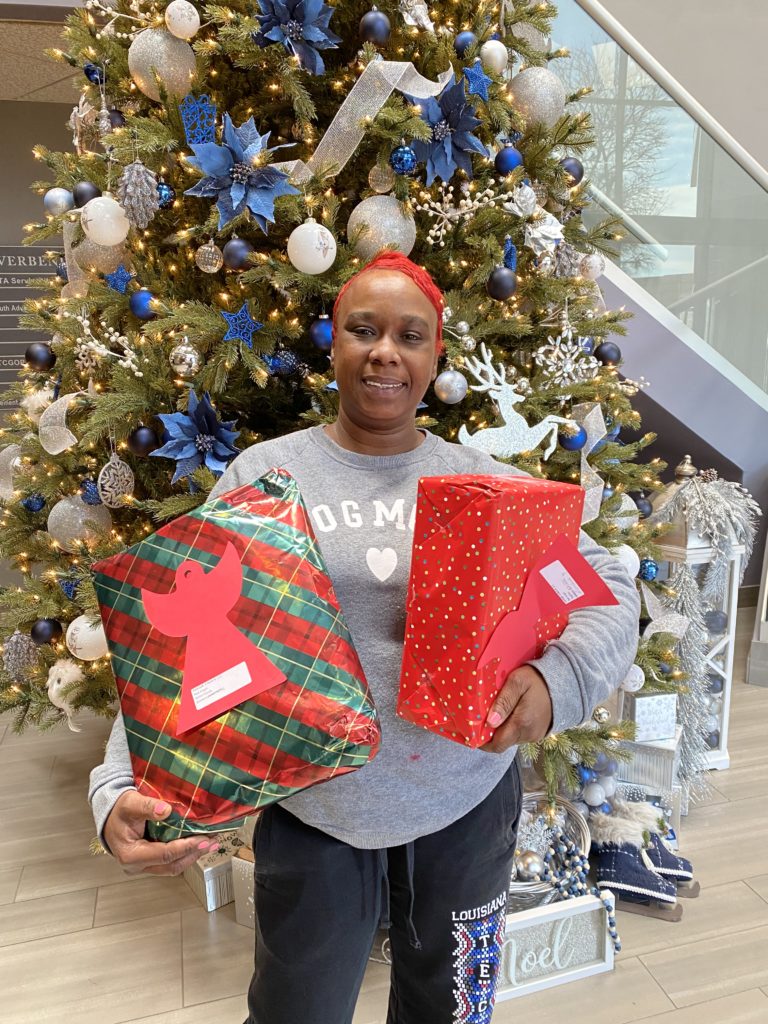
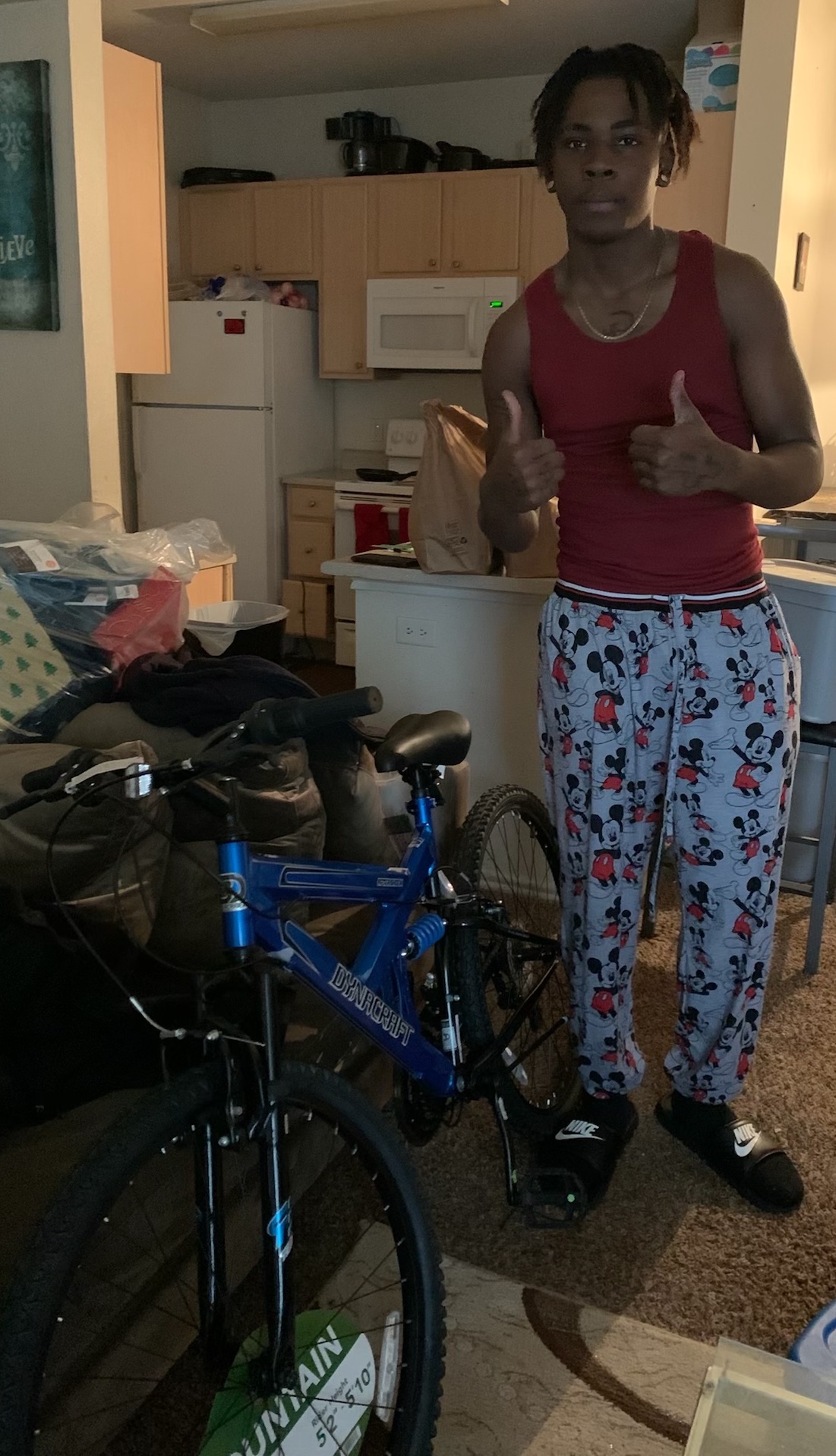

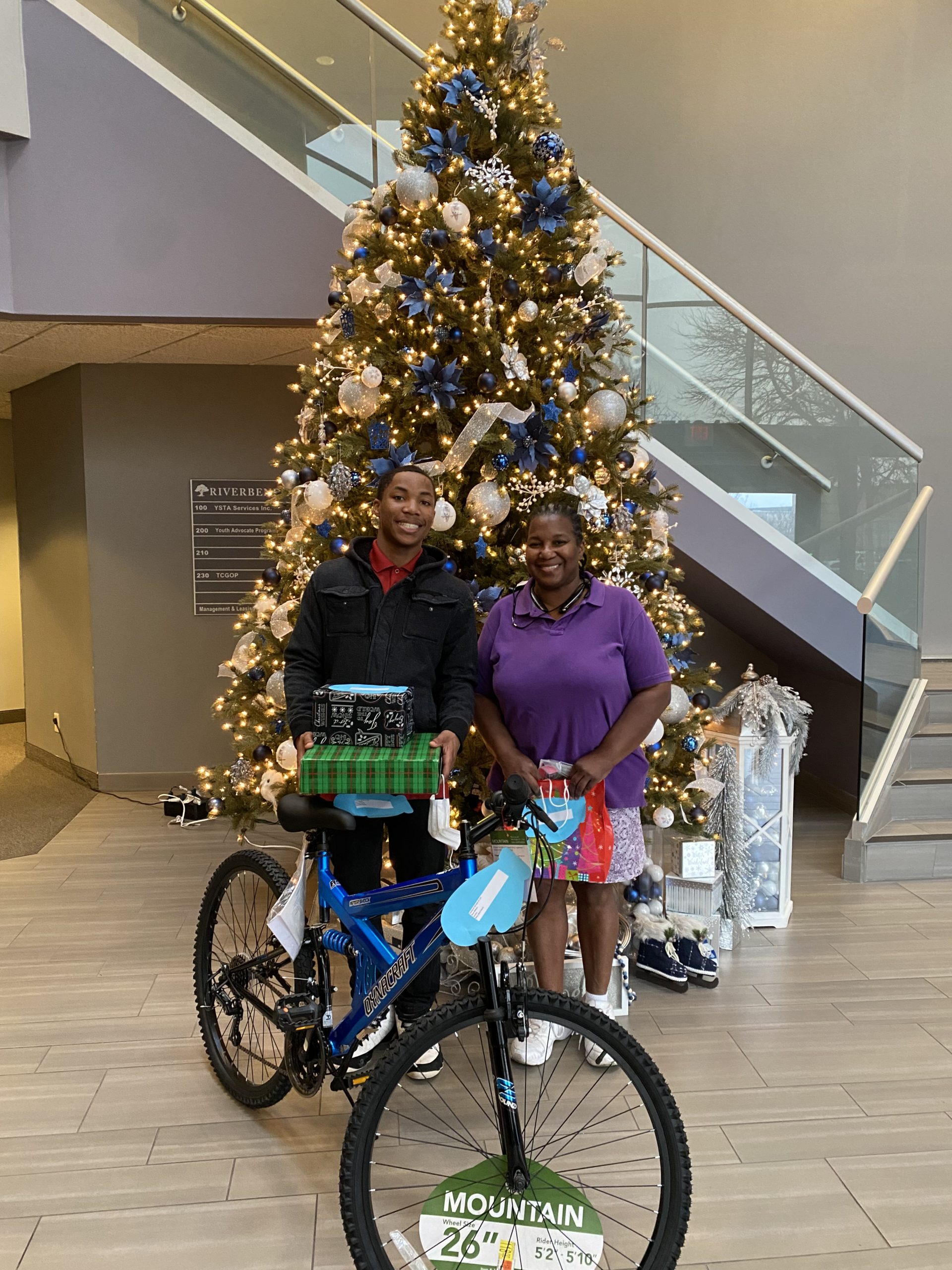 Youth Advocate Programs (YAP), Inc., in Tarrant County, Texas helped provide Christmas gifts to program participants and their families with the help of Nolan Catholic High School.